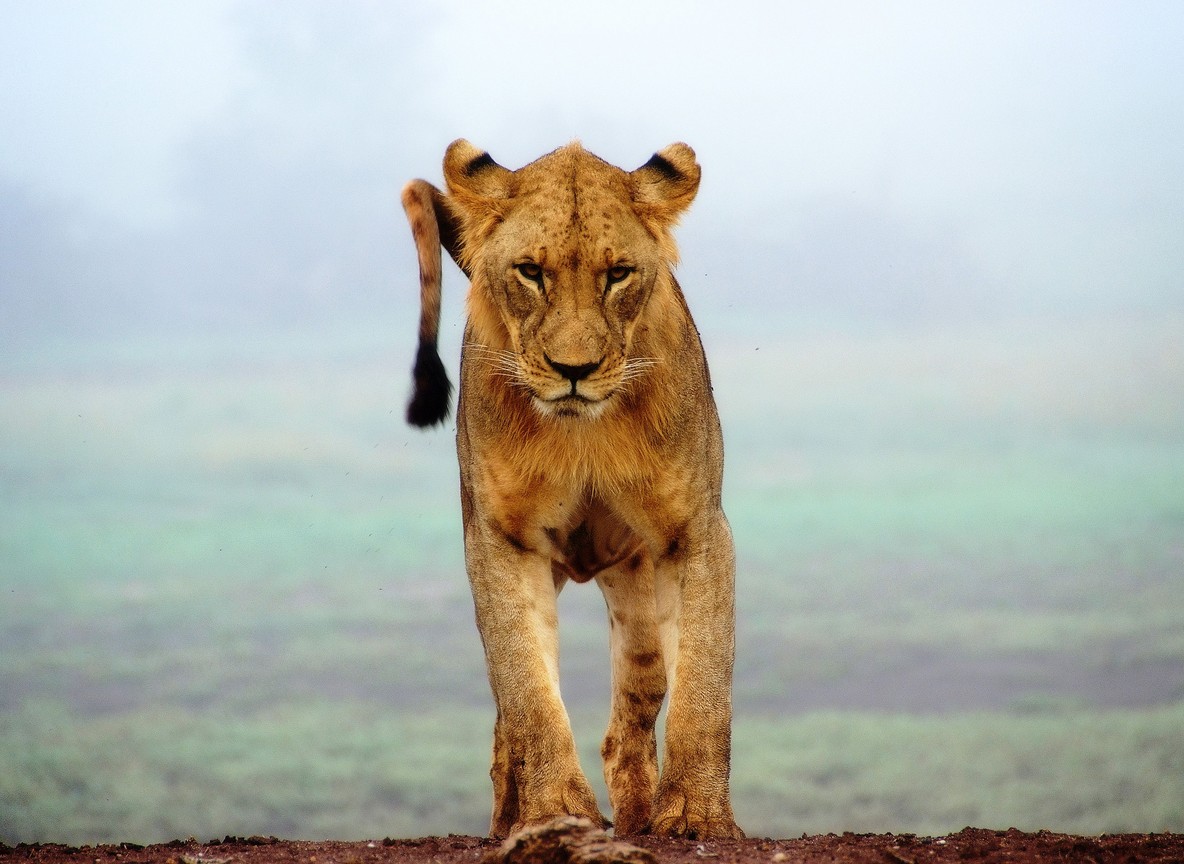
Kenya’s lion count dropped for the first time in more than a decade. New figures released through Kenya’s Economic Survey 2026, drawing on Kenya Wildlife Service (KWS) monitoring data, put the national lion population at 2,512. That is down from 2,589 in the 2021 national carnivore census, a loss of roughly 77 lions. It breaks a recovery trend that had run since a low point of 1,970 lions in 2008. Touring Insights looks at what changed, which areas are affected, and what the numbers actually mean if you are planning a lion-focused safari.
What the 2025 Census Actually Found
The 2021 census was Kenya’s first full national count using standardized survey methods across parks, reserves, and conservancies. It confirmed steady growth from the 2008 low. The 2025 figures, compiled into the 2026 Economic Survey, show that growth reversing. A drop from 2,589 to 2,512 is about 3 percent nationally. That is not a collapse. It is a warning sign in a species that recovers slowly, since lionesses typically raise only one or two cubs to adulthood per litter.
Kenya holds one of the largest wild lion populations left in Africa, alongside Tanzania. A 3 percent national dip still leaves the country as a stronghold species by continental standards. But conservationists tracking the numbers point out that even small national declines can hide sharper local losses in specific ecosystems, especially ones bordering farmland or livestock corridors.
Why Kenya’s Lion Numbers Slipped
No single cause explains a national decline like this. Wildlife researchers and KWS field reports point to a mix of pressures building over the past few years.
Human-wildlife conflict remains the leading driver. As farms and livestock bomas expand along the edges of parks and conservancies, lions that wander outside protected boundaries face retaliatory killings after livestock losses. Fencing and community compensation schemes have reduced this in some areas, but coverage is uneven across the country.
Habitat fragmentation adds pressure in a different way. Roads, settlements, and fenced private land break up the open corridors lions need to move between prides and find new territory. A shrinking corridor network makes it harder for young males pushed out of a pride to establish new ground safely.
Prey base pressure also plays a role. Drought years reduce the herbivore populations lions depend on, particularly in drier ecosystems like parts of Tsavo and the Laikipia plateau. Weaker prey years often lead to more livestock predation, which then feeds back into the conflict problem above.
National Lion Count: 2021 vs 2025
| Metric | 2021 National Census | 2025 Figures (Economic Survey 2026) |
|---|---|---|
| National lion population | 2,589 | 2,512 |
| Change from prior count | Up from 1,970 (2008) | Down 77 lions (about -3%) |
| Largest single stronghold | Tsavo Conservation Area, approx. 675 lions | Regional breakdowns pending fuller KWS release |
| Survey method | National carnivore census, standardized count | Economic Survey data drawing on KWS monitoring |
| Trend direction | Recovery | First reversal since 2008 |
Treat the 2025 regional splits as provisional. KWS typically publishes fuller ecosystem-by-ecosystem detail in a follow-up technical report after the headline Economic Survey figures come out.
What This Means for Safari Travelers
A national dip of 77 lions will not empty out the Maasai Mara or Tsavo of prides overnight. Kenya’s major parks still hold healthy, breeding lion populations, and guides in these areas see lions on most multi-day safaris. What the decline does mean is that lion sightings are becoming less evenly spread. Well-protected, well-funded ecosystems with active conservancy management are holding steady or growing. Areas with weaker fencing, less ranger presence, or more conflict with livestock are the ones losing ground.
For travelers, that is actually useful information. It points toward booking time in the ecosystems where lion monitoring and protection are strongest, both for a better sighting record and to put tourism revenue behind the areas doing the conservation work.
Where Lions Still Thrive: Quick Facts for Planning
| Location | Lion population context | Park/reserve size | Distance/time from Nairobi | Entry fee (non-resident, indicative range) |
|---|---|---|---|---|
| Maasai Mara National Reserve | One of Kenya’s densest lion populations, multiple resident prides | approx. 1,510 km2 | approx. 270-290 km by road (5-6 hrs), or 45-50 min by air | USD 80-100/day |
| Tsavo Conservation Area (East, West, Chyulu Hills) | Country’s largest single stronghold, approx. 675 lions in 2021 count | approx. 22,812 km2 combined | Tsavo East gate approx. 233 km (3.5-4 hrs); Tsavo West approx. 240 km (4 hrs) | USD 30-52/day |
| Amboseli National Park | Smaller resident pride network, strong ranger coverage | approx. 392 km2 | approx. 240 km by road (4-5 hrs), or 35-40 min by air | USD 60-90/day |
| Samburu National Reserve | Northern population, monitored by community-based Warrior Watch programme | approx. 165 km2 | approx. 325 km by road (5-6 hrs), or 60-70 min by air | USD 70-80/day |
| Laikipia conservancies | Private/community land with active lion collaring and monitoring | approx. 9,500 km2 of combined conservancy land | approx. 200 km by road (4-5 hrs) to central Laikipia | Conservancy fees vary, typically USD 60-100/day |
Fees are indicative ranges and change by season and operator; confirm current gate and conservancy rates before booking.
How Conservation Groups Are Responding
KWS and partner organizations are not waiting for a full technical report to act. Predator-proof boma programs, which fund reinforced livestock enclosures for communities near park boundaries, have expanded in Amboseli and Laikipia over the past two years. Community ranger and scout programs, like those training former herders as wildlife monitors in Samburu and Tsavo, add eyes on the ground in areas KWS alone cannot cover. GPS collaring projects across the Mara and Laikipia conservancies now track individual lions and coalitions in near real time, which helps rangers respond faster to conflict situations before they turn fatal for either livestock or lions.
None of these programs reverse a national decline by themselves. Together, they are the reason conservationists describe this as a setback rather than a crisis. The infrastructure for recovery, tested successfully between 2008 and 2021, is still in place.
Explorer Notes
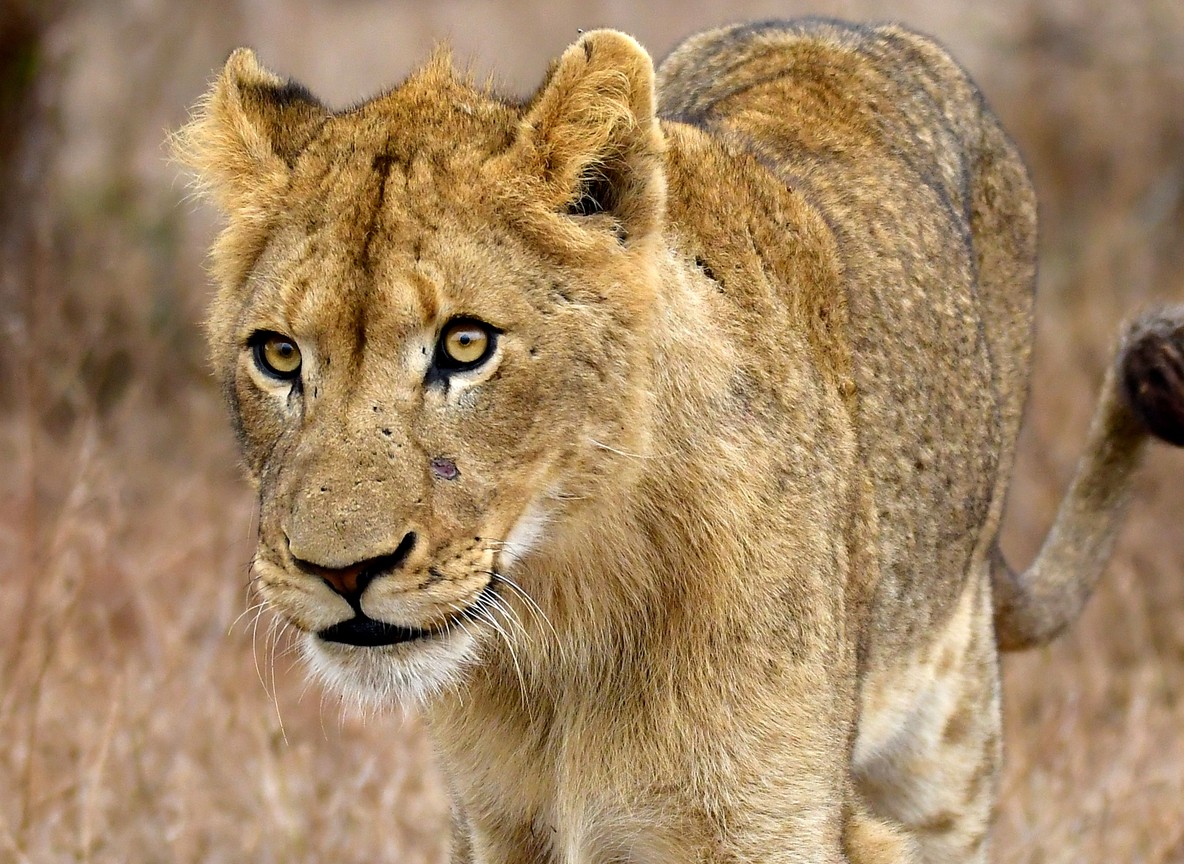
Guides across the Mara and Tsavo say lion sightings still come down to timing more than raw numbers. Early morning game drives, ideally out of camp before 6:30 am, catch prides finishing a night hunt or moving to shade before the heat sets in. Ask your guide or camp manager about recent pride sighting logs when you arrive. Most camps in the Mara conservancies and Tsavo private concessions keep informal records shared over radio each morning. If lion viewing is your priority, a conservancy stay next to a protected core area, rather than the busiest sections of the main reserves, often gives quieter, more relaxed sightings with fewer vehicles.
What to Read Next
- Curious how field teams are recounting lions on the ground right now? Read our Tsavo lion population survey guide.
- Planning a Mara trip and want a realistic sighting strategy? See our where to see lions in Tsavo West guide for comparable tactics.
- Want to understand how GPS collars help protect prides day to day? Check our GPS collar lions Kenya conservancies guide.
FAQ
How many lions does Kenya have in 2025? Kenya’s Economic Survey 2026, based on KWS monitoring data, put the national lion population at 2,512, down from 2,589 in the 2021 national census.
Why did Kenya’s lion population decline? Human-wildlife conflict along park and conservancy borders, habitat fragmentation from expanding farmland and settlement, and drought pressure on prey species are the main factors cited by KWS and conservation researchers.
Is Kenya’s lion population still recovering overall? The long-term trend from 2008 to 2021 was strong growth, from 1,970 to 2,589. The 2025 figure of 2,512 is the first reversal in that trend, described by conservationists as a setback rather than a collapse.
Where can I still reliably see lions in Kenya despite the decline? The Maasai Mara ecosystem, the Tsavo Conservation Area, Amboseli National Park, and the Laikipia conservancies all maintain active, monitored lion populations with strong sighting records.
Does a lower lion count mean fewer sightings on safari? Not necessarily. Well-managed ecosystems with active ranger presence and conservancy monitoring, like the Mara and Laikipia, are holding populations steady even where the national number dipped. Booking time in these areas keeps your sighting odds high.
A 3 percent dip in a slow-breeding species is worth paying attention to, not panicking over. If you want to plan a trip around the ecosystems doing the most to protect their prides, visit our Tour Packages page to compare Mara and Tsavo itineraries, or ask a partner operator which conservancies run active lion-monitoring programs.