Kenya’s green season runs roughly from January through March, wedged between the busy December holidays and the heavier long rains that arrive in April. Grass is tall, skies are dramatic, and the crowds thin out. It is also the window where camps quietly cut their rates.
Park fees do not drop for green season. What changes is accommodation pricing, flight seat availability, and how much negotiating room camps give you. Touring Insights built this guide from real fees and named camps, so you can see what actually moves and by how much instead of reading vague “great deals” language.
What “Green Season” Actually Means in Kenya
January and February bring warm, mostly dry weather across the Maasai Mara, Amboseli, and Tsavo. Short afternoon showers become more common by March as the long rains build. Grass greens up fast after the November short rains, which is where the season gets its name.
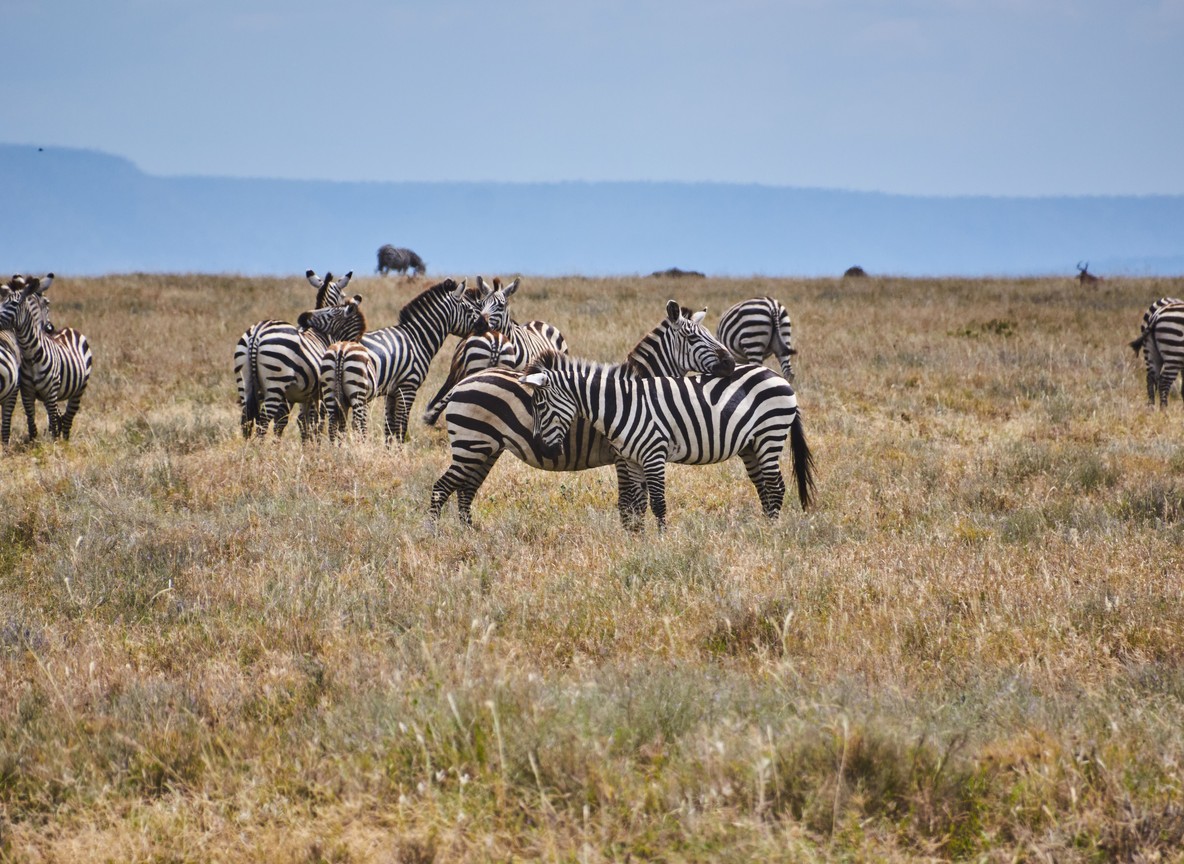
The Great Migration herds are in the Serengeti during this window, not the Mara, so this is not the month for river crossings. It is, however, prime time for resident wildlife. Predator sightings hold up well, birdlife peaks, and newborn wildebeest and zebra calves start appearing on the plains in the southern circuit.
Why Prices Actually Drop (and What Doesn’t)
Government and county park fees are fixed by season on paper, and in practice they rarely move for January to March. The Maasai Mara National Reserve conservation fee, set by Narok County, stays close to its published rate regardless of rainfall. Kenya Wildlife Service fees for Amboseli, Tsavo, and Lake Nakuru work the same way.
Camps and lodges are different. Many mid-range and luxury properties publish a distinct “green season” or “low season” rate card for January through March, separate from their June to October peak pricing. Discounts commonly run 15 to 30 percent off peak nightly rates. Charter flight seats can also get cheaper, since scheduled flights run less full and some operators offer companion-fare or seasonal promotions.
Green Season vs Peak Season Costs by Destination
| Destination | Park/Reserve Fee (indicative, per person/day) | Distance from Nairobi | Peak Season Rate (Jul-Oct, indicative, per person/night, mid-range) | Green Season Rate (Jan-Mar, indicative, per person/night, mid-range) |
|---|---|---|---|---|
| Maasai Mara National Reserve | approx. $200 (Narok County, confirm before travel) | approx. 270 km, 5-6 hrs by road; approx. 45 min flight to Keekorok or Musiara airstrip | $450-600 | $320-450 |
| Amboseli National Park | approx. $60 (KWS, confirm before travel) | approx. 240 km, 4-5 hrs by road; approx. 35-40 min flight to Amboseli airstrip | $350-480 | $260-360 |
| Tsavo West/East National Parks | approx. $52 (KWS, confirm before travel) | approx. 230 km, 4 hrs by road to Mtito Andei Gate; approx. 40 min flight to Tsavo airstrips | $280-400 | $210-300 |
| Lake Nakuru National Park | approx. $60 (KWS, confirm before travel) | approx. 160 km, 2.5-3 hrs by road | $260-360 | $190-280 |
Rates above are indicative ranges only. Camps set and change their own pricing, so always confirm current rates with the property or a booking partner before you commit.
Where the Deals Show Up in the Maasai Mara
Mara camps feel the green season discount most, since this is Kenya’s most expensive safari destination in peak months. Properties such as Mara West Camp, Ashnil Mara Camp, and Basecamp Masai Mara typically publish separate January to March rates well below their July to October figures. Keekorok Lodge and Sarova Mara Game Camp, both larger established properties, often run seasonal promotions and shorter minimum-stay requirements during this window.
Fewer vehicles at sightings is a real, tangible benefit here too. December’s holiday crowd has left by early January, and the July to October peak crowd has not arrived. You get comparable game viewing at a lower price and a quieter vehicle count at each sighting.
Amboseli, Tsavo, and Lake Nakuru in Green Season
Amboseli’s elephant herds and Mount Kilimanjaro backdrop are not seasonal draws, so game viewing barely changes. Camps such as Kibo Safari Camp and Amboseli Serena Safari Lodge cut rates similarly to Mara properties, and this is often the cheapest window all year to stay near Ol Tukai for a Kilimanjaro sunrise shot.
Tsavo, Kenya’s largest park pair at roughly 22,000 km2 combined, sees the smallest crowds of the four destinations even in peak months, so the green season discount is more modest. Voyager Ziwani and Ashnil Aruba Lodge still trim rates, but the gap versus peak season runs narrower than in the Mara. Lake Nakuru, closest to Nairobi and often paired with a Mara or Amboseli circuit, sees similar modest seasonal movement at properties like Sarova Lion Hill Game Lodge.
Sample Trip Cost: A 5-Night Green Season Circuit
A concrete example helps more than a percentage. Take a common route: two nights in the Maasai Mara, two nights in Amboseli, one night in Nairobi, flying between parks. Peak season mid-range accommodation alone for that circuit runs roughly $1,700 to $2,300 per person, before flights, park fees, and transfers. The same mid-range circuit in green season typically runs $1,200 to $1,650 per person for accommodation.
Add park fees on top. Two Mara days at approximately $200 per person per day and two Amboseli days at approximately $60 per person per day bring roughly $520 in reserve and park fees for this route, unchanged by season. Domestic flights between Nairobi, the Mara, and Amboseli typically add $150 to $250 per person per leg, though green season sometimes brings promotional fares on routes with lower demand. Total savings on a circuit like this commonly land in the $400 to $700 per person range compared to booking the same route at peak.
How Green Season Compares to the Short Rains in November
November’s short rains offer a similar discount logic to January through March, but the two windows are not identical. November rain tends to fall in short, heavy afternoon bursts that clear quickly, while the long rains building through March can bring longer, steadier downpours that affect more roads. Many travelers find November slightly more reliable for road conditions, while January and February offer more consecutive dry days.
Camps sometimes price November and the January to March window differently too. A property might treat November as its lowest rate of the year, with January to March priced slightly higher but still well under peak. Always ask a camp for its specific calendar rather than assuming green season pricing is one flat rate across five months.
Booking a Green Season Safari: What to Watch For
Rain is the real tradeoff. March in particular can bring afternoon downpours that turn Mara tracks to mud, and some camps close low-lying tented sites during the heaviest weeks. Ask any camp directly about closure dates before booking a March stay, since a handful of properties shut for maintenance around the peak of the long rains.
Flight schedules thin out too. Fewer daily flights connect Wilson Airport to Mara and Amboseli airstrips in green season, so book your seats early even though the season itself is quieter. A missed connection matters more when there are only two flights a day instead of five.
Explorer Notes
Field notes worth knowing before you lock in a green season date. Late January through February is genuinely the sweet spot: warm, mostly dry, and cheaper than peak, with none of the mud that March can bring. If your dates are flexible, aim there first.
Pack for both sun and rain. Mornings run clear and cold enough for a fleece, afternoons can turn humid fast once the clouds build. A dry bag for camera gear earns its space in your kit during March game drives. Ask your camp about their specific green season rate card rather than assuming a blanket discount. Some properties price January differently from March, since March carries more rain risk. Road transfers can also run slower after heavy rain, so build in extra time if you are self-driving or connecting by road between parks.
What to Read Next
- Curious how the wet months stack up against the classic dry season everywhere else? Read our dry season vs green season Amboseli guide.
- Planning your dates around the whole calendar, not just green season? See our Kenya safari booking lead time guide.
- Want the full picture on what a Kenya safari costs beyond accommodation? Check our Kenya safari money guide.
FAQ
Is green season a good time for a budget Kenya safari? Yes. Camp rates typically drop 15 to 30 percent from January through March compared to the June to October peak, while park fees stay the same.
Does the Great Migration happen during Kenya’s green season? No. The migration herds are in Tanzania’s Serengeti from roughly December through March. They return to the Maasai Mara around July.
Which month is best within the green season window? Late January and February tend to offer the best balance: warm, mostly dry weather with green season pricing still in effect before the heavier March rains.
Do park entrance fees change for green season? No. Maasai Mara, Amboseli, Tsavo, and Lake Nakuru fees are set by the county government or Kenya Wildlife Service and do not typically move by season.
Is it worth booking a green season safari with fewer flight options? Yes, but book flights early. Fewer scheduled flights run to Mara and Amboseli airstrips in green season, so seats can sell out even though the season is quieter overall.
Ready to price out a January to March trip against your dates? Visit our Tour Packages page to compare current routings, or ask a partner operator to confirm this season’s camp rates before you book.