A fly-in safari circuit strings together two or three parks in one trip. It skips the long road transfers between them. Instead of a single base camp, you hop by light aircraft from Amboseli to the Masai Mara to Samburu. You sleep in a different landscape every few nights. This guide walks through how a real kenya safari fly-in circuit itinerary comes together, with the airstrips, flight times, and fees you need to plan one yourself.
What Makes a Fly-In Circuit Different
A standard safari picks one region and drives between camps inside it. Fly-in circuits move between regions entirely. Some of those regions would take a full day to reach by road. Amboseli, the Masai Mara, and Samburu sit far enough apart that driving all three eats most of your holiday in transfers. Flying turns those transfers into 35 to 90 minute hops on 12 to 14 seat aircraft. More of your trip ends up spent in camp instead of in a vehicle.
The tradeoff is cost. Scheduled air safari seats run well above a shared road transfer, and each leg adds up over a multi-stop itinerary. Most travelers who choose this route are prioritizing time and variety of landscape over budget.
How the Scheduled Air Network Connects Kenya’s Parks
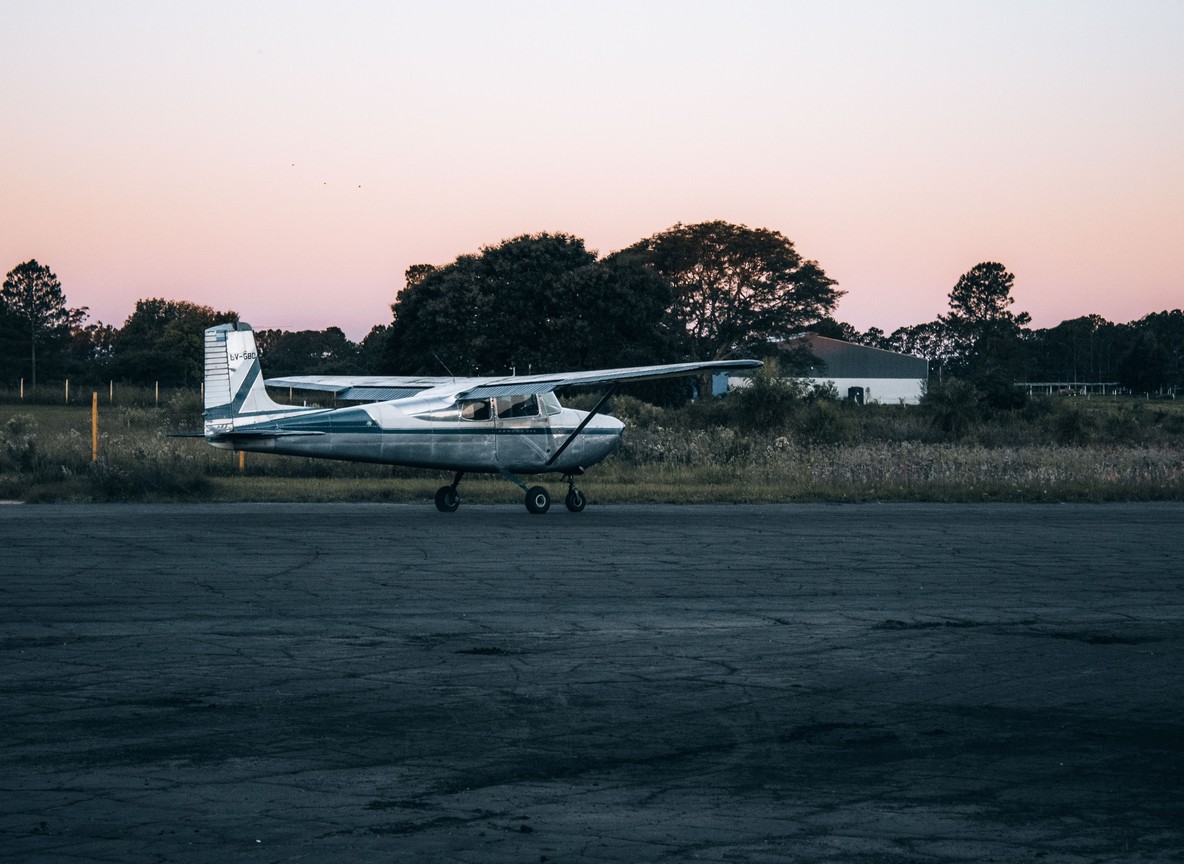
Three carriers run most of the scheduled safari routes out of Nairobi: Safarilink, AirKenya Express, and Governors’ Aviation. All three fly a “milk run” pattern, landing at several bush airstrips before reaching the final stop. That keeps single-leg fares lower than a dedicated charter. Flights depart from Wilson Airport in Nairobi, the domestic hub for safari air traffic, rather than Jomo Kenyatta International.
Inside the Masai Mara alone there are more than a dozen airstrips. These include Musiara, Ol Kiombo, Kichwa Tembo, and Naboisho. Which one your flight uses depends on which camp you booked. Amboseli has a single main airstrip near the park’s northern side. Samburu and Buffalo Springs share Kalama airstrip. Knowing your camp’s nearest strip matters, since a booking agent will route you there directly. That can cut a road transfer down to 10 or 15 minutes.
Booking a circuit usually means buying each leg as a separate scheduled ticket. The three operators don’t always share a single booking system, so fares rarely bundle into one price. A good tour operator or travel agent handles this for you, matching arrival and departure times across legs so you aren’t stranded at an airstrip for hours. If you book independently, check each leg’s departure window carefully. Morning flights fill first, and afternoon options on the same route can be limited.
Which Camps and Airstrips Link Well Together
Not every pair of parks connects well by air. Some routes require a change of aircraft or a long milk run with several stops. Amboseli to the Masai Mara and Masai Mara to Samburu are both well-served, direct or near-direct routes. That is why they anchor most published fly-in circuits, including the SkySafari-style routes Elewana Collection markets between its own properties.
Camps worth naming as circuit anchors include Tortilis Camp near Amboseli’s airstrip, Elewana’s Sand River property inside the Mara conservancy belt, and Elewana Loisaba Tented Camp in Laikipia, a short hop from Samburu. Governors’ Camp in the Mara and Sarova Shaba near Samburu are common non-Elewana alternatives that use the same airstrips. Picking camps close to their region’s main airstrip keeps ground transfers short at both ends of every flight.
Sample 7-Day Fly-In Circuit: Amboseli, Masai Mara, Samburu
| Leg | Route | Airstrips | Flight Time | Typical Operator | Indicative One-Way Fare |
|---|---|---|---|---|---|
| 1 | Nairobi to Amboseli | Wilson to Amboseli | 30-40 min | Safarilink, AirKenya | $150-220pp |
| 2 | Amboseli to Masai Mara | Amboseli to Ol Kiombo/Musiara | 70-90 min | Safarilink | $250-320pp |
| 3 | Masai Mara to Samburu | Ol Kiombo/Musiara to Kalama | 90-105 min | Safarilink | $300-380pp |
| 4 | Samburu to Nairobi | Kalama to Wilson | 50-55 min | AirKenya, Safarilink | $180-230pp |
Fares are indicative ranges from published 2025-2026 scheduled fare sheets. They vary by season, seat class, and how far ahead you book. Confirm exact pricing with your operator or agent before committing to a circuit.
Three stops over seven nights gives roughly two nights per camp, with a travel day built in. That is enough time to settle into each landscape without feeling rushed.
Fly-In vs Drive-In: Time and Cost Side by Side
| Route | Road Distance & Time | Flight Time | Park/Reserve Fee (per person, per day, indicative) |
|---|---|---|---|
| Nairobi to Amboseli | 240km, 4-5 hrs | 35 min | Amboseli National Park (KWS): $60-90 |
| Nairobi to Masai Mara | 270km, 5-6 hrs, last stretch unpaved | 45 min | Masai Mara National Reserve (Narok County): ~$100, plus conservancy fees of $100-150/night if based outside the reserve |
| Nairobi to Samburu | 325km, 6-7 hrs | 55 min | Samburu National Reserve: ~$70 |
| Amboseli to Masai Mara direct by road | 500km+, 9-10 hrs via Nairobi, rarely attempted | 70-90 min by air | n/a |
The last row is the clearest case for flying. Driving Amboseli to the Mara directly is not a practical day trip. There is no useful direct road route, and most itineraries would loop back through Nairobi. That single leg is where a fly-in circuit earns its cost.
Airstrips, Park Fees, and What They Add to Your Budget
Park and reserve fees are charged per person, per day. They stack on top of your accommodation rate, so a three-park circuit means budgeting for three separate fee schedules. Amboseli and Samburu fees go to Kenya Wildlife Service. The Masai Mara National Reserve fee is set by Narok County. Private conservancies bordering the reserve, such as Mara North or Naboisho, charge their own nightly conservancy fee on top. That fee is usually built into the camp rate rather than paid separately.
Airstrip landing fees are typically included in your flight ticket. Some camps add a small transfer fee for the drive from the strip to camp, especially where that drive runs 30 minutes or more. Ask your camp directly what is and is not included before you fly.
Explorer Notes
Baggage limits catch first-time fly-in travelers off guard. Most scheduled operators cap checked luggage at 15kg per person in a soft-sided bag. Hard suitcases are often refused outright because they don’t fit the aircraft hold. Pack a duffel, not a rolling case, and weigh your bag before you leave home. Milk run flights can also mean extra stops you didn’t expect. A ticket from Amboseli to Samburu might touch down at a Mara airstrip first to pick up other passengers. That can add 20 to 30 minutes to the printed schedule. Build a buffer into same-day connecting plans. Never book a fly-in circuit with a same-day international departure on the last leg. Weather delays in the Mara are common during the April and November rains. A one-night buffer near Nairobi before an international flight is worth the extra cost.
Mistakes That Break a Fly-In Circuit
The most common planning error is choosing camps that sound close on a map but sit on opposite ends of their region’s airstrip network. That turns a short hop into a longer milk run. The second mistake is underestimating how much three sets of park fees add to a trip budget compared to a single-region safari. Skipping travel insurance that covers light aircraft delays is the third. These delays are more frequent than delays on commercial jets, since bush airstrips close in heavy rain.
A fourth mistake is packing the circuit too tight. Three parks in five nights sounds efficient on paper. In practice it leaves barely a day and a half per stop once travel days are counted. Most repeat fly-in travelers say afterward they wished they had dropped one park and added an extra night somewhere else instead.
Frequently Asked Questions
How long does a Kenya fly-in safari circuit usually run? Most circuits linking two or three parks run 6 to 10 days, giving 2 to 3 nights per stop plus travel days.
Which airlines operate scheduled safari flights in Kenya? Safarilink, AirKenya Express, and Governors’ Aviation run most scheduled routes between Wilson Airport in Nairobi and the country’s main safari airstrips.
Is a fly-in circuit more expensive than a single-region safari? Yes. Flights, multiple park fees, and camps in three different regions cost more than staying in one area, though it saves significant travel time.
Can I fly directly between Amboseli and the Masai Mara? Most schedules route through a short milk run stop, so budget 70 to 90 minutes rather than expecting a nonstop flight.
What luggage limits apply on safari flights? Most operators cap checked bags at 15kg per person in soft-sided luggage, with hard suitcases often not accepted.
Thinking through which parks to link on your own circuit? Visit our Tour Packages page to compare multi-region itineraries, or ask a partner operator to confirm current fly-in fares and camp-to-airstrip transfer times before you book.
What to Read Next
- New to the fly-in decision entirely? Start with our fly-in safari Kenya guide.
- Weighing a single-region trip instead? See our fly-in vs drive-in Masai Mara comparison.
- Curious how fuel surcharges affect charter pricing? Read our fly-in safari fuel cost and charter flights guide.
Further reading
- Magical Kenya (Kenya Tourism Board)
- Kenya Wildlife Service
- Maasai Mara Wildlife Conservancies Association