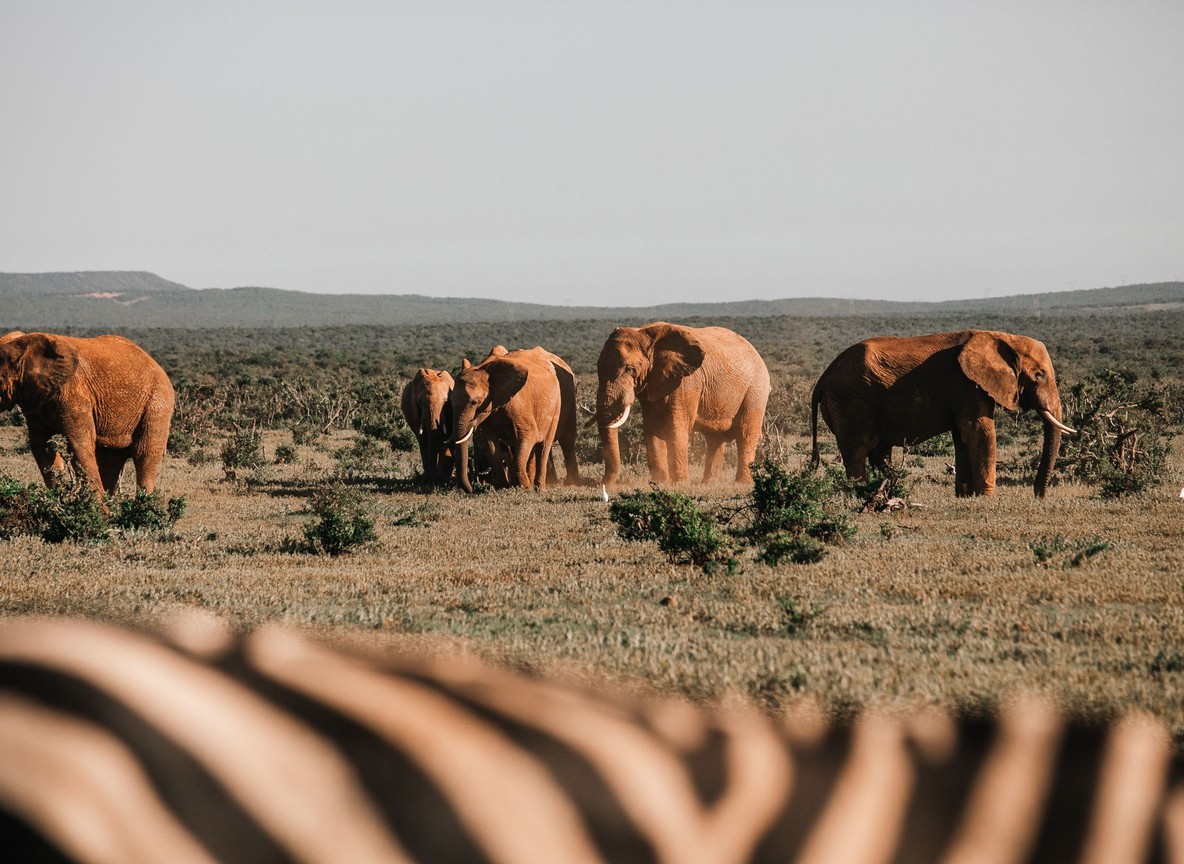
A dry season in Kenya used to mean one thing for a conservation area. Trucking water in, or watching wildlife and livestock fight over the same shrinking waterhole. That is changing. Over the past two years, the African Wildlife Foundation and Kenyan county governments have pushed solar-powered boreholes into conservancies from Kajiado to Samburu. These replace diesel pumps and seasonal rivers with a steadier water supply. Touring Insights looks at where these boreholes sit, what they cost, and why the shift matters for anyone planning a safari through Kenya’s drought-prone rangelands.
Why Water Security Became a Conservation Priority
Kenya’s arid and semi-arid lands cover more than 80 percent of the country. Most of its major conservancies sit inside them. Rainfall in these zones is unreliable even in a normal year. During the 2020-2023 drought, Kenya Wildlife Service and partner organizations recorded mass die-offs of wildebeest, zebra, and elephants across Amboseli and the wider southern rangelands. Lack of water drove the deaths as much as lack of forage. Diesel-pumped boreholes existed before the drought. But fuel costs and breakdowns left many dry for weeks at a time. A water point that does not depend on a fuel delivery run has become a basic need. It keeps both wildlife and nearby communities going through the dry months.
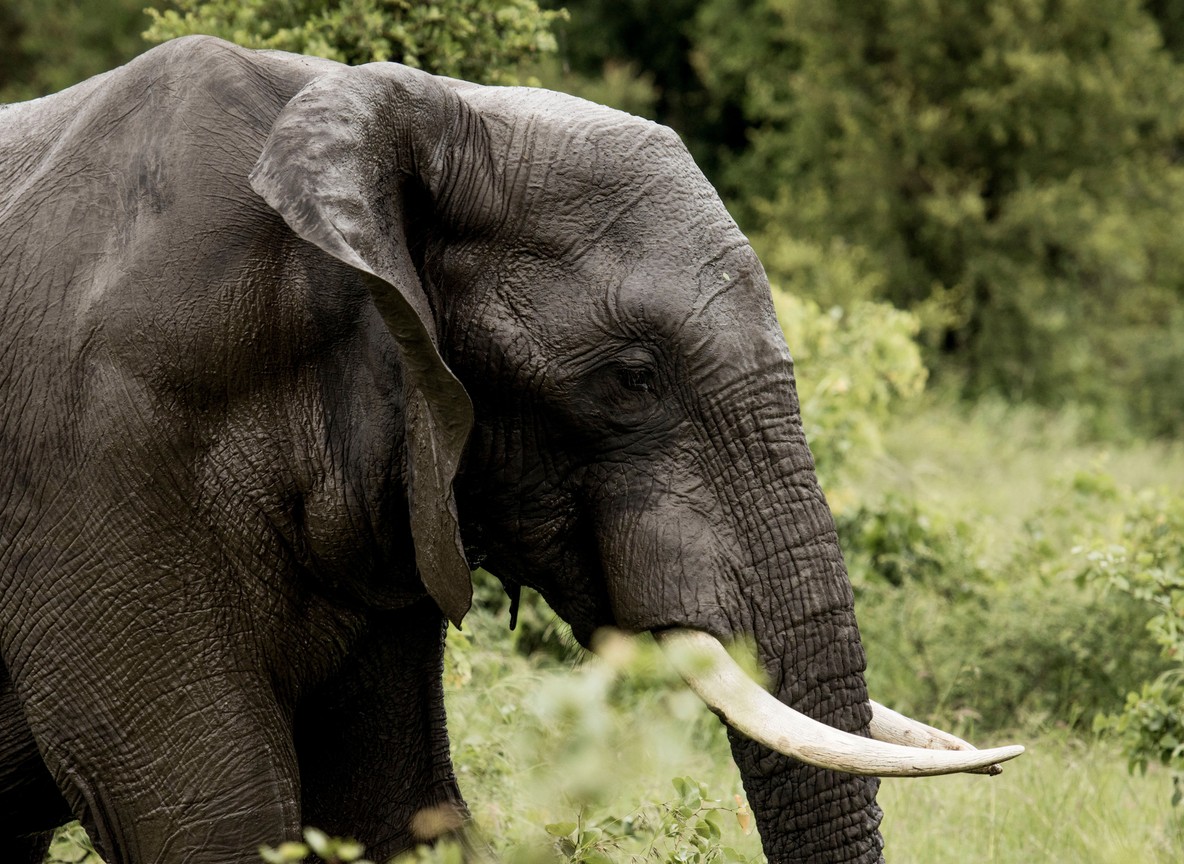
The knock-on effects reach well beyond a single dry season. When natural water sources fail, elephants and other wide-ranging species push into farmland and settlements looking for a drink. That raises the odds of crop damage, fence breaks, and dangerous encounters with people. Pastoralist communities lose livestock condition, and in bad years, whole herds. County governments and conservation organizations now treat water infrastructure as core conservation work, not a side project. A conservancy without dependable water struggles to hold wildlife or community buy-in through a drought year. That shift in thinking pushed AWF and its partners toward a coordinated borehole program, rather than one-off emergency drilling after each crisis hits.
What a Solar Borehole Actually Does
A solar borehole pairs a submersible pump with a photovoltaic panel array. Most installations add battery storage, so the pump keeps running after sunset or on a cloudy day. Water is drawn from an aquifer, often 60 to 150 meters below ground in Kenya’s rangelands. It is then piped to a storage tank and trough system. Unlike a diesel pump, there is no fuel to transport and no engine to service on a rutted access road. There is also no smoke or noise near a wildlife corridor. Most installations pay back their upfront cost within three to five years, once diesel and maintenance savings are counted. Those figures come from AWF and conservancy partners on recent projects.
Where the Boreholes Are Going
AWF’s push has concentrated on conservancies bordering Kenya’s major parks. Community and wildlife water needs overlap most directly there. Kajiado County, which wraps around Amboseli National Park, has been a focus area. Rangelands near Tsavo and community conservancies in Samburu County have also seen installations. A widely cited AWF-backed water security initiative reported serving more than 20,000 people across these areas, alongside the wildlife and livestock sharing the same landscape. The exact number of installed boreholes varies by report and keeps growing as new sites come online. Travelers and researchers should treat any specific count as a snapshot, not a final tally.
Solar vs Diesel Boreholes: A Side-by-Side Look
| Factor | Diesel-pumped borehole | Solar-powered borehole |
|---|---|---|
| Fuel cost | ongoing, subject to price spikes and delivery delays | none after installation |
| Typical uptime in remote conservancies | often interrupted, dependent on fuel runs | consistently higher once battery storage is included |
| Noise/disturbance near wildlife corridors | engine noise and diesel smell | silent operation |
| Indicative install cost (medium-yield borehole with solar pump and tank) | USD 15,000-25,000 (diesel pump and housing) | USD 25,000-40,000 (panels, pump, battery, tank) |
| Payback period on fuel/maintenance savings | not applicable | approx. 3-5 years, per AWF-cited project figures |
| Typical pumping depth in Kenyan rangelands | 60-150 meters | 60-150 meters |
Costs vary by borehole depth, yield, and remoteness of the site. Treat these as indicative ranges from public conservancy project reporting, not fixed prices for any single installation.
The Amboseli-Kajiado Corridor: A Closer Look
Kajiado County sits directly north and east of Amboseli National Park. The park covers roughly 392 km2, about 240 km southeast of Nairobi. Expect a 4 to 5 hour drive via the Namanga or Emali routes. The surrounding group ranches and conservancies, including areas near Kimana and Mbirikani, have long relied on the Amboseli swamps and the seasonal Kimana River. When those sources shrink, wildlife pushes onto community grazing land. Conflict with livestock herders rises as a result. Solar borehole installations in this corridor aim to give both wildlife and herders a dependable water point away from the park’s core tourist circuit. That eases pressure on the swamps that safari vehicles rely on for elephant and hippo sightings.
Samburu and the Northern Rangelands
North of the equator, Samburu County covers drier, hotter terrain than Amboseli. Community conservancies such as those in the Namunyak and West Gate landscapes manage water for both wildlife and pastoralist herds. Samburu National Reserve itself covers 165 km2, about 345 km north of Nairobi. Plan on a 6 to 7 hour drive to reach it. Solar boreholes on community land bordering the reserve give elephants, Grevy’s zebra, and reticulated giraffe a reason to stay off farmland. Those three species anchor Samburu’s ecosystem, and keeping them away from crops lowers the odds of retaliatory conflict.
Community conservancies in this region operate under a different funding model than national parks. They rely on conservation fees, tourism revenue, and grant support, rather than government park budgets alone. That makes outside infrastructure investment, including solar water systems, a meaningful addition rather than a small extra. A borehole with no ongoing fuel cost frees up conservancy revenue for ranger salaries, fence maintenance, and community projects. Several West Gate and Namunyak-area conservancies have cited exactly this shift in their own reporting on solar transitions. They frame water infrastructure as a budget decision as much as an ecological one.
Explorer Notes
Ask your guide in Kajiado or Samburu conservancies whether a nearby solar borehole is a recent installation. Newer sites often draw visible concentrations of plains game and elephants in the early morning and late afternoon. Animals learn a reliable water point fast. Guides who work community conservancies day to day usually know which trough sites are currently most active. That is information that rarely makes it into a standard game drive brief. If you visit during the dry months, June through October or January through February, ask specifically about water-point sightings. Boreholes can outperform natural sources once seasonal rivers drop. Photographers should note that solar installations sit on open, unshaded ground. That usually means strong side light for early morning shots, but harsh, flat light by midday.
FAQ
What is a solar borehole and how does it help wildlife? A solar borehole uses photovoltaic panels to power a water pump, delivering a steady water supply without diesel fuel. In conservation areas, this reduces conflict over shrinking natural water sources during dry seasons.
Who is building these boreholes in Kenya? The African Wildlife Foundation has backed installations with county governments and community conservancies. Kajiado and Samburu counties are a particular focus, alongside other conservation groups running similar projects.
How many people and animals benefit from these projects? AWF-linked reporting on a recent water security push cites more than 20,000 people served across program areas. Wildlife and livestock share the same water points. Figures grow as new boreholes come online.
Does this affect where I should plan a safari? Not directly. But community conservancies bordering Amboseli and Samburu with reliable water points often show more consistent wildlife activity in the dry season. It is worth asking your operator about when building an itinerary.
Are solar boreholes replacing natural water sources like rivers and swamps? No. They supplement natural sources that shrink or disappear seasonally, giving wildlife and communities a dependable option when rivers and swamps run low.
What to Read Next
- Planning around Amboseli’s water-dependent wildlife? Read Amboseli National Park: Best Time to Visit for Elephants.
- Curious how drought has reshaped safari planning in southern Kenya? See Kenya Drought Impact on Wildlife: What Travelers Should Know.
- Considering a community conservancy stay in Samburu? Compare options in Samburu vs Amboseli: Which Fits Your Safari.
Water security work in these landscapes is ongoing. New borehole sites keep coming online across Kajiado and Samburu. Check the Tour Packages page for itineraries that route through community conservancies bordering Amboseli or Samburu. Or ask a partner operator which conservancy currently has the strongest dry-season wildlife activity.