More travelers now order a DNA ancestry kit before they book a Kenya trip. Many hope the results point them toward a specific homeland. The honest answer is more complicated than a single result screen. Touring Insights breaks down what these tests actually show. We also cover where Kenya genuinely fits into that story, and how to build a real itinerary around it.
This guide covers test accuracy and named heritage sites worth visiting. It also shows how to combine heritage stops with a proper wildlife safari. No invented prices appear anywhere below. Every figure is a labeled, indicative range, and you should confirm it before booking.
What a DNA Ancestry Test Can Actually Tell You About Kenya
Consumer DNA tests estimate ancestry by comparing your genetic markers against reference populations. Most mainstream kits report results at a regional level, such as “West African” or “East African.” Few pinpoint one country or village. That matters a lot for Kenya specifically.
Kenya was never a major departure point for the transatlantic slave trade. That trade drew overwhelmingly from West and Central African coasts. An African American or Afro-Caribbean traveler whose test shows African ancestry will usually see a stronger West or Central African signal than an East African one. A visible Kenya or East African percentage does turn up for some testers. It is often tied to broader Bantu migration patterns that stretch across the continent, but it is rarely the dominant result.
None of that makes a Kenya trip pointless. It changes what the trip is for. Kenya’s strongest ancestry claim is not a specific transatlantic lineage. Instead, it is the human origin story itself, paired with real Indian Ocean trade-era sites tied to a different, older history of forced movement.
Reading Your Results Before You Book
Check which company generated your report and what resolution it actually offers. Do this before you plan travel around it. A broad continental estimate is not the same as a documented lineage match.
| Test provider | What it estimates | Typical turnaround | Indicative cost (USD) |
|---|---|---|---|
| AncestryDNA | Regional admixture percentages across broad zones (e.g., “Eastern Bantu Peoples”) | 6-8 weeks | $99-119 |
| 23andMe Ancestry Service | Regional admixture, plus haplogroup data | 3-5 weeks | $99-129 |
| African Ancestry (MatriClan/PatriClan) | Maternal or paternal line matched to a present-day African country and ethnic group | 6-8 weeks | around $299 per line tested |
Prices shift with sales and kit bundles. Treat these as starting reference points, not fixed quotes. African Ancestry’s country-level matching comes closest to naming Kenya specifically. It compares your line against a database weighted toward present-day ethnic groups, rather than broad continental zones.
Why the Rift Valley Matters More Than a Percentage
Kenya’s deepest ancestry claim predates any single ethnic lineage. The Great Rift Valley holds some of the oldest evidence of early human toolmaking on Earth. Olorgesailie, one key site, sits roughly 67 km southwest of Nairobi on the Nairobi-Magadi road. A nearly complete Homo erectus skeleton, the Turkana Boy fossil found near Lake Turkana in 1984, now sits in the Nairobi National Museum.
Framing a Kenya trip around this origin story tends to hold up better once you land, more so than chasing a single DNA percentage. It is also more honest. Every human lineage traces back through this region eventually. That is a different, broader claim than a documented family line to one village.
The Swahili Coast’s Own Diaspora History
Kenya’s coast carries a separate, well-documented history of forced displacement. That history ties to the Indian Ocean slave trade, not the Atlantic one. Shimoni, a small village in Kwale County about 75 km south of Mombasa, holds a network of coral caves. Traders once used these caves to hold captives before shipping them toward the Middle East and Persian Gulf. Fort Jesus in Mombasa, a Portuguese fortress built in 1593, sits at the center of that same trade-era coastline and now carries UNESCO World Heritage status.
Lamu Old Town, also UNESCO-listed, is the oldest continuously inhabited Swahili settlement in East Africa. Its narrow stone streets predate colonial rule by centuries. None of these sites offer a genetic match to a visiting traveler. Instead, they offer documented, walkable history connected to the same forced-migration pattern DNA tests try to trace, just moving east instead of west.
Named Heritage Sites and What They Actually Cost
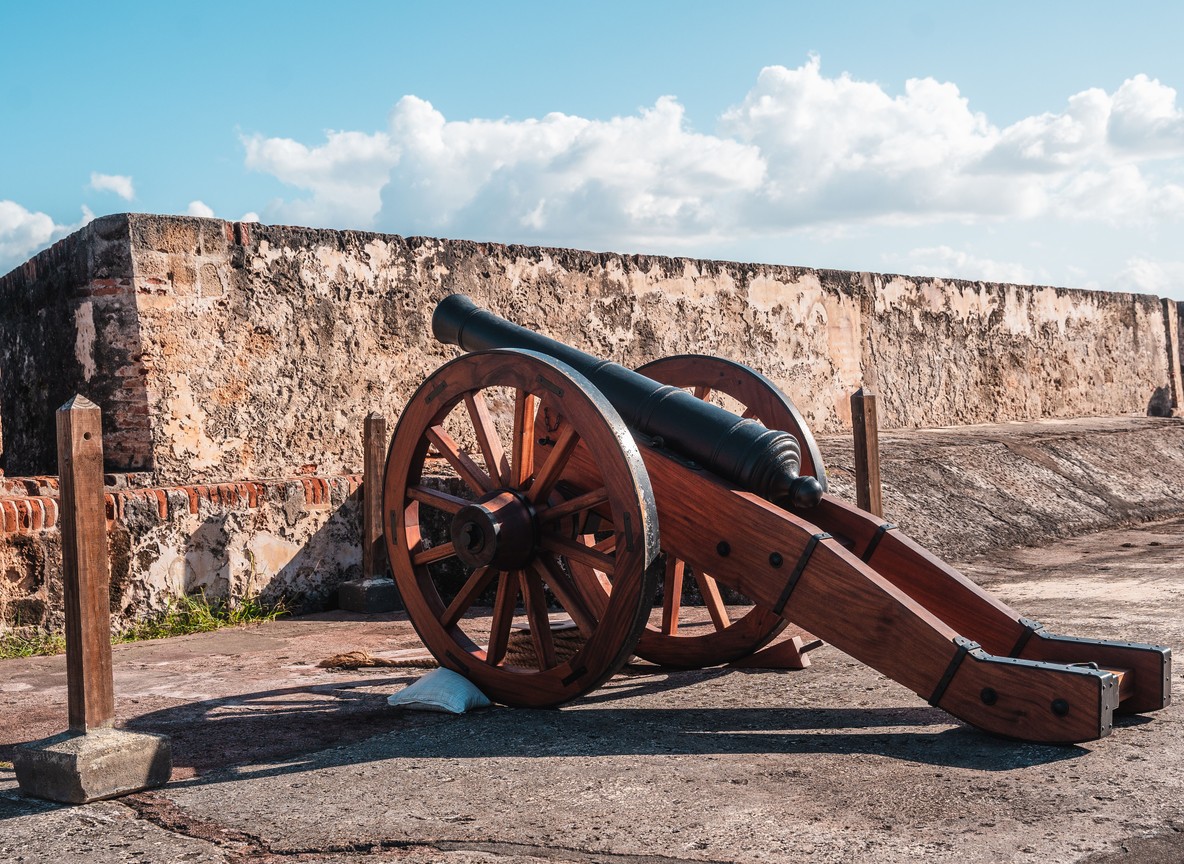
Here is what a heritage-focused leg actually involves, in distances and fees rather than vague description.
| Site | Location | Distance/time from Mombasa or Nairobi | Indicative entry fee (non-resident, USD) |
|---|---|---|---|
| Fort Jesus | Mombasa Old Town | In Mombasa | $10-12 |
| Shimoni Slave Caves | Shimoni, Kwale County | ~75 km / 1.5-2 hrs from Mombasa | $5-10, local guide fee separate |
| Lamu Old Town | Lamu Island | ~1 hr flight from Nairobi via Manda Airstrip | Museum entries $5-10 each |
| Nairobi National Museum | Nairobi | In Nairobi | $10-12 |
| Olorgesailie Prehistoric Site | Nairobi-Magadi road | ~67 km / 1.5 hrs from Nairobi | $10-15 |
Confirm current fees with each site before travel, since museum and heritage-site pricing changes more often than park fees do.
Building the Heritage Leg Into a Safari Itinerary
A heritage-only trip skips Kenya’s other major draw. Most travelers regret leaving it out. The country’s wildlife circuit runs on its own well-established set of distances and fees. It stacks reasonably well onto a coastal or Nairobi-based heritage leg.
A common structure works in three blocks. Spend two to three days in Nairobi and the Rift Valley, covering the museum, Olorgesailie, and a short Rift Valley overlook stop. Fly to the coast next for Mombasa, Shimoni, and Lamu over three to four days. Finish with a flight back inland for a four to five day Maasai Mara or Amboseli safari before departure. That pattern uses Kenya’s domestic flight network instead of long road transfers, which matters once a trip covers this much ground.
| Leg | Approx. duration | Key transport |
|---|---|---|
| Nairobi and Rift Valley heritage | 2-3 days | Road, self-drive or private transfer |
| Coastal heritage (Mombasa, Shimoni, Lamu) | 3-4 days | Domestic flight Nairobi-Mombasa (~1 hr), road/boat to Shimoni, flight to Lamu |
| Wildlife safari (Maasai Mara or Amboseli) | 4-5 days | Domestic flight, roughly 45 min-1 hr from Nairobi |
Talking to Family Members Before You Go
A DNA result rarely lands the same way for every relative who takes the test. Some family members treat a modest East African percentage as confirmation of a long-held family story. Others see the same number and feel it changes nothing. Neither reaction is wrong. It helps to talk through expectations before a group books flights together.
Several relatives traveling on one trip need extra logistics planning. Our guide to planning a multi-generation family reunion safari covers how to structure that, especially when everyone has a different reason for coming.
What Homecoming Programs Add (and Don’t)
Kenya runs a small number of structured diaspora programs. These combine heritage stops with investment seminars and cultural events, separate from anything a DNA test result points you toward. They are commercial or government-linked products, not confirmation of ancestry, and they carry program fees on top of flights and lodging. Read the fine print before assuming a program covers the coastal heritage sites listed above.
Explorer Notes
A few things a standard itinerary won’t tell you. Shimoni’s caves run damp and low-ceilinged in sections, so wear closed shoes and skip the site if you are claustrophobic. Local guides there are community-trained and worth tipping directly, since the site has no formal ticket booth. At the Nairobi National Museum, ask for the Cradle of Humankind wing by name. The Turkana Boy display sits in a smaller side gallery that rushed tours often skip. Lamu has no cars on the main island, so plan footwear and luggage for a donkey-cart or handcart transfer from the jetty. If your DNA report names a specific present-day ethnic group, a local cultural guide or university researcher can sometimes point you toward that community’s present-day region in Kenya. Treat that lead as a conversation starter, though, not a verified reunion.
Frequently Asked Questions
Can a DNA test tell me exactly which part of Kenya my family came from? Rarely. Mainstream tests report broad regional estimates. Only specialty services like African Ancestry attempt a country or ethnic-group match. Even that reflects a comparison against a reference database, not a documented family record.
Is Kenya a common ancestry result for African Americans? Less common than West or Central African results, since Kenya was not a major transatlantic slave trade departure point. Some testers still see an East African or Bantu-linked percentage.
What is the best way to combine ancestry travel with a wildlife safari in Kenya? Structure the trip in legs. Cover Nairobi and Rift Valley heritage sites first, then a coastal leg through Mombasa, Shimoni, and Lamu. Finish with a dedicated safari leg to the Maasai Mara or Amboseli, using a domestic flight rather than a long road transfer.
Are Kenya’s diaspora homecoming programs connected to DNA results? No. They are separate commercial or government-linked programs built around cultural events and investment seminars, not genetic ancestry matching.
How many days should I budget for a heritage-plus-safari trip? Most travelers need nine to twelve days to cover a Nairobi/Rift Valley leg, a coastal heritage leg, and a four to five day safari without rushing transfers.
What to Read Next
- Bringing extended family along? See our guide to planning a multi-generation family reunion safari.
- Considering a structured program instead of a self-planned trip? Read our Journey Back to Eden program review.
- Want to time your trip around a specific event? Check our Kenya diaspora homecoming events calendar.
A DNA report is a starting point, not a finished itinerary. Once you know what your results actually show, a partner operator can help route the heritage stops and safari days into one workable trip. Visit our Tour Packages page to compare heritage-and-safari routes before you lock in flights.