Kenya’s government signed a Ksh154.2 billion contract, about $1.2 billion, on June 23, 2026, to rebuild Jomo Kenyatta International Airport. The winning bidder, China Road and Bridge Corporation, will add a new terminal, rework the airfield, and nearly triple how many passengers JKIA can handle each year. For most people that is background news. For anyone flying into Nairobi to start a safari, it changes the arrival experience for the next several years and improves it after that. Touring Insights breaks down what is actually being built, when it lands, and what safari travelers should plan around in the meantime.
What the JKIA Modernisation Deal Actually Covers
The contract is a design-and-build agreement, meaning CRBC both designs the new infrastructure and constructs it, with Dar Al-Handasah appointed as the independent engineering consultant overseeing the work. Three separate construction packages make up the project: a new passenger terminal, renovation of the existing terminal buildings, and rehabilitation of the airfield itself, including runway and taxiway surfaces.
Kenya’s Cabinet Secretary for Roads and Transport has said the full project should wrap within roughly three years of signing, putting a realistic completion target around 2029. That is a long runway, and each of the three packages carries its own construction window plus a 24-month defects notification period once building work finishes.
The Numbers Behind the $1.2 Billion Contract
| Detail | Figure |
|---|---|
| Contract value | Ksh154.2 billion (approx. $1.2 billion) |
| Contractor | China Road and Bridge Corporation (CRBC) |
| Supervising consultant | Dar Al-Handasah |
| Contract signed | June 23, 2026 |
| Current JKIA capacity | 7.5 million passengers/year |
| Target capacity after upgrade | approx. 20-22 million passengers/year |
| New terminal capacity | 10 million passengers/year |
| New terminal construction | approx. 36 months + 24-month defects period |
| Airfield rehabilitation | approx. 15 months + 24-month defects period |
| Existing terminal renovation | approx. 18 months + 24-month defects period |
JKIA was built to handle a fraction of the traffic it carries today. The 7.5 million passenger figure is the airport’s current practical ceiling, and Nairobi has been running near or above it for several years, which is part of why immigration lines and baggage waits have grown longer even before this project starts moving earth.
Why This Matters If You’re Flying In for a Safari
JKIA is the arrival point for nearly every international safari traveler heading to Kenya, whether the final destination is the Maasai Mara, Amboseli, or a Laikipia conservancy. Most of these travelers do not stay at JKIA. They clear immigration, collect luggage, and transfer onward, either by road into Nairobi or by a second flight from Wilson Airport into the bush.
A capacity upgrade this large means shorter-term pain and longer-term gain. Over the next three to four years, expect active construction zones, occasional gate or terminal reassignments, and the kind of congestion that comes with any major airport rebuilding itself while staying open. Once phases complete, arriving travelers should see faster immigration processing, more aircraft stands, and less of the queuing that has become normal at JKIA’s international arrivals hall.
Frequent visitors, including travelers planning a long-anticipated trip of a lifetime, are the ones most likely to notice the difference. A rebuilt arrivals process with more capacity means less standing around at exactly the point in the trip when energy and patience are already lowest after a long-haul flight.
What to Expect During Construction
Airport modernisation projects rarely run invisibly. Based on how similar hub rebuilds have gone elsewhere, safari travelers passing through JKIA between now and roughly 2029 should plan for:
- Longer walks between some gates as construction zones shift around the terminal.
- Possible temporary changes to which terminal handles international arrivals or departures.
- Extra buffer time for immigration and customs during peak inbound hours, especially July-to-October and December-to-January high season.
- Signage and process changes that may differ from what a travel guide printed a year earlier describes.
None of this should threaten a safari start date on its own. The practical fix is the same one experienced safari travelers already use: build a minimum two-to-three-hour buffer between an international arrival and any onward flight, whether that onward flight is a domestic connection or a transfer to Wilson Airport.
JKIA to Wilson Airport: The Real Safari Connection
Most bush flights to safari camps do not depart from JKIA. They leave from Wilson Airport, Nairobi’s dedicated light-aircraft hub, roughly 18 km away by road. Drive time between the two airports normally runs 30 to 45 minutes, though Nairobi traffic can stretch that considerably during rush hour, and construction-related lane closures around JKIA could add further unpredictability during the upgrade.
Travelers connecting same-day from an international arrival to a Wilson Airport bush flight should treat that transfer as the tightest part of the whole journey, not an afterthought. Airlines like Safarilink and AirKenya schedule Wilson departures with this connection in mind, but a delayed inbound flight or a slow immigration queue at JKIA can still cause a missed bush flight.
| Transfer leg | Distance | Typical time |
|---|---|---|
| JKIA to Wilson Airport by road | approx. 18 km | 30-45 min, longer in traffic |
| JKIA to Nairobi CBD hotels | approx. 15 km | 30-40 min, longer in traffic |
| Wilson Airport to Maasai Mara airstrips | approx. 240 km by air | 45 min flight |
| Wilson Airport to Amboseli airstrip | approx. 190 km by air | 30-40 min flight |
Timeline: When Safari Travelers Will See Changes
Nothing about this project changes an arrival experience overnight. The airfield rehabilitation package, at roughly 15 months of construction, is the fastest of the three and would be the first to show visible results if work starts promptly after signing. The new terminal is the long pole, at around 36 months of construction before its own defects period even begins.
Realistically, safari travelers booking trips through 2027 should plan around an airport that is actively under construction, not one that has already finished upgrading. Trips booked for 2029 and beyond stand a better chance of landing at a JKIA that looks and functions differently from today’s.
Explorer Notes
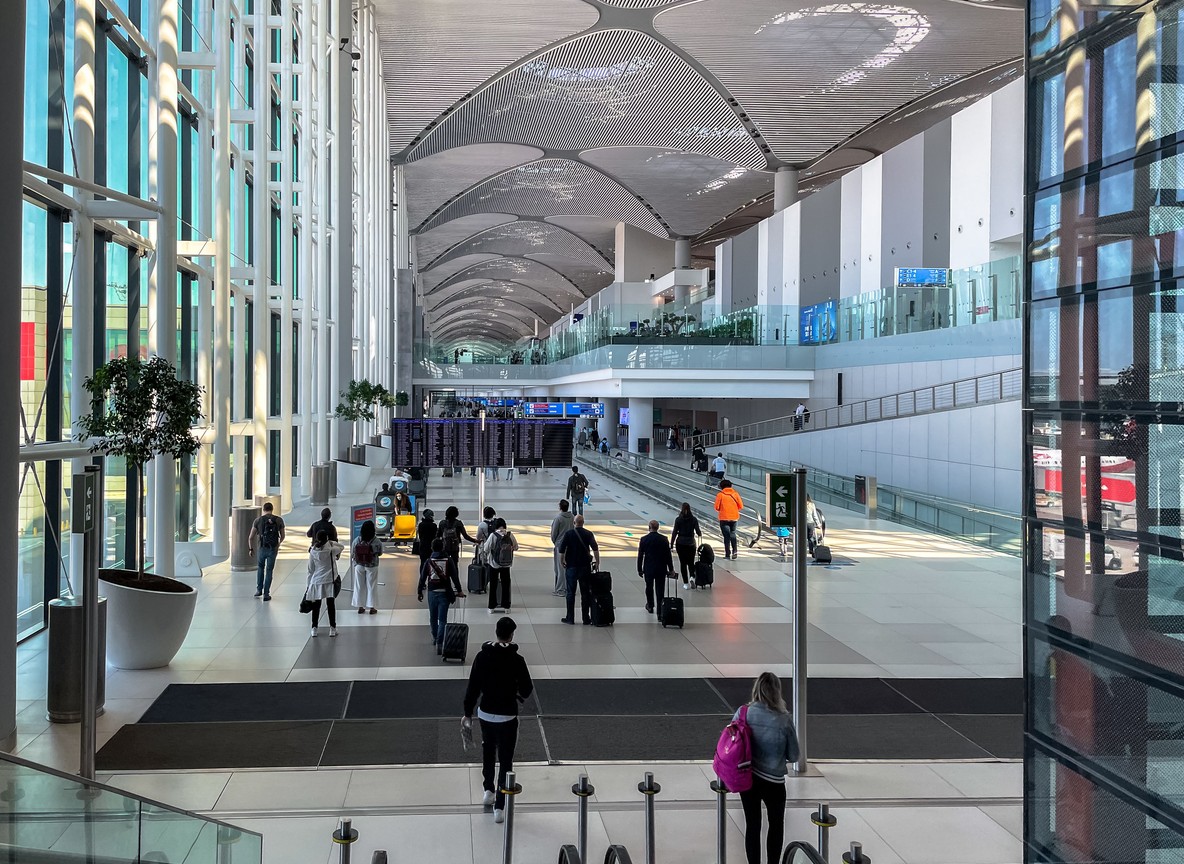
Guides who meet clients at JKIA regularly say the biggest avoidable mistake is cutting the connection to Wilson Airport too close. Build at least three hours between an international touchdown and a same-day bush flight, not the two hours many itineraries assume, since immigration alone can run 45 minutes to over an hour during a busy inbound bank of flights. If a trip’s first night is in Nairobi rather than straight to camp, that pressure disappears entirely, and it is often worth the one extra hotel night just to remove the risk. Keep a printed or offline copy of transfer instructions too. Construction zones can disrupt terminal WiFi and signage in ways that make relying purely on a phone a weaker plan than usual.
What to Read Next
- Deciding which Nairobi airport fits your route? See JKIA vs Wilson Airport for an Amboseli safari.
- Want the broader airport comparison? Read Wilson Airport vs JKIA for a Kenya safari.
- Weighing a shuttle against a private transfer in Nairobi? Check Nairobi shuttle vs private airport transfer.
FAQ
What is the JKIA upgrade project worth? The contract signed on June 23, 2026, is valued at Ksh154.2 billion, approximately $1.2 billion, awarded to China Road and Bridge Corporation.
Will construction at JKIA disrupt my safari trip? It could add delays or gate changes rather than cancel anything outright. Build extra buffer time between an international arrival and any onward domestic or bush flight through the construction period.
How much bigger will JKIA get? Current capacity sits at about 7.5 million passengers a year. The upgraded airport targets roughly 20 to 22 million, with the new terminal alone designed for 10 million passengers.
When will the JKIA upgrade be finished? Kenya’s Transport Cabinet Secretary has cited a rough three-year completion target from the June 2026 signing, putting full completion near 2029. Individual packages, like the airfield rehabilitation, may show progress sooner.
Do safari travelers need to connect from JKIA to Wilson Airport? Most bush flights to camps in the Mara, Amboseli, and Laikipia depart from Wilson Airport, about 18 km from JKIA by road, not from JKIA itself. Plan 30 to 45 minutes for that transfer, more in heavy traffic.
An airport rebuild this size will not change your arrival day tomorrow, but it is worth building into how you plan the next few years of Kenya trips. Visit our Tour Packages page to see itineraries built with realistic Nairobi transfer times, or ask a partner operator to confirm current flight connection windows before you book.