Most safari vehicles never leave the tracks. A walking safari with herders in Laikipia does the opposite. You cover ground on foot with a guide who also runs livestock on that same land, reading tracks, wind, and grazing patterns the way herding families have for generations. Touring Insights looks at how this works on the ground, which community conservancies host it, and what a trip like this actually costs to plan.
What a Walking Safari with Herders Actually Involves
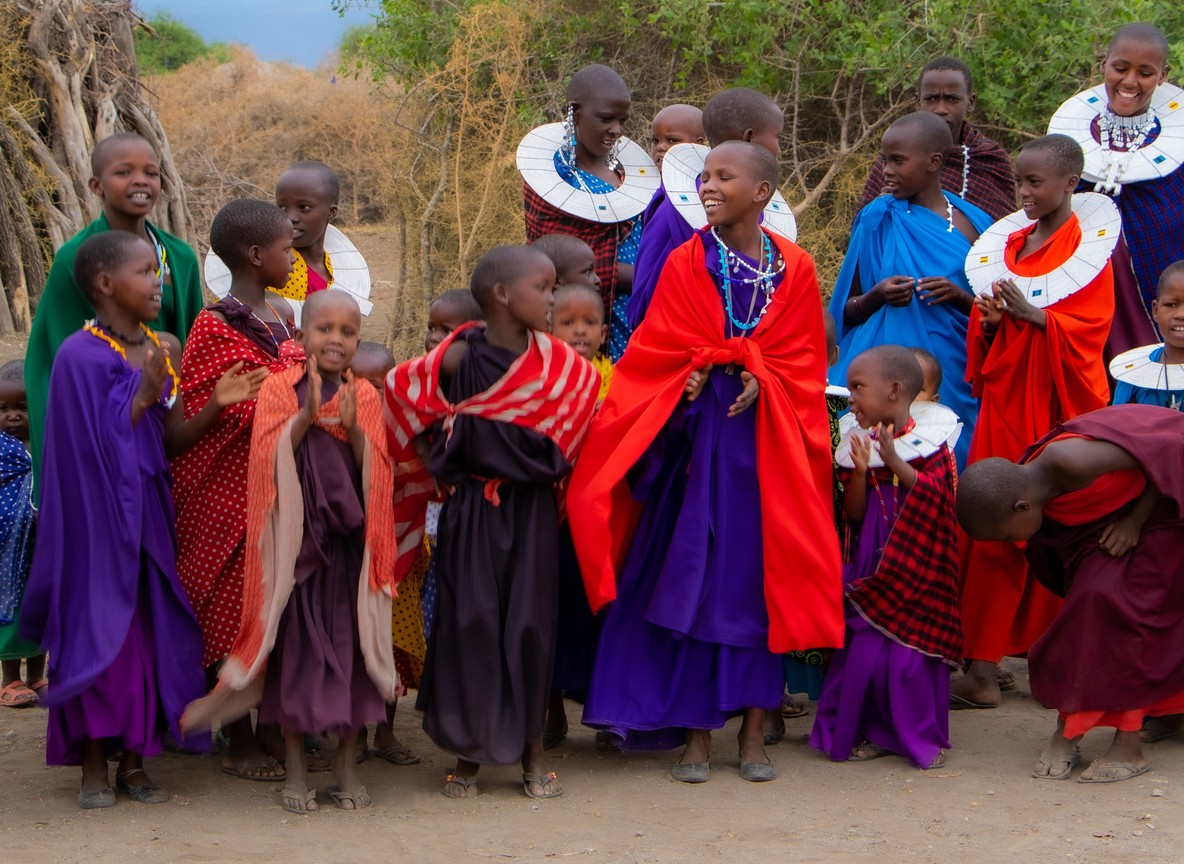
A herder-led walk is not a nature stroll with a rifle escort. It is built around people who run cattle, sheep, or camels on community land and know it at a level a vehicle-based guide rarely reaches. Laikipia’s conservancies sit on group ranches owned by Maasai and Samburu communities, so the guide walking beside you is often also grazing stock on the same hills the next morning.
Pace stays slow, usually 3 to 5 km in a few hours, with long stops to read spoor, check a termite mound, or watch a herd move to water. Groups stay small, typically 2 to 6 guests plus a lead guide and an armed scout where required by the conservancy. Morning walks start before 7am to beat the heat and catch animals still moving.
The Community Conservancies Behind These Walks
Laikipia’s roughly 9,500 km2 plateau sits north of Mount Kenya, and much of its wildlife lives outside any national park, on land owned and managed by local communities through group ranches and conservancies.
| Conservancy | Approx. size | Community / group ranch | Known for walking access |
|---|---|---|---|
| Il Ngwesi | 165 km2 (16,500 ha) | Mukogodo Group Ranch (Maasai) | First community-owned lodge in Kenya; guided bush walks from camp |
| Naibunga | approx. 61 km2 (15,000 acres) | Umbrella of Laikipia group ranches | Ol Gaboli women-run camp, walking access along the Ewaso Nyiro River |
| Lekurruki | approx. 155 km2 | Lekurruki Group Ranch (Maasai) | Sosian and Tassia-area walking routes, low visitor density |
| Loisaba | approx. 227 km2 (56,000 acres) | Private conservancy with community grazing agreements | Guided walks alongside Loisaba’s resident rangers |
Fees on these community conservancies typically run lower than the private conservancies bordering the Maasai Mara, since they support fewer beds and less built infrastructure. Expect a conservation or bed-night fee in the $20-40 per person range, camp-dependent, well below the $80-100 common in Mara North or Naboisho.
Walking Safari vs Vehicle Game Drive
| Factor | Walking safari with herders | Vehicle game drive |
|---|---|---|
| Typical pace | 1-1.5 km per hour, frequent stops | 15-25 km per hour, continuous |
| Wildlife encounter distance | Closer on small game and tracks, deliberately farther on dangerous game | Can approach large predators directly |
| Guide focus | Tracking, livestock-wildlife coexistence, plant and insect detail | Sightings, radio network, route knowledge |
| Group size | Usually 2-6 guests | Often 4-7 guests per vehicle |
| Physical demand | Moderate, 2-4 hours on foot | Low, seated throughout |
| Best for | Slow, hands-on learners wanting land-level detail | Guests prioritizing volume of sightings |
Neither format replaces the other. Most Laikipia camps combine a morning walk with an afternoon vehicle drive, so guests get both perspectives in the same stay.
Karisia Walking Safaris and the Camel-Supported Trek Model
Karisia Walking Safaris runs multi-day treks through the Laikipia and Karisia Hills region north of Nanyuki, using pack camels rather than vehicles to move camp between sites. Camels carry tents, food, and water, which lets the walking group cover remote terrain over 3 to 8 days without a road in sight. Karisia was named Best Safari Experience in Africa at the 2026 Safari Awards, ahead of operators in Botswana and Tanzania, largely on the strength of this no-vehicle model.
Days typically run 4 to 6 hours of walking, broken by a long midday rest when the sun is highest. Camp moves ahead by camel while the group walks unencumbered, then arrives to a full setup with a bucket shower and a cooked meal waiting.
Meeting the Herders: Livestock, Land, and Coexistence
Laikipia is unusual among Kenya’s wildlife areas because livestock and wild animals share the same rangeland rather than being separated by park boundaries. A herder guiding your walk is managing real grazing decisions, not performing a demonstration. Ask about rotational grazing and you will likely get a direct answer about which paddock rested last season and why.
This coexistence model is also the reason predator conflict management matters here. Conservancies employ community scouts to track lion and wild dog movements partly to protect livestock, which doubles as some of the best wildlife monitoring data in the region. A walking guide who is also a herder often knows exactly where a pride denned last week, because it affects where he can graze this week.
Where to Stay: Camps Built Into These Conservancies
| Camp | Conservancy | Known for | Walking safari offered |
|---|---|---|---|
| Il Ngwesi Lodge | Il Ngwesi | Community-owned, thatched bandas on a rock outcrop | Yes, guided bush walks with Maasai scouts |
| Ol Gaboli | Naibunga | All-female, all-Maasai-owned, Ewaso Nyiro River frontage | Yes, riverine walks with community guides |
| Tassia | Lekurruki | Small owner-run camp, hilltop views | Yes, multi-hour walking routes |
| Karisia mobile camps | Laikipia Hills, north of Nanyuki | Camel-supported, no fixed structure | Full trip is walking-based |
| Loisaba Star Beds | Loisaba | Open-air sleeping decks, ranger-led walks | Yes, morning walks with armed rangers |
Getting to Laikipia: Flights, Drives, and Timing
Nairobi to Nanyuki, the main gateway town, covers about 200 km by road via Nyeri and takes 3 to 4 hours depending on traffic through Thika. Scheduled flights from Nairobi’s Wilson Airport to Nanyuki Airstrip take roughly 45 minutes on Safarilink or AirKenya. From Nanyuki, the northern conservancies, including Il Ngwesi and Lekurruki, sit a further 2 to 3 hours by road, often on unpaved tracks that turn slow after rain.
| Route | Distance | Time |
|---|---|---|
| Nairobi to Nanyuki (road) | approx. 200 km | 3-4 hours |
| Nairobi (Wilson) to Nanyuki (air) | n/a | approx. 45 minutes |
| Nanyuki to Il Ngwesi / Lekurruki (road) | approx. 90-120 km | 2-3 hours |
| Nanyuki to Ol Gaboli, Naibunga (road) | approx. 75 km | 1.5-2 hours |
What It Costs
| Item | Indicative range |
|---|---|
| Community conservancy fee (per person, per night) | $20-40, conservancy-dependent |
| Single guided walk with herder-guide (half day) | often included in camp rate, or $20-30 add-on |
| Karisia multi-day camel-supported trek (per person, per day, full board) | $300-450, indicative, confirm current rates directly |
| Charter flight, Nairobi to Nanyuki (one way, per person) | $150-250, scheduled flights often cheaper |
| Road transfer, Nanyuki to northern conservancies | often arranged by camp, confirm inclusion |
Treat every figure here as a planning range. Rates shift by season and camp, so confirm current pricing with the specific property or a partner operator before booking.
Explorer Notes
Ask your guide to point out livestock brands or ear notches during the walk. Most herders can identify which family or group ranch owns a given animal at a glance, and that detail says more about how the land is actually managed than any brochure will. Bring closed walking shoes rather than sandals. Laikipia’s soil holds thorns from whistling acacia that go straight through thin soles. If a trek includes a night away from the main camp, pack a headlamp with spare batteries, since these fly camps run on solar power that dims by late evening. Walking pace slows dramatically in the heat of the day, so a guide who suggests a long midday rest is protecting the group, not padding the schedule.
Common Mistakes to Avoid
- Booking a walking safari expecting close predator encounters. Guides deliberately keep distance from lion, buffalo, and elephant on foot, unlike in a vehicle.
- Skipping a fitness check before booking a multi-day camel trek. Daily walks of 4 to 6 hours in heat need a reasonable baseline of stamina.
- Assuming every Laikipia camp includes a walking safari. Confirm it is part of the package, since some properties only offer vehicle drives.
- Traveling in April or November without checking road conditions. Heavy rain turns the unpaved tracks north of Nanyuki slow or impassable.
What to Read Next
- Curious how walking compares to a standard drive? Read our walking safari vs vehicle safari guide.
- Want the full conservancy-by-conservancy breakdown? See Laikipia Conservancies Compared.
- Interested in the camel-trek model specifically? Read about Karisia’s award-winning walking safaris.
FAQ
What is a walking safari with herders in Laikipia? It is a guided walk across community-owned conservancy land led by a guide who is often also a working herder, tracking wildlife on foot rather than from a vehicle.
Is a walking safari with herders safe? Yes, when run by an established conservancy or operator. Guides keep a deliberate distance from dangerous game and carry radios, and many walks include an armed scout as conservancy policy.
How fit do I need to be for a Laikipia walking safari? Single guided walks suit most reasonably active adults, covering 3 to 5 km over a few hours. Multi-day camel treks need a higher baseline of stamina for consecutive 4 to 6 hour walking days.
Which Laikipia conservancies offer herder-led walking safaris? Il Ngwesi, Naibunga, Lekurruki, and Loisaba all offer guided walks with community scouts or herders. Karisia Walking Safaris runs multi-day camel-supported treks across the wider Laikipia Hills region.
What is the best time of year for a walking safari in Laikipia? The dry months from June to October and January to February give firmer ground and clearer tracking conditions. April, May, and November bring heavier rain that can slow both walking routes and road access.
A walking safari with Laikipia herders is easiest to plan alongside a camp that already runs the format daily, rather than booking blind. Visit our Tour Packages page to compare community-conservancy stays, or ask a partner operator to confirm current walking-safari availability before you lock in dates.