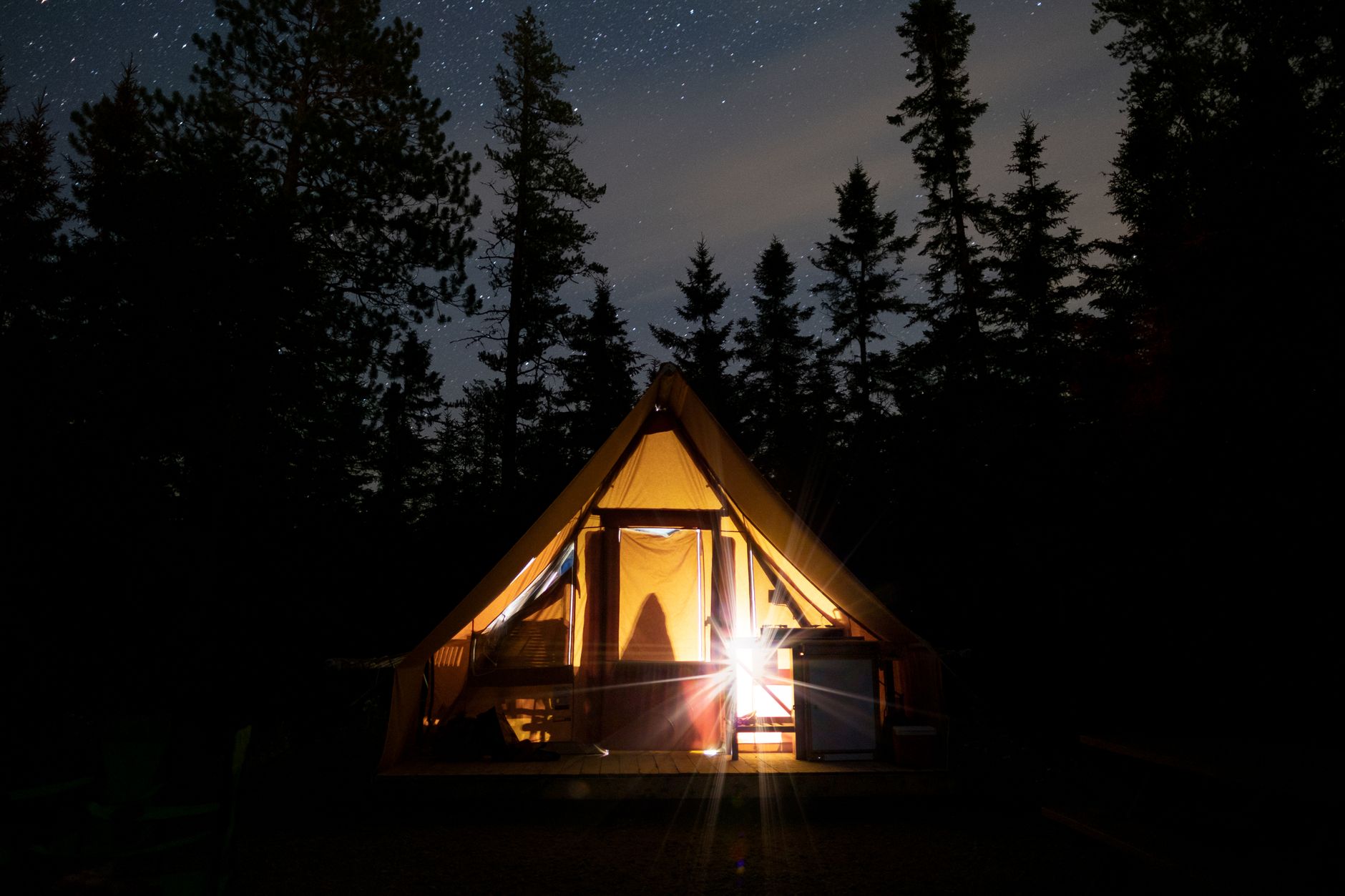
A tented camp in Kenya lets you sleep close to the wild. But when the lantern glow brings a moth to the mesh, many parents ask the same thing: what if my safari tent has insects? The short answer is that insects are normal in this environment. The better news is that a staffed camp is designed to handle them.
What if my safari tent has insects? Start with camp staff
Close the tent’s inner mesh and outer flap, move children away from the insect, and call camp staff rather than spraying or trapping it yourself. For a small harmless insect, use a tissue or soft brush to guide it toward an open exit; avoid swatting, which can stain or damage fabric.
Stay calm and keep the tent closed. If a child is upset, find a staff member who can show you how the mesh works and where the mosquito net sits. Most camps check tents before each stay, but a torn zipper or a gap under the door can appear at any time. Reporting it early lets the team fix it before dark.
Are safari tents safe from insects?
A properly maintained safari tent relies on zipped doors, fine-mesh windows and a bed mosquito net to create separate barriers. Keep every opening closed when entering, leaving or sleeping, and report torn mesh, faulty zippers or gaps to staff so they can repair or relocate you.
Tents are not sealed rooms, so a small gap can defeat the design. The mesh screening is the main barrier, so treat it with care. Show your children how to zip the doors after themselves. If the idea of sleeping outdoors feels new, our family tips for children on safari can help you prepare.
How do I keep mosquitoes out of my safari tent?
Sleep beneath the provided mosquito net, apply an appropriate repellent to exposed skin, wear lightweight long sleeves and trousers, and keep mesh doors closed. Families should follow their clinician’s malaria advice for Kenya; repellent and a net reduce exposure but do not replace prescribed prevention.
For children, choose a repellent approved for their age and reapply as directed. If your child has allergies, read our advice on carrying an EpiPen on safari before you leave home.
What food, light and tent habits attract insects?
Do not eat, keep rubbish or leave sweet drinks inside the tent, because food smells attract insects and other unwanted visitors. Turn off unnecessary interior lights, close the door promptly and let staff manage outdoor lighting, since bright lights can draw flying insects toward entrances.
Keep snacks in sealed containers and carry rubbish out in the morning. If you want to photograph at night, remember that light pulls insects. See our notes on using lights responsibly at night before you set up.
When are insects normal and when should I call camp staff?
A few moths, beetles, ants or geckos can be normal in an open natural setting, especially after rain or near vegetation. Call staff immediately for a large swarm, repeated bites, a wasp nest or a suspected tick. Also call for an unknown or venomous-looking creature, or anything near a child’s bed.
A gecko on the tent wall is usually harmless and may even be welcome. A snake, scorpion or large spider should never be handled by a guest. Move away calmly, keep children behind you, and do not try to catch, kill or photograph it at close range. Staff can identify it and remove it without harming the animal. If a child seems unwell after any bite, tell camp staff right away.
Should I spray insecticide inside my safari tent?
Usually not without asking camp staff, because products can irritate children, contaminate bedding or damage tent materials. Use the supplied mosquito net and insect repellent instead, then ask staff to identify and treat a persistent problem with an approved product. Never use a household spray in a confined tent, and never spray near food, pillows or a child’s face.
Many camps have steps they prefer to use, from net checks to targeted treatment. If you need to buy supplies before you travel, the Kenya safari packing list includes child-safe options to consider.
How do insects vary by Kenya safari season and location?
Insects usually become more noticeable after rain and around damp ground, pools, rivers and dense vegetation, while dry, breezy areas often feel easier. Riverine Samburu camps, wet-season Masai Mara grassland and water-adjacent Tsavo or Amboseli sites can each have different insect activity, so ask staff about local conditions.
Ask at check-in what insects are active during your stay. That small conversation tells you what to expect and shows the camp team that you are paying attention. If you are still choosing reserves, the Masai Mara guide and Samburu safari guide describe those landscapes in more detail.
A tented safari asks families to accept a little wildness in exchange for falling asleep inside the landscape. Once you know which insects matter and which do not, the question “what if my safari tent has insects” fades into the background. The nightly gecko patrol becomes part of the routine, and the bigger question is what you will hear when the lions start calling.
More safari planning resources
- Kenya family safari from SafariPure
- Samburu National Reserve guide from Trunktrails Safaris
- Map of Samburu from Valley Safaris
- Family safari collection on FindMySafari