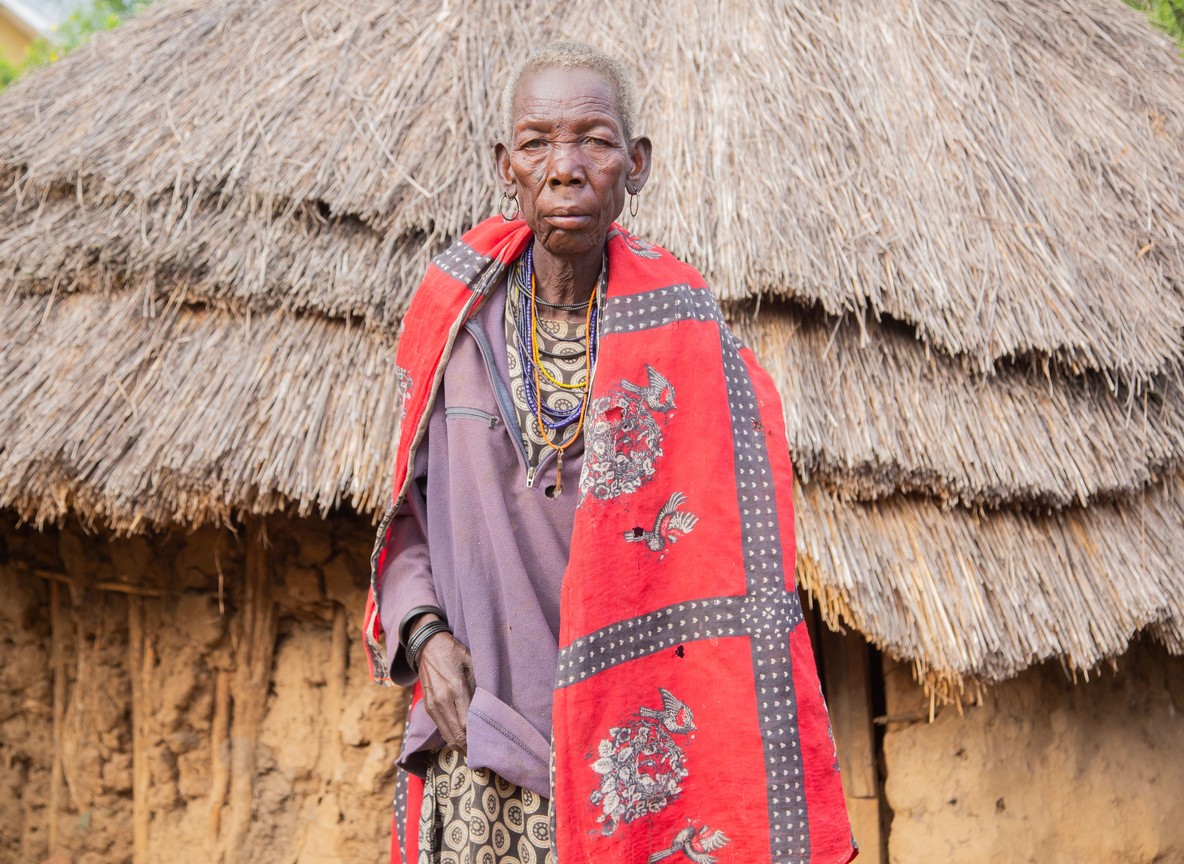
A Maasai village stop can be the most memorable hour of a Kenya safari, or the most uncomfortable one. The difference usually comes down to who owns the visit and where the money goes. Some stops are staged roadside performances run by a middleman who keeps most of the fee. Others are community-run enterprises where the manyatta sets its own price and decides how to spend it. Touring Insights put together this guide so travelers can tell the two apart before they book, not after they feel used.
Why “Cultural Tourism” Gets a Bad Name
Cultural visits earned a poor reputation because of a specific pattern. A driver-guide stops at a roadside village, families perform a jumping dance for a fixed fee, and a large share of that fee goes to the tour operator or a broker. The homestead itself often sees very little. Visitors leave feeling they paid to watch people perform poverty. The families involved often feel the same way, minus the choice to opt out.
This pattern is not universal, though. Kenya has a growing number of community-owned cultural centers and conservancy-linked villages. These set their own terms, train their own guides, and reinvest visit income into school fees, water projects, or grazing management. The problem is not Maasai cultural tourism itself. It is the unregulated, middleman-heavy version of it that gives the whole practice a bad name.
What an Ethical Visit Actually Looks Like
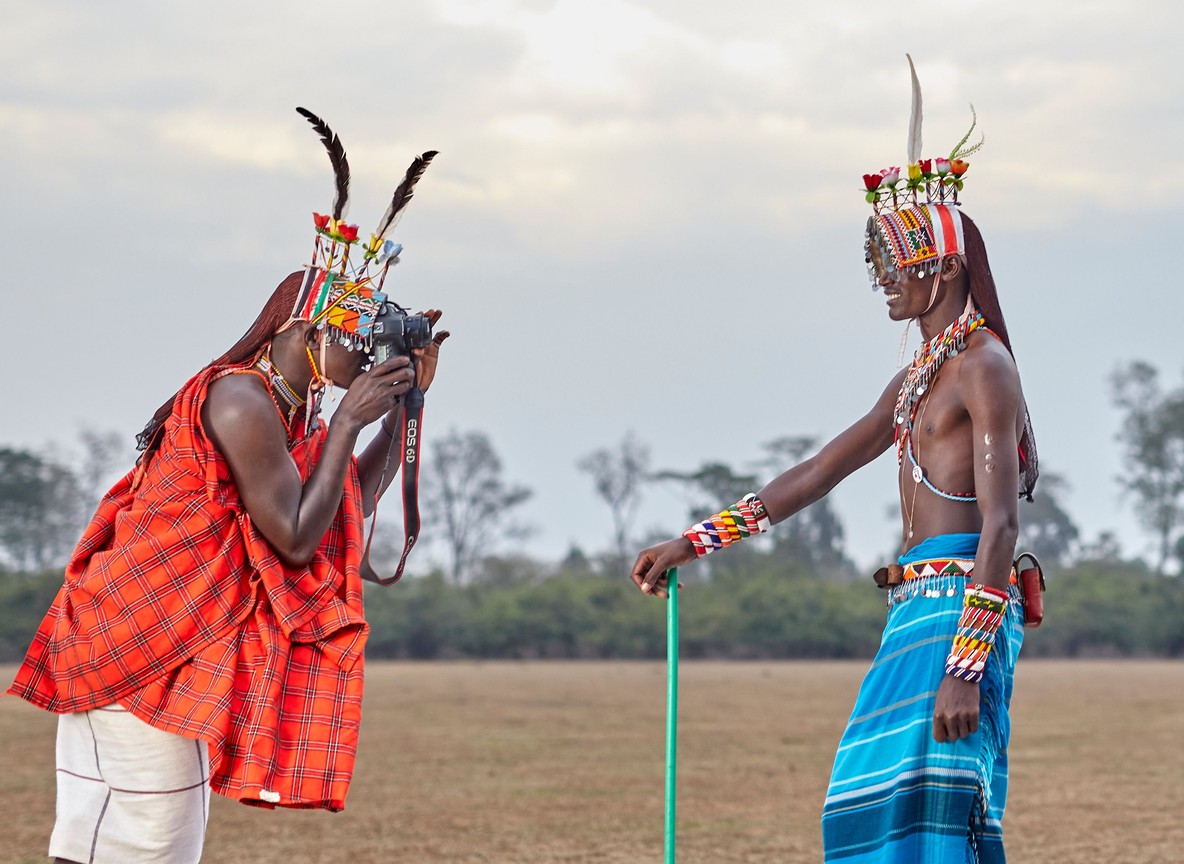
A genuinely community-led visit usually has a few shared traits. The village or a village-run cooperative sets the entry fee directly, not a tour company. Guides are village members, not outside staff hired to narrate a script. Photography rules are explained and enforced, usually with a “ask before you shoot” standard rather than a blanket ban or a free-for-all. And the visit includes real explanation, not just a performance: how a manyatta is built, how cattle wealth works, how the community relates to the nearby conservancy or reserve.
Money matters most. Ask directly what percentage of the entry fee reaches the homestead versus a booking agent or safari company. A transparent operator will answer this without hesitation. One that deflects the question is a signal to look elsewhere.
Staged Stop vs Community-Owned Visit: How They Compare
| Factor | Staged roadside stop | Community-owned village visit |
|---|---|---|
| Who sets the fee | Tour operator or broker | The village or cooperative itself |
| Who keeps the fee | Mostly the operator/broker | Mostly the homestead and community fund |
| Guide | Hired outside staff, scripted | Village member, personal narration |
| Photography | Often free-for-all or blanket “no photos, pay extra” | Clear consent-based rules explained upfront |
| Booking method | Added automatically to a game-drive itinerary | Booked deliberately, often through a conservancy or lodge |
| Typical visit fee (indicative) | USD 10-20 per person | USD 15-30 per person, sometimes conservancy-bundled |
Treat this table as a pattern to check against, not a rulebook. Ask questions on the ground even when a visit looks community-run on paper.
Where to Find Community-Led Visits Near the Maasai Mara
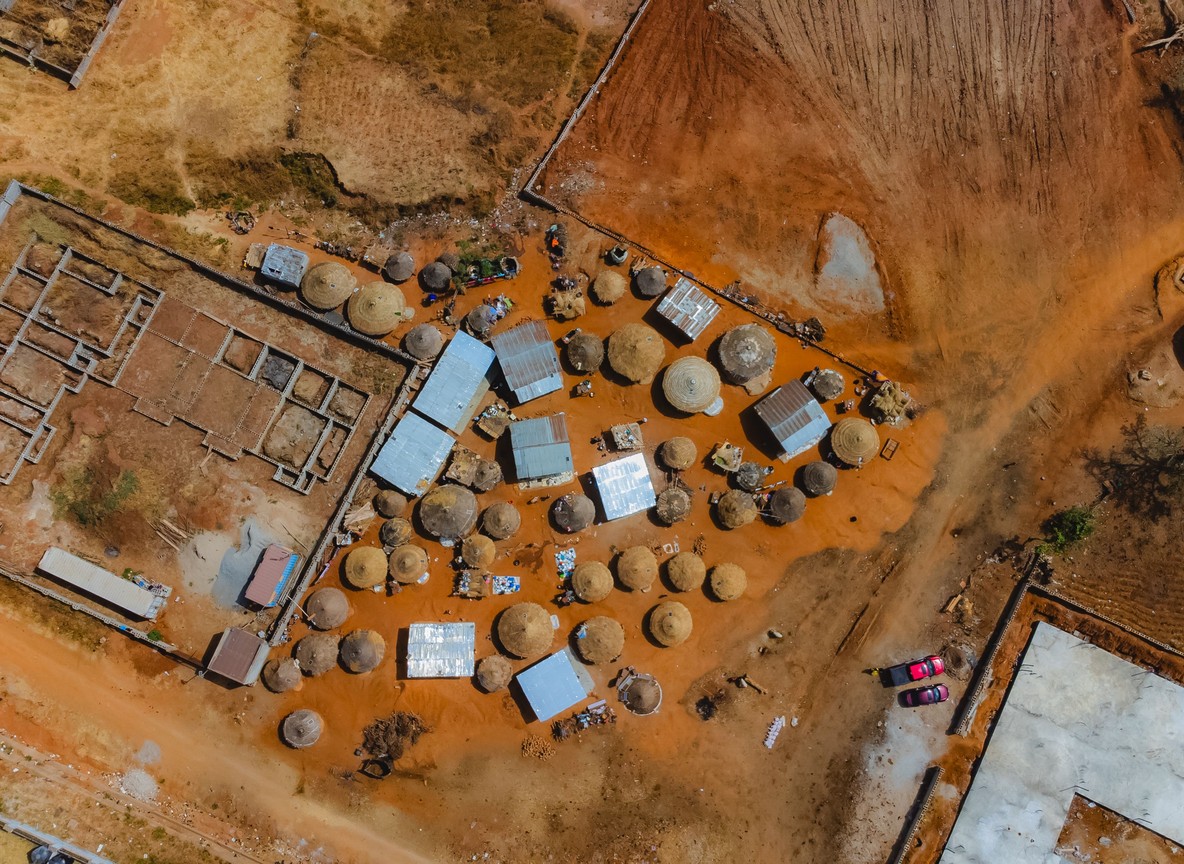
Several conservancies bordering the Maasai Mara National Reserve link cultural visits directly to community land ownership, since the conservancy model already pays landowning families a monthly lease. Naboisho Conservancy and Mara North Conservancy both work with specific manyattas that host guests through the conservancy office rather than an independent broker. Olare Motorogi Conservancy runs similar arrangements with member villages near its boundary.
Villages near Talek town and along the road to Sekenani Gate see the heaviest roadside-stop traffic, since every self-drive and budget safari vehicle passes through. This does not make every Talek-area visit exploitative, but it is the zone where asking direct questions about fee ownership matters most.
Il Ngwesi Group Ranch in Laikipia, roughly 220 km north of Nairobi and a separate ecosystem from the Mara, is a useful reference point for what full community ownership looks like. The group ranch owns and runs its own lodge and cultural program, with all proceeds returned to the Group Ranch trust covering around 8,600 hectares. It shows the model at its most complete. No outside operator sits between the visitor and the community.
Coast-based travelers see a smaller version of the same split. Villages near Diani and the Shimba Hills sometimes market “Maasai cultural bomas” to beach tourists, even though the Maasai homeland sits hundreds of kilometers inland. Some of these are staffed by Maasai families who relocated for work and run the boma as a genuine small business. Others are built purely as a roadside photo stop with no lasting community link. Ask where the family is originally from and how long the boma has operated before assuming either way.
Facts and Figures: Planning an Ethical Village Stop
| Item | Indicative figure |
|---|---|
| Drive time, Nairobi to Talek area (Maasai Mara) | approx. 5-6 hrs |
| Road distance, Nairobi to Talek | approx. 270 km |
| Flight, Wilson Airport to Ol Kiombo or Musiara airstrip | approx. 45 min |
| Typical village visit fee, roadside stop | USD 10-20 per person, indicative |
| Typical village visit fee, conservancy-linked visit | USD 15-30 per person, indicative |
| Maasai Mara National Reserve size | approx. 1,510 km2 |
| Naboisho Conservancy size | approx. 200 km2 |
| Il Ngwesi Group Ranch land area | approx. 8,600 hectares (86 km2) |
| Recommended visit length | 45-75 minutes |
Fees shift by village, season, and group size, so treat these as planning ranges rather than fixed prices. Confirm the current fee and where it goes directly with the conservancy office or camp before the visit.
Questions to Ask Before You Book
Ask a guide or camp these questions before adding a village stop to an itinerary. Where does the entry fee go, and what share reaches the homestead directly? Does the fee include photography, or does that cost extra per photo? Is the visit optional, rather than packaged into every game drive whether guests want it or not? Can the camp name the specific village or manyatta, rather than describing it generically as “a local village”? A camp or guide who answers all four without hesitation has likely vetted the visit already. One that dodges the money question, in particular, is worth skipping.
Explorer Notes
Bring small denominations of Kenyan shillings if buying beadwork directly from a homestead. Village visits rarely have card payment, and a large note forces awkward change-making that eats into the family’s actual profit. Skip candy and pens as gifts for children; camps and conservancy staff increasingly discourage this because it normalizes begging behavior toward tourist vehicles. If a school fund or water project is mentioned during the visit, ask for a name and a way to verify it later rather than handing over cash on the spot. Genuine community programs are used to that question and answer it easily. A guide who visibly knows people by name inside the manyatta, not just the address, is one of the clearest signs of a real community relationship rather than a transactional one.
FAQ
Is it disrespectful to visit a Maasai village on safari? Not inherently. It becomes a problem when the visit is staged without community control over pricing or terms. A visit set up and led by the community itself is generally welcomed as a source of income and a chance to share culture on their terms.
How much should a Maasai village visit cost? Fees typically run USD 10-30 per person depending on location and whether a conservancy manages the arrangement. Ask what share the homestead actually keeps rather than judging by price alone.
Can I take photos during a village visit? Usually yes, but ask first every time, including for children. Most community-run visits explain their photography rules at the start; treat a lack of any rules as a red flag rather than a green light.
Should I buy beadwork or crafts during the visit? Buying directly from the maker inside the village puts money straight into their hands. It is one of the more reliable ways to support the household beyond the entry fee itself.
Is a village visit worth including if I only have a few days in the Mara? It is worth one stop if the visit is community-led and roughly an hour long. Skip it if the only option offered is a generic roadside stop bundled automatically into a game drive with no explanation of where the fee goes.
What to Read Next
- Compare Mara North Conservancy and Naboisho Conservancy for community-linked stays
- See how conservancy lease payments actually reach Maasai landowning families
- Read a guide to packing and etiquette for a first Kenya safari
Choosing where a village visit fee goes takes five minutes of questions and changes who actually benefits from the stop. Browse Touring Insights’ Tour Packages page for partners who work with named, community-run villages near the Maasai Mara, and ask directly about their cultural visit arrangements before booking.
Further reading
- Maasai Mara Wildlife Conservancies Association
- African Wildlife Foundation
- Magical Kenya (Kenya Tourism Board)
More safari planning resources
- Kenya tour packages from Valley Safaris
- Maasai Mara National Reserve guide on Touring Insights
- Compare Kenya safari packages on FindMySafari
- Nairobi to Maasai Mara route guide from Valley Safaris
Related guides: Visiting the Pokot: What a Cultural Safari Experience Actually Involves.