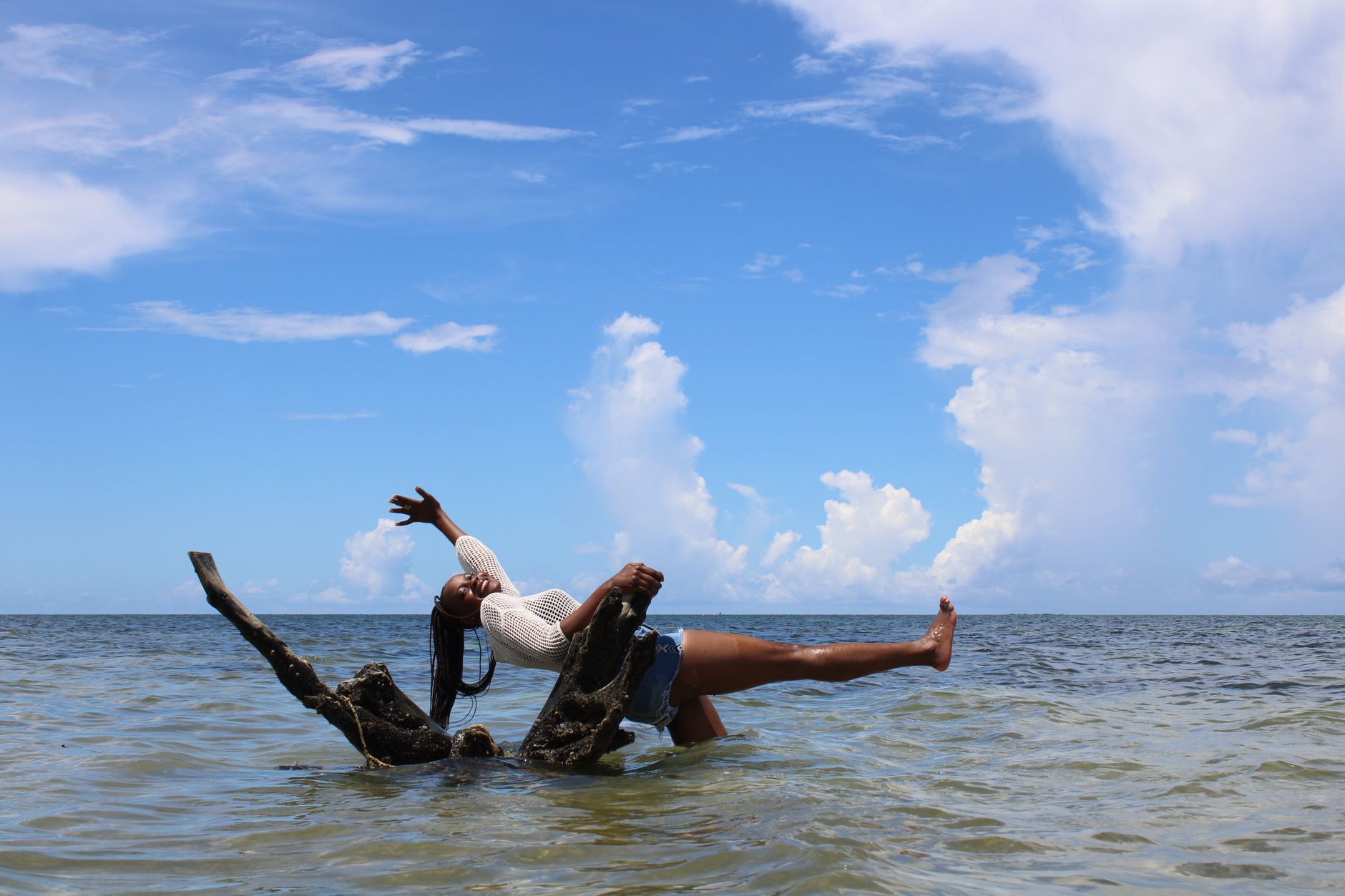
Travelers often type this exact question: Diani Beach can I swim after rain? The honest answer is: it depends. Diani Beach is generally safe for swimming because an offshore reef shelters a wide lagoon. But rain changes the risk. A light shower is not the same as a heavy rainstorm, and the water in April is not the same as the water in January. For a quick overview of the coast, start with our Diani Beach guide.
Diani Beach Can I Swim After Rain? The Short Answer
Usually, yes: a brief light shower does not automatically make Diani Beach unsafe for swimming. Wait until any thunder has passed, check that the sea is calm and the water is clear, and enter only where local staff or lifeguards indicate. Diani’s offshore reef often shelters the lagoon, although tides still determine usable swimming depth.
That short answer only works if you watch the conditions. A shower that passes quickly is different from rain that continues for hours. Do not treat every rainfall the same. Look at the sky, the water, and the beach runoff before you decide.
When Should You Avoid Swimming After Heavy Rain?
Avoid the sea after heavy or prolonged rain if water is flowing from the beach, roads, drains, or inland areas into the ocean. Also stay out if waves and currents have increased. Heavy rain can reduce visibility, carry contaminants, and coincide with storm conditions. Wait for clearer water and calmer seas rather than relying on a fixed rule alone.
Look for these warning signs: brown or cloudy water near the shore, a visible stream cutting across the sand, floating debris, a sideways pull in the current, or waves that are suddenly bigger. If you see any of them, stay out. Diani Beach water conditions can change quickly.
How Long Should You Wait After Rain Before Swimming?
After a short tropical shower, swimming may be reasonable once the rain and any thunderstorm have ended and conditions look normal. After heavy rain, wait until runoff has stopped, the water is clear, and local beach staff confirm safe conditions. A conservative 24-hour pause is sensible when drainage or pollution is a concern. Conditions matter more than the clock.
Do not let the timeline override what you see. If the water is still cloudy or a stream is still flowing into the sea, wait longer. Ask hotel staff or local lifeguards. They know where runoff collects and which sections are calmest.
How Do Lightning and Thunderstorms Affect Beach Swimming?
Do not swim during lightning, thunder, or an approaching storm, even if the sea appears calm. Leave the water and beach, shelter in a substantial building or enclosed vehicle, and wait at least 30 minutes after the last thunder before returning. Rain can pass quickly at Diani, but lightning remains the decisive reason to postpone swimming.
The open beach is not a safe place during a storm. If you are on safari later and need more detail, see what to do during lightning in Kenya. The rule is the same everywhere: get inside and stay there until the storm has passed.
How Do Tides, Currents, and Waves Change After Rain?
Rain does not determine swimming depth as much as Diani’s large tidal range, while storms can make waves and currents less predictable. Check the tide before entering, avoid swimming far from shore or beyond the reef, and never swim through visibly moving runoff. At low tide, parts of the lagoon may be too shallow even when the water is calm.
Diani Beach tides matter more than many visitors expect. At high tide the water reaches the beach. At low tide you may walk far out over sand. That is not dangerous by itself, but it changes where you can swim. After rain, runoff can hide where the current is moving. Watch the water before you wade in.
When Is the Best Time to Swim at Diani Beach?
The most reliable swimming conditions generally occur from December to March and June to October, when weather is drier and seas are often calmer. April and May bring the long rains, rougher conditions and possible seaweed, while November’s short rains can still produce brief showers. Water remains warm year-round, but visibility and sea state vary by season.
The Diani Beach rainy season is not a reason to cancel a trip. Many visitors swim in November between showers. April and May are less predictable, and the water may look different from the postcard version. If you are mixing the coast with a safari, check Kenya’s dry-season travel conditions before you set your dates. Rain at the coast can also affect flights, so see whether rain cancels flights in Kenya before you plan a tight connection.
Think of rain at Diani as a weather check, not a ban. The same skill of reading the sky and the sea will help you in other parts of Kenya. If you are planning a wider trip, it is worth reading about planning a private Kenya trip so your safari and beach days fit together.
Rain at Diani is rarely the whole story. The real skill is reading the sky, the sea, and the tide chart together, and that habit will serve you well on any coast or bush day in Kenya.
More safari planning resources
- Bush and beach safari from SafariPure
- Diani Beach guide from Trunktrails Safaris
- Best time to visit Kenya month-by-month map from Valley Safaris
- Diani Beach guide on FindMySafari