A corporate incentive safari is not the same trip as a standard company retreat. Retreats bring the whole team. Incentive trips reward a smaller group who hit a specific sales or performance target. That difference changes almost every planning decision. It changes group size, camp choice, timing and how the reward gets communicated to the wider sales floor. Touring Insights looked at how these programs are actually structured in Kenya. It traced the qualifying tiers down to what a winner’s trip costs per head.
What Makes a Safari Work as an Incentive Reward
An incentive trip has to feel earned, not generic. That means the destination needs a story a sales director can put in an email. Think a named conservancy, a specific camp, a wildlife experience that a hotel loyalty point can’t buy. Kenya works well for this because the reward can scale. A qualifying tier might win a Naivasha weekend. The top tier wins a private conservancy camp buyout in the Masai Mara. Both are real and photographable. Together they give the incentive program something to talk about internally before anyone has even traveled.
Photos and video from the trip also do double duty. Last year’s winners on a real Mara airstrip make a stronger case than a stock brochure image. A sales floor that sees those photos believes the next qualifying period is worth chasing. That is why companies pick named camps and conservancies, not a vague “African safari” line on a rewards catalogue.
How Incentive Safari Rewards Programs Are Structured
Most programs run on two to three tiers tied to a sales period, usually a quarter or a full year. A typical structure looks like this: Tier 1 (top 5-10% of performers) wins a multi-night Masai Mara trip with flights included. Tier 2 (next 15-20%) wins a shorter Naivasha or Amboseli trip. Tier 3, if it exists, might be a day safari bolted onto an existing company event in Nairobi. The company sets the qualifying metric, the travel window, and a redemption deadline. Incentive trips that drag on for a year lose their motivational pull. A single points threshold works better than a complicated multi-metric scorecard. Winners need to see their standing at a glance.
Choosing Tiers: Single-Camp vs Multi-Park Itineraries
Smaller winner groups, generally under 15 people, can justify a multi-park itinerary. It might add Amboseli or Lake Nakuru to a Mara base. Larger winner groups usually stay at one location. Splitting 40 people across two parks multiplies vehicles, guides and flight transfers. A single-camp Mara program also lets a company negotiate one group rate instead of juggling several supplier invoices. If your pool includes a small executive tier and a larger broad-based tier, plan them as two separate itineraries. Do not force one group size to fit both budgets.
Group Size and Camp Buyouts for Incentive Winners
Exclusive-use camp buyouts are the single biggest lever in incentive safari design. A full buyout means no other guests share the camp. That matters for a program built around recognition and privacy, since winners often discuss sensitive sales numbers. Most Mara conservancy camps built for buyouts hold 12 to 24 guests across 6 to 12 tents. Above 24 winners, expect to book two adjoining camps or a larger lodge property instead. Few exclusive-use camps scale past that. Below 10 winners, a buyout often costs more per person than simply booking individual rooms at a shared-use lodge. It is worth pricing both ways before committing.
Partner spouses or guests add another wrinkle. Some incentive programs allow a plus-one. That choice roughly doubles headcount and can push a group past a camp’s buyout ceiling without anyone planning for it. Confirm early whether plus-ones count toward the buyout cap. Build that number into the camp search from the start rather than discovering the mismatch after a deposit is paid.
Naivasha vs Mara vs Amboseli: Matching the Reward Tier to the Location
| Location | Distance / Transfer from Nairobi | Non-Resident Entry Fee | Best Fit |
|---|---|---|---|
| Lake Naivasha | ~90 km road, 1.5-2 hrs | Private conservancy fees, not park-gated | Lower tiers, 1-2 night trips, easy logistics |
| Masai Mara National Reserve | ~270 km road (5-6 hrs) or ~45-min flight from Wilson Airport | $100/day (Jan-Jun), $200/day (Jul-Dec) | Flagship top-tier reward, multi-night |
| Mara private conservancies (e.g. Naboisho, Ol Kinyei) | Same flight, plus 20-30 min road transfer | $70-100/day indicative | Exclusive-use buyouts for smaller winner groups |
| Amboseli National Park | ~240 km road (4 hrs) or 30-40 min flight | $90/day | Second-park add-on, Kilimanjaro backdrop |
Naivasha suits a broad-based recognition tier for dozens of qualifiers, since the short road transfer keeps costs down. The Masai Mara is the tier companies use as the aspirational top prize. Flying winners in from Wilson Airport also avoids a long, tiring road transfer. That drive can undercut the “reward” feeling of the trip. Amboseli works well as an add-on leg for smaller, higher-spending tiers who have the extra day to spare.
Timing an Incentive Safari Around Kenya’s Peak Season
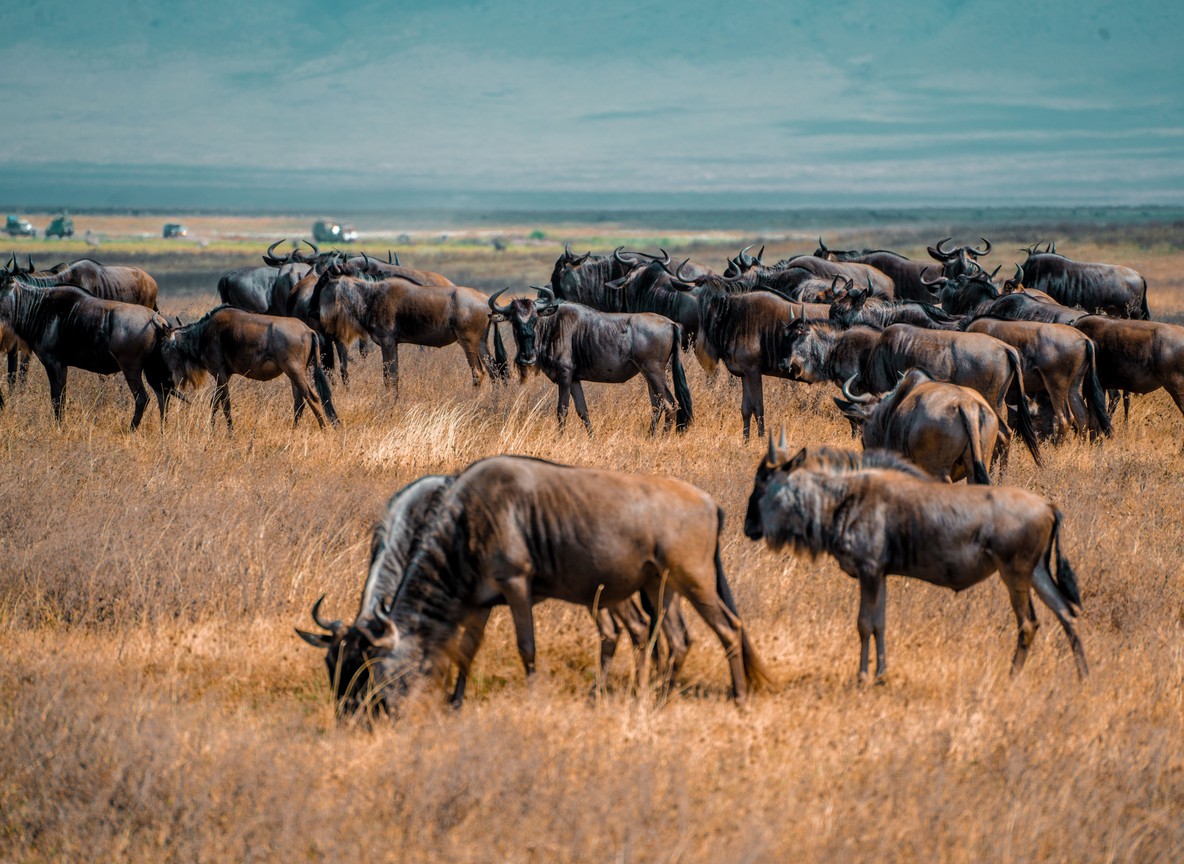
Masai Mara entry fees roughly double from July through December compared with January through June. That jump lines up with the peak wildebeest migration season and pushes camp rates up too. A company redeeming a large winner pool in August should budget accordingly, or consider a June redemption window instead. Booking incentive trips 4-6 months ahead is standard for July-December Mara travel. Exclusive-use camps sell out early for the migration period. A January-June redemption window costs less and still delivers strong game viewing, just without the river-crossing spectacle.
What an Incentive Safari Costs Per Winner
Costs vary widely by tier, but indicative per-person ranges help with early budgeting. A Naivasha weekend for a lower tier typically runs $400-700 per person indicatively, covering one or two nights, meals and activities. The three-night Masai Mara program with flights, all meals and game drives typically runs $1,800-3,200 per person indicatively. That figure depends on camp category. A full exclusive-use camp buyout adds a premium over standard per-person rates, often 15-25% higher. The company is paying for unsold capacity as well as the winners’ own beds. Most quoted per-person rates cover accommodation, meals and game drives. International or regional flights into Kenya are usually a separate line item. Build both figures into the budget before presenting it internally. Always confirm current rates directly with a partner operator, since camp pricing shifts by season and availability.
Explorer Notes
Program managers who run these trips repeatedly share a few habits worth copying. Lock the camp buyout before announcing the incentive publicly. A popular Mara conservancy camp can sell out to another corporate group within weeks during migration season. Build a simple one-page leaderboard winners can check themselves, rather than relying on manager updates. Visible progress keeps the incentive motivating throughout the qualifying period. Ask the camp about a private dining setup for at least one night. A shared boma dinner does not carry the same weight as a table reserved just for the winning group. Finally, confirm each winner’s dietary needs and any mobility considerations at least three weeks before travel. Bush camps have far less flexibility to adjust catering or room assignments on short notice than a city hotel.
FAQ
What is a corporate incentive safari? It is a safari trip awarded to employees who hit a specific sales or performance target. That is distinct from a general team retreat that includes the whole staff.
How much does a corporate incentive safari cost per person in Kenya? Costs range widely by tier. A Naivasha weekend runs roughly $400-700 per person indicatively. The three-night Masai Mara program with flights typically runs $1,800-3,200 per person indicatively.
How far in advance should we book a Mara incentive trip? Book 4-6 months ahead for July-December travel, since exclusive-use conservancy camps sell out early during the wildebeest migration season.
Can a small incentive group get an exclusive camp buyout? Yes. Most Mara conservancy camps built for buyouts hold 12 to 24 guests. Buyouts under 10 people often cost more per head than individual room bookings.
Is the Masai Mara or Naivasha better for a lower-tier incentive reward? Naivasha suits lower tiers and shorter trips because of its short 90 km road transfer from Nairobi. The Mara works better as the top-tier flagship reward.
What to Read Next
- Deciding on group size and vehicle setup for your incentive winners? See Group Safari vs Private Safari in Kenya.
- Running a broader retreat alongside your incentive tiers? Read Team-Building Activities That Actually Work on a Kenya Safari Retreat.
- Pairing a Nairobi event with the trip? Check Nairobi Conference Hotels With a Safari Add-On.
Structuring the tiers correctly matters more than picking a flashy camp name. If you are scoping a corporate incentive program around the Mara, Naivasha or Amboseli, start with our Tour Packages page. Ask a partner operator to confirm current group rates and camp buyout availability before you set your qualifying targets.
Further reading
- Maasai Mara Wildlife Conservancies Association
- African Wildlife Foundation
- Magical Kenya (Kenya Tourism Board)