Bumpy murram roads, a long game drive, and an excited but tired child are a common mix on a Kenya safari, so it is worth asking early: can safari vehicles stop for motion sickness? The short answer is yes, though the guide, not the passenger, decides exactly when and where. This guide walks families through what to expect, where to sit, and how to prepare before the first game drive.
Can Safari Vehicles Stop for Motion Sickness?
Yes, a safari vehicle can usually stop when a passenger feels motion sick, but the guide decides when and where. Tell the driver at the first warning sign so they can slow down, pause at a stable spot, and let in some fresh air. Vehicles should not stop, and passengers should not get out, near wildlife without the guide’s approval.
This is the question most parents ask before a first Kenya trip, and it makes sense. Game drive roads are rarely smooth. Murram tracks in the Masai Mara and Amboseli develop corrugation after weeks of dry weather, and rain turns them into something closer to a washboard. Add in a vehicle that starts and stops constantly for wildlife sightings, and it is easy to see why children, and plenty of adults, feel queasy.
The good news is that guides deal with this often. A calm, early heads up gives them time to react. A guide who knows a child is struggling will often ease off the accelerator or choose a gentler line through a rutted section. They may also aim for a wide, open patch of track where a short pause is actually safe. What they will not do is stop in tall grass, near a den, or close to a resting predator, no matter how urgent the request feels in the moment.
When Is It Safe to Leave a Safari Vehicle?
Leave the vehicle only after the guide confirms the area is safe. Kenya’s game drive routes pass through tall grass, dense bush, and active wildlife areas where stepping out is dangerous even if nothing is visible nearby. A guide may drive slowly to a clearer spot rather than stopping immediately, then let you stand beside the vehicle to recover.
This rule surprises some first time visitors, who assume that because the vehicle has stopped, the area around it must be safe too. That is not always true. A lion resting in long grass or a buffalo behind a thicket can be within a few metres of the track. So can a snake in the undergrowth, invisible from inside the car. Guides are trained to read the landscape, not just the road, before they invite anyone to step down.
This is also where private and shared vehicles diverge a little. On a private vehicle, the guide answers to your family alone and can prioritise a stop as soon as it is safe. On a shared vehicle, the driver is weighing the needs of several guests at once. A stop may take a few extra minutes while they find a location that works for everyone. If flexibility matters to your family, it is worth reading about Masai Mara private vehicle costs before you book. Rules around exiting vehicles also vary slightly between conservancies and national parks, and the Kenya conservancy vehicle rules are worth a look if you are choosing between a private conservancy stay and a public park.
What Should Families Do When a Child Feels Sick?
Tell the guide immediately, ask for a safe stop, and keep the child seated until the guide gives the go ahead. Use a sick bag, wipes, water, and dry crackers from the day pack. The guide can slow down, pick a smoother route, arrange an early return to camp, or radio ahead to camp staff if symptoms continue.
Pack for this before you leave camp, not after symptoms start. A small kit in an easy to reach bag, with a couple of sick bags, a roll of wipes, a change of clothes, and some plain crackers or dry biscuits, makes a real difference. If a child vomits on safari, most guides have handled it before and will not make a fuss about it. Clean up, offer water in small sips rather than large gulps, and give the child a few minutes before deciding whether to continue the drive or head back.
Tired, hungry children are more prone to motion sickness, so timing matters too. Kenya safaris often start before sunrise to catch predators while they are active, and understanding early Kenya safari wake-up calls can help you plan a proper breakfast or a snack for the vehicle before you set off. A child who has eaten something light and is not overtired copes with a bumpy drive far better than one who is running on empty.
How Do You Prevent Motion Sickness on a Kenya Game Drive?
Prevent symptoms by eating a light meal, avoiding greasy food, staying hydrated, and skipping screens or books in the vehicle. Look forward toward the road or horizon instead. Tell the guide before you depart so they can reduce speed on rough sections. If a doctor or pharmacist approves medication for your child, give it before the drive starts, not after nausea begins.
Motion sickness on safari tends to build gradually, so prevention works better than treatment. A few habits help most families:
- Eat something plain an hour or two before departure, and avoid heavy, oily food.
- Keep a water bottle handy and take small sips rather than large drinks.
- Save cameras, binoculars, and phones for when the vehicle is stationary at a sighting.
- Sit facing forward and keep your eyes on a fixed point outside, such as the horizon.
- Ask your doctor or pharmacist about age appropriate anti nausea options well before the trip, since some are not suitable for young children.
- Let the guide know at the start of the drive, not partway through, so they can plan the route accordingly.
None of this guarantees a queasy free game drive, since even confident travellers can be caught out by an unusually rough stretch of track. But a prepared family recovers faster than one that is caught off guard.
Which Safari Vehicle Seats Are Best for Motion Sickness?
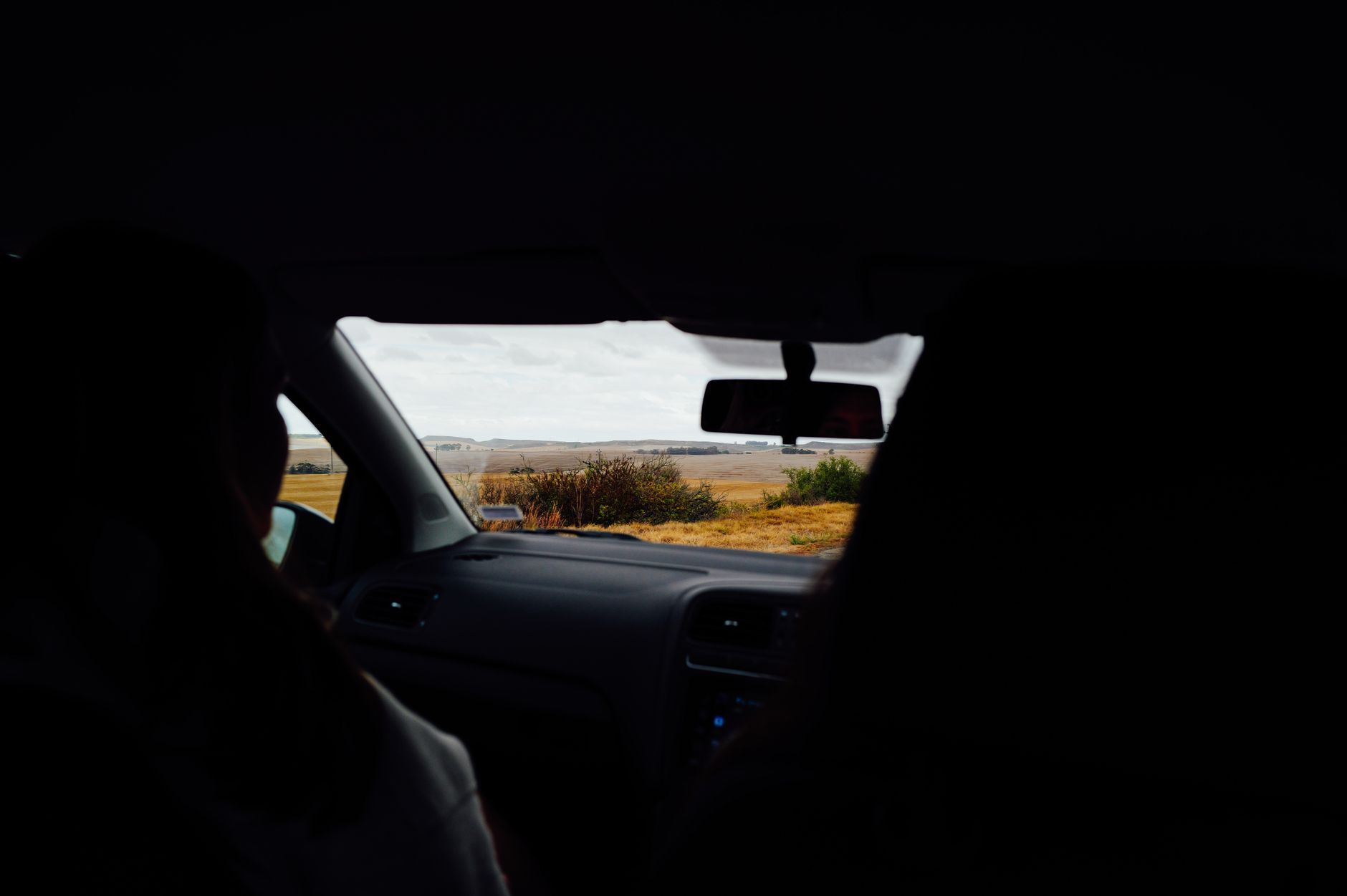
The best seat is usually near the front, where movement is less pronounced and you can see through the windscreen. Face forward, keep your eyes outside, and avoid looking down at a phone or camera. On a private vehicle, ask for a front facing position. On a shared vehicle, request the smoothest available forward facing seat before departure.
Rear facing bench seats, common in some pop up roof vehicles, tend to be the worst spot for anyone prone to carsickness on safari, since they combine sideways motion with a delayed view of the road ahead. Middle rows over the rear axle also feel every bump more sharply than the front. If your family includes a child who gets carsick in ordinary road travel, it is worth mentioning this when you book so the operator can try to seat you accordingly.
The table below compares private and shared vehicles on the factors that matter most for motion sickness planning.
| Factor | Private 4×4 (family only) | Shared safari vehicle |
|---|---|---|
| Seat choice | Full choice, can change seats through the trip | Limited, seats often assigned or rotated among guests |
| Stop flexibility for nausea | High, guide answers to your group alone | Moderate, guide balances requests from several travellers |
| Route flexibility | Guide can favour smoother tracks where possible | Fixed route shared with other passengers |
| Typical vehicle type | 4×4 with pop up roof, front and middle rows | 4×4 or minibus, seating varies by operator |
| Indicative daily cost range* | Roughly $150 to $300 per vehicle, before park fees | Roughly $40 to $90 per person, before park fees |
*Indicative ranges only. Rates vary by operator, season, and vehicle type, so confirm current pricing when you compare packages.
When Should You Return to Camp or Seek Medical Help?
Return to camp if nausea continues, vomiting repeats, or the person cannot keep fluids down. Watch for weakness, confusion, or unusual drowsiness. A guide can coordinate the return by radio or contact camp staff directly. Persistent vomiting, dehydration, breathing difficulty, severe pain, or symptoms that do not match ordinary carsickness need prompt medical attention.
Most motion sickness on a Kenya game drive settles within twenty or thirty minutes of a stop, some fresh air, and a slower pace for the rest of the drive. If it does not, do not push on out of politeness or a wish to see more wildlife. Guides would rather cut a drive short than have a sick child, or adult, in the vehicle for hours. Camps in the Masai Mara, Amboseli, and Tsavo areas are generally set up to handle this kind of request, and a quick radio call from the guide is usually enough to have someone ready when you arrive back.
If you are travelling with a child who has a history of severe motion sickness, it is worth mentioning this to your operator when you book, and again to your guide on the first morning. That small heads up means the whole team, from driver to camp manager, already knows what to watch for.
Frequently Asked Questions
Can safari vehicles stop if you feel sick?
Usually, yes. Tell the guide as soon as symptoms begin, and they can slow down or stop at the safest practical location. The vehicle may need to drive to clearer ground before stopping, and passengers should stay inside until the guide confirms it is safe.
Can you get out of a safari vehicle if you feel sick?
Only when the guide says it is safe. Wildlife may be nearby even when it is not visible, so passengers should never step out on their own. Once the guide approves the stop, fresh air and standing still can help settle mild motion sickness.
What happens if a child vomits on safari?
The guide will normally find a safe place to stop, help the family clean up, and decide whether the child can continue. Keep the child seated until instructed, use a sick bag and spare clothing, and ask for a return to camp if vomiting continues.
How do you prevent motion sickness on a safari game drive?
Choose a forward facing seat, look outside rather than at screens, eat lightly, and drink water. Tell the guide about the problem before departure so they can reduce speed and avoid unnecessarily rough sections where possible. Ask a healthcare professional about suitable medication for children before the trip.
Where should you sit in a safari vehicle if you get carsick?
Choose a front row seat where you can see through the windscreen and face the direction of travel. Avoid the rear seats when possible, keep your eyes on the horizon, and save photography or phone use for stationary wildlife stops.
Where Can You Compare Safari Operators for Your Trip?
Can safari vehicles stop for motion sickness? Now that you know the answer, the rest of the planning gets easier, whether you are heading to the Masai Mara, Amboseli, or Tsavo. Once you know how vehicle choice, seating, and timing affect motion sickness, it is easier to compare safari operators and pick a trip that fits your family. Sites like FindMySafari, Valley Safaris, and Trunktrails Safaris let you browse packages, compare vehicle types, and check what each operator offers for families travelling with children.
Where Can You Find More Safari Planning Resources?
- Kenya family safari from SafariPure
- Kenya wildlife tours from Trunktrails Safaris
- Nairobi to Maasai Mara route guide from Valley Safaris
- Family safari collection on FindMySafari