Packing for a Kenya trip always raises the same practical question: what shoes do I need for a safari? The honest answer is simpler than most packing lists make it sound. Most travelers only need two pairs, one closed-toe shoe for game drives and easy walks, and one pair of sandals for camp. What you actually need depends on where you’re headed and what your itinerary includes. A vehicle-based safari in the Masai Mara asks less of your feet than a full walking safari in Amboseli. A conservancy may also set its own footwear rules. This guide breaks down what to pack, and why, for Kenya’s dust, mud, sand, and heat.
What Shoes Do I Need for a Safari in Kenya?
For a standard Kenya game drive, lightweight, breathable trail shoes or sturdy sneakers with closed toes and a grippy sole are the right call. Full hiking boots are usually unnecessary, since most time is spent seated in a vehicle. Even so, your shoes should handle dusty ground, uneven stops, and short walks whenever your guide allows them.
This holds true whether you’re touring the Masai Mara or the open plains of the Amboseli safari guide region. It also holds true in the drier scrub of the Tsavo safari guide parks. Vehicles stop often for photos, and you may step out briefly at a picnic site or a viewpoint. A firm sole matters more than ankle height. Among the best shoes for safari, a low-cut trail shoe with mesh panels for airflow beats both flip-flops and heavy boots for daily comfort. Save the boots for the rare occasion your itinerary calls for real walking.
What Shoes Should You Wear on a Walking Safari?
Broken-in closed-toe trail shoes suit short, dry walks and low-risk nature walks. Choose mid-height hiking boots when the route is long, rocky, thorny, muddy, sandy, or likely to include a water crossing. A walking-safari operator or conservancy may set its own footwear expectations, so confirm the route before you buy specialized boots.
A short guided stroll near camp is a different activity from a dedicated walking safari that covers several kilometers over rough ground. If your trip includes one of the Amboseli walking safari options, ask the operator in advance what terrain to expect and whether boots are required. Many private conservancies around the Mara and Laikipia have their own guidelines on footwear, group size, and armed escorts for walks. It helps to review the Kenya safari conservancy rules before you pack. A guide’s briefing on walking comfortably and safely on safari usually covers pace, terrain, and what to wear on your feet. Treat that conversation as part of your packing plan, not an afterthought.
How Many Pairs of Shoes Should You Pack for Safari?
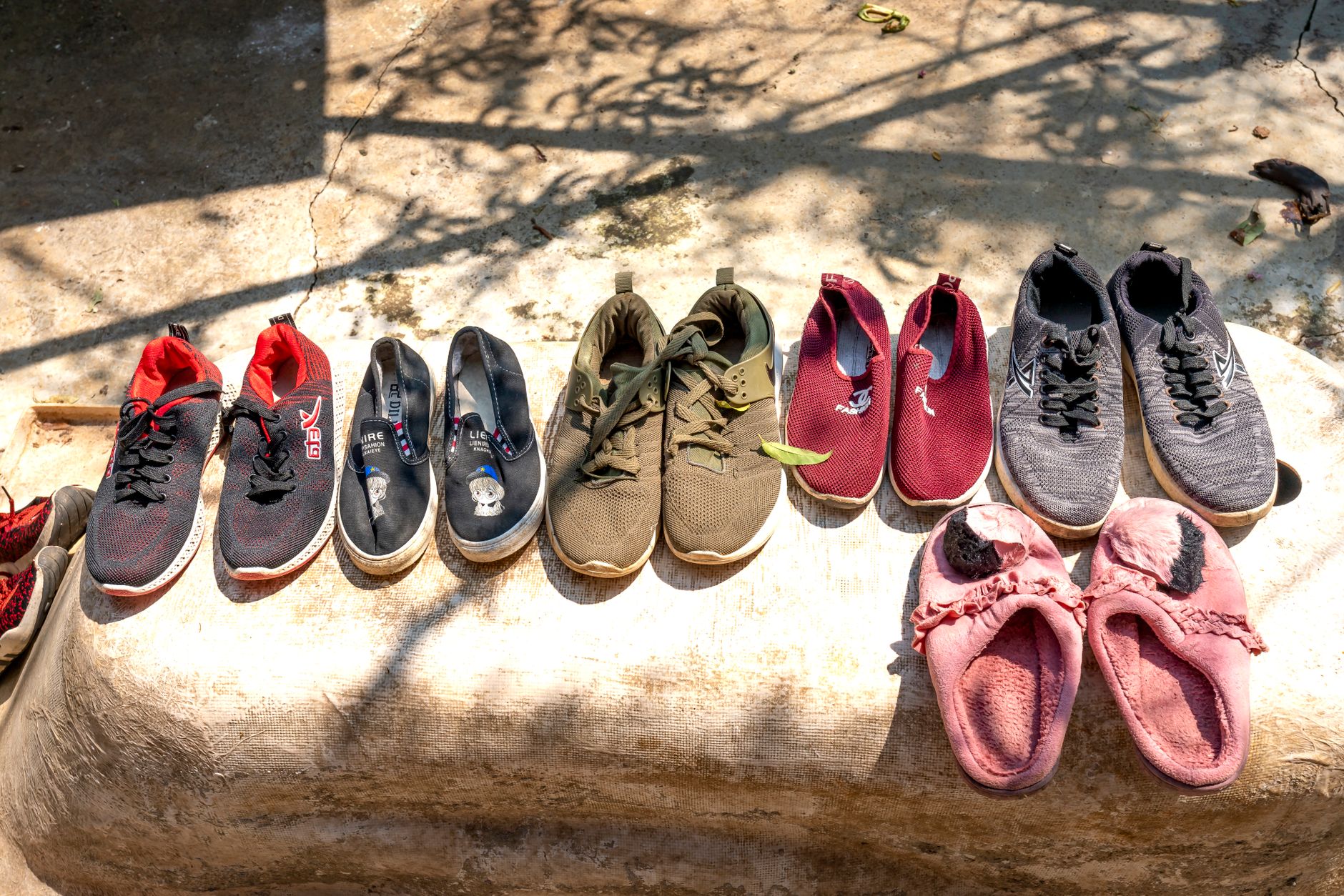
Two pairs cover most Kenya safaris: one closed-toe trail shoe for drives and walking, plus a lightweight sandal or slip-on for camp. Add a dedicated hiking boot only if your itinerary includes substantial walking, wet forest, deep sand, or river crossings. Wear the heavier pair while traveling to save luggage space.
Baggage limits on light aircraft transfers between parks are often tight, so a two-pair system keeps your load manageable. The table below breaks down footwear by activity, drawn from what most Kenya itineraries actually involve. Pair it with a full Kenya safari packing list so you’re not scrambling the night before you fly.
| Safari Activity | Recommended Footwear | Why It Works |
|---|---|---|
| Game drives (Mara, Amboseli, Tsavo) | Lightweight trail shoe or sturdy sneaker | Breathable, handles dust and short stops |
| Short guided nature walk | Broken-in closed-toe trail shoe | Comfortable, enough grip for easy terrain |
| Full walking safari, rough terrain | Mid-height hiking boot | Ankle support, protection from thorns and rock |
| Camp and lodge downtime | Sandal or slip-on | Cool, quick to put on after a dusty day |
| Wet or muddy season routes | Boot with high collar and firm tread | Traction and mud protection |
| Sandy conservancies and riverbeds | Higher-rise shoe with snug tongue | Keeps sand and grit out |
What Shoes Work Best for Rain, Mud, and Sand in Kenya?
In Kenya’s dry season, breathable trail shoes are usually cooler and more comfortable than waterproof boots. During wet periods or on muddy forest routes, choose shoes with dependable traction and a higher collar. For deep sand, a higher-rise shoe with a snug tongue helps keep grit out. Waterproof footwear can feel hot in dry savannah conditions.
Kenya’s long and short rains change the ground under your feet more than most first-time travelers expect. Black cotton soil, common around the Mara and parts of Amboseli, turns slick and heavy after rain. A shoe with real tread makes a noticeable difference when you’re getting in and out of a vehicle. In dry months, that same soil turns to fine dust that works its way into low-cut shoes, so a snug ankle collar helps. If your trip includes forested or hilly ground, hiking boots for safari with a bit more structure are worth the extra weight in your bag. Sandy stretches near Tsavo and Amboseli favor a shoe that seals well at the ankle rather than one with loose mesh.
Can You Wear Sandals on Safari?
Secure, supportive sandals or lightweight slip-ons work well for camp, lodge, and vehicle downtime. They are cooler than trail shoes and convenient after a dusty drive, but they should not replace closed shoes for bush walks. Avoid relying on flip-flops beyond safe, maintained camp areas, since they offer little grip or protection.
Safari sandals with back straps and a real sole beat beach-style flip-flops, which slide off easily on gravel paths or wooden walkways. Around the pool or on your tent’s veranda, sandals are fine. Once you’re walking a bush path to the dining tent after dark, choose a closed shoe or a sturdy sandal, and bring a headlamp. Paths are uneven and not always lit.
What Safety and Comfort Tips Matter Most for Safari Shoes?
Break in every pair before traveling, wear moisture-wicking socks, and choose comfort over appearance. Check shoes before putting them on, especially in tented camps, since insects or small animals can shelter inside overnight. Neutral colors are practical, but fit, ventilation, traction, and thorn protection matter more than matching safari clothing.
New shoes and long travel days are a poor combination, so wear yours around home for a few weeks before you fly. In areas with tsetse flies, such as parts of the Mara and Tsavo, closed shoes and socks that cover the ankle offer some protection. Repellent and clothing choice matter more than footwear alone. Thorny acacia scrub is common across Kenya’s parks. A shoe with a reasonably sturdy upper will save your feet on a walk far more often than any snake or insect encounter. Guides are trained to manage those encounters, and they remain uncommon on a normal itinerary.
Frequently Asked Questions
What shoes do I need for a safari?
Most Kenya safaris require one pair of comfortable closed-toe trail shoes or sturdy sneakers and one pair of sandals or slip-ons for camp. Add hiking boots only for dedicated walking safaris, muddy routes, deep sand, or difficult terrain.
Can I wear sneakers on safari?
Yes, sturdy sneakers can work on vehicle-based safaris and short, easy walks if they have a firm sole, good grip, and closed toes. Lightweight trail shoes are a better choice when the itinerary includes uneven ground, dust, thorns, or frequent walking.
Do I need hiking boots for a safari?
Usually not for a conventional game-drive safari, where lightweight trail shoes are more breathable and easier to pack. Hiking boots become worthwhile for long walking safaris, wet or muddy conditions, rocky terrain, deep sand, and routes requiring greater ankle coverage.
What shoes should I wear on a walking safari?
Wear broken-in closed-toe trail shoes for short walks on dry, easy terrain. Use mid- or high-rise hiking boots for longer walks, mud, sand, thorns, rocky ground, or water crossings. Follow the requirements given by your walking guide or conservancy.
How many pairs of shoes should I pack for safari?
Two pairs are enough for most Kenya itineraries: closed-toe trail shoes for drives and walks, and sandals or slip-ons for camp. Pack a third pair only when a dedicated walking safari or an unusually wet, sandy, or rugged route makes specialized footwear necessary.
Where Can You Compare Kenya Safari Operators?
Once your packing list is sorted, the next step is choosing the right operator and route for your budget and interests. You can compare safari operators and browse packages through sites such as FindMySafari, Valley Safaris, and Trunktrails Safaris. These list itineraries across the Mara, Amboseli, Tsavo, and beyond. For more Kenya-specific planning guides, including packing, costs, and park comparisons, visit touringinsights.com.
More safari planning resources
- Amboseli map and guide from SafariPure
- Amboseli National Park guide from Trunktrails Safaris
- Map of Amboseli from Valley Safaris
- Amboseli destination guide on FindMySafari