Most travelers researching Samburu never look up Buffalo Springs National Reserve on its own. That is a planning gap worth closing. Buffalo Springs sits directly across the Ewaso Ng’iro River from Samburu National Reserve. One non-resident ticket usually covers entry to both. Touring Insights breaks down what makes this 131 km2 reserve worth a stop. You will find how the shared-ticket system works and the real numbers on getting there, so you can decide whether to add it to your Samburu itinerary.
What Makes Buffalo Springs Different from Samburu
Planning the trip itself? See TouringInsights’s Kenya Safari Cost Guide for Bengali Speakers for current prices, dates and what is included.
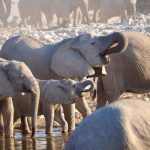
Buffalo Springs takes its name from a cluster of natural springs near the reserve’s center. Clear water rises through volcanic rock into a shallow pool there. The springs stay cool year-round and draw wildlife even in the driest months. That is part of why the reserve holds a dense concentration of dry-country species despite its smaller size.
The terrain reads differently than Samburu’s riverside doum palm belt. Buffalo Springs opens into flatter grassland and acacia scrub away from the river. That gives longer sightlines for spotting animals at distance. Fewer camps sit inside Buffalo Springs than on the Samburu side. Game drives here often mean fewer vehicles at a sighting, even during the busiest months.
Vegetation cover also changes the photography here. Open ground around the springs suits long-lens shots of oryx and zebra herds against flat light. Acacia thickets further out favor closer, shaded encounters with gerenuk and giraffe. Guides who work both reserves regularly can time a loop through Buffalo Springs to catch the morning light before crowds build near the river crossings.
The Samburu Special Five: What Lives Here
Samburu, Buffalo Springs, and Shaba share a set of dry-adapted species found almost nowhere else in Kenya. Locals and guides often market them together as the “Samburu Special Five.” Buffalo Springs holds strong numbers of all five:
- Reticulated giraffe – sharper, more geometric coat pattern than the Masai giraffe found further south
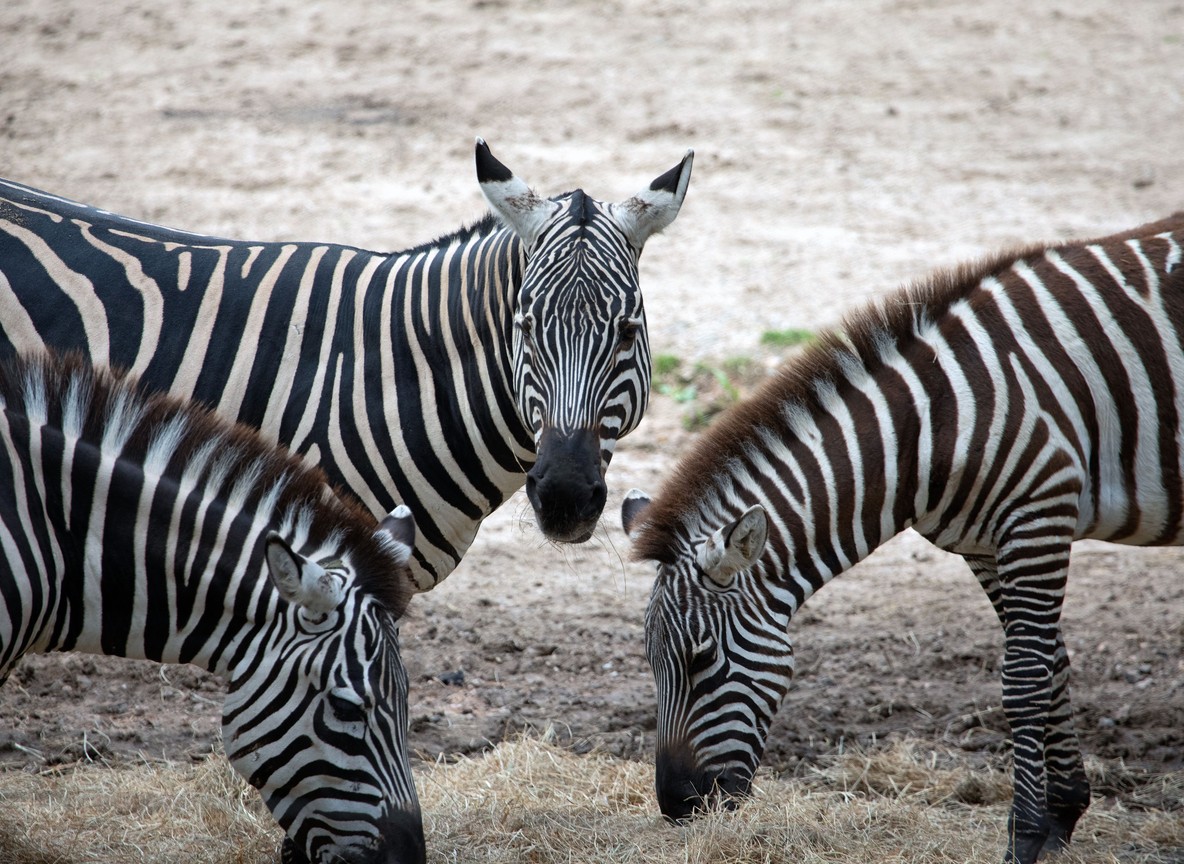
- Grevy’s zebra – larger and narrower-striped than the common plains zebra, and endangered range-wide
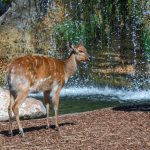
- Gerenuk – the long-necked antelope that stands on its hind legs to browse acacia leaves
- Beisa oryx – straight-horned, desert-adapted, often seen in small herds on open ground
- Somali ostrich – identifiable by its blue-grey legs and neck, distinct from the more common red-legged Masai ostrich
Spotting all five in one visit is realistic here. An experienced driver-guide who knows the springs and open plains raises your odds, since beisa oryx and gerenuk tend to hold fixed territory.
The One-Ticket System: How Entry Actually Works
Samburu and Buffalo Springs sit under different county authorities. Even so, they share a joint non-resident entry ticket. A single payment at either gate typically covers same-day access to both reserves. That matters for planning, since it removes the need for a second transaction if your camp sits near the causeways linking the two sides of the Ewaso Ng’iro.
Shaba National Reserve, the third reserve in the cluster, is billed separately. It is not included in the Samburu-Buffalo Springs ticket. Non-resident daily fees for the shared ticket typically fall in the USD 60-100 per adult per day range as an indicative figure. Rates and payment systems change without notice. Confirm the current price with your camp or the county reserve office before you travel, and never assume last season’s fee still applies.
Getting to Buffalo Springs: Distances, Gates, and Flights
Buffalo Springs sits north of Mount Kenya along the same travel corridor as Samburu. The road route runs from Nairobi via Nanyuki and Isiolo on the A2 highway. Its main entrance, Gare Mara Gate, sits roughly 330 km from Nairobi. That drive takes about 5 to 6 hours, including a final graded murram stretch past Isiolo town.
Scheduled light-aircraft flights from Nairobi’s Wilson Airport reach Buffalo Springs Airstrip in about 1 to 1.5 hours. The nearby Kalama and Samburu airstrips work as alternatives too, and flying is the faster option if your schedule is tight. Causeways across the Ewaso Ng’iro connect Buffalo Springs directly to Samburu’s road network in dry conditions. Travelers based on either side can cross for a game drive without a long transfer.
| Detail | Buffalo Springs National Reserve | Samburu National Reserve | Shaba National Reserve |
|---|---|---|---|
| Park size | 131 km2 | 165 km2 | 239 km2 |
| Main gate from Nairobi | Gare Mara Gate, ~330 km | Archer’s Post Gate, ~325-345 km | Shaba Gate, ~340 km |
| Airstrip | Buffalo Springs Airstrip | Samburu/Kalama Airstrip | Shaba Airstrip |
| Signature water feature | Buffalo Springs itself | Ewaso Ng’iro River | Chanler’s Falls |
| Non-resident daily fee (indicative) | USD 60-100/adult, shared with Samburu | USD 60-100/adult, shared with Buffalo Springs | Billed separately, similar indicative range |
| Managing authority | Isiolo County | Samburu County | Isiolo County |
Rates and distances above are indicative figures for trip planning, not a live quote. Confirm current pricing and road conditions with your camp or booking partner before departure.
Where to Stay: Camps In and Near Buffalo Springs
Fewer permanent camps sit inside Buffalo Springs than across the river in Samburu. That is part of the draw for travelers wanting a quieter base. Samburu Sopa Lodge sits within Buffalo Springs itself, giving guests direct access to the springs and surrounding plains without crossing a causeway each morning. Most of the well-known tented camps, including Elephant Bedroom Camp and Larsens Camp, sit on the Samburu side of the river. They still run game drives into Buffalo Springs regularly under the shared ticket.
Travelers who want to base inside Buffalo Springs for quieter drives should book a room on that side directly. Confirm which reserve your camp’s drives usually prioritize, since some properties favor one side of the river out of habit rather than rule.
Independent travelers arriving by self-drive should note that fuel and vehicle repair options thin out fast past Isiolo town. Top up in Isiolo before the final stretch to Gare Mara Gate. The nearest reliable fuel station beyond the gate sits inside camp territory and is not open to public sale.
Buffalo Springs vs Samburu vs Shaba: Which Should You Prioritize
All three reserves share the same semi-arid climate and the same Special Five wildlife. The real choice comes down to crowds, terrain, and base camp location rather than season. Buffalo Springs suits travelers who want strong Special Five sightings with fewer vehicles than Samburu’s riverside camps draw during peak months. Samburu itself holds the highest camp density and the most reliable riverside elephant sightings. Shaba, with almost no camp development, works best as a quiet half-day add-on rather than a primary base.
If your itinerary allows only one gate, choose based on where your camp sits. Do not agonize over the reserve boundary itself. The shared ticket and causeway access mean most visitors experience both reserves in a single stay, regardless of which side they sleep on.
Explorer Notes
Ask your driver-guide to time a stop at the springs themselves for mid-morning, after the first game drive rush has passed. Vervet monkeys and birdlife concentrate around the pool once vehicle traffic thins. The water stays clear enough for good photographs of reflections in the rock pool.
Gerenuk sightings improve a lot if your guide knows to slow down near dense acacia stands rather than scan open ground. The animal’s browsing posture, standing upright on its hind legs, is easy to miss at speed. It is unmistakable once a guide points out the right thicket.
Carry small denomination cash alongside a card at Gare Mara Gate. Electronic payment systems at Isiolo County-run gates have improved, but connectivity gaps still cause occasional delays. A cash backup avoids losing time at the barrier on a tight morning schedule.
Frequently Asked Questions
Is Buffalo Springs the same as Samburu National Reserve? No. They are separate reserves under different county authorities. Both sit adjacent to each other across the Ewaso Ng’iro River and share a joint non-resident entry ticket.
Do I need a separate ticket for Buffalo Springs and Samburu? Usually not. A single non-resident ticket typically covers same-day entry to both reserves. Shaba requires a separate ticket.
What is the Samburu Special Five? Reticulated giraffe, Grevy’s zebra, gerenuk, beisa oryx, and Somali ostrich. These five dry-country species concentrate in the Samburu-Buffalo Springs-Shaba cluster and rarely appear together elsewhere in Kenya.
How do I get to Buffalo Springs from Nairobi? By road, it is roughly 330 km via Nanyuki and Isiolo, about 5 to 6 hours. By scheduled light aircraft from Wilson Airport, flights reach Buffalo Springs Airstrip in about 1 to 1.5 hours.
Is Buffalo Springs worth visiting if I am already staying in Samburu? Yes, especially for Special Five sightings and quieter roads. Most Samburu-based camps run drives into Buffalo Springs under the same ticket, so it usually costs no extra entry fee to add.
Buffalo Springs rewards travelers who build it into a Samburu itinerary rather than treat it as an afterthought. Check Touring Insights’ Tour Packages page for current Samburu-Buffalo Springs itinerary options. You can also confirm gate fees and camp availability with a licensed booking partner before you lock in dates.
What to Read Next
- Best Time to Visit Samburu: A Month-by-Month Kenya Safari Guide
- Samburu, Buffalo Springs, and Shaba: The Complete Safari Comparison Guide
- Masai Mara vs Samburu: Which Should You Choose?
Further reading
More safari planning resources
- Samburu map and Special Five from SafariPure
- Map of Samburu from Valley Safaris
- Big Five safari parks guide on Touring Insights
- Samburu destination guide on FindMySafari
Related guides: Fly Into Amboseli One Way and Drive Back: Is It Worth It?.