Kenya’s Ministry of Environment and Climate Change signed a new conservation funding deal in February 2026. The partner list includes WWF-US, WWF-Kenya, and Kenya’s own National Environment Trust Fund, known as NETFUND. Together they secured USD 3.9 million to restore wildlife corridors that have been quietly breaking down for years.
This is not a symbolic pledge. The money comes from a specific global fund, targets named ecosystems, and has a 2030 deadline attached. Here is what the deal actually pays for, who controls the money, and why it matters if your safari route passes through Amboseli or the Rift Valley lakes it aims to protect.
What Kenya and WWF-US Just Signed
The project has a formal name: “Sustainable Management and Restoration of Threatened Ecological Corridors.” It was approved by the Global Biodiversity Framework Fund, a pool of money managed by the Global Environment Facility (GEF) specifically for countries working toward the Kunming-Montreal Global Biodiversity Framework targets.
The announcement came out of a meeting in Nairobi on February 25, 2026. Principal Secretary Festus Ng’eno hosted the session for the Ministry of Environment and Climate Change. WWF-US was represented by Renae Stenhouse. NETFUND was named as the principal executing agency, meaning it holds the money and reports on how it gets spent.
Inside the $3.9 Million: Who Pays and Who Executes
Grant funding for conservation work often gets described in vague terms. This deal is more specific than most, so it is worth laying out exactly who does what.
| Detail | Figure |
|---|---|
| Total funding | USD 3.9 million |
| Funding source | Global Biodiversity Framework Fund (GBFF), managed by GEF |
| Executing agency | NETFUND (National Environment Trust Fund, Kenya) |
| Lead government partner | Ministry of Environment and Climate Change |
| International partners | WWF-US, WWF-Kenya |
| Project name | Sustainable Management and Restoration of Threatened Ecological Corridors |
| Announced | February 25, 2026, Nairobi |
| Framework deadline | 2030 |
NETFUND holding the funds matters. Past restoration pledges in Kenya have sometimes routed through international offices with limited local reporting. This structure keeps disbursement inside a Kenyan institution that already reports to the Ministry, which should make it easier to track whether the money reaches the ground.
What “Threatened Ecological Corridors” Means on the Ground
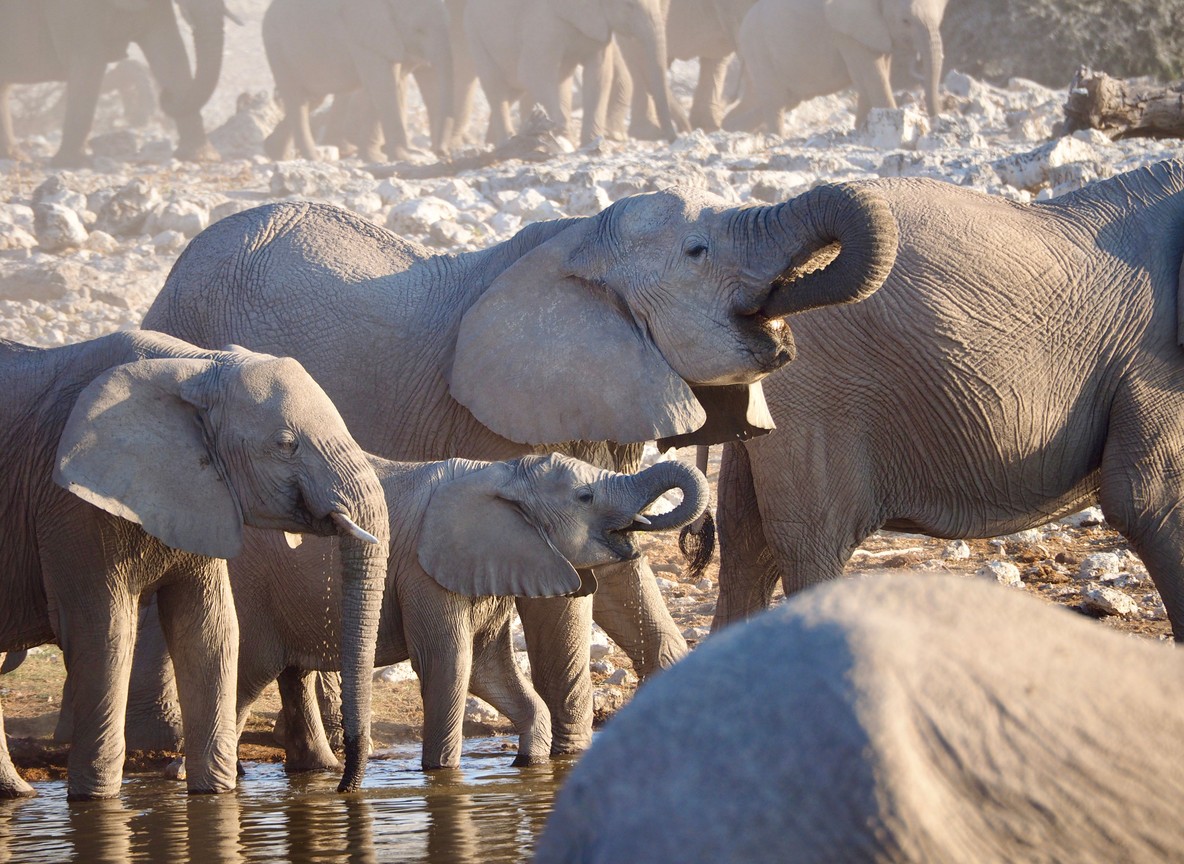
A wildlife corridor is a strip of land, sometimes a few kilometers wide, that animals use to move between two larger protected areas. Elephants moving between Amboseli and Tsavo, or between Amboseli and Kilimanjaro’s forest reserves across the Tanzania border, depend on these strips staying open.
When farms, fences, or settlements cut across a corridor, animals get boxed into smaller ranges. That raises the odds of crop damage, livestock loss, and the human-wildlife conflict claims that Kenyan courts have been dealing with in separate rulings this year. Corridor restoration is partly about wildlife habitat and partly about reducing that conflict at its source.
This funding round is aimed at exactly that kind of connective land, not at fencing off new parks. The goal is to keep existing routes usable rather than create new protected boundaries.
The Global Biodiversity Framework Targets Behind the Deal
Kenya is not restoring corridors in isolation. The country is one of nearly 200 signed onto the Kunming-Montreal Global Biodiversity Framework, agreed in 2022, which sets shared conservation goals for this decade.
Two targets sit behind this specific grant. Target 2 calls for restoring 30 percent of degraded ecosystems worldwide by 2030. Target 3 calls for protecting 30 percent of land, freshwater, and ocean area by the same year. This $3.9 million grant counts toward Kenya’s reporting on Target 2 specifically, since it funds active restoration rather than new protected status.
Meeting international targets does not by itself fix a corridor. But the reporting requirement attached to GBFF money means Kenya has to show measurable progress, not just intent, by 2030.
Naivasha and Amboseli: Where Restoration Work Points Next
The February announcement referenced two related initiatives already in motion. The Lake Naivasha Ecosystem-Based Management Project, funded separately under an earlier GEF-7 grant, focuses on the lake’s water quality and shoreline habitat, both under pressure from surrounding flower farms and settlement growth.
The second is the Amboseli Ecosystem Fund, part of a broader Heart of Conservation Initiative that was pending formal endorsement at the time of the announcement. Amboseli sits at the base of Kilimanjaro and depends on corridors linking it to Tsavo West and Chyulu Hills to the east, and to Tanzania’s Kilimanjaro forests to the south.
Neither of these is fully funded by the new $3.9 million alone. They represent the wider pipeline of projects this restoration partnership is designed to feed into over the coming years.
How This Compares to Past Conservation Funding in Kenya
Kenya has taken conservation grants before, but many older deals routed money through international program offices with limited public reporting back to Kenyan institutions. Community groups and county officials sometimes struggled to confirm how much reached actual project sites.
The GBFF structure works differently. Funds move through NETFUND, and GEF projects carry mandatory monitoring reports tied to measurable indicators, not just activity summaries. Independent auditors typically review those reports at set milestones. That does not guarantee flawless execution, but it gives outside observers, including conservancies and tour operators along affected corridors, a documented benchmark to check progress against rather than relying on year-end press statements alone.
For a $3.9 million grant, the sum is modest next to Kenya’s overall conservation budget. Its significance lies more in the reporting structure it sets up than in the raw dollar figure, since similar grants often follow once early monitoring milestones are met.
What This Means If You’re Planning a Kenya Safari
None of this changes what you will see on a standard game drive today. But it does explain why guides in these specific areas increasingly bring up corridor and coexistence work unprompted, and it gives you a reason to ask about it.
| Area | Distance from Nairobi | Drive time | Nearest airstrip | Size |
|---|---|---|---|---|
| Amboseli National Park | approx. 240 km via Namanga Road | 4-5 hours | Amboseli Airport, approx. 45-min flight from Wilson Airport | 392 km2 |
| Lake Naivasha | approx. 90 km via the A104 | 1.5-2 hours | Naivasha airstrip, charter only, approx. 20-min flight from Wilson Airport | Lake surface approx. 139 km2 |
| Chyulu Hills National Park | approx. 270 km via Emali | 5 hours | Kilaguni Airstrip (Tsavo West), approx. 50-min flight from Wilson Airport | approx. 741 km2 |
Park gate fees at Amboseli run in the range of USD 60-90 per day for a non-resident adult, an indicative KWS band that changes periodically, so confirm the current rate before you travel. Chyulu Hills, a lower-tier park, typically runs lower, in the USD 30-45 indicative range.
If your itinerary links Amboseli with Tsavo West through Chyulu Hills, you are traveling through exactly the kind of corridor country this funding targets. Ask your camp which conservancies along that route participate in restoration or coexistence programs. Many do, and the answer changes depending on which side of the corridor you are staying on.
Explorer Notes
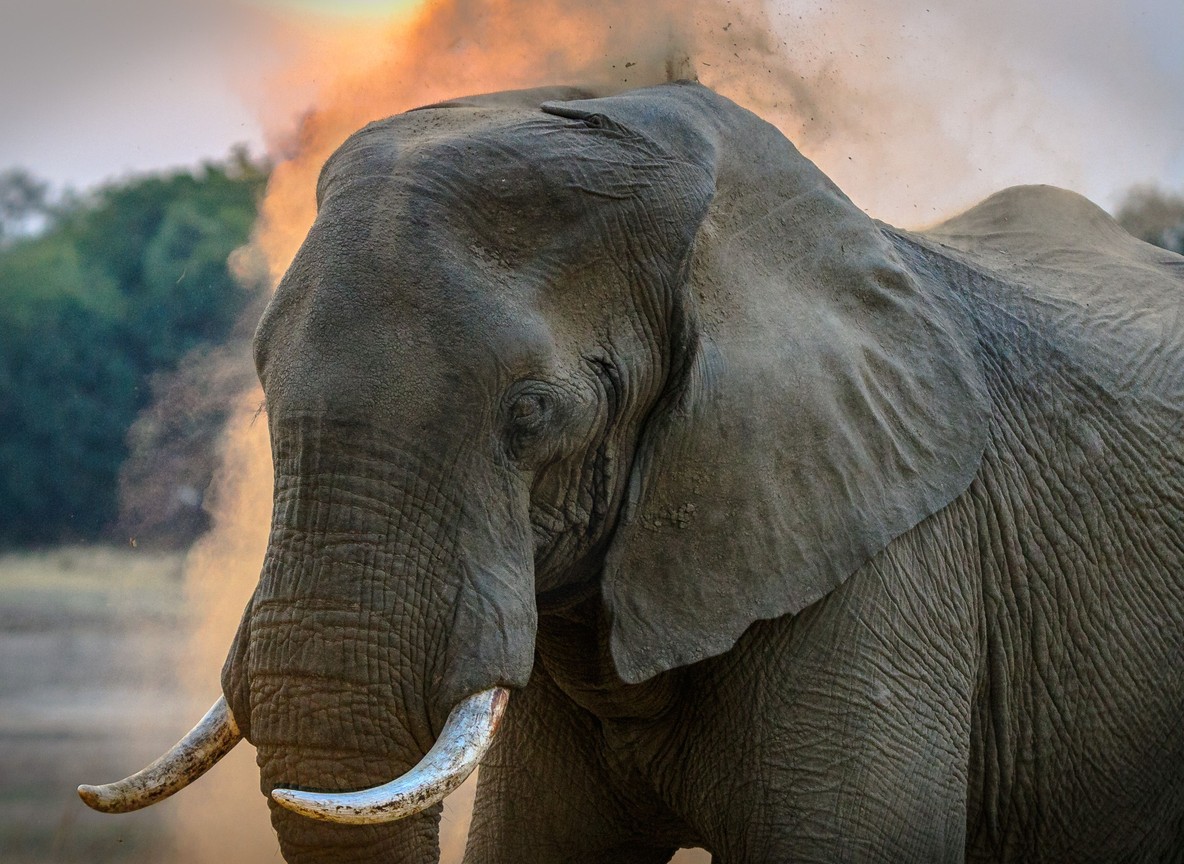
Ask your driver-guide directly whether the conservancy you are staying at sits inside a mapped wildlife corridor. Most guides working the Amboseli-Tsavo route know this without needing to check, since it affects where they are told to slow down for crossing elephants.
Do not expect visible construction or signage tied to this grant. Corridor restoration usually means fence removal, community grazing agreements, and tree planting, not infrastructure you would notice from a vehicle.
If you are staying near Lake Naivasha, ask about water quality monitoring. It is one of the more visible parts of the related GEF-7 project, and boat operators on the lake often know the current state of it firsthand.
Frequently Asked Questions
What is Kenya’s new $3.9 million ecosystem restoration partnership? It is a grant from the Global Biodiversity Framework Fund, managed by GEF, that Kenya’s Ministry of Environment and Climate Change, WWF-US, and WWF-Kenya announced in February 2026. NETFUND executes the project, which targets threatened wildlife corridors.
Who controls the $3.9 million? NETFUND, Kenya’s National Environment Trust Fund, is the principal executing agency and reports on spending to the Ministry of Environment and Climate Change.
What are the Kunming-Montreal Global Biodiversity Framework targets? Target 2 calls for restoring 30 percent of degraded ecosystems by 2030. Target 3 calls for protecting 30 percent of land, freshwater, and ocean area by 2030. This grant counts toward Target 2.
Does this affect Amboseli or Lake Naivasha directly? The grant funds broader corridor restoration work that feeds into related projects, including the Lake Naivasha Ecosystem-Based Management Project and the proposed Amboseli Ecosystem Fund, though neither is fully covered by this single grant.
Will this change what I see on a safari in these areas? Not immediately. Restoration work like fence removal and grazing agreements rarely shows up as visible infrastructure, though guides in corridor areas increasingly discuss it during game drives.
If your route runs through Amboseli, Tsavo West, or the Naivasha basin, our Tour Packages page lists itineraries built around those corridors, and a partner operator can confirm current park fees and camp options along the way.
What to Read Next
- Planning the Amboseli side of your trip? See our Amboseli park fees guide.
- Curious about the road link through corridor country? Read our Amboseli and Tsavo road link guide.
- Want the Rift Valley lake angle? Check our Lake Naivasha safari guide.