When most travellers think of Kenya, the Maasai Mara or the Mombasa coast comes to mind first. Kisumu rarely features on the shortlist — which is precisely why it is worth knowing about. Kenya’s third-largest city sits on the northeastern shore of Lake Victoria, the largest tropical lake on earth, and it offers a wildlife and cultural experience that sits entirely outside the standard safari circuit.
This guide covers what Kisumu and Lake Victoria actually offer, when to visit, how to get there, and how the city fits into a broader Kenya itinerary.
Why Visit Kisumu
Kisumu introduces travellers to aquatic Kenya — a completely different ecosystem from the savannah landscapes of the Rift Valley and the Masai Mara. The wildlife here is centred on water: hippos in the shallows, Nile crocodiles on sandbanks, African fish eagles calling from papyrus reeds, and traditional fishing boats moving across open water at dawn.
The city itself is the economic and cultural centre of western Kenya, with a strong Luo heritage that shapes everything from the local cuisine to the music heard in the market areas. It is accessible in a way that adds genuine contrast to a Kenya itinerary without requiring the logistics of a northern frontier expedition.
Key draws:
- Resident hippo populations observable from safe viewing platforms inside the city limits
- A 30-minute boat ride to Ndere Island National Park, one of the most pristine small wildlife sanctuaries in the Lake Victoria basin
- Sunset cruises that place you on the water as the lake changes colour and hippos emerge to graze
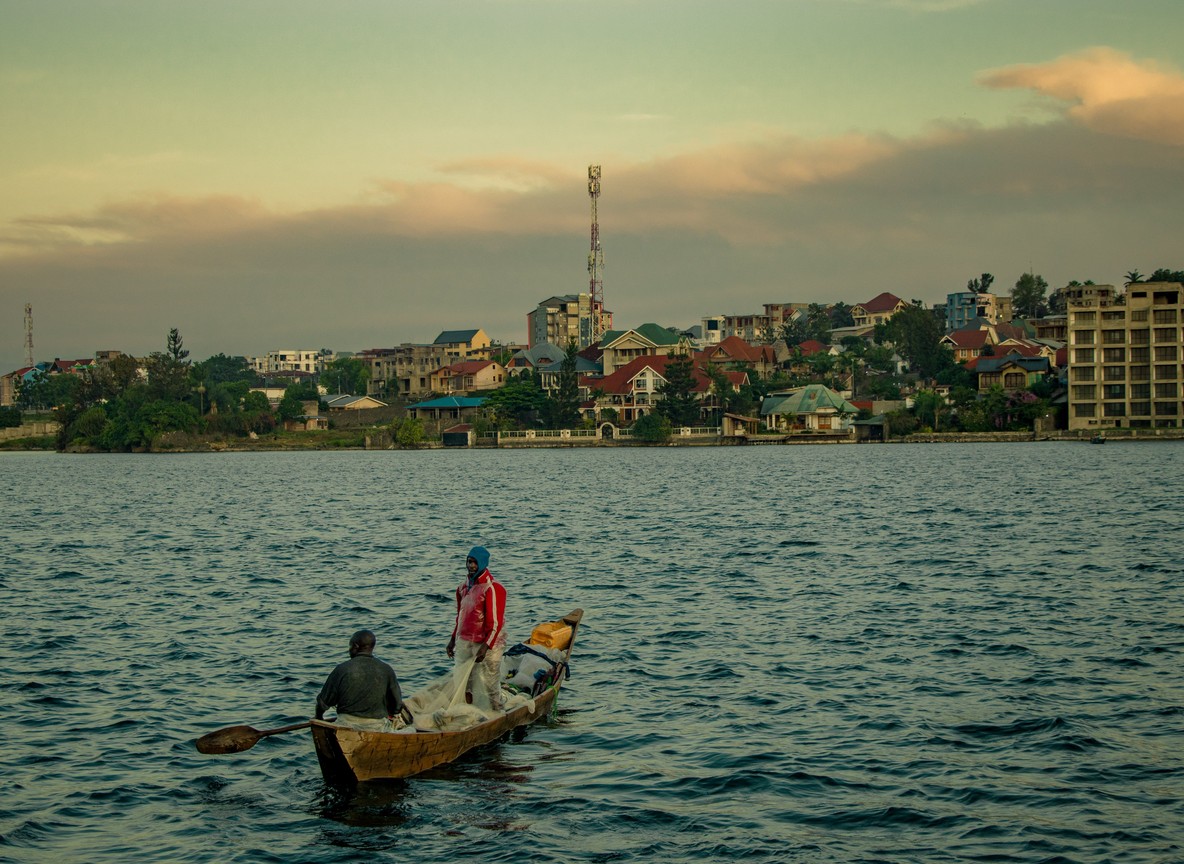
- Dunga Beach, where traditional fishing culture plays out in the early morning with the night’s catch coming ashore
- A bird list exceeding 400 species across the lake and its surrounding wetlands
Kisumu Impala Sanctuary
The Kisumu Impala Sanctuary is a 1-square-kilometre Kenya Wildlife Service reserve located inside the city limits — one of the few urban wildlife sanctuaries in East Africa that holds genuinely wild large mammals.
The sanctuary’s resident animals include hippos (the main draw), Nile crocodiles, impala herds, vervet monkeys, baboons, and an impressive list of waterbirds. Over 115 bird species have been recorded in the sanctuary’s grounds, including grey-crowned crane, African fish eagle, and multiple kingfisher species.
The best time to visit is late afternoon, when hippos emerge from the water to graze on the grass near the lakeshore. This is also when the light is at its most photogenic and the smaller mammals are most active around the sanctuary’s internal waterholes.
Entry fees are modest and a thorough walk through the sanctuary takes two to three hours. There is a small animal orphanage and a snake park on site that extend the visit and add educational context to the wildlife experience. For families with children or travellers who want wildlife contact without a multi-hour game drive, the sanctuary is a practical and genuinely rewarding option.
Ndere Island National Park
Ndere Island National Park sits in Lake Victoria approximately 30 minutes by boat from Kisumu’s shores. The island is a protected sanctuary administered by Kenya Wildlife Service, and it holds some of the highest hippo concentrations in the Lake Victoria basin along with a diverse population of waterbirds and resident reptiles.
The boat journey itself is worth doing. The crossing covers open lake water, passes traditional fishing villages on the shoreline, and provides views of cormorant and pelican colonies on sandbanks that are not visible from shore. The scale of Lake Victoria becomes real on the water — it looks more like a sea than a lake, with the far shore of Uganda invisible across the horizon.
On the island, guided walks through the acacia woodland cover hippo territories (from a safe distance), monitor lizard habitats, and the island’s shoreline where crocodiles bask. The bird list for the island exceeds 100 species. Cultural points of interest include archaeological evidence of ancient Luo settlements and demonstrations of traditional fishing techniques by island communities.
Overnight camping is available on Ndere Island for travellers who want to experience the lake after dark — the sounds of hippos moving in the water and fish eagles calling at dawn are distinctly different from the bush sounds of inland safari destinations.
Practical note: Only use licensed boat operators for the Ndere Island crossing. Lake Victoria weather can change quickly, and local knowledge of the lake’s currents and conditions is important.
Lake Victoria: Fishing Culture and Sunset Cruises
Lake Victoria is not a scenic backdrop to Kisumu — it is the operational centre of the region. The lake supports one of Africa’s most important freshwater fisheries, employing hundreds of thousands of people across Kenya, Uganda, and Tanzania, and the fishing culture around Kisumu is one of the most authentic lakeside experiences available in East Africa.
Dunga Beach
Dunga Beach, about 3 kilometres south of central Kisumu, is the main point of access for travellers who want to observe the fishing culture. Early morning (around 06:00 to 08:00) is when fishing boats return from the night’s work with catches of Nile perch and tilapia. The beach is working rather than touristic — nets are mended, catches are sorted and sold, and boats are prepared for the following night.
Fish markets here sell fresh lake fish, and several small restaurants nearby serve traditional Luo-style fish preparation: whole tilapia grilled over charcoal, served with ugali (maize porridge) and sukuma wiki (kale). This is the authentic lakeside meal in western Kenya, and the Dunga Beach restaurants are where Kisumu residents eat, not just visitors.
Sunset Cruises
Sunset cruises on Lake Victoria operate from Dunga Beach and the Kisumu Yacht Club. A standard cruise runs one to two hours, departing around 17:00 to catch the light as it shifts across the water.
From the boat at this hour, you will often see hippos surfacing near the papyrus edges, African fish eagles hunting at dusk, and the traditional fishing fleet setting out for the night with lanterns illuminating the bow of each boat. The sunset light across the lake — orange and purple reflecting off water that stretches to the horizon — is one of the more memorable visual experiences in western Kenya.
Note: Swimming in Lake Victoria is not recommended due to the risk of bilharzia (schistosomiasis), a waterborne parasite present in the lake. All wildlife viewing and fishing activities are done from boats or from shore.
Kisumu Museum and Local Culture
The Kisumu Museum on Nairobi Road is the strongest single point of entry for understanding the Luo cultural context of the city and the lake region. The museum is well-curated and covers three main areas: the Luo cultural heritage, the ecology of Lake Victoria, and the natural history of western Kenya.
The full-scale replica traditional Luo homestead in the museum grounds is the standout exhibit — it reconstructs the spatial organisation and architectural style of a Luo family compound, with explanatory panels on social structure, age grades, and the relationship between the community and the lake. Inside the main building, exhibits cover the lake’s fish species (including the controversial introduction of Nile perch in the 1950s and its ecological consequences), traditional tools and instruments, and the colonial history of Kisumu as a railway terminus.
Beyond the museum, Kibuye Market in central Kisumu is a large, active market selling fresh produce, fish, textiles, and local crafts. It is busy, practical, and entirely oriented toward local commerce rather than tourist shopping — which makes it more interesting to walk through than curated craft markets elsewhere.
Best Time to Visit Kisumu
Kisumu is accessible year-round, but weather conditions affect the experience.
Dry seasons (June to October, January to February) offer the most pleasant conditions for boat trips and outdoor activity. Less rainfall, clearer skies, and calmer lake water make this the most comfortable time to visit.
Rainy seasons (March to May, November to December) bring lush green landscapes around the lake and excellent conditions for birdwatching — the rainy period is when many migratory species are present. The lake can be choppy during heavy rains, which affects boat trip comfort, but most days still allow outdoor activity.
The Kisumu Impala Sanctuary is best in the late afternoon regardless of season, and the Ndere Island boat crossing is best in morning conditions before any afternoon winds develop.
Getting to Kisumu
By air: Kisumu International Airport receives daily flights from Nairobi’s Jomo Kenyatta International Airport and Wilson Airport. Flight time is approximately 45 minutes. Kenya Airways and Jambojet both operate this route.
By road: The drive from Nairobi to Kisumu takes approximately 5 to 6 hours via Nakuru and Kericho. The road climbs out of Nairobi, crosses the Rift Valley, and enters the western highlands before descending to the lake. The journey passes through tea-growing countryside around Kericho that is visually striking and climatically cool. Many travellers combine the drive with a stop at Lake Nakuru National Park en route.
By train: The Standard Gauge Railway connects Nairobi to Kisumu. The journey takes approximately 8 hours and offers comfortable seating with lake views on approach. It is less flexible than road or air but is a comfortable and scenic option for travellers who are not on tight schedules.
How Kisumu Fits Into a Kenya Itinerary
Kisumu is not a replacement for the Masai Mara or Amboseli — it is a complement to them that adds a completely different dimension to a Kenya trip. Three scenarios work particularly well:
Kisumu as a standalone 2 to 3 day destination: Focused on Lake Victoria, with the Impala Sanctuary, Ndere Island, a sunset cruise, and Dunga Beach covering the primary experiences. Works well for travellers interested in cultural travel and aquatic wildlife rather than big-game safaris.
Kisumu combined with western Kenya destinations: Kakamega Forest (Kenya’s only tropical rainforest, 50 kilometres north of Kisumu) is home to primates, forest elephants, and an extraordinary bird list. Combining Kisumu with Kakamega and possibly the Ruma National Park — the only place in Kenya with roan antelope — creates a genuine western Kenya circuit that almost no other travellers do.
Kisumu as a transit point: For travellers entering or exiting Kenya through Uganda or Tanzania overland, Kisumu is the natural overnight point. The lake crossing by ferry to Port Bell in Uganda is a historically significant route and an unusual way to move between countries.
For context on Kenya’s other freshwater lakes and how they compare as destinations, touringinsights.com/lake-naivasha-safari-guide and touringinsights.com/lake-nakuru-national-park-safari cover the Rift Valley lake circuit in detail.
Every trip described here can be tailored: dates, budget, camps, and pace built around you.
Get a Personalised Safari