In March 2026, Black Travel Alliance president Martinique Lewis scrolled through more than 300 Google Images results for the word “safari.” She did not find a single photo of a Black traveler. She posted the finding on Threads and asked other Black travelers to share their own safari pictures instead. More than 1,000 people answered within days. They posted shots from group trips, solo milestones, and family holidays across the continent. A Time Out feature published July 17, 2026, carried the headline “We are always the unexpected guest.” It traced personal accounts of Black travelers being mistaken for staff. Some were questioned at lodge gates or left out of the marketing photos entirely. Touring Insights looked at what the data shows for Kenya specifically, and where the picture is actually changing.
What Black Travelers Are Saying About Safari Representation
The Time Out piece, written by Vivienne Dovi, is built on first-hand accounts rather than survey data. That is part of the point. One traveler described arriving at a luxury lodge in the back of a safari truck. A fellow guest later remarked that he would have asked her to take his drink order, if he had not known better. Accounts like this recur across the piece. Guests get addressed as staff, asked which camp employed them, or left as the only Black face in a dining room built for forty. None of it involves policy. All of it shapes whether a trip feels welcoming.
The pattern is not new to people who work in African travel media. But 2026 marked the first time it went visibly viral. Lewis’s original post reached beyond travel circles into general conversation about who gets pictured enjoying nature. The response photos that followed became their own counter-argument: a group of 30 friends on a shared Mara trip, a mother and daughter marking a milestone birthday, a woman documenting her fifteenth safari. Representation was missing from the marketing. It was never missing from the guest list.
Why the Visibility Gap Exists in Kenya’s Safari Industry
Ownership data helps explain the pattern. The African Travel and Tourism Association counts more than 600 member companies across the continent. Roughly 15 percent identify as Black-owned. That figure covers ground operators, not just marketing agencies. It reflects who actually controls the itinerary, the vehicle fleet, and the camp relationships travelers book through. A smaller ownership share tends to produce a smaller pool of Black-led marketing. Stock photography then follows the loudest budgets.
Kenya’s specific history adds another layer. Colonial-era land and licensing structures shaped who could hold conservancy leases and tourism concessions well into the late twentieth century. Those early advantages compounded over decades. Community land trusts and Maasai-led conservancies have narrowed that gap in the Mara over the past fifteen years. Still, the marketing catalog most travelers see first skews toward older, foreign-owned brands with bigger advertising budgets.
Stock photography compounds the problem instead of fixing it. Large agencies license the same safari image sets to hundreds of tour operators. Those sets were built years before this conversation started. A camp with a small marketing budget often reuses whatever library photos it can afford, rather than commissioning new ones. That is one reason Lewis’s Threads challenge landed so hard. It was not a claim about intent, just a count of what actually shows up when a traveler searches for herself.
Black-Owned and Community-Owned Camps Changing the Picture in the Mara
Two Maasai Mara camps show what local and diaspora-facing ownership looks like in practice. Zebra Plains Mara Camp sits below Oldonyo Oloip Ridge, bordering Olare Orok Conservancy just outside the reserve’s northeast edge. It is owned by Alfred Korir, a Kenyan with more than a decade in the safari trade. Roughly 90 percent of the staff come from the local Maasai community.
Tangulia Mara Camp sits near Musiara Marsh on the reserve’s western boundary. It was the first camp in the Mara fully owned and run by the local Maasai community. Camp directors Jackson Looseyia, known internationally from the BBC series Big Cat Diary, and Dominic Nchoe built the operation from guiding careers that started in the same landscape they now manage. Neither camp markets itself narrowly to any one traveler group. Both put ownership and profit directly into the community most safari revenue usually bypasses.
| Camp | Ownership | Location / distance | Indicative rate (per person, sharing) |
|---|---|---|---|
| Zebra Plains Mara Camp | Kenyan-owned (Alfred Korir); approx. 90% local Maasai staff | 10 km / 20 min drive from Talek Gate; near Olkiombo airstrip | $175-$360/night full board, plus $100-200/night conservation fee (seasonal) |
| Tangulia Mara Camp | 100% Maasai community-owned (Looseyia and Nchoe) | Western reserve boundary, near Musiara Marsh, Mara North area | Rates vary by season; confirm current rate with the camp or a booking partner |
| Maasai Mara National Reserve entry | Kenya Wildlife Service / Narok County | 1,510 km2 core reserve | $70-$200/day non-resident, confirm before travel |
| Nairobi to Mara airstrips | Road or scheduled air | Approx. 270-290 km by road (5-6 hrs); 45-50 min by air from Wilson Airport | Road transfer or scheduled flight, price varies by operator |
Rates shift with season and camp package. Treat every figure above as a starting point for your own quote, not a locked price.
Planning a Kenya Safari With Representation in Mind
A few practical steps help travelers who want their booking to reflect who they are. Ask a booking agent directly who owns the camp and who benefits from the conservation fee. Reputable operators answer this without hesitation, since community ownership is usually something camps want to highlight. Search directories built for this purpose too. Black Travel Alliance’s resource lists and Travel Noire’s ongoing coverage of Black-owned African properties both go deeper than the first page of a general search engine.
Group travel is another lever. The 30-person Mara trip mentioned in the Time Out piece is not unusual. Diaspora travel groups increasingly book blocks of rooms at community-owned camps to shift where safari revenue lands. A group booking also gives a camp predictable income outside peak season. That matters more to a small, locally owned operation than to a large international chain.
Timing the trip matters too. Kenya’s peak season runs July through October, when conservation fees and room rates both rise and camps fill months in advance. Booking a community-owned camp during the January-to-June shoulder season often means lower nightly rates and smaller crowds at popular river-crossing points. Guides also have more time, since they are not stretched across a fully booked property.
Diaspora Travel Groups Building Their Own Numbers
Black Travel Alliance, the organization Lewis leads, functions as both an advocacy voice and a directory. It pushes tourism boards and camps to widen their marketing rosters. Smaller, newer operators are entering the same space from the booking side. Berngo Safaris, a Black-owned company founded in 2023 by Bernie Waruru, runs Mara and Serengeti itineraries built specifically for first-time African American travelers. Trips pair wildlife time with cultural orientation and, for interested clients, introductions to local business and property contacts.
None of this closes a 15 percent ownership gap overnight. It does mean a traveler booking a Kenya safari today has more named, verifiable options than existed even three years ago, plus a clearer way to ask the ownership question before paying a deposit.
Explorer Notes
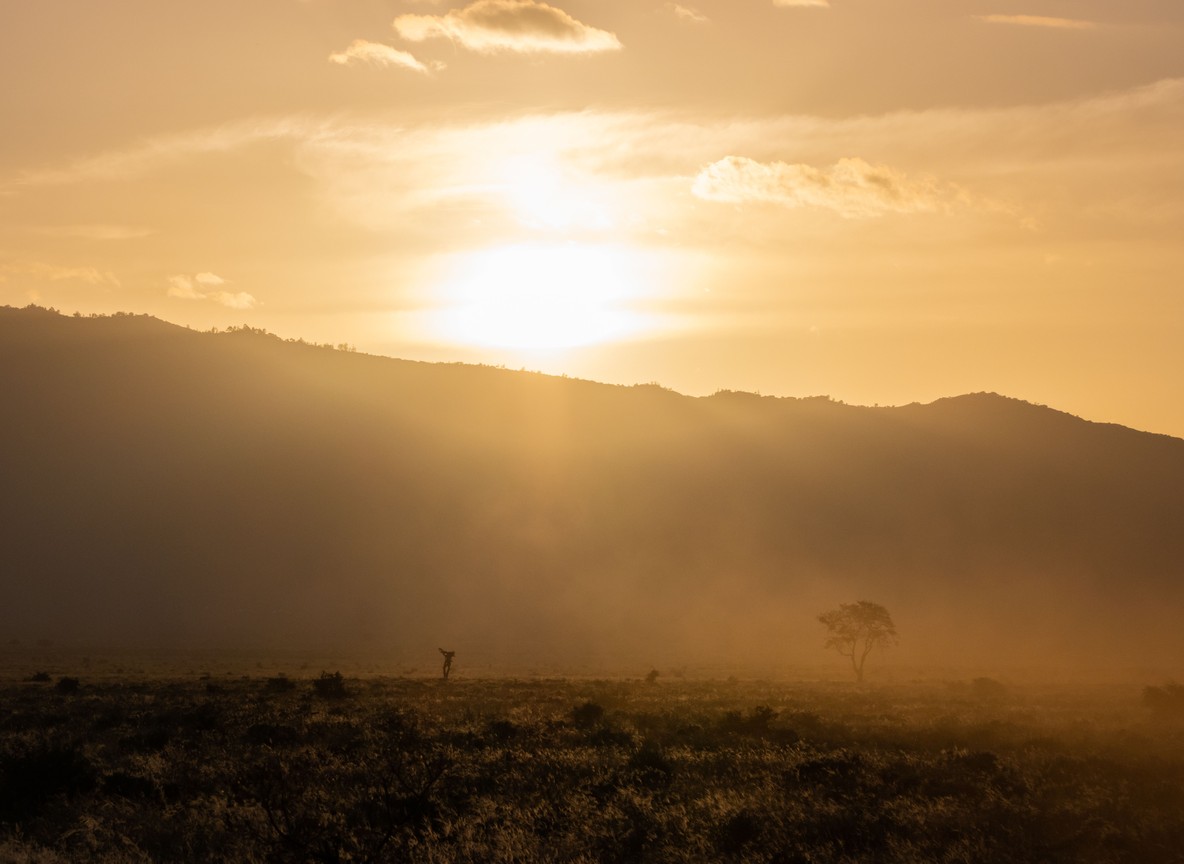
Camp staff at community-owned properties in the Mara North area say the clearest sign of genuine local ownership is who is in the room when you arrive, not just who signed the welcome letter. Ask your guide directly how long they have worked in the conservancy, and whether the camp is Maasai-owned, community-trust-owned, or foreign-owned with local staff. Most guides answer this proudly and in detail. If you are booking a group trip, ask the camp whether it can host a short conversation with a director or community trust representative during your stay. Several Mara North and Naboisho-area camps will arrange this on request. It turns a game drive into a real look at who the safari economy actually serves.
FAQ
What did the viral Black Travel Alliance safari post say? In March 2026, president Martinique Lewis found no Black travelers among more than 300 Google Images results for “safari” and asked others to share their own photos, prompting over 1,000 responses.
What percentage of African safari operators are Black-owned? The African Travel and Tourism Association reports that roughly 15 percent of its 600-plus member companies are Black-owned, a figure that includes ground operators controlling itineraries and camp relationships.
Are there Black-owned or community-owned safari camps in the Maasai Mara? Yes. Zebra Plains Mara Camp is Kenyan-owned with about 90 percent local Maasai staff, and Tangulia Mara Camp is fully owned and run by the local Maasai community near Musiara Marsh.
How can I find Black-owned safari operators for a Kenya trip? Check directories from Black Travel Alliance and outlets like Travel Noire, and ask any booking agent directly who owns the camps on your itinerary before you pay a deposit.
Why does representation in safari marketing matter? Marketing photos shape who imagines themselves on safari in the first place. A visibility gap in stock imagery and ad campaigns can discourage travelers who never see themselves reflected in the pictures.
If a community-owned or diaspora-facing camp in the Mara sounds like the right fit for your next trip, visit our Tour Packages page to compare conservancy stays, or ask a partner operator which camps they can connect you with directly.
Further reading
- Magical Kenya (Kenya Tourism Board)
- Maasai Mara Wildlife Conservancies Association
- African Wildlife Foundation