If you speak Sepedi and you are planning your first safari, this guide is for you. A big five safari guide for sepedi speakers is rare to find. Most guides target English speakers from Europe or North America. They skip what you actually need: clear details on getting from South Africa to Kenya, and what it costs in rand. This post also covers which parks give you the best chance of seeing lion, leopard, elephant, buffalo, and rhino. It gives straight talk on what works and what does not.
You already live in a country with excellent wildlife. Kenya still offers something different. The Masai Mara has open plains, Amboseli has giant elephants, and Laikipia protects rhino. The Big Five were once a hunter’s list. Today the phrase describes a photographer’s challenge, and rhino is the hardest of the five to find. Let’s get into the specifics.
What Is a Big Five Safari Guide for Sepedi Speakers?
The Big Five are lion, leopard, elephant, buffalo, and rhino. The term comes from colonial hunting, when these five animals were the most dangerous to hunt on foot. Today it is a tourism term, and seeing all five in one trip is a common goal.
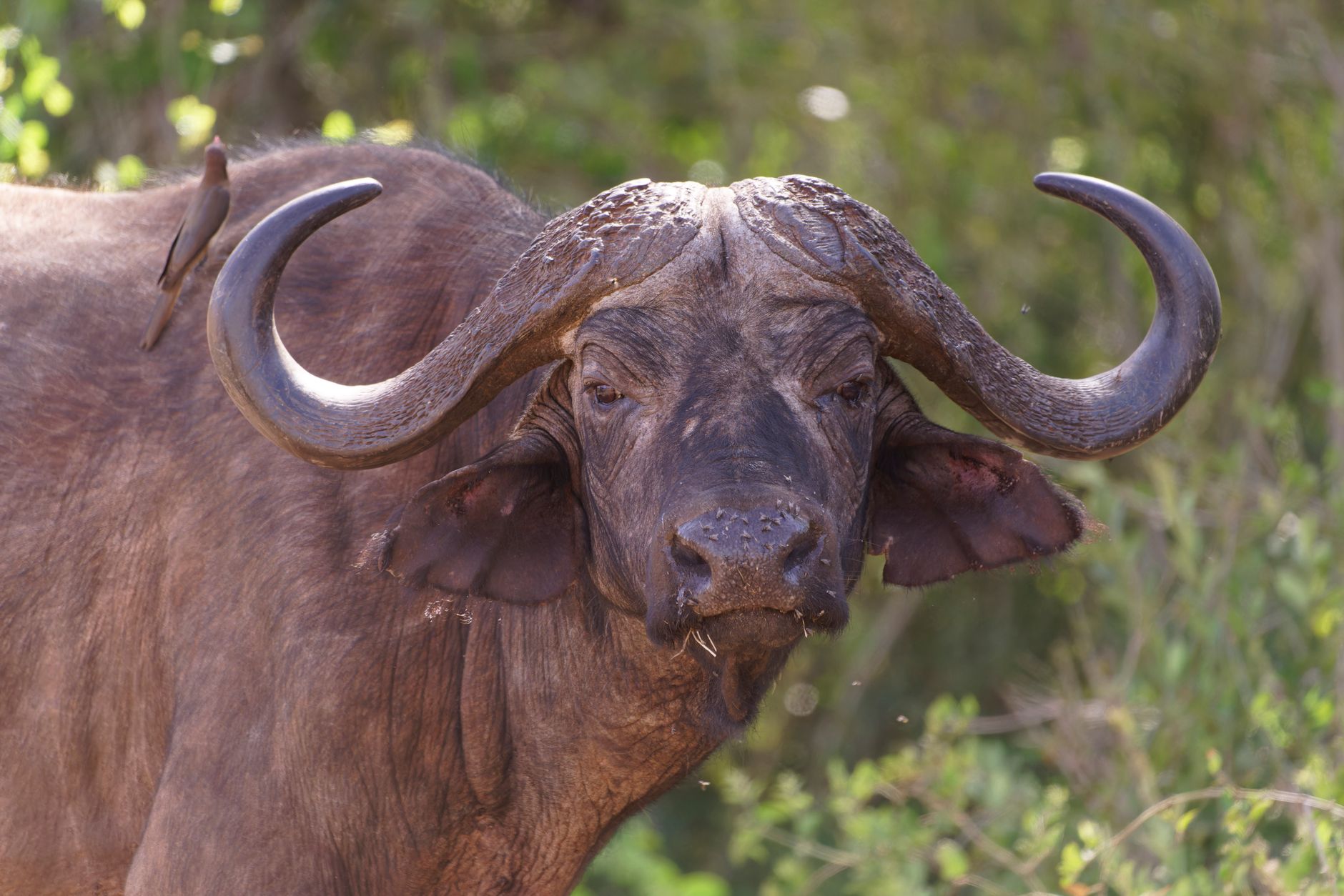
Kenya has two rhino species, black rhino and white rhino, and both are endangered. Black rhino are solitary and more aggressive. White rhino graze in open areas and are easier to spot. Lions live in prides and rest most of the day. Leopards are solitary and hide in trees. Elephants are the largest land animal, and buffalo are unpredictable, often found in large herds near water.
Which Kenya Park Has All Five Big Five Animals?
Several parks claim all five, but the reality is more mixed. The Masai Mara has lion, leopard, elephant, and buffalo in good numbers. Rhino are present but rare, and you can go days without seeing one.
Amboseli is known for elephants, with more than 1,500 in the ecosystem. Lions and buffalo are common there too, but rhino are extremely rare.
For a reliable shot at all five, head north to Laikipia. Ol Pejeta Conservancy holds the largest black rhino population in East Africa, plus white rhino, lion, leopard, elephant, and buffalo. It is a private conservancy, not a national park, which changes the experience.
Many travelers split their trip between the Mara and Ol Pejeta for classic safari drama plus rhino sightings. Read our comparison of the Masai Mara and Amboseli to decide what fits your style.
Is It Easy to Spot Rhino in Kenya?
No, rhino are the hardest of the Big Five to find. Black rhino are shy and live in dense bush, and fewer than 1,000 remain in the wild in Kenya. White rhino are more numerous but still rare outside protected sanctuaries.
In the Mara, rhino sightings happen but are not guaranteed. In Amboseli they are almost unheard of. Your best bet is a fenced conservancy such as Ol Pejeta or Lewa Wildlife Conservancy, where anti-poaching teams monitor rhino closely.
Ol Pejeta also protects the last two northern white rhinos on Earth, guarded around the clock. You can visit them with a ranger for a separate fee. For more on this area, see our guide to where to stay in Ol Pejeta.
What Is the Best Time of Year for Big Five Sightings?
The dry season, from June to October, is your best bet. Vegetation thins out and animals gather near permanent water, which makes them easier to find. July to October also brings the wildebeest migration in the Mara, spectacular but crowded.
January and February offer a short, pleasant dry spell with low grass, good for leopard sightings. The long rains run from March to May. Many camps close, roads turn muddy, and some parks become hard to reach. Prices drop, but you risk losing safari time. Read our best time to visit Masai Mara guide for a full breakdown.
Is Masai Mara or Amboseli Better for the Big Five?
It depends on which animals matter most to you. The Mara is better for lion, leopard, and buffalo, thanks to open grasslands and migration river crossings. Amboseli is better for elephants, with views of Kilimanjaro behind the herds, though its rhino population is negligible.
If you only have time for one park, choose the Mara. It gives you four of the five with strong odds, and you can add a northern conservancy for rhino. If elephants and mountain backdrops matter more, Amboseli makes a strong second stop. See our Masai Mara vs Amboseli comparison for more detail.
What Is the Difference Between a National Park and a Private Conservancy?
National parks are run by the Kenya Wildlife Service, and rules are strict, so off-road driving is generally banned. The Masai Mara itself is a national reserve run by the Narok County Government, not the Kenya Wildlife Service. Narok County sets its own entry fees.
Private conservancies are community land leased by safari operators. They allow off-road driving, which helps with spotting leopards, and vehicle density is lower so you share fewer sightings. Ol Pejeta and Lewa, both in Laikipia, put entry fees directly into conservation and local communities. Conservancy fees usually cost more than national park entry, and your operator will build this into your package.
If you want river crossings, stay in the reserve. If you want rhino and a quieter pace, pick a conservancy. Many trips use both.
How Many Days Do You Need for a Big Five Safari?
Plan for at least five full safari days. Rhino alone may take two days, even in a conservancy, and leopards are not guaranteed on day one. A 7 to 10 day trip is a relaxed pace, while shorter trips mean more driving and less time watching animals.
If you fly from Johannesburg or Pretoria, factor in travel time. Kenya is on East Africa Time, one hour ahead of South Africa. There is no major jet lag, but you still lose a day to travel.
How Do Sepedi Speakers Travel to Kenya and What Visa Is Needed?
South African passport holders need an eTA, an Electronic Travel Authorization, applied for online before travel. It takes a few days to process, and you pay a fee in US dollars. There is no visa on arrival anymore.
Direct flights from Johannesburg to Nairobi run daily and take about four hours. From Durban or Cape Town you will likely connect through Johannesburg. From Nairobi, a short domestic flight covers the last leg, about 45 minutes to the Mara or Ol Pejeta. Driving instead takes 5 to 6 hours on rough roads, so most visitors fly. Our Kenya safari planning guide for Southern African travelers covers the same logistics in more detail.
What Does a Big Five Safari Cost from South Africa?
Costs vary widely. A budget safari in basic tented camps with shared drives runs from R20,000 to R35,000 per person for 5 nights. Mid range camps with private bathrooms land around R45,000 to R70,000. Luxury camps with private guides can exceed R100,000 per person.
The biggest cost drivers are conservancy fees and internal flights, which typically add R6,000 to R12,000 per person round trip. The table below gives indicative ranges only, since final prices depend on season, camp, and booking time.
| Item | Indicative Range (ZAR per person) | Notes |
|---|---|---|
| Flights Johannesburg to Nairobi | R6,000 to R12,000 | Round trip, economy |
| Internal flights to parks | R6,000 to R12,000 | Two or three flights |
| National park entry, per day | R1,480 to R1,650 | KWS parks: Tsavo and Nairobi about USD 80, Amboseli and Nakuru about USD 90 |
| Masai Mara Reserve entry, per day | R1,850 to R3,700 | Set by Narok County, not KWS. USD 100 January to June, USD 200 July to December |
| Camping or budget lodge | R1,500 to R3,000 per night | Shared facilities |
| Mid range tented camp | R4,000 to R7,000 per night | Full board, private bathroom |
| Luxury camp | R10,000 and up per night | Private guide, gourmet food |
Use our Kenya safari cost page for a more detailed breakdown of what is included.
What Should You Know About Animal Behavior and Safety?
Lions are most active at night and in the cool morning, then sleep through midday heat. Leopards are active at dawn and dusk, and often hoist kills into trees, so look up into branches and rocky outcrops.
Elephants are protective of their young, so never block a female and her calf. In Amboseli they are used to vehicles, but keep a respectful distance in the Mara. Buffalo are quiet but can charge without warning, so trust your guide at all times.
Rhino in a conservancy are monitored, so guides usually know their range. White rhino graze in open plains, black rhino browse in bushes. Keep the engine running and stay still if you find one, since sudden movement can spook them.
How Should You Pack and Photograph the Trip?
Pack neutral colors such as khaki, olive, and beige, and avoid bright blue or white. Bring a warm jacket for early drives, since Mara mornings often drop below 10 degrees Celsius while midday can reach 28. Layers work best.
For photography, a zoom lens of 200mm to 400mm is ideal, though a bridge camera also works. A beanbag on the window sill steadies shots better than a tripod. Patience helps too. If a lion’s ears flick or an elephant raises its trunk, wait a few more minutes before you move on. Our Kenya safari packing list covers the rest, from adapters to first aid.
How Should You Structure a Big Five Safari Itinerary?
Start in Nairobi and stay near Wilson Airport the night before your first flight. Days 1 to 3, fly to the Masai Mara for three full days of game drives, focused on lion and leopard in the cooler hours.
Day 4, fly to Ol Pejeta or Lewa for two days. Use the first afternoon for black rhino and the second for white rhino, plus a visit to the northern white rhinos if you choose. Day 6, fly back to Nairobi, with time to visit the David Sheldrick Wildlife Trust to see orphan elephants.
This gives you 6 nights and 5 full safari days, enough to cover all five animals with good odds. Our Masai Mara guide has more detail on camps and routes.
What Else Should You Know About Conservation in Kenya?
A safari is not a zoo. The fees you pay fund anti-poaching patrols and community projects. Kenya has made real progress on rhino recovery, though pressure has not gone away.
Support conservation by choosing operators who employ local guides and contribute to conservancy funds. Avoid any operator that guarantees sightings, since that usually points to baiting, which is illegal. Ol Pejeta and Lewa use GPS collars and camera traps, and work closely with local Samburu and Laikipia communities.
Our guide for Malayalam speakers covers the same parks from a different angle, if you want another perspective.
Where Can You Compare Safari Operators and Find More Resources?
You are ready to move from research to booking. Browse packages from trusted operators to compare safari operators side by side. FindMySafari, Valley Safaris, and Trunktrails Safaris list camp locations, daily itineraries, and price brackets, so you can match a trip to your dates and budget.
For more planning reading, see the Ol Pejeta Conservancy guide from Trunktrails Safaris, the Ol Pejeta and Sweetwaters package from Valley Safaris, the Big Five collection on FindMySafari, and the Masai Mara migration guide from Trunktrails Safaris.