Many first-time safari planners overlook Nairobi National Park because it sits beside Kenya’s capital. That is a mistake. This park offers open savannah, a resident black rhino population, and the odd sight of giraffes walking against a city skyline. The best time to visit Nairobi National Park depends on what you want to see, how you handle rain, and whether crowds matter. This month-by-month guide gives you the practical trade-offs.
What is the best time to visit Nairobi National Park for wildlife?
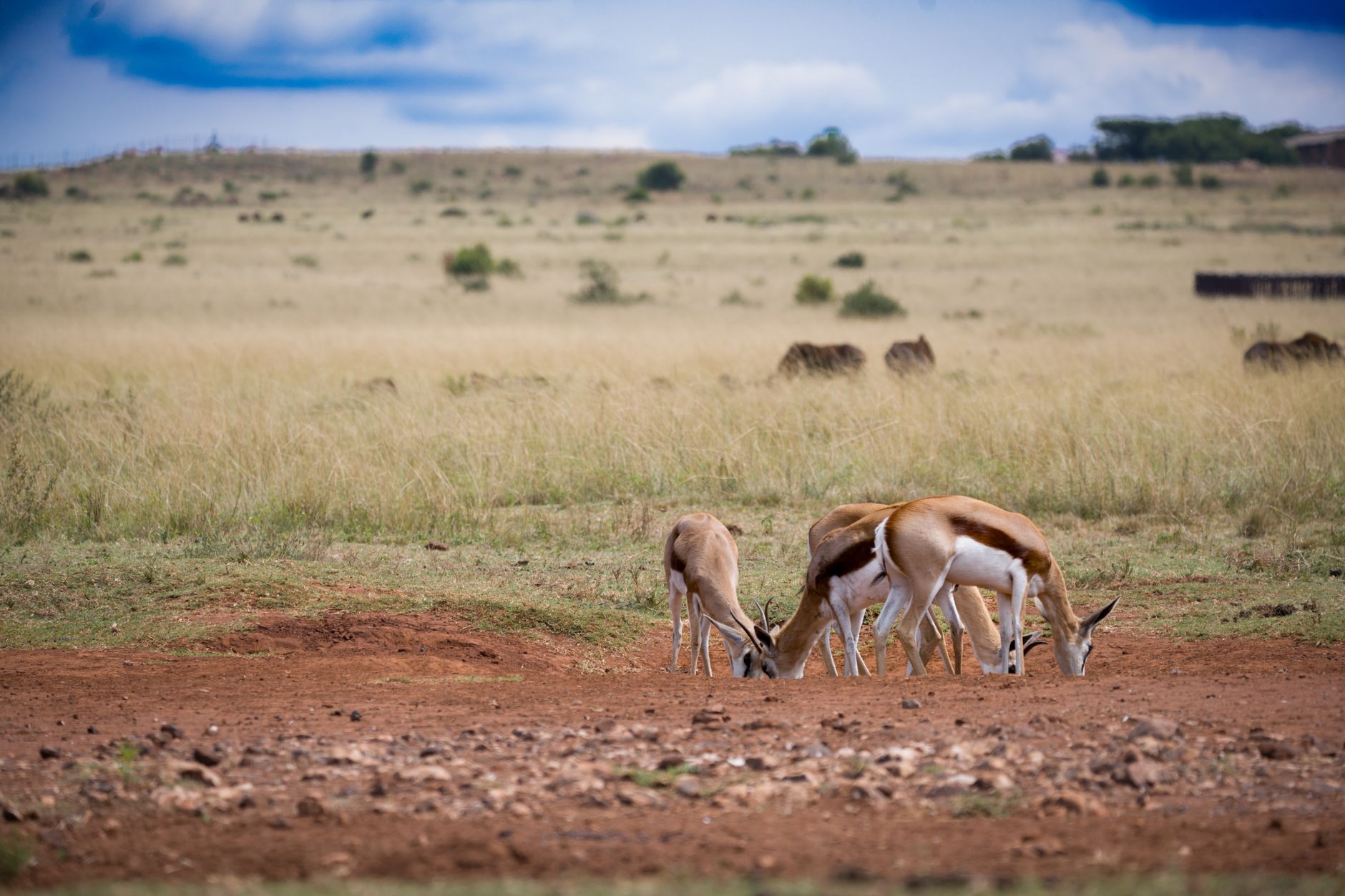
June to October is the best overall period for Nairobi National Park wildlife viewing, with January and February as a quieter secondary dry season. Shorter grass, clearer sightlines and reduced surface water can make animals easier to find, while July and August may offer seasonal movement of wildebeest and zebra from the Athi-Kapiti plains.
This is the classic dry-season recommendation, but it is not the only option. The park’s southern boundary is open to the Athi-Kapiti and Kitengela landscape, so wildlife moves in and out with the rains. In dry months, fewer water sources remain and animals gather near predictable spots. Lion, cheetah, hyena, buffalo, giraffe and black rhino are all possible. The skyline in the distance makes the photographs unlike any other park in Kenya.
What should you expect from Nairobi National Park month by month?
June to September usually brings the most dependable dry-season game viewing. October to December becomes greener, but rain can interrupt drives. January and February offer another clear, relatively dry window. March to May brings the long rains, taller grass and muddier roads. Rainfall timing varies, so no month guarantees identical conditions.
| Season (indicative) | Typical months | Wildlife visibility | Best for |
|---|---|---|---|
| Dry season | June to September | High, with shorter grass and animals near water | Mammal viewing, clear mornings |
| Short rains | October to December | Moderate, with green growth and some rain breaks | Migratory birds, dramatic landscapes |
| Secondary dry window | January to February | High, with fewer visitors than July and August | Quiet drives, clear skies |
| Long rains | March to May | Lower, with tall grass and muddy roads | Birding, green scenery, budget visits |
Use the table as a general guide, not a fixed calendar. The short rains are usually less destructive than the long rains. January and February often feel like a second dry season, while October can be green but still productive early in the month. The park is open each day of the year, but your experience will vary.
When is the dry season in Nairobi National Park?
The main dry season in Nairobi National Park runs from roughly June to September, with January and February acting as a shorter, often drier window. The long rains usually arrive from March to May, and the short rains often come around October to December. Exact timing shifts each year.
The dry season matters because it affects visibility. By June, grass is shorter and trees have lost some leaf cover, so animals are easier to spot. Wildlife also concentrates near the remaining water sources, which makes predator activity easier to follow. The trade-off is that July and August draw more visitors, especially on weekends and international holidays. If you want dry conditions with a calmer atmosphere, late January or early February is often a smart pick. Rain patterns in other parks do not always match Nairobi, so it helps to compare destinations. For example, see how Kenya’s seasons affect wildlife in Tsavo before deciding where to spend your days.
Is Nairobi National Park worth visiting in the rainy season?
Yes, especially for birdwatching, green landscapes, newborn animals and atmospheric photography. The trade-off is that heavy rain can interrupt a game drive, vegetation may be taller and some roads can become difficult, particularly during the long rains from March to May.
If your priority is lush scenery, the rainy season can be beautiful. The short rains from October to December bring migratory birds and fresh grass. The long rains from March to May are the quietest months in the park and sometimes come with lower lodge rates in the wider Nairobi area. Photographers enjoy the dramatic clouds before and after storms. Just be realistic about the downsides: a sudden downpour can cut a drive short, and some animals stay hidden in thicker vegetation. If you have flexibility in your itinerary, rainy-season travel can be a rewarding choice for birders and landscape photographers.
What is the best time of day for a Nairobi National Park game drive?
The best daily wildlife window is roughly 6:00 to 9:00 a.m., when predators may still be active, herbivores are grazing and temperatures are cool. A second productive period runs from about 4:00 p.m. until closing. Midday is generally weakest because heat drives animals into shade and creates harsher photographic light.
Arrive at the gate before opening if you can. The first hour often produces lion and cheetah sightings because big cats are still moving after the night. Early morning light is also the softest for photography. The late afternoon is the next-best window, especially in the dry season when animals return to open areas as the heat drops. The middle of the day is best used for a break at a picnic site or for a slower drive through shaded woodland. Plan your route so you are in the most promising habitat during the early or late hours.
When should you visit to avoid crowds and save money?
April to June generally offers fewer visitors and may provide better value than the peak dry season, but long rains can make some roads muddy and sightings less predictable. Weekday drives are usually calmer than public-holiday or peak-season weekend visits. January and February can also balance good visibility with fewer visitors than July and August.
Peak dates include the Christmas school holidays, Easter week and international summer holidays. On those weekends, the park can feel busier than a typical safari park, with more vehicles gathering around sightings. If you can choose a Wednesday or Thursday, you will often have a more private experience. Lower-season rates are not guaranteed at every Nairobi property, but flexible dates give you more negotiating room. Your total trip budget depends on more than the calendar, so read Kenya safari costs for a broader view of lodges, transport and park fees.
What wildlife can you see in Nairobi National Park?
Nairobi National Park can deliver lion, cheetah, rhino, buffalo, giraffe and plains-game sightings within sight of Nairobi’s skyline, but it is not a guaranteed Big Five checklist. Its wildlife depends on connected southern grasslands, including the Athi-Kapiti and Kitengela landscape, making habitat protection and wildlife corridors central to the park’s future.
Black rhino are a major draw, and the park often has one of the more accessible rhino populations in Kenya. Lion and cheetah are also present, though sightings take patience. Zebra, wildebeest, eland, waterbuck, impala and warthog are common. More than 400 bird species have been recorded, making the park strong for birdwatching as well. The southern fence line is not a solid wildlife barrier in every place, so animals can move between the park and surrounding grasslands. That movement is why conservation efforts extend beyond the park boundary. If you are staying in Nairobi for a few days, the park pairs well with other outdoor experiences near Nairobi such as a hike in the nearby hills.
What Are Frequently Asked Questions About Nairobi National Park?
What is the best month to visit Nairobi National Park?
September is a strong all-round choice because it usually falls within the dry season, offering clearer sightlines, shorter grass and reliable wildlife viewing. January or February can be preferable if you want a quieter alternative with similarly favorable conditions.
Can you visit Nairobi National Park year round?
Yes, Nairobi National Park can be visited throughout the year, but the experience changes by season. June to October and January to February generally offer easier mammal viewing, while the rainy months bring greener scenery, stronger birding opportunities and a higher risk of muddy roads.
What is the best time of day to visit Nairobi National Park?
Arrive around opening time for the best chance of seeing predators and active herbivores in cool temperatures. Late afternoon is the next-best window as temperatures fall, while the middle of the day is usually less productive for wildlife and photography.
Is Nairobi National Park worth visiting in the rainy season?
Yes, especially for birdwatching, green landscapes, newborn animals and atmospheric photography. The trade-off is that heavy rain can interrupt a game drive, vegetation may be taller and some roads can become difficult, particularly during the long rains from March to May.
How many hours do you need at Nairobi National Park?
Allow at least four hours for a useful game drive, ideally covering the early-morning wildlife window. A longer visit gives more time to reach different habitats, wait for sightings and avoid relying on a single brief circuit, although exact duration depends on the gate, route and traffic.
Ready to compare safari operators?
Once you settle on your dates, the next step is to compare safari operators and browse packages that match your style. FindMySafari, Valley Safaris and Trunktrails Safaris all offer Kenya itineraries with clear inclusions and honest advice. Use their trip planners to see how Nairobi National Park fits into a longer route with the Masai Mara, Amboseli or the Rift Valley lakes.
What Other Safari Planning Resources Should You Check?
- Best time to visit Kenya map from SafariPure
- Best time to visit Kenya from Trunktrails Safaris
- Best time to visit Kenya month-by-month map from Valley Safaris
- Big Five safari collection on FindMySafari