Planning a South Coast day trip from Diani or Mombasa often brings up Wasini Island dolphin watching and dhow tours. The honest answer to whether the excursion is worth it depends on your expectations. The trip is a full day, not a quick boat ride. It combines a traditional dhow, the Kisite-Mpunguti Marine Park, snorkeling, a Swahili lunch, and a visit to Wasini Island. Dolphins are possible, but never guaranteed.
What Do Wasini Island Dolphin Watching and Dhow Tours Include?
A typical full-day trip includes hotel pickup from Diani or Mombasa, transfer to Shimoni Jetty, a traditional dhow cruise, dolphin spotting near Kisite-Mpunguti Marine Park, snorkeling or a sandbank stop, seafood or vegetarian lunch on Wasini Island, and a village or coral-garden visit. Exact inclusions vary by operator and tide conditions.
Most operators package the day around a set schedule. You will usually meet a driver at your hotel before the boat leaves. The route starts at Shimoni Jetty. The boat itself is a dhow, the classic wooden sailing vessel of the Swahili coast. Some dhows have a motor for parts of the crossing. The marine park section is where guides slow down to scan for dolphins and where snorkeling stops happen. The lunch stop on Wasini Island usually includes fish, rice, coconut sauce, and fruit. Vegetarian meals are available if you request one in advance.
Wasini Island dolphin watching and dhow tours work best for travelers who enjoy a full day on the water. They are less ideal for anyone looking for a short excursion or a guaranteed dolphin show.
How Do You Get to Wasini Island from Diani or Mombasa?
Most excursions begin with an early road transfer to Shimoni Jetty, where guests board a dhow for Kisite-Mpunguti Marine Park and Wasini Island. Diani is closer than Mombasa. Published itineraries commonly show pickup around 7:30 a.m. from Diani and 6:00 a.m. from Mombasa, with return in the late afternoon or evening.
Diani is the more convenient base for this trip. The drive to Shimoni follows the coast road south through Ukunda and smaller trading towns. Most groups leave early because the dhow schedule depends on tides and daylight. From Mombasa the drive is noticeably longer, so the day starts even earlier. If you are staying on the South Coast, our Diani Beach guide has more context on the area.
How Does Dolphin Watching Work in Kisite-Mpunguti Marine Park?
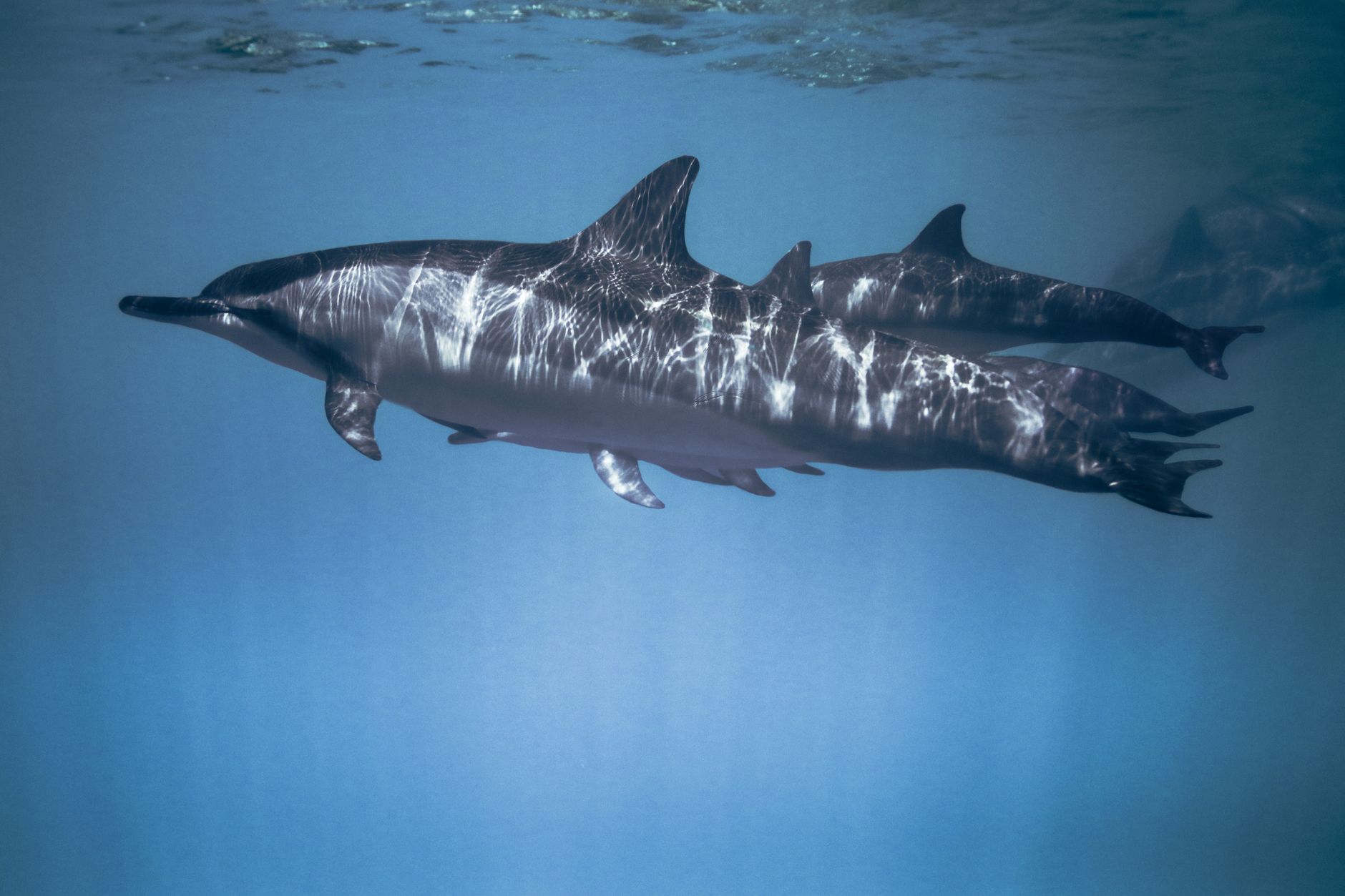
Dolphin sightings are possible in the waters around Kisite-Mpunguti Marine Park, but they are wildlife encounters, not guaranteed performances. Guides should keep a respectful distance, avoid chasing or surrounding pods, and never promise that visitors can swim with dolphins. The best experience is watching natural surfacing, travel, and social behavior from the dhow.
The park protects coral reefs, fish, and the waters around Kisite and Mpunguti islands. Common dolphin species in this area include Indo-Pacific bottlenose dolphins and spinner dolphins. You are most likely to spot them early in the day, when the sea is calmer. A good guide will cut the engine or slow the dhow when a pod is near. That is a positive sign. It means the crew understands responsible wildlife viewing.
If a skipper charges toward a dolphin or promises a swimming encounter, treat it as a red flag. Swimming with wild dolphins is not a normal part of responsible tours in this park. The goal is to observe without stress to the animals.
What Are the Dhow, Snorkeling, and Glass-Bottom Boat Options?
The dhow provides the main scenic journey from Shimoni into the marine park, while snorkeling usually takes place near reefs or a sandbank. Non-swimmers can often remain aboard, use a glass-bottom boat or viewing equipment, or relax at the sandbank. They should confirm equipment, flotation support, and sea conditions before booking.
Snorkeling does not require you to be an experienced swimmer. Most operators provide a life jacket and a mask. If you want to see the reef without getting wet, ask about a glass-bottom boat. Some dhows have a glass viewing panel. Others bring a separate small boat. Non-swimmers can also stay on the dhow during the snorkel stop.
Confirm the plan at booking. Find out whether the crew will anchor on a sandbank where you can wade. Ask about flotation vests, especially if you are not confident in open water.
What Happens on Wasini Island During the Lunch Stop?
After the marine-park activities, many tours serve a Swahili-style seafood lunch on Wasini Island, with vegetarian meals available by request. A short village walk may include coral gardens, mangroves, local culture, or community conservation projects. These stops can change with tides, time available, and the operator’s schedule.
The Wasini Island stop is more than a meal. Many tours include a guided walk through the village. You may see coral stone buildings, mangrove boardwalks, and community projects. Some operators support a coral nursery or a local women’s cooperative.
Ask how the island community benefits from tourism. That question helps you choose a responsible operator. It also makes the stop more meaningful.
When Is the Best Time for Calm Seas and Marine Wildlife?
The most comfortable dhow trips usually depend on the day’s wind, swell, and tide rather than a single guaranteed month. Dry-season conditions can offer clearer water. Rainy-season travel may bring rougher seas and reduced visibility but fewer visitors. Check the marine forecast and tide timing before committing, especially for snorkeling and sandbank stops.
The Kenyan coast has two rainy seasons, roughly April to May and November. Lighter winds and smaller swells make the dhow ride more comfortable. Clearer water helps you see fish and coral. But even in a dry month, a windy day can change the plan.
Check the forecast the night before and talk to your operator. For more detail, see our guide to the best time for calm seas and dhow sailing. If you are planning a wider safari, our Kenya travel planning by season guide is a useful companion.
What Do Wasini Island Dolphin Tours Cost and What Should You Compare?
Published prices range from low-cost local dhow arrangements to roughly US$80 to US$120 per person for organized day trips, depending on pickup, group size, park fees, meals, equipment, and boat type. Compare the full package rather than the headline price. Choose an operator that explains dolphin-viewing rules, carries safety equipment, and supports local guides and island businesses.
Price is where travelers often get confused. A headline price may not include park fees, lunch, or snorkel gear. A higher price may include hotel pickup, a larger boat, and a more experienced crew. Ask what happens if dolphins are not seen. Some operators offer partial credit or a discount on a repeat trip. Others treat a sighting as luck.
| Tour option | Typical pickup | Price per person | Usually included |
|---|---|---|---|
| Organized day tour from Diani | around 7:30 a.m. | about US$80 to US$120 | road transfer, dhow, park entry, lunch, snorkel gear, village visit |
| Organized day tour from Mombasa | around 6:00 a.m. | about US$80 to US$120 | road transfer, dhow, park entry, lunch, snorkel gear, village visit |
| Local dhow from Shimoni Jetty | tide dependent | often lower, quoted separately | boat trip only; park fees, meals, and gear may be extra |
When comparing, check safety equipment, crew experience, and whether the operator follows park rules. Local guides and island businesses benefit when you book through a tour company that pays them fairly.
What Should You Pack for a Wasini Island Boat Trip?
Pack reef-safe sunscreen, a hat, sunglasses, swimwear, a dry bag, motion-sickness medicine, water shoes, and a light layer for the boat. Wear a life jacket when instructed, secure valuables, and follow crew directions around reefs and currents. Do not touch coral, feed wildlife, collect shells, or pressure guides to approach dolphins closely.
Pack light but cover the basics. Reef-safe sunscreen is important because standard sunscreen can damage coral. A rash guard or lightweight long-sleeve shirt also helps. Sandals with straps work better than flip-flops on a moving boat. Motion sickness affects some people on the open crossing, so bring medicine if you are prone. Keep cash small for souvenirs or tips. Leave jewelry at home.
For a fuller checklist that covers the rest of your Kenya trip, start with our Kenya safari packing list.
What Do Travelers Ask About Wasini Island Dolphin Tours?
Travelers most often ask about dolphin sightings, cost, transport, timing, and whether the trip is worth a full day. Dolphins are possible but not guaranteed, organized day trips commonly cost about US$80 to US$120, Diani pickups usually start around 7:30 a.m., and the best conditions depend on wind, swell, and tide. Concise answers appear below.
Can You See Dolphins at Wasini Island?
Yes, dolphins are sometimes seen during the dhow crossing and marine-park portion of the trip, particularly around Kisite-Mpunguti waters. Sightings are not guaranteed because dolphins move freely, and responsible operators should observe them without chasing, feeding, or attempting to force a swimming encounter.
How Much Does a Wasini Island Dolphin Tour Cost?
Organized day tours commonly advertise about US$80 to US$120 per person, while local dhow prices can be lower or quoted separately. The final cost depends on whether transport from Diani or Mombasa, marine-park fees, snorkeling equipment, lunch, and village activities are included.
How Do I Get to Wasini Island from Diani?
Book a tour with road pickup from Diani, travel south to Shimoni Jetty, and board a dhow for the marine park and Wasini Island. The early start helps coordinate with boat departures, tides, and the return drive. Pickup times are commonly around 7:30 a.m. from Diani.
What Is the Best Time to Visit Wasini Island?
Choose a day with lighter winds, manageable swell, and suitable tides for the most comfortable dhow ride and clearest snorkeling. Conditions vary throughout the year, so check a local marine forecast and ask the operator whether the planned reef and sandbank stops are likely to be accessible.
Is Wasini Island Worth Visiting?
Wasini Island is worthwhile for travelers who want one South Coast outing combining marine wildlife, a traditional dhow, snorkeling, Swahili food, and local culture. It is less suitable for travelers seeking guaranteed dolphin encounters or a short excursion. Transfers, tides, and the boat journey make it a full-day experience.
Where Can You Find More Safari Planning Resources?
These additional guides support the rest of your Kenya trip by covering Diani Beach logistics, the best time for calm seas and dhow sailing, Kenya travel planning by season, and a full safari packing list. Use them to plan beyond the Wasini day trip.
- Diani Beach guide
- Best time for calm seas and dhow sailing
- Kenya travel planning by season
- Kenya safari packing list
Where Should You Compare Wasini Island Tour Packages?
To match a Wasini day trip with the rest of your Kenya itinerary, compare safari operators and browse packages from trusted sources. Good starting points include FindMySafari and Valley Safaris. These platforms can help you compare itineraries, inclusions, and responsible practices before you decide.