Planning an Amboseli safari on a tighter budget? The rainy season usually brings the lowest Amboseli safari rainy season prices of the year, often 15% to 40% below high-season rates. If you are new to the park, start with our Amboseli safari guide for an overview. This post explains what rainy-season prices include, separates park fees from accommodation costs, and gives you a realistic picture of wet-season travel.
What Are Amboseli Safari Rainy Season Prices?
Amboseli safari rainy season prices typically start around USD 390 to USD 490 per person for a budget two-day package, USD 560 to USD 760 for mid-range travel, and USD 980 to USD 1,680 for luxury, before international flights. Three-day, two-night private 4×4 packages commonly range from about USD 1,010 to USD 1,830 in low season, depending on camp and inclusions.
These are indicative low-season ranges, not fixed quotes. They are based on recent operator packages and assume two people sharing a room or tent.
| Package type | Indicative low-season price per person |
|---|---|
| Budget, two-day trip | USD 390 to USD 490 |
| Mid-range, two-day trip | USD 560 to USD 760 |
| Luxury, two-day trip | USD 980 to USD 1,680 |
| Private 4×4, three-day trip with two nights | USD 1,010 to USD 1,830 |
Your full Amboseli safari cost depends on the number of nights, the camp tier, and whether you book a private vehicle. Prices also change by property and exact dates. A camp may quote a lower rate in April, but the same camp may charge extra for drinks or a private game drive. Always ask whether the figure is per person, per vehicle, or per room.
For budgeting the whole trip, see what a full Kenya safari costs before you compare the Amboseli-only options.
How Much Do Amboseli Park Fees Cost During the Rainy Season?
Park fees are a separate cost and should be checked against the current Kenya Wildlife Service tariff before booking. Published tariffs have listed either USD 60 or USD 90 per adult non-resident per day in recent seasons, depending on the tariff period or source, while vehicle fees may also apply. Ask for an itemized quotation showing entries, vehicle charges, and accommodation.
The KWS fee does not usually change with the rainy season. That means the 15% to 40% saving usually comes from the lodge or camp, not from the gate. If you are comparing Amboseli park fees with another park, ask the operator to show the current tariff for the dates you plan to visit.
When Is the Rainy Season in Amboseli?
Amboseli has long rains from March to May, with April usually the wettest month, and shorter rains around November and December. Rain often arrives as afternoon or overnight showers rather than continuous rain, but April and May can produce muddy tracks and difficult road conditions. November can offer greener scenery with less severe disruption.
January and February are generally dry and hot. June through October is the classic dry season, with cooler mornings and clearer skies. The Amboseli rainy season is split into two periods: the long rains that peak in April, and the short rains that often begin in November and continue into December. Some years are dry, while others see heavy storms, so exact timing is hard to predict.
Lake Amboseli is a shallow, seasonal lake inside the park. After heavy rain it can fill and attract water birds, but it is often dry at other times. If you want to photograph Kilimanjaro, morning cloud cover is more common in wet months.
Dirt roads can become slippery and some tracks close after storms. A sturdy 4×4 with high ground clearance helps. Confirm the operator uses a proper safari vehicle, not a standard car.
If you are deciding between destinations, see our Masai Mara versus Serengeti safari comparison to see how the same rains affect both parks.
Is Amboseli Worth Visiting During the Rainy Season?
Yes, if lower prices, green scenery, dramatic skies, and fewer visitors matter more than consistently dry roads. Elephant viewing can remain rewarding because Amboseli’s swamps retain water, while birdlife improves after rain. The main compromises are muddy tracks, temporary access problems, cloud cover around Kilimanjaro, and wildlife dispersing beyond the park during heavier rains.
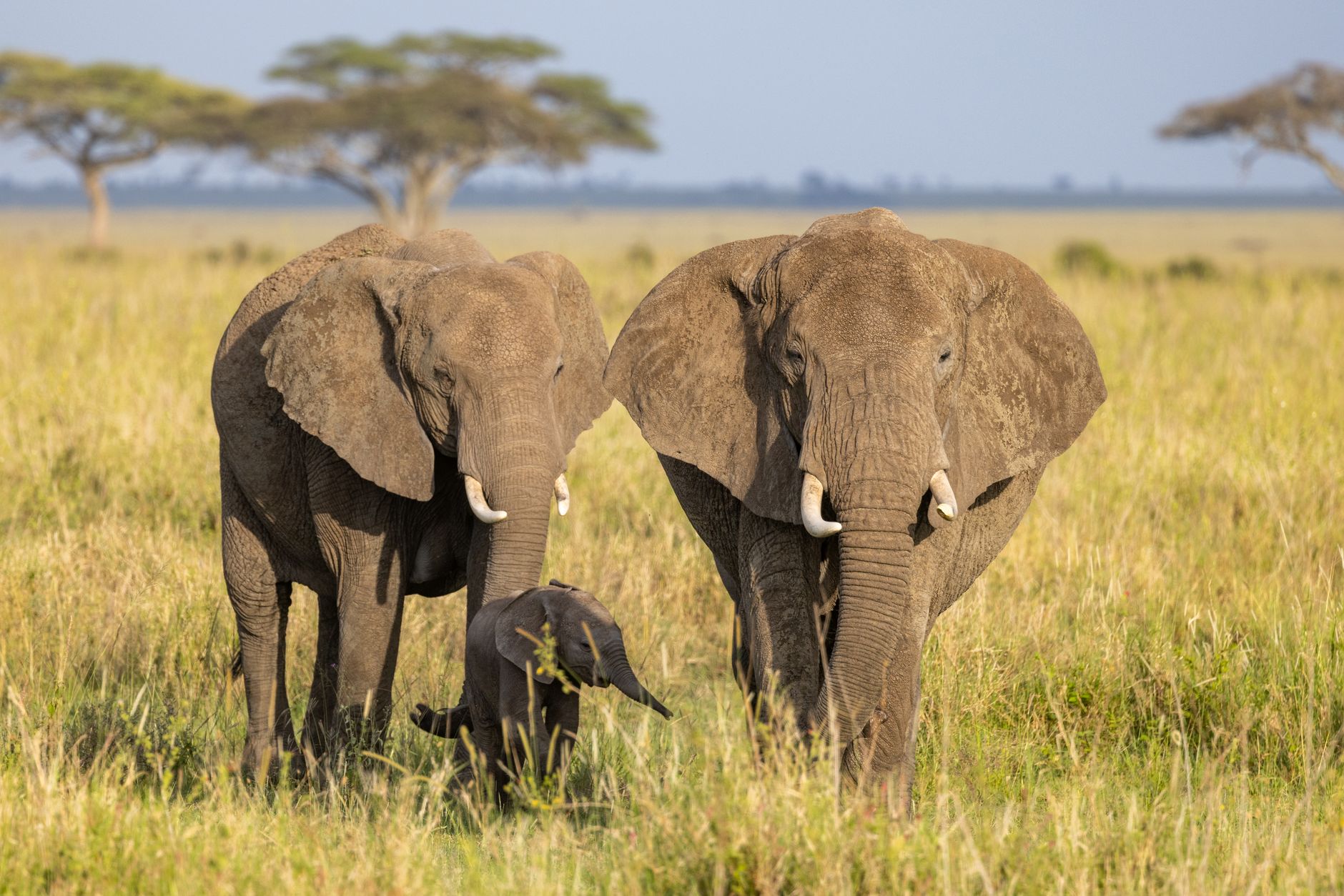
Amboseli’s permanent swamps draw elephants even in wet months. When fresh grass appears, herds can spread out over a wider area. The wildlife experience is still good, but it is less predictable than in July or August.
Birdlife is a clear benefit. Water birds gather at swamps and pools, and migrants arrive around November. You may also see the park with fewer vehicles. Many travelers accept some road risk to get lower rates.
Conservancies around the park, including Kimana Sanctuary and parts of Olgulului Group Ranch, offer community-managed land for wildlife. Tented camps in these areas can add a private, quieter element to the trip. Ask your operator whether your package includes any conservancy access.
Kenya’s parks and conservancies also support broader wildlife conservation work across the country, which benefits the animals you see on safari.
Which Rainy-Season Months Offer the Best Safari Prices?
April, May, and parts of November usually provide the strongest value, although April and May carry the greatest weather and road risk. December through February may be greener than the dry season but can attract higher demand, especially around Christmas and New Year. May or November often offers the best balance of reduced rates and usable safari conditions.
May is a good compromise for many travelers. The long rains are usually fading, the landscape is green, and rates are still low. November has a similar feel before the short rains build, but school holidays can push demand higher.
Late December and January are not true low season. Even if fresh grass remains, families traveling during school breaks fill camps, and prices rise. If you want the steepest discount, target May or early November, and stay flexible with exact dates. These months form the Amboseli low season for most lodges.
What Is Included in a Rainy-Season Amboseli Safari Price?
A package may include accommodation, meals, shared or private game drives, road transfers, a driver-guide, and park-entry fees, but inclusions vary widely. Confirm whether the quote covers non-resident park fees, vehicle charges, airport or Nairobi transfers, conservancy fees, drinks, activities, and single-room supplements. Lower seasonal rates often apply only to the lodging component.
The difference between a low headline price and a fair all-inclusive price is usually in the details. Before you compare quotes, ask four questions: Does it include park fees for every day? Is the vehicle private or shared? Are transfers from Nairobi or the nearest airstrip included? Are meals and bottled water covered? If a camp charges extra for activities, ask which ones matter to you.
Many Amboseli safari packages include two or three game drives per day, but rainy-season schedules may shift. Heavy rain can delay a morning drive or force a route change. A good driver-guide will adapt and still give you a meaningful wildlife experience.
Comfort in a tent also matters more if you are staying through a storm. Expect a few insects after rain, and pack accordingly.
Some operators quote a low rate for the camp and then add a long list of extras. Others quote a higher rate but include everything. The itemized quotation is the only fair way to compare.
What Do Travelers Ask About Amboseli in the Rain?
Travelers mostly want to know whether Amboseli is cheaper in the rain, which months bring the long and short rains, and whether April is worth the risk. They also ask about elephants, road conditions, and park fees. The short answers are that savings are real but uneven, April is riskier, and park fees do not always drop.
Is Amboseli cheaper during the rainy season?
Usually, yes. Lodge and package prices can fall by approximately 15% to 40% outside peak periods, although the saving depends on the property, room type, group size, and dates. Park-entry fees may not fall in line with accommodation prices, so request an itemized quote.
What months are rainy season in Amboseli?
The main rainy season runs from March through May, with April generally the wettest month. A shorter rainy period usually occurs in November and December. Rainfall is variable, and showers are often concentrated in the afternoon or evening rather than lasting all day.
Is April a good time to visit Amboseli?
April can be good for lower prices, lush landscapes, birds, and dramatic photography, but it is one of the riskiest months for muddy roads and disrupted game drives. Choose a vehicle with strong ground clearance, allow schedule flexibility, and confirm current access conditions before paying a non-refundable deposit.
Does it rain all day in Amboseli?
Usually not. Most rain arrives in afternoon or overnight showers. Mornings can be clear, but conditions vary. Pack a light rain jacket and keep camera gear in a dry bag, and you can still enjoy most of the day.
Are roads in Amboseli bad during the rainy season?
Some roads become muddy and slippery after heavy rain. Temporary closures can happen, especially around Lake Amboseli and on clay tracks. A proper 4×4 with high ground clearance is essential, and an experienced guide should reroute if needed.
Can you see elephants in Amboseli during the rainy season?
Yes. Elephants can still be seen around Amboseli’s permanent wetlands during rainy months, although herds may spread out when fresh grazing becomes available. Wildlife visibility is less predictable than in the dry season, but green scenery, birdlife, and fewer vehicles can improve the overall experience.
Are Amboseli park fees cheaper in the rainy season?
Not necessarily. Published sources show different non-resident fee figures and tariff periods, so travelers should not assume that a lower lodge rate means a lower park fee. Ask the operator to state the applicable KWS fee, number of entry days, vehicle charge, and whether any conservancy fee is included.
How Do You Compare Amboseli Rainy-Season Safari Packages?
A reliable comparison starts with three itemized quotations. Check the accommodation tier, the number of park days, the vehicle type, and whether park fees, conservancy fees, transfers, and meals are included. Then weigh the weather risk for your dates and ask how flexible the operator can be if roads close.
Because Amboseli safari rainy season prices vary by camp and operator, the cheapest quote is not always the best value. Use the figures in this guide as a starting point, then compare written offers. To see what different companies include, browse packages from Valley Safaris, compare operators through FindMySafari, and check the lineup at Trunktrails Safaris.
Where Can You Find More Safari Planning Resources?
- Best time to visit Kenya map from SafariPure
- Amboseli National Park guide from Trunktrails Safaris
- Best time to visit Kenya month-by-month map from Valley Safaris
- Amboseli destination guide on FindMySafari