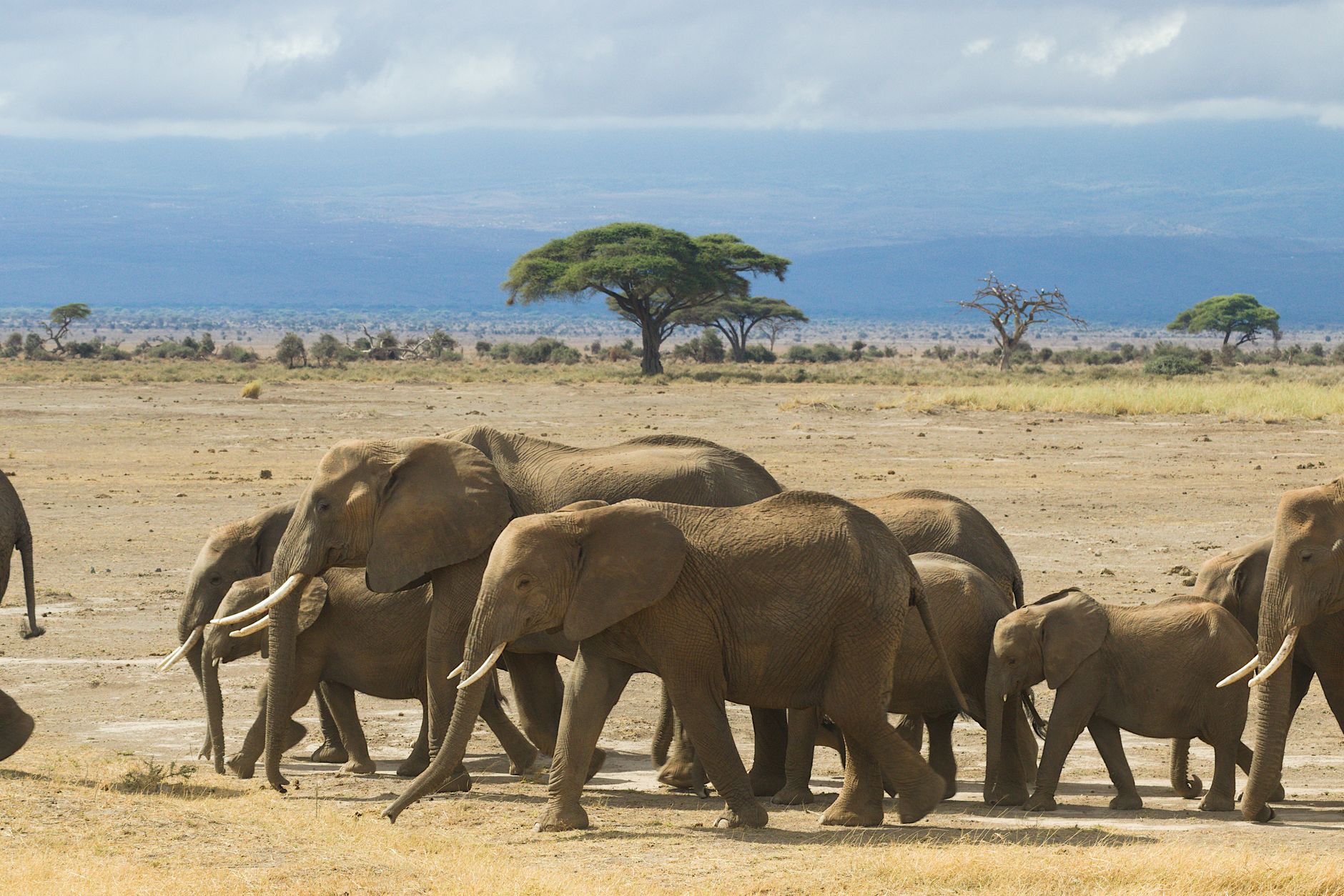
Amboseli National Park is a classic Kenya safari stop. Visitors come for elephants, swamps and the view of Kilimanjaro on the horizon. The Amboseli safari park fees for 2026 are set by Kenya Wildlife Service. They change with your age, citizenship and residency status, so the price is not the same for every traveler.
This article covers the confirmed KWS rate, the likely extra charges for vehicles and guides, the payment process and what the fee includes. It also gives simple total costs so a first time safari planner can budget with confidence.
What Are the Amboseli Safari Park Fees for 2026?
For 2026, Amboseli National Park charges non-resident adults USD 90 per person for a 24-hour entry period. This is the confirmed KWS rate. Other categories, such as non-resident children, African citizens, Kenya residents and East African citizens, pay less, but their exact current figures are not confirmed here. Always check the KWS eCitizen portal for the precise number before you travel. Rates apply per person, not per vehicle.
| Visitor category | Adult rate | Child rate |
|---|---|---|
| International non-resident | USD 90 (confirmed) | Indicative, roughly USD 40 to 50 |
| African citizen | Indicative, roughly USD 40 to 60 | Indicative, roughly USD 20 to 30 |
| Kenya resident | Indicative, roughly KES 1,800 to 2,200 | Indicative, roughly KES 900 to 1,100 |
| East African citizen | Indicative, roughly KES 1,300 to 1,700 | Indicative, roughly KES 650 to 800 |
The USD 90 non-resident adult rate is the confirmed KWS figure for 2026. The other rows show indicative ranges based on the usual pattern of KWS pricing, not confirmed current figures. The right category depends on the travel documents you carry. A foreign passport puts you in the non-resident category. A Kenyan residence document puts you in the resident category. If a tour operator books your trip, confirm the exact rate and category before you pay.
Is the Amboseli Fee Charged Per Person or Per 24-Hour Entry?
Amboseli entry fees are charged per person for a 24-hour period, rather than as one unlimited ticket for the whole safari. A two-night itinerary may need more than one entry period. This depends on ticket timing, overnight arrangements and whether the vehicle leaves the park.
Many travelers describe this as a daily fee. In practice, most safari days mean one morning and one late afternoon drive inside the park. The official KWS wording is 24 hours, not a calendar day. If you enter at noon, your ticket covers you until noon the next day. If your camp sits outside the park gate, confirm whether each day needs a new entry payment.
Do Children and Residents Pay Lower Fees?
Children and residents do pay lower rates than international non-residents. That pattern holds across Kenya’s national parks. Exact current child, African citizen and resident figures for Amboseli are not confirmed here, so treat any specific number you see elsewhere as indicative until you check the KWS eCitizen portal. You must show valid proof of age and residency at the gate.
The Amboseli child fee follows the same visitor categories as the adult fee. For non-residents, the child rate is typically close to half the adult rate. KWS may apply its own definition of a child, so ask your lodge or safari operator to confirm the age limit before booking.
Residents should carry more than a photocopy of their residence document. Immigration stamps, work permits and national identity cards all help gate staff check your category quickly. Non-residents should carry the passport they used to enter Kenya.
What Extra Charges Apply to Vehicles and Guides?
Park entry does not cover the safari vehicle or a guide. KWS charges a separate vehicle fee that rises with seating capacity, and a separate guide or security service fee. Exact current amounts are not confirmed here, so ask your operator or check the KWS eCitizen portal for the figures that apply to your trip.
Here is how that changes a simple budget, using indicative figures only. A non-resident couple in a small car starts at USD 180 for one 24-hour park entry. Add an indicative vehicle charge in the low hundreds of Kenyan shillings. Add a further indicative charge if you want a KWS guide.
A vehicle with more seats costs more than a small car. A safari minivan or larger 4×4 will not fit the lowest vehicle rate, so ask your operator for the exact charge. Always check your quote to see whether the vehicle charge is already included.
How Do You Pay the Amboseli National Park Entrance Fee?
Pay Amboseli National Park fees through the KWS eCitizen payment system using electronic options such as M-Pesa and Visa. Confirm the current rate and visitor category before traveling, because older websites can show superseded amounts. Keep the payment confirmation accessible at the gate.
Most tour operators include the park fee in their package and pay it for you. Self-drive visitors can pay through the same KWS eCitizen portal. The portal also lists current rates for other parks, which is useful if you are combining Amboseli with Kenya safari park rules. Save a screenshot or PDF of your payment confirmation. Gate staff may ask to see it before issuing your entry ticket.
What Does the Park Fee Include and Exclude?
The Amboseli park fee covers the visitor’s authorized entry into the national park for the applicable validity period. It does not cover accommodation, meals, transport to Amboseli, safari vehicles, private conservancy fees, guide services, tips, drinks, insurance or optional activities.
This is where cost confusion starts. A safari quotation may show a line for the KWS park fee and another line for a conservancy or community fee. Those are not the same money. Some lodges sit on private land outside the national park, and that land may charge its own access fee.
Another separate issue is lodging. Water and waste systems at Amboseli camps are part of the safari experience, not the park gate. If a camp advertises its services, that is a separate cost from park entry. Read the Amboseli safari lodge water supply guide before choosing where to stay.
Is Amboseli Worth the Fee Compared With Other Kenya Parks?
Amboseli earns a premium park fee for dependable elephant viewing and views of Kilimanjaro. It suits travelers who want a compact park with strong herds and rewarding mornings. Masai Mara suits travelers who want migration river crossings and vast plains.
If this is your first Kenya safari, Amboseli has one clear advantage. Wildlife is often easier to find because the park is smaller than Tsavo or the Mara ecosystem. Elephants gather around the swamps, so your driver does not need hours to locate them. The downside is that Amboseli can feel busier in peak months.
The best time to visit does not change the entry fee. KWS applies the same rates all year. Travelers who prefer dry-season wildlife usually choose the dry months. Travelers who want green landscapes and quieter roads often enjoy the wet season.
For full cost planning, compare Amboseli with Masai Mara vs Amboseli and use the Kenya safari cost page to see how flights, lodges and park fees fit together.
How Can You Book an Amboseli Safari From Here?
Start by getting a quote from TouringInsights at touringinsights.com, since the park fee is only a small part of your total safari cost. Your real budget includes flights or the drive to Amboseli, accommodation, meals, the vehicle and the guide, so a two-night itinerary costs far more than the gate fee alone.
Amboseli works best for travelers who want elephants, mountain views and a park that is easy to cover in a few days. Masai Mara works better when the migration or wide-open plains matter more. Both parks justify their 2026 fees inside a carefully planned itinerary.
You can also compare safari operators at FindMySafari, browse packages through Valley Safaris, or check Trunktrails Safaris for a comparable trip.
Where Can You Find More Safari Planning Resources?
- Amboseli map and guide from SafariPure
- Amboseli National Park guide from Trunktrails Safaris
- Map of Amboseli from Valley Safaris
- Amboseli destination guide on FindMySafari