Kenya Wildlife Service opened a new crocodile park in the Amboseli ecosystem on June 20, 2026. KWS calls it the first crocodile eco-tourism and education facility built specifically for this part of Kajiado County. For travelers already planning an Amboseli trip around elephants and Kilimanjaro views, it is a small but genuine reason to add a stop. This guide covers what the park actually is, where it sits, what it costs to see the wider Amboseli area, and how to fit a visit into a longer safari.
What Is the Amboseli Crocodile Park
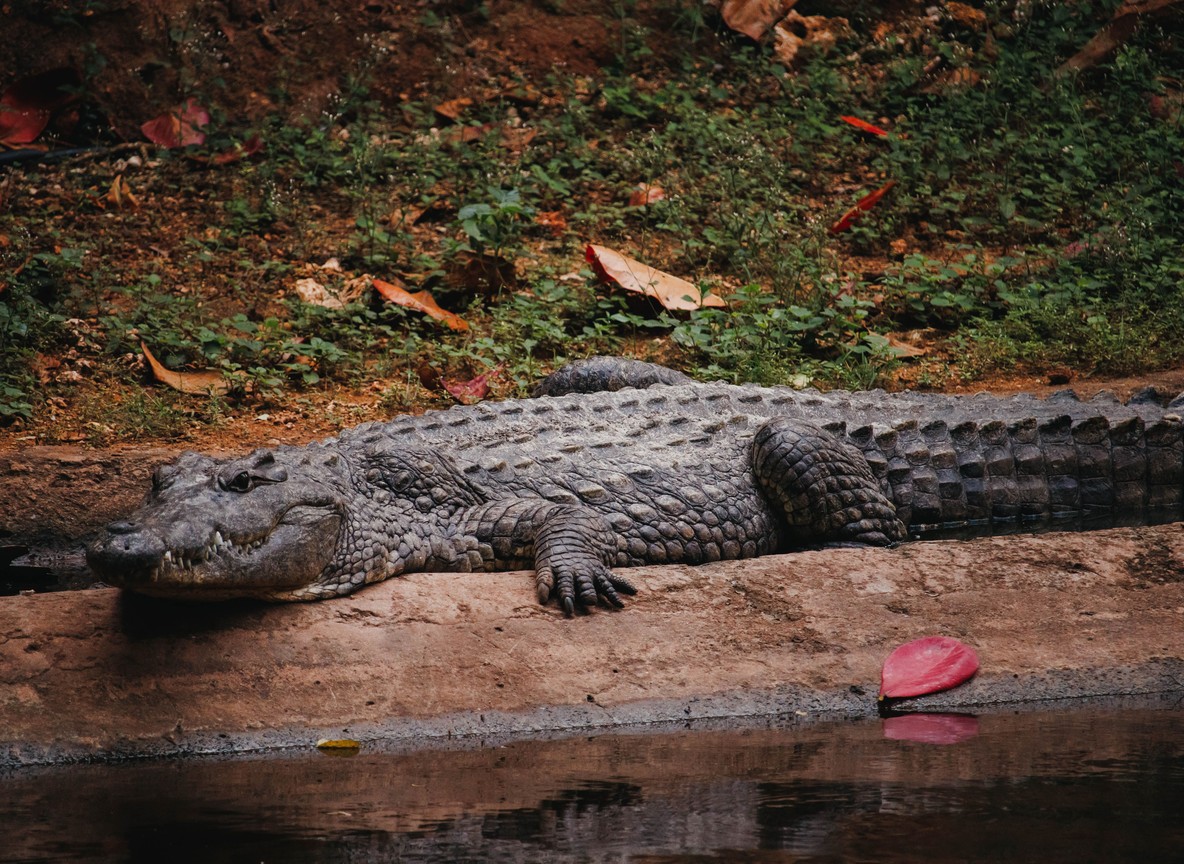
The Amboseli Crocodile Park grew from a private initiative that KWS then licensed and commissioned. Lucy Mwita, KWS Chief Licensing Officer, presided over the opening. The facility centers on a man-made water pool built to hold and display Nile crocodiles in a controlled setting, paired with education signage about crocodile biology and their role in East African wetlands. It is not part of Amboseli National Park‘s core wildlife-viewing circuit. It sits alongside it, in Kajiado County, as a standalone licensed attraction.
KWS has framed the opening as proof of a wider licensing push. The agency says individuals, community groups, and investors can now apply to keep wildlife species commercially, provided they meet conservation, welfare, and regulatory standards. The Amboseli Crocodile Park is the first facility publicly pointed to under that framework in this ecosystem.
Where the Park Sits and How to Reach It
The park is located in Kajiado County within the greater Amboseli ecosystem, near the same road network travelers already use to reach Amboseli National Park’s gates. Amboseli itself covers about 392 km2 and sits roughly 240 km southeast of Nairobi, a drive of about 4 to 5 hours on the Namanga road depending on traffic and the final stretch of murram. Most Amboseli-bound travelers instead fly: Safarilink and AirKenya run scheduled flights from Nairobi’s Wilson Airport to Amboseli Airport in around 45 minutes.
Kimana Gate, on the park’s southeastern side near Kimana town, is the access point closest to this part of Kajiado County and the one most itineraries built around the crocodile park will use. Meshanani Gate, the main entrance on the Namanga side, remains the standard route for travelers coming straight from Nairobi.
What You Will Actually See There
Expect a compact, single-site visit rather than a half-day safari activity. The core draw is the crocodile pool itself, with viewing platforms and interpretive signage explaining crocodile behavior, breeding, and the species’ place in wetland ecosystems bordering Amboseli’s swamps. As a newly opened facility, expect the visitor experience to still be filling in: signage, guided talks, and amenities like shade and refreshments may expand over its first year. Travelers who value polish over novelty should treat this as a short add-on stop, not a full day out.
Why Pair It With an Amboseli Safari
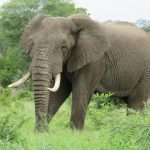
Amboseli National Park is best known for its elephant herds and views of Mount Kilimanjaro rising across the Tanzanian border, not for reptiles. That is exactly why the crocodile park works as an add-on rather than a headline destination. A typical Amboseli itinerary already includes a morning game drive through the swamps around Observation Hill, where elephants gather to feed, followed by a slower afternoon near camp. Slotting a crocodile park visit into that afternoon window, or on the drive in through Kimana Gate, uses time that would otherwise go to resting at camp. Photographers building a trip around wildlife documentation often value this kind of stop precisely because it is uncrowded and new, unlike the well-photographed swamp circuits.
How It Fits Into Amboseli’s Bigger Picture
The crocodile park opened during an unrelated but overlapping period of change for Amboseli’s management. A 2025 deed of transfer moves the national park’s administration from KWS to Kajiado County in phases through 2029, with revenue sharing shifting over that period. That transition affects park governance, not the crocodile facility’s day-to-day operation, and this guide will not wade further into that dispute. The practical point for visitors is that Amboseli’s gates, fees, and rangers remain KWS-run for now, and the crocodile park operates as a separate licensed business alongside them.
Amboseli Crocodile Park vs Other Kenya Crocodile Attractions
Kenya already has a few established places to see crocodiles up close. Here is how the new Kajiado facility compares on the basics.
| Attraction | Location | Approx. Drive from Nairobi | Focus | Entry Fee (indicative) |
|---|---|---|---|---|
| Amboseli Crocodile Park | Kajiado County, near Amboseli | ~4-5 hrs (or fly to Amboseli Airport, ~45 min) | New eco-tourism/education pool, newly licensed | Not yet widely published; expect a modest standalone fee, confirm on arrival |
| Mamba Village Centre | Nyali, Mombasa | Flight to Mombasa, then ~20 min | Established crocodile farm and cultural center | KES 500-1,000 range (indicative, confirm locally) |
| Lake Naivasha Crocodile Farm | Moi South Lake Road, Naivasha | ~1.5-2 hrs | Working crocodile farm with visitor tours | KES 500-1,000 range (indicative, confirm locally) |
The Naivasha and Mombasa sites have operated for years and run larger, more established tours. Amboseli’s version is newer and smaller, but it is the only one that lets travelers pair a crocodile stop with an elephant-and-Kilimanjaro safari in the same trip.
Best Time to Visit and How to Combine It With a Safari
Because the crocodile park is a fixed-site facility rather than a wildlife-viewing drive, it is not weather-dependent the way game drives are. The better question is when to visit wider Amboseli. The dry months of June through October and January to February give the clearest Kilimanjaro views and concentrate wildlife around Amboseli’s swamps, since animals gather where water remains. Travelers already routing through Kimana Gate for a dry-season safari have the easiest add-on trip to the crocodile park, since it sits on the same side of the ecosystem.
The long rains, from March through May, bring the fewest crowds but also the most clouded views of the mountain and muddier back roads around Kajiado’s rural stretches. If clear Kilimanjaro photos matter more than avoiding crowds, book around the dry windows and expect to share Observation Hill’s viewpoints with more vehicles.
Amboseli Park Fees and Practical Planning
The crocodile park itself is a separate, newly licensed business, so its own fee structure was not yet published at the time of writing. Amboseli National Park’s fees, which most travelers will also pay on the same trip, are well established.
| Item | Rate |
|---|---|
| Non-resident adult, 24 hrs | USD 90 (indicative, subject to a pending tariff court ruling) |
| Non-resident child (3-17 yrs), 24 hrs | USD 45 (indicative) |
| Safari car/saloon (up to 6 seats) | KES 300 |
| Van/minibus (6-12 seats) | KES 1,030 |
| Tour bus (13-24 seats) | KES 2,585 |
Only 4WD, safari-modified vehicles are permitted inside Amboseli National Park itself, though this restriction does not apply to reaching the crocodile park’s own grounds outside the park boundary. Confirm current rates directly with KWS or your operator before travel, since Kenya’s park tariffs have been under review through 2026.
Explorer Notes
A few things worth knowing before you go. First-year facilities like this one tend to have thin signage on their opening weeks, so bring a guide or driver who has already scouted the turn-off rather than relying on GPS pins alone. Nile crocodiles bask most actively in the cooler morning hours, so an early visit before continuing into Amboseli for an afternoon game drive gets the best light for photos of both. Because the park sits outside the national park boundary, standard Amboseli park fees do not cover it, so budget a small separate cash amount, since card payment infrastructure at new rural attractions is often unreliable in the first months. Pack for dust either way. The Kajiado stretch of road toward Kimana Gate turns to fine, clinging dust in the dry season.
FAQ
Is the Amboseli Crocodile Park part of Amboseli National Park? No. It is a separately licensed facility in Kajiado County, near the ecosystem, but it sits outside the national park’s own boundary and fee structure.
When did the Amboseli Crocodile Park open? KWS announced its opening on June 20, 2026, describing it as the Amboseli ecosystem’s first crocodile eco-tourism and education facility.
How do I get to the Amboseli Crocodile Park from Nairobi? Drive about 4 to 5 hours via Namanga toward Kimana Gate, or fly into Amboseli Airport in around 45 minutes and arrange onward transport.
Does visiting the crocodile park replace a normal Amboseli safari? No. Treat it as a short add-on stop of an hour or two alongside a standard Amboseli game-drive itinerary, not a substitute for one.
Are there other places in Kenya to see crocodiles? Yes. Mamba Village Centre in Nyali, Mombasa, and the Lake Naivasha Crocodile Farm are both longer-established options with larger visitor programs.
What to Read Next
- Amboseli Elephants Guide
- Amboseli Budget Safari Planning Guide
- Central Island National Park: Boat Access to Turkana’s Crocodile Colony
If a crocodile stop and an Amboseli safari are both on your list, the practical next step is matching them to the right camp and route. Touring Insights’ Tour Packages page lists vetted operators covering this exact corner of Kajiado County, so you can check current logistics before you commit to dates.
Further reading
More safari planning resources
- Amboseli map and guide from SafariPure
- Map of Amboseli from Valley Safaris
- Amboseli National Park guide on Touring Insights
- Amboseli destination guide on FindMySafari
Related guides: Amboseli Birds Guide: What to Expect from the Park’s 425+ Species, Amboseli for Birding vs Mammal Safari: What the Park Delivers Best.