

These options may appear in the same planning conversation, but they do not deliver the same safari. Wildlife style, road time, camp feel, and the kind of stories you bring home all shift with the choice. That is why masai mara conservancy vs national reserve matters.
Trunktrails Safaris helps travellers make this decision every week. We are Nairobi-based and Kenyan-owned. We weigh real drive times, wildlife strengths, camp standards, and what guests actually want from the trip, not brochure shortcuts. That makes the recommendation easier to trust.
Here is the honest masai mara conservancy vs national reserve comparison, the same way we break it down before a safari is booked.
What Is the Masai Mara National Reserve?
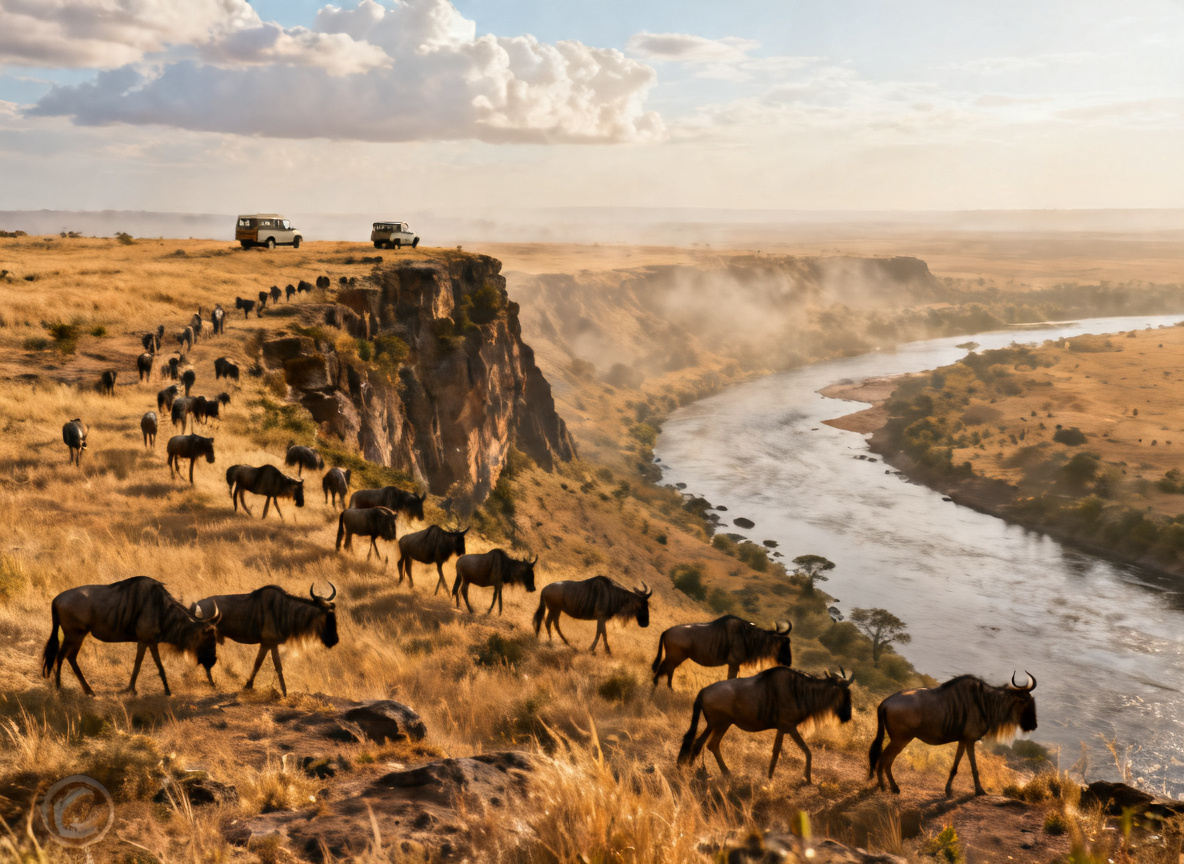
The Masai Mara National Reserve (MMNR) is the original protected area – 1,510 km² of open savannah, riverine forest, and grassland managed by the Narok County Government. When most people say “going to the Masai Mara,” they mean the national reserve. It is open to any visitor who pays the daily park entry fee, accessible through multiple gates (Sekenani, Talek, Sand River, Ololaimutia, Oloololo), and has no limits on the number of vehicles that can enter on a given day.
What Is a Masai Mara Conservancy?
A masai mara private conservancy is a parcel of community Maasai land – typically leased from local Maasai landowners – that has been converted from livestock grazing to wildlife habitat. The landowners receive lease payments funded partly by the camps operating within the conservancy. Visitors staying at conservancy camps pay a conservancy fee (separate from or inclusive of park fees) that goes directly to the community.
The major Masai Mara conservancies bordering the national reserve include:
- Olare Motorogi Conservancy (~35,000 acres, northeast of the reserve)
- Naboisho Conservancy (~50,000 acres, northeast)
- Mara North Conservancy (~74,000 acres, north of the reserve)
- Ol Kinyei Conservancy (eastern corridor)
- Mara Siana Conservancy (southeast)
- Lemek Conservancy (north)
- Nkoilale Conservancy (northwest)
The conservancy difference masai mara experience rests on the rules that each conservancy sets internally – rules that are very different from those in the national reserve.
Masai Mara Conservancy vs Reserve – Key Rules and Experience Differences
This is the heart of the masai mara conservancy vs national reserve comparison.
| Experience Factor | National Reserve | Private Conservancy |
| Night game drives | Not permitted | Permitted |
| Walking safaris | Not permitted | Permitted (guided) |
| Off-road driving | Not permitted | Permitted |
| Vehicle cap per sighting | No cap | Yes (typically 3–5 vehicles max) |
| Daily visitor cap | None | Yes (conservancy controls total bed count) |
| Park fee | $80–$100/person/day | Conservancy fee (varies, $70–$120/night) + reserve fee if entering reserve |
| Guides allowed to exit vehicle | No | Yes (for walking safari) |
Night game drives:
This is the single most significant reason why staying in a masai mara conservancy is worth it for many travellers. Inside the national reserve, all vehicles must exit by the published closing time (around 7pm). Conservancies allow night drives using red-filtered spotlights, which reveal the nocturnal world of the Masai Mara: aardvark, genet, serval, spring hare, bushbuck, honey badger, and the lions and leopards that are most active in the dark.
Walking safaris:
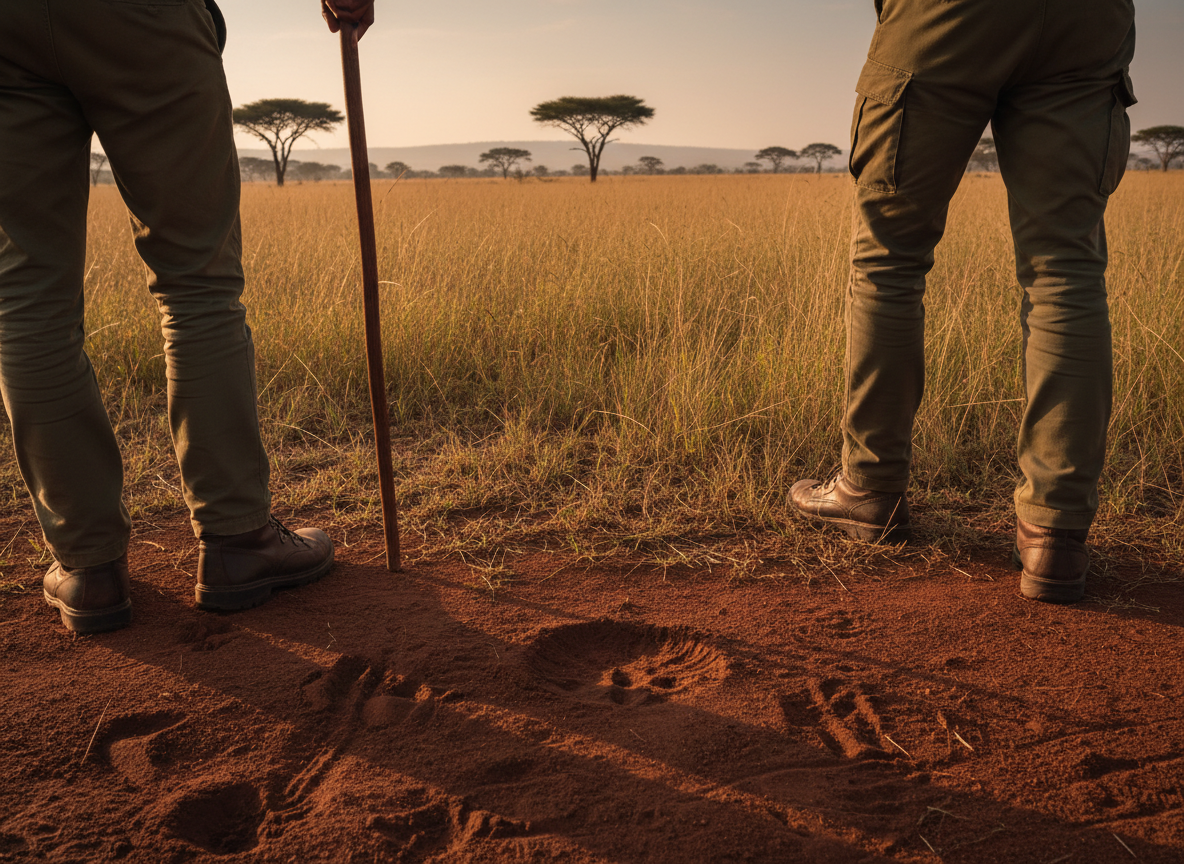
The national reserve does not permit guided walking safaris inside park boundaries. Masai mara conservancy walking safari experiences – where a trained and armed ranger leads you on foot through the bush – are only available in conservancies. Walking brings a completely different sensory layer: tracking skills, insect sounds, bird calls at eye level, and the adrenalin of being in lion country on foot.
Off-road driving:
The national reserve requires vehicles to stay on defined tracks. Conservancies allow off-road driving in pursuit of wildlife – meaning your guide can leave the track and position the vehicle for the best angle on a cheetah hunt, a leopard in a tree, or a lion pride at a kill. This single permission transforms game drive quality.
Masai Mara Conservancy vs National Reserve – Crowd Levels
The crowd level difference is significant and is a major reason why travellers ask about masai mara conservancy or reserve which is better.
National Reserve:
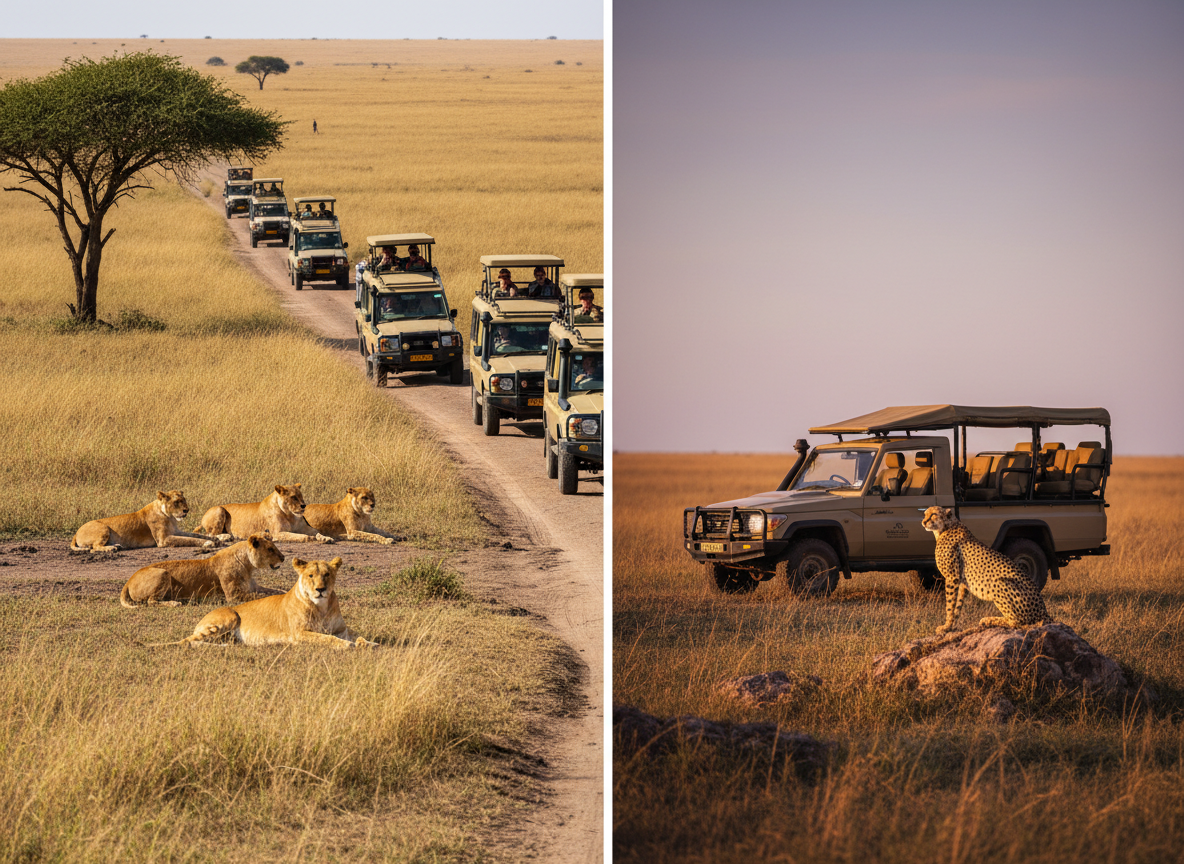
No daily vehicle cap. During peak migration season (July–October), popular sighting areas in the reserve can attract 30–60 vehicles simultaneously. The main reserve’s extensive road network distributes some of this density, but around migration crossing sites and major predator sightings, crowd levels are visible and can affect the atmosphere.
Private Conservancies:
Each conservancy strictly controls the total number of guests it accommodates – typically linked to the number of beds available across all camps. Olare Motorogi Conservancy, for example, allows only a small number of camps with total guest capacity under 100 at any one time across 35,000 acres. This means vehicle density stays low even during peak season.
The practical result: in a conservancy, it is entirely normal to spend an hour watching a leopard with only your vehicle present. That experience in the national reserve during peak season would be unusual.
Masai Mara Conservancy Fees – What Does It Actually Cost?
Why stay in a masai mara conservancy if it costs more? Here is the fee structure reality.
National Reserve fee:
$80–$100 per person per day (non-resident adult, 2026 rates)
Conservancy fee:
Most conservancies charge $70–$120 per person per night, on top of camp accommodation costs. This conservancy fee is typically included within the all-inclusive rate of conservancy camps – meaning your nightly rate at a conservancy camp covers the fee, game drives, meals, and in some cases the national reserve day fee if you cross into the reserve during game drives.
The value comparison:
When you factor in what the masai mara conservancy fees buy – night drives, walking safaris, off-road access, exclusive sightings – the cost premium of conservancy camps over national reserve camps of comparable standard is generally justified for visitors who want the full game drive experience.
Masai Mara Conservancy vs Reserve – Wildlife Access
Both zones hold the full Masai Mara wildlife spectrum. The difference is in access quality, not species.
In the national reserve:
Excellent year-round game viewing. The Great Migration passes through the reserve during July–October. Lions, leopards, cheetahs, elephants, buffalo, hippo, and crocodile are all present. The central reserve is one of Africa’s best big cat destinations.
In the conservancies:
The conservancies border the reserve and in most cases share an open boundary – wildlife moves freely between the two. Conservancy camps report that resident wildlife (particularly lions and cheetahs) often prefer the quieter conservancy grasslands over the busier reserve during peak season. The quality of individual sightings in conservancies – due to off-road positioning, low vehicle density, and extended time at a sighting – consistently outperforms what is possible in the reserve under the same conditions.
Masai Mara Conservancy Safari: Who Is It For?
The masai mara private conservancy experience is not the right choice for every visitor. Here is an honest breakdown.
Choose a conservancy safari if:
- Night game drives are important to you
- Walking safaris are on your bucket list
- You want exclusive, vehicle-free wildlife sightings
- You are on a romantic trip, honeymoon, or anniversary where atmosphere matters
- Photography is a serious focus – off-road positioning and no competing vehicles is invaluable
- You are a returning visitor and want more than the main reserve can offer
Choose the national reserve if:
- Budget is a primary consideration – reserve-adjacent camps are generally lower cost
- You want access to the widest range of accommodation options
- You are visiting specifically for the Great Migration crossing spectacle
- You are a first-time visitor and want the classic broad Masai Mara experience before upgrading to conservancy exclusivity
The combined approach:
Many Trunktrails Safaris itineraries build in both – two or three nights in the national reserve area followed by one or two nights in a conservancy. This gives you the migration access and mainstream park experience plus a taste of the exclusive conservancy safari.
Plan Your Masai Mara Safari with Trunktrails Safaris
Understanding the masai mara conservancy vs national reserve distinction is one of those planning details that separates a memorable safari from a great one. At Trunktrails Safaris, our tours and safaris cover both zones. We help you choose the right combination based on your travel dates, budget, and priorities – and we know which conservancy properties deliver the best experience in each season.
Ready to Plan Your Kenya Safari? Talk to Trunktrails Safaris
Trunktrails Safaris designs tailor-made tours and safaris for every traveller and every budget. From green-season adventures to private luxury camps, our tours and safaris are built by a Nairobi-based team that speaks to you directly, not through a call centre. Most WhatsApp enquiries about our Kenya tours and safaris get a reply from Trunktrails Safaris within the hour.
WhatsApp: +254 113 208888
Email: info@trunktrailssafaris.com
Website: https://trunktrailssafaris.com
KATO Member | TRA Licensed | Native Kenyan Owned | Conservation First | 24/7 Support