

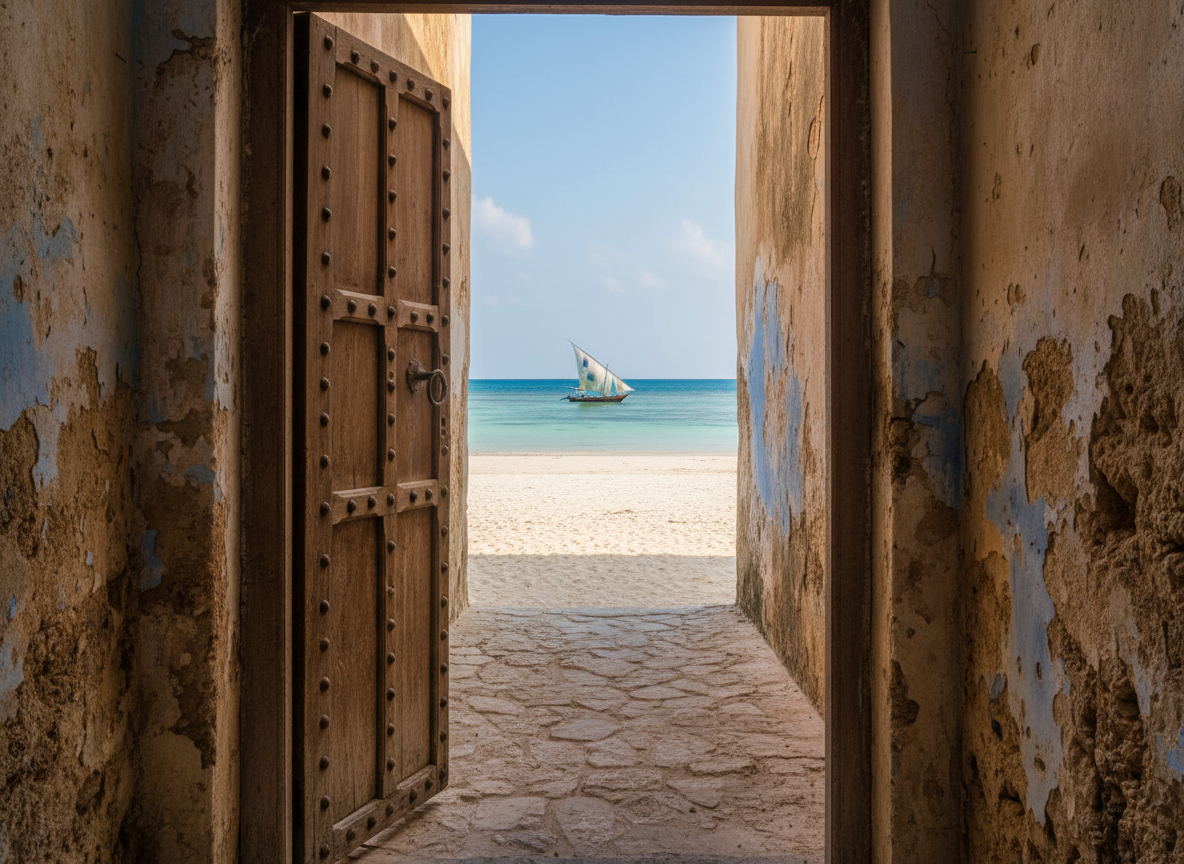
After a Kenya safari, two very different Indian Ocean beach extensions are within reach. The Kenya Coast: particularly Diani Beach south of Mombasa and Watamu north of Mombasa: keeps you in Kenya, seamlessly connected by internal flight. Zanzibar, a semi-autonomous island off the coast of Tanzania, offers a completely different cultural identity: Stone Town’s UNESCO labyrinth, white sand beaches of extraordinary quality, and one of East Africa’s finest diving destinations.
This guide from Trunktrails Safaris compares a post-safari Zanzibar extension with a Kenya Coast extension across logistics, cost, cultural experience, beach quality, and which suits different types of traveler.
Quick Comparison: Zanzibar vs Kenya Coast Extension
| Factor | Zanzibar Extension | Kenya Coast Extension |
| Country | Tanzania (separate from Kenya safari) | Kenya (same country; simpler logistics) |
| Logistics | Nairobi to Zanzibar flight; separate Tanzania entry | Internal Kenya flight from Nairobi or Mara |
| Visa | Tanzania visa required (or EAC Tourist Visa if held) | No additional visa |
| Flight Time from Nairobi | 2 hours (Kenya Airways, Precision Air, others) | 45 to 55 minutes to Mombasa |
| Beach Quality | Exceptional: Nungwi, Kendwa, Paje (world-class) | Very good: Diani (among Africa’s best) |
| Cultural Experience | Unique: Swahili-Arab fusion; Stone Town UNESCO site | Swahili coast; Mombasa Old Town; dhow culture |
| Diving/Snorkeling | Outstanding: Mnemba Atoll (world top 10) | Good: Diani reef; Watamu Marine National Park |
| Spice Factor | Zanzibar is the “Spice Island”: spice tours iconic | Not applicable |
| Price | Variable: budget to ultra-luxury | Variable: similar range to Zanzibar |
| Best For | First-time Zanzibar visitors; divers; culture travelers | Staying in Kenya; simpler logistics; family travel |
Zanzibar: The Indian Ocean Icon
What Makes Zanzibar Special

Zanzibar is not simply a beach destination. It is a place with its own history, identity, and cultural gravity. Stone Town: the old city of Zanzibar Town: is a UNESCO World Heritage Site of narrow lanes, ornate wooden doorways with brass studs, Arab merchant houses, Persian baths, and the memory of centuries of Swahili-Arab-Indian trade. Walking Stone Town is an experience entirely unlike any Kenyan coastal town.
The beaches of northern Zanzibar: Nungwi and Kendwa: are among the finest in the Indian Ocean. The sand is fine white, the water is clear turquoise, and the horizon is uninterrupted. Paje on the east coast is world-renowned for kitesurfing.
Zanzibar’s marine environment is exceptional. Mnemba Atoll, just off the northeast coast, is consistently rated among the top 10 diving sites in the world: coral gardens, sea turtles, dolphins, and a staggering diversity of reef fish. The diving from Zanzibar is significantly better than equivalent Kenya coast diving for most months of the year.
Logistics of a Zanzibar Extension
From Nairobi, direct flights to Zanzibar Town (Abeid Amani Karume International Airport) take approximately 2 hours on Kenya Airways, Precision Air, or other regional carriers. From the Masai Mara, you transit through Nairobi.
Tanzania entry requires a visa for many nationalities. The EAC Tourist Visa (valid for Kenya, Uganda, and Tanzania together, $100 USD) covers Zanzibar if you have it. Otherwise, Tanzania visa on arrival ($50 USD for most nationalities) is straightforward.
The additional international border crossing adds logistical complexity that the Kenya Coast does not require.
Kenya Coast: The Simpler Extension
What Makes the Kenya Coast Special

Diani Beach, 30 kilometers south of Mombasa, is a UNESCO-recognized beach ecosystem and consistently rated among Africa’s finest beaches. The sand is white, the water warm and calm from October to March, and the beach is lined with a mix of boutique hotels, kite surf centers, and local restaurants.
Watamu, 120 kilometers north of Mombasa, has a marine national park with excellent snorkeling and sea turtle encounters. The Gede Ruins: a medieval Swahili city abandoned in the 17th century: are accessible from Watamu and add a historical dimension unique to the Kenya coast.
Mombasa’s Old Town has its own Swahili cultural depth: Fort Jesus, the Old Harbour dhow scene, and the intricate carved wooden doorways of the old Arab quarter. It is a smaller, quieter version of the Zanzibar Stone Town experience.
Crucially, the Kenya Coast extension keeps you within Kenya: no additional visa, no international border crossing, and an internal flight that takes under an hour from Nairobi or 1 to 2 hours from a Masai Mara airstrip directly.
Beach and Diving Comparison
| Factor | Zanzibar | Kenya Coast (Diani/Watamu) |
| Beach Quality | Exceptional: world-class white sand | Very good to excellent |
| Water Clarity | Very high | Good |
| Diving | Outstanding (Mnemba Atoll) | Good (Diani Reef, Watamu Marine Park) |
| Snorkeling | Excellent | Good |
| Sea Turtles | Yes (Mnemba) | Yes (Watamu) |
| Dolphins | Yes (spinner dolphins) | Yes (Diani morning trips) |
| Whale Sharks | Occasional seasonal appearances | Occasional |
| Kitesurfing | World-class (Paje) | Good (Diani) |
For dedicated divers and snorkelers, Zanzibar’s Mnemba Atoll is the superior destination. For travelers primarily seeking a comfortable beach and good swimming, Diani Beach is excellent and more easily accessible.
Cultural Experience Comparison
| Factor | Zanzibar | Kenya Coast |
| UNESCO Heritage | Stone Town (world-famous) | Fort Jesus Mombasa (UNESCO) |
| Architecture | Zanzibar Arabic-Swahili carved doorway architecture | Mombasa Old Town Arab-Swahili tradition |
| Food Culture | Zanzibar Night Market (famous); spice cuisine | Swahili seafood; Indian Ocean coastal cuisine |
| History | Spice trade; Arabic sultanate; slave trade history | Portuguese fort; Swahili trade history |
| Cultural Depth | High: distinct island identity | Good: Swahili coastal tradition |
Zanzibar’s cultural experience is distinctive and unique: a place that genuinely feels like nowhere else. The Kenya Coast’s culture is rich but more continuous with the East African coastal tradition that extends into Kenya’s Swahili communities.
Which Should You Choose?
Choose Zanzibar If You:
- Are visiting East Africa for the first time and want to see both Kenya and Tanzania
- Are a dedicated diver or snorkeler for whom Mnemba Atoll is the draw
- Want the distinctive Stone Town cultural experience alongside beach time
- Are comfortable with additional logistics (Tanzania visa, longer flight, Nairobi transit)
- Have 4 to 5 days for the extension to justify the additional border logistics
Choose Kenya Coast If You:
- Want to stay within Kenya and avoid additional visa and border complications
- Have only 2 to 3 days for the extension (not enough for Zanzibar logistics overhead)
- Are traveling with children or older family members who benefit from simpler connections
- Want a direct flight from the Masai Mara to the coast without Nairobi transit
- Have already visited Zanzibar or plan a dedicated Tanzania trip separately
Both extensions are outstanding conclusions to a Kenya safari. The choice ultimately depends on how much time you have, whether you value logistical simplicity, and whether you are drawn to Zanzibar’s specific cultural identity or the Kenya Coast’s ease of connection.
Plan Your Safari Extension with Trunktrails Safaris
Trunktrails Safaris plans Kenya safari itineraries with both Kenya Coast and Zanzibar extension options: including internal flights, beach hotel bookings, and seamless connections from the Masai Mara to the Indian Ocean. We will help you choose the right extension for your travel dates, budget, and priorities.
Contact Trunktrails Safaris:
Tell us your safari end date and beach preferences: and we will build the perfect Indian Ocean extension for your Kenya trip.