

The Big Five get all the attention. Lions, leopards, elephants, rhinos, buffalo—they’re iconic for a reason. But if you’ve spent any time on safari, you know the most memorable moments often come from the unexpected.
A pangolin crossing the road at dusk. A serval hunting in tall grass. A pack of wild dogs tearing across the plains. These are the encounters that stay with you—not because they’re famous, but because they’re rare, fleeting, and earned.
Here’s a look at some of Africa’s lesser-known wildlife experiences and where to find them.
Wild dogs: the most efficient predators in Africa
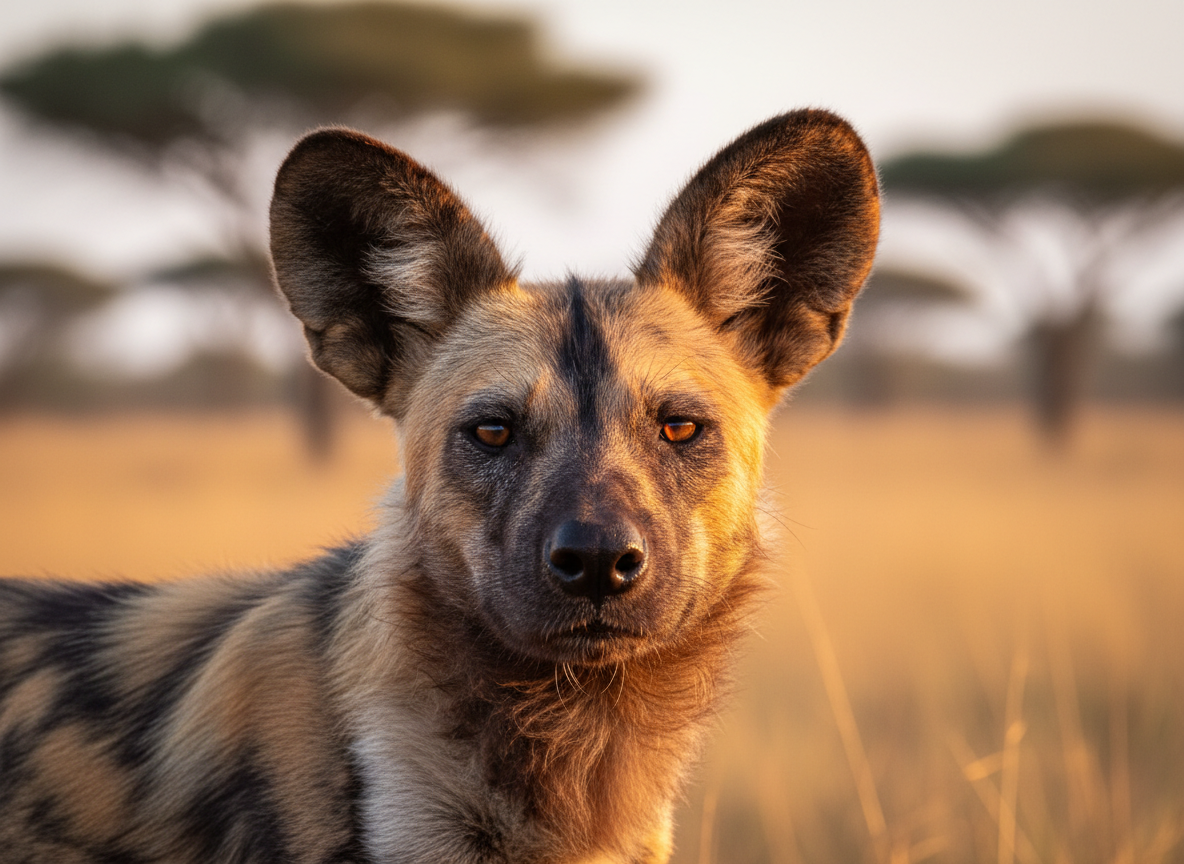
African wild dogs are endangered, elusive, and extraordinary to watch. They hunt in packs with a success rate that puts lions to shame—around 80% compared to the lion’s 30%.
Watching a wild dog hunt is intense. They’re fast, coordinated, and relentless. The pack works as a unit, communicating with high-pitched calls, taking turns chasing prey until it’s exhausted.
Best places to see wild dogs include Laikipia in Kenya with strong populations and open terrain. Selous Game Reserve in Tanzania offers remote settings with large packs. Moremi Game Reserve in Botswana provides Okavango Delta sightings.
Sightings are never guaranteed, but when they happen, they’re unforgettable.
Pangolins: the world’s most trafficked mammal
Pangolins are nocturnal, solitary, and incredibly rare to see in the wild. Covered in scales, they move slowly, foraging for ants and termites with long, sticky tongues.
Because they’re so heavily poached, pangolin sightings are considered one of the rarest wildlife moments in Africa. If you see one, you’ve witnessed something most safari-goers never will.
The best chances are in private conservancies in Kenya and Tanzania, where night drives are essential. Tswalu Kalahari in South Africa has active pangolin research and tracking programs.
Aardvarks: the nocturnal diggers
Aardvarks are bizarre-looking, shy, and almost entirely nocturnal. They dig for termites with powerful claws and have a pig-like snout and rabbit-like ears.
Sightings are rare, but they do happen—usually on night drives in areas with high termite activity.
Best places include Tswalu Kalahari in South Africa and private conservancies in Laikipia, Kenya.
Servals: the high-jumping hunters
Servals are medium-sized wild cats with long legs, large ears, and an incredible vertical leap. They hunt by listening for rodents in tall grass, then pouncing with precision.
They’re more common than leopards in some areas, but far less famous. Watching a serval hunt is mesmerizing—silent, focused, explosive.
The best places to spot them are Masai Mara in Kenya, especially in the wet season. Ngorongoro Crater and Serengeti in Tanzania also offer good sighting opportunities.
Honey badgers: small, fearless, unforgettable
Honey badgers have a reputation for being tough, aggressive, and completely unbothered by larger predators. They’re small but formidable, known to take on lions, hyenas, and even venomous snakes.
Sightings are rare because they’re mostly nocturnal and highly mobile. But if you see one, you’ll understand the legend.
The best chances are in Kgalagadi Transfrontier Park in South Africa and Botswana and private conservancies in Kenya on night drives.
Bat-eared foxes: the social insectivores
Bat-eared foxes are small, adorable, and surprisingly social. They live in family groups and forage for insects, using their oversized ears to detect underground prey.
They’re active at dawn and dusk and often seen in pairs or small groups near termite mounds.
Best places include Serengeti and Masai Mara, as well as Kgalagadi in South Africa.
Caracals: the elusive desert cats
Caracals are medium-sized wild cats with distinctive tufted ears. They’re solitary, territorial, and incredibly hard to spot.
They prefer arid and semi-arid environments, and are most active at night. Daytime sightings are rare but possible in certain reserves.
Best places are Samburu in Kenya and Kgalagadi in South Africa.
Why these encounters matter
The Big Five are incredible. But the magic of safari isn’t just about ticking off famous animals. It’s about the moments that surprise you—the sightings you didn’t expect, the behaviors you’ve never seen before.
Rare wildlife encounters require patience, flexibility, and often a willingness to explore beyond the standard routes. Night drives, walking safaris, and time spent in lesser-known reserves all increase your chances.
If you’re planning a safari focused on these rarer species, work with operators who know where to look and when. Trunktrails Safaris specializes in off-the-beaten-path experiences that prioritize wildlife diversity over checklist tourism.
The Big Five will always be worth seeing. But the animals that live in the margins—the ones you have to work for—those are the ones that transform a good safari into something you’ll never forget.