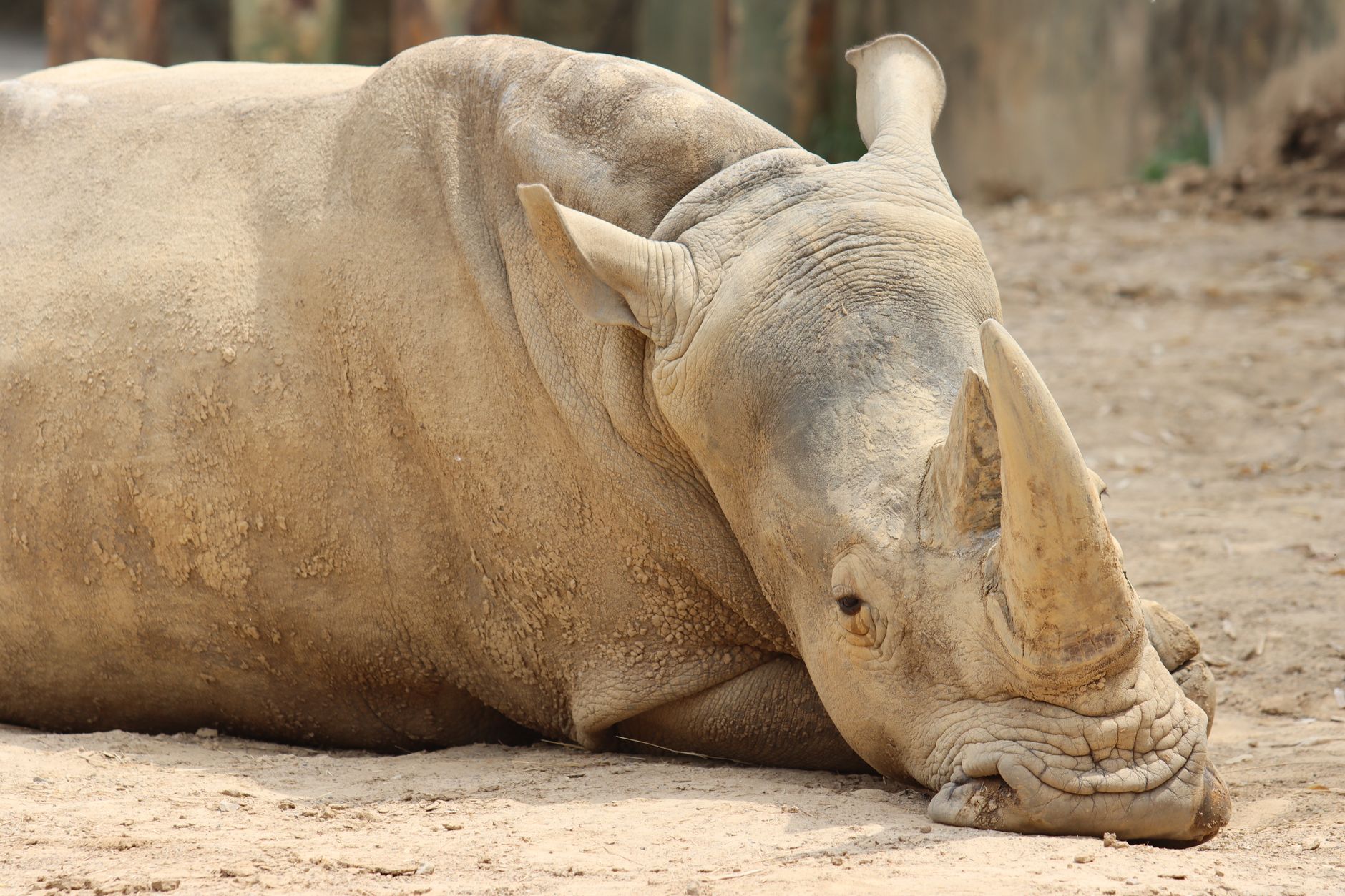
The tsavo west rhino sanctuary guide you are reading is built around one animal: the endangered black rhino. Tsavo West National Park is famous for elephants, red earth and volcanic scenery. For many travellers, though, the real goal is a rare look at a rhino in the bush. This guide focuses on how to make that happen.
What Does This Tsavo West Rhino Sanctuary Guide Cover?
This guide focuses on one conservation landmark inside Tsavo West: Ngulia Rhino Sanctuary. It covers how to get there, how to visit, when to search, what else to see, and why the rhino programme matters. You will finish with a practical field plan rather than a general park overview.
Most Tsavo West articles describe the whole park in one sweep. This one stays with the rhino. It also explains a distinction that confuses many visitors: the difference between the historic fenced sanctuary and the wider conservation landscape around it.
What Is Ngulia Rhino Sanctuary?
Ngulia Rhino Sanctuary is a protected black-rhino breeding and conservation area inside Tsavo West National Park. Its historically fenced enclosure covers roughly 90 to 92 square kilometres and was created to give endangered rhinos stronger protection from poaching. It improves viewing chances, but sightings remain uncertain because the habitat is dense bush.
The sanctuary takes its name from the Ngulia Hills, a rocky ridge on the dry side of the park. The fence around Ngulia matters. Inside that fence, Kenya Wildlife Service (KWS) and its partners manage a core population of breeding rhinos. Outside the fence, Tsavo West remains open and wild. That is why the word “sanctuary” can be misleading.
When people say they saw a rhino in Tsavo West, they usually mean they saw one inside or near this protected core. The animals can move through thick acacia and thorn scrub, so a rhino may stand metres away without being visible. Your guide will read tracks, listen for movement and pause at likely feeding areas.
Before you travel, spend a few minutes on how to tell a black rhino from a white rhino. The two species behave differently and use different habitats. Knowing the field marks changes how you approach a sighting in Tsavo.
Where Is Tsavo West Rhino Sanctuary and How Do You Get There?
Ngulia Rhino Sanctuary lies in Tsavo West National Park near the Ngulia Hills, in southeastern Kenya. Most travellers reach the park by road from Nairobi through Mtito Andei Gate, from Mombasa through Tsavo Gate, or from Amboseli through Chyulu Gate. A 4WD safari vehicle is the practical choice for internal tracks.
Tsavo West sits between Nairobi and the coast, which makes it a natural stop on a Kenya safari loop. If you are driving from Nairobi, Mtito Andei is the usual entry point. From Mombasa, the Tsavo Gate is more direct. Travellers coming from Amboseli can enter through Chyulu Gate and work their way toward Ngulia.
The park roads vary. Many are loose gravel or packed earth, and rain can turn sections into slippery clay. A high-clearance 4WD vehicle gives you the best chance of reaching the sanctuary and moving around it comfortably. Do not expect a large sign at the gate that says “Rhino Sanctuary.” Your operator or guide will know the route.
For a fuller picture of park routes, lodge options and how Tsavo East and Tsavo West fit together, read our Tsavo safari guide.
How Do You Visit Ngulia Rhino Sanctuary and What Should You Expect?
Plan a guided sanctuary drive through a safari operator or lodge rather than assuming an independent walk-in visit. A guide and, where required, a KWS ranger help locate tracks and interpret rhino behavior while visitors remain in the vehicle. Allow several hours, carry binoculars, and never expect a guaranteed sighting.
Most lodges and safari operators in the region can arrange a sanctuary drive. The drive usually starts early in the morning, before the heat builds. You stay inside the vehicle at all times. That rule is for your safety and for the rhinos. These are not tame animals, and a sudden movement can trigger a charge.
Your guide may stop entirely at a patch of thick bush and wait. This is normal. Rhinos often rest in shade during the warm part of the day, and guides know the places where they like to hide. When a rhino appears, keep your voice low and your camera ready. Do not reach outside the vehicle.
Carry water, sun protection and a telephoto lens if you have one. Binoculars are essential because some rhinos are seen at a distance in open scrub. You may also want to review the Kenya safari packing list before you go, because Tsavo is hot and dusty even in cooler months.
If a rhino sighting is the main reason for your trip, protect your deposit. Review Kenya safari booking cancellation costs before you pay, because dates and seasons are not the only things that affect your plan.
When Is the Best Time to See Rhinos in Tsavo West?
The best rhino-viewing conditions usually occur during the drier periods of June to October and January to February. Vegetation is thinner in these months, and animals concentrate around dependable water sources. Early morning and late afternoon offer better light and animal activity, although Tsavo West can be visited throughout the year.
Rhinos do not follow a strict calendar. They live in Tsavo all year, and travellers sometimes see them in rainy months too. But dry conditions make the search easier. Thinner leaves mean fewer places to hide, and hot weather pushes animals toward the same waterholes.
| Season | Conditions | Rhino viewing outlook |
|---|---|---|
| June to October | Long dry season; bush is thinner and animals gather at water | Best |
| January to February | Short dry period; hot with good visibility | Good |
| November and December | Short rains; greener bush and more birds | Moderate |
| March to May | Long rains; heavy showers and slippery roads | Hardest |
The long rains from March to May create the toughest conditions. Some park roads become difficult to use, and the bush grows dense quickly. Travellers who can choose their dates should aim for the dry windows. If you only have one day in Tsavo West, plan the sanctuary drive for first light.
What Wildlife and Attractions Can You Combine With the Sanctuary?
Combine Ngulia Rhino Sanctuary with a Tsavo West game drive, Mzima Springs, Shetani Lava Flow, Roaring Rocks, or Poacher’s Lookout. Mzima Springs is particularly useful for adding hippos, crocodiles, and clear spring scenery. The wider park can also produce elephant, buffalo, lion, leopard, giraffe, zebra, and other plains wildlife.
Mzima Springs deserves its reputation. A natural spring feeds a series of clear pools, and an underwater viewing hide lets you watch hippos and crocodiles from below the surface. It is a sharp contrast to the dusty rhino country around Ngulia.
Shetani Lava Flow is a dark, jagged volcanic field left by an eruption of the Chyulu Hills. The name comes from a Swahili word for devil, and the landscape is stark and memorable. Roaring Rocks and Poacher’s Lookout offer high viewpoints where you can scan wide valleys for elephants and other animals.
A typical two-night stay gives time for the sanctuary, Mzima Springs and at least one broad game drive. That mix is one reason Tsavo West works well as a route between Amboseli, Nairobi and the coast. It also gives you more than one chance to find a rhino.
How Does Rhino Conservation Work in Tsavo West?
Tsavo’s black-rhino population was devastated by poaching, making Ngulia’s protected breeding work a major conservation success. The original fenced sanctuary helped rebuild numbers from a very small founding population, while newer initiatives extend protection beyond the enclosure. Treat the experience as conservation tourism, keep quiet, and follow ranger instructions.
Poaching in the 1970s and 1980s hit black rhinos hard across East Africa. Tsavo was not spared. By concentrating a breeding population inside a guarded fence, KWS gave the animals a secure place to recover. That approach proved so important that Ngulia is now part of a larger rhino story in Kenya.
The broader picture has changed in recent years. Conservation reporting now treats Tsavo as a wider landscape rather than only the fenced Ngulia enclosure. Some rhino work takes place beyond the fence, with tracking, monitoring and community engagement. That is why population figures for Tsavo West can be confusing.
For a different black rhino conservation story in northern Kenya, read our Ol Pejeta Conservancy guide. Ol Pejeta is another fenced stronghold, and comparing the two helps you understand how Kenya protects this species in different habitats.
Your behaviour on the ground matters. Stay in the vehicle, keep noise down, and do not pressure a guide to get closer. Conservation tourism works because people pay to see living rhinos. A calm visitor helps keep that model viable.
What Do Travellers Ask About Tsavo West Rhino Sanctuary?
If you are short on time, the practical answers are straightforward. Ngulia lies inside Tsavo West National Park. You can visit on a guided drive, but sightings are not guaranteed. Published rhino numbers vary, with the fenced enclosure commonly reported as home to roughly 80 or more animals. The best dry months improve your chances.
Where Is Ngulia Rhino Sanctuary?
Ngulia Rhino Sanctuary is inside Tsavo West National Park at the base of the Ngulia Hills in southeastern Kenya. It is reached from the park’s internal roads after entering through gates such as Mtito Andei, Tsavo, or Chyulu.
Can You Visit Ngulia Rhino Sanctuary?
Yes, visitors can usually arrange a guided drive through a safari operator or lodge, with access procedures depending on current park and sanctuary rules. Visits take place in vehicles, and sightings are not guaranteed because rhinos can disappear into dense bush.
How Many Rhinos Are in Tsavo West?
Published figures vary because conservation areas and reporting dates differ. The historic fenced Ngulia enclosure is commonly described as holding roughly 80 to more than 100 black rhinos. Newer reports discuss a much larger landscape and combined population. A current KWS or operator figure should be confirmed before travel.
What Is the Best Time to See Rhinos in Tsavo West?
June to October and January to February generally offer the best conditions because dry weather reduces vegetation and concentrates wildlife near water. Early morning and late afternoon are usually the most productive viewing periods, but rhino sightings can happen in any season.
Is Tsavo West Worth Visiting?
Tsavo West is especially worthwhile for travellers who want black-rhino conservation, volcanic landscapes, and quieter game viewing alongside major attractions such as Mzima Springs and Shetani Lava Flow. A minimum of two nights gives enough time for the sanctuary and a broader park experience.
How Should You Choose a Safari Operator for a Tsavo West Rhino Trip?
Start by comparing safari operators that include Tsavo West and Ngulia in their Kenya itineraries. FindMySafari, Valley Safaris, and Trunktrails Safaris are good places to browse packages. Ask each operator about sanctuary drives, season, and how they handle missed sightings.
The next step is to compare safari operators and browse packages that can include Tsavo West. FindMySafari, Valley Safaris, and Trunktrails Safaris all list Kenya itineraries with room for a rhino-focused trip. Ask direct questions about the vehicle, the guides, the number of days in the park, and whether the sanctuary drive is included. That is the most practical way to build a trip around the black rhino.
Where Can You Find More Safari Planning Resources?
- Tsavo East and West map from SafariPure
- Ol Pejeta Conservancy guide from Trunktrails Safaris
- Map of Tsavo from Valley Safaris
- Big Five safari collection on FindMySafari