Planning a Kenya safari from the Philippines feels like a big step. You are not alone if you have questions about visas, flights, and costs. This is touringinsights kenya safari planning for tagalog speakers, written for readers who want honest answers, from the best time to visit to how much you will spend.
Kenya is a welcoming country for Filipino tourists. English is one of the official languages, and most guides, lodge staff, and park rangers speak it well, so you can focus on the wildlife, not translation apps.
What Is TouringInsights Kenya Safari Planning for Tagalog Speakers?
This is touringinsights kenya safari planning for tagalog speakers: a practical, no fluff walkthrough of what a first Kenya trip involves. It covers visas, flights, and budgeting in both US dollars and Philippine pesos, with real numbers where they exist and clear ranges where they do not.
What Is the Best Time of Year to Go on a Kenya Safari?
Kenya has two main seasons, dry and wet. The dry season runs from late June to October, when the Great Migration is active in the Masai Mara, as wildebeest and zebra cross the Mara River with predators close behind. If you want river crossings, plan for July through September.
The wet season runs from November to May, split into the short rains, November to December, and the long rains, March to May. The long rains are heavy and some camps close, while the short rains are lighter and greener.
Shoulder months like January and February are a sweet spot, with dry weather, thinner crowds, and lower prices, even though the migration herds are in the southern Serengeti rather than the Mara. For a first timer, the best balance is July to October for the migration, or January to February for value and clear skies. Avoid April and May unless you want quiet camps despite the rain.
How Many Days Do You Need for a Kenya Safari?
A common mistake is trying to see too much in too little time. For a first safari, plan on at least five to seven days in the bush, so you have time to adjust to the time zone and enjoy game drives without rushing.
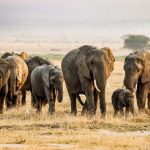
A standard itinerary looks like this. Fly into Nairobi and rest for one night, then drive or fly to a park. Spend three nights in the Masai Mara, and add two nights in Amboseli for elephants and Mount Kilimanjaro views, totaling about six nights on the ground.
If you only have five days, focus on one park. The Masai Mara is the best choice for a first timer, with a high density of big cats and classic open savannah scenery. Our Masai Mara guide breaks down which conservancies and camps suit a short stay.
How Much Does a Kenya Safari Cost per Person?
Safari costs vary widely, so let’s talk ranges. Budget to midrange safaris typically cost between 200 and 450 US dollars per person per day, including park fees, accommodation, meals, and shared game drives, roughly 11,000 to 25,000 Philippine pesos. For a fuller breakdown, see our guide to Kenya safari cost.
Luxury safaris run from 500 to 1,000 US dollars per person per day, including private vehicles and premium lodges, about 28,000 to 56,000 pesos.
Park entry fees are separate and paid in US dollars or Kenyan shillings. The Masai Mara National Reserve is not managed by Kenya Wildlife Service, but by the Narok County Government, which sets and collects its fees. For non-residents, Mara fees are around 100 US dollars per person per day from January through June, rising to about 200 US dollars per person per day from July through December, which covers the peak migration season. Amboseli, run by Kenya Wildlife Service, charges around 90 US dollars per person per day for non-residents, and your tour operator will include the applicable fee in your quote.
The biggest cost drivers are the number of nights, the lodging level, and whether you choose a private or shared safari. Your international flight is separate, and a round trip from Manila to Nairobi typically costs between 700 and 1,200 US dollars.
Do Filipino Citizens Need a Visa to Enter Kenya?
Yes, Filipino citizens need a visa for Kenya. The e-visa system is straightforward, applied for online at the official Kenya e-visa portal, not through third party sites that charge extra fees.
You will need a passport valid for at least six months and a recent photo. Kenya may also require proof of yellow fever vaccination if you have recently been in or transited through a country with yellow fever risk, so check the current entry requirements on the official portal before you travel. If you do need the vaccine, get it at least ten days before departure and carry your certificate as a backup.
The application asks for your travel dates, accommodation details, and flight information. Approval usually takes a few days, so apply at least two weeks ahead. The visa is valid for up to 90 days, and the fee is typically in the range of 50 to 55 US dollars for a single entry, though it can change, so confirm the current amount on the official portal before you pay.
Print two copies of your approved e-visa, one for immigration in Nairobi and a backup for your return.
How Do You Fly from the Philippines to Kenya?
There are no direct flights from Manila to Nairobi. You will connect through a hub such as Doha, Dubai, Abu Dhabi, Istanbul, or Singapore, on airlines like Qatar Airways, Emirates, or Turkish Airlines.
The total travel time is about 15 to 20 hours, depending on your layover. Book a layover of at least two hours to allow for gate changes, or spend a night in your transit city if jet lag worries you.
Is Kenya Safe for Filipino Tourists?
Kenya is safe for tourists who follow basic travel advice. The parks are gated, camps have security, and armed rangers patrol the reserves. Petty crime exists in Nairobi, so use hotel safes and avoid walking alone after dark.
Solo female travelers are common on safaris, and guides are professional and respectful. Stay within the itinerary your operator sets, and do not wander outside camp at night.
Malaria is present in Kenya, so talk to your doctor about antimalarial tablets and use mosquito repellent in the evening.
Is English Widely Spoken in Kenya?
Very much so. English is an official language, along with Swahili, and most Kenyans in tourism and hospitality speak it fluently.
You do not need to learn Swahili to enjoy your trip, but a few phrases help you connect with locals. “Jambo” means hello, “asante” means thank you, and “hakuna matata” means no worries. Kenyans appreciate the effort, even if your pronunciation is rough.
If you travel with family members who are not confident in English, ask about a guide who speaks Filipino when you book. It is not always available, but some operators can arrange it.
Should I Book Through a Travel Agency or Plan It Myself?
For a first time safari, booking through a travel agency is almost always better. Kenya’s safari industry has its own logic, and park fees, camp locations, and vehicle rules are not obvious to a newcomer. Plan independently and you risk booking a camp far from the best game viewing areas.
You can still book your international flights and travel insurance yourself, and leave the ground arrangements to a specialist. Ask for a detailed itinerary listing the camps, the number of game drives, and what is included, and get quotes from two or three operators before you decide.
What Is the Difference Between a Group Safari and a Private Safari?
A group safari puts you in a shared vehicle with other travelers, usually six to eight people, with seat rotation so everyone gets a window seat. It is the budget friendly option, and you meet travelers from around the world.
A private safari gives you a vehicle and guide to yourself, so you decide when to leave camp and how long to stay at a sighting. It suits photographers, families, or couples, and costs 40 to 60 percent more than a group safari.
A group safari is fine for a first timer who is flexible. For a honeymoon or a special occasion, the extra cost of going private is worth the freedom.
What Should I Pack for a Kenya Safari?
Packing is simpler than you think. Stick to neutral colors, such as khaki, olive, and beige, and avoid bright colors and dark blue, which attract tsetse flies. Bring long sleeved shirts and trousers for cool evenings, closed toed shoes for walking safaris, and flip flops for camp.
Sunscreen, a wide brimmed hat, and polarized sunglasses are not optional under the equatorial sun. A good pair of binoculars helps, even though your guide will have their own. Bring a power adapter, since Kenya uses Type G plugs, the same as the UK, plus a power bank for long game drives and a small first aid kit.
Can a Kenya Safari Be Combined with a Beach Stay?
Yes, and it is a popular combination. The coast is a two hour flight from Nairobi to Mombasa or Ukunda. Diani Beach is the best known spot, with white sand, warm water, and reef snorkeling. After a week of safari dust, most travelers find three or four nights there a welcome reward.
Ocean tides are strong, and the water is not always swimmable at low tide, so check the tide table with your hotel. The coast is also hot and humid, so pack light cotton clothes.
How Do Kenya Safari Costs Compare by Season?
Here is a quick table to help you budget. Prices are indicative per person per day for a midrange safari, including park fees, lodging, meals, and shared game drives.
| Season | Months | Weather | Daily Cost (USD) | Daily Cost (PHP approx) |
|---|---|---|---|---|
| Peak | July to October | Dry, migration | 350 to 450 | 19,000 to 25,000 |
| Shoulder | January to February | Dry, clear | 250 to 350 | 14,000 to 19,000 |
| Short rains | November to December | Light rain | 200 to 300 | 11,000 to 17,000 |
| Long rains | April to May | Heavy rain | 200 to 300 | 11,000 to 17,000 |
Prices drop in the wet season because camps offer discounts, and the wildlife viewing is still good, especially in Amboseli and the Masai Mara. See our best time to visit Masai Mara guide for a month by month breakdown.
What Should You Know About the Masai Mara and Other Parks?
The Masai Mara is the best known reserve in Kenya, part of the same ecosystem as Tanzania’s Serengeti. Its conservancies, such as Naboisho, offer a more exclusive experience with fewer vehicles. Our Masai Mara guide covers conservancies, camps, and what each area does best.
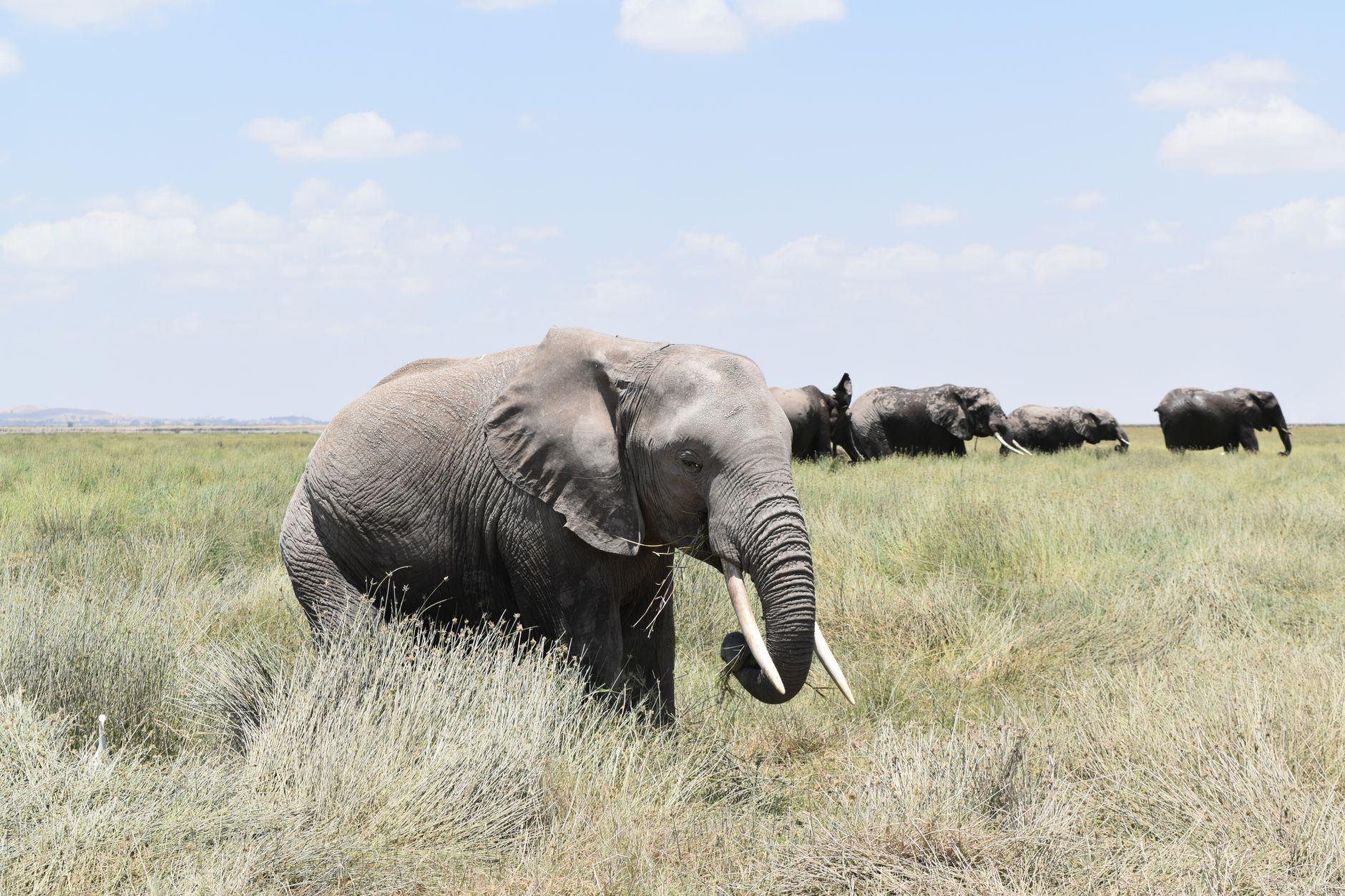
Amboseli is known for its large elephant herds and views of Kilimanjaro, and it is drier and dustier than the Mara. Samburu, in the north, has species you will not see further south, such as the Grevy’s zebra. For a first timer, the Mara plus one other park is plenty, and our Amboseli safari guide covers planning that leg of the trip.
How Do You Make Your Itinerary Work?
Keep your game drives to two or three hours in the morning and about the same in the afternoon, with breaks for breakfast and lunch in camp to avoid the midday heat. Your guide will know the park’s patterns better than any guidebook, so trust their judgment on where to go.
How Do You Compare Safari Operators for Your Trip?
TouringInsights is an editorial guide. We do not sell safaris, but we help you compare options. Once you know your dates and budget, visit FindMySafari or Valley Safaris to browse packages and compare operators side by side.
Start with a clear idea of your budget, ask for a breakdown of costs, and verify that park fees are included. A transparent operator will happily share the details.