Planning a Kenya safari is exciting, but it can also feel overwhelming. Most guides are written in English, so clear, honest information in Portuguese can be hard to find. This TouringInsights Kenya safari planning for Portuguese speakers guide fills that gap, covering seasons, parks, costs, visas, and packing for first-time travelers from Brazil and Portugal.
Why Use This TouringInsights Kenya Safari Planning for Portuguese Speakers Guide?
TouringInsights is an independent editorial guide. We do not sell safaris or act as a tour operator. We give you the facts to plan with confidence, and near the end we point you to trusted partner sites where you can compare operators and packages.
What Is the Best Time to Visit Kenya for a Safari?
Kenya has two dry seasons and two wet seasons. Dry seasons are best for viewing, since animals gather around water and short grass makes them easier to spot.
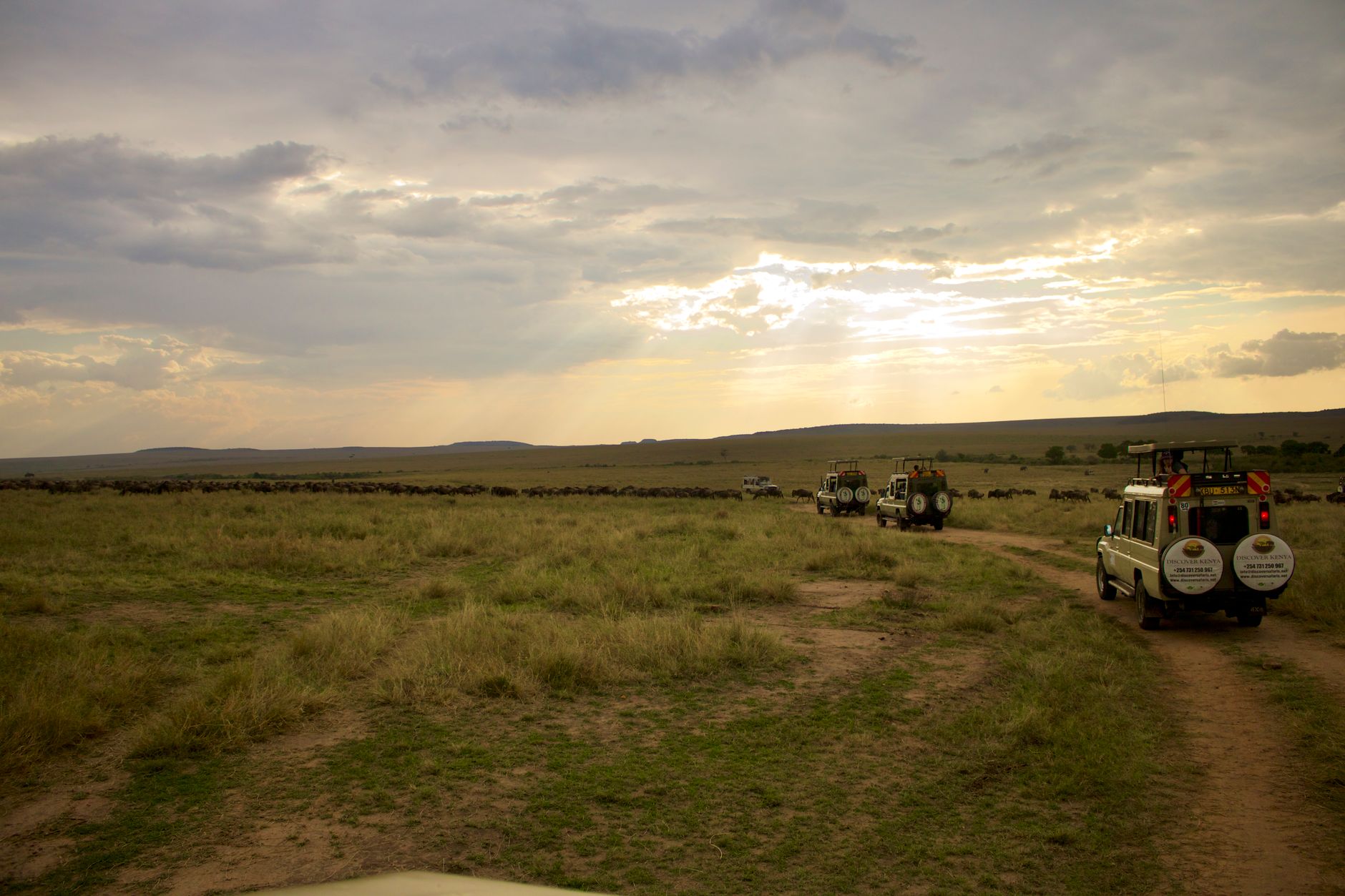
The long dry season runs late June to October, when the Great Migration crosses the Mara River. It is the most popular time, so crowds and prices are at their highest.
The short dry season runs January to February. The weather is warm and dry, wildlife stays near water, and prices are lower.
The wet seasons run March to May and November to December. The long rains in April and May make many dirt roads impassable, and some camps close. The short rains in November are lighter, with green landscapes and lower prices, but expect afternoon showers.
For a balance of good weather and smaller crowds, consider late January or early February. Our best time to visit the Masai Mara guide has more detail on monthly breakdowns.
Which Parks and Reserves Should I Choose?
Masai Mara National Reserve is the anchor of most itineraries, part of the same ecosystem as the Serengeti, with good odds of seeing all of the Big Five. Its private conservancies, such as Mara North, Naboisho, and Olare Motorogi, limit vehicle numbers, and their fees support local Maasai communities directly.
Amboseli National Park, at the foot of Mount Kilimanjaro, is famous for large elephant herds and clear-day mountain views at sunrise.
Lake Nakuru National Park is small and easy to cover in a day, known for flamingos and for both black and white rhinos.
Aberdare National Park is mountainous and forested, home to elephants, buffalo, and the rare bongo antelope, with tree lodges where animals drink at night.
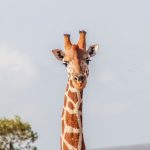
Samburu National Reserve in the north has species you will not see elsewhere, including the reticulated giraffe, Grevy’s zebra, and Somali ostrich. Our Samburu safari guide covers this region in depth.
For a first visit, we suggest the Masai Mara combined with Amboseli or Lake Nakuru. Read our Masai Mara vs. Amboseli comparison to decide which suits you.
How Do Kenya’s Top Safari Parks Compare?
Use this as a starting point, then confirm current fees before you book.
| Park or Reserve | Signature Wildlife | Best Season | Days | Non-Resident Fee, Set By |
|---|---|---|---|---|
| Masai Mara Reserve | Big Five, migration crossings | Jul-Oct (migration), Jan-Feb (quiet) | 3-4 | USD 100/day Jan-Jun, USD 200/day Jul-Dec, Narok County |
| Amboseli | Elephant herds, Kilimanjaro views | Jun-Oct, Jan-Feb | 2 | Set by KWS, confirm rate |
| Lake Nakuru | Flamingos, black and white rhino | Year-round, driest Jun-Oct | 1 | Set by KWS, confirm rate |
| Aberdare | Forest elephants, tree lodges, bongo | Jun-Oct, Jan-Feb | 1-2 | Set by KWS, confirm rate |
| Samburu | Reticulated giraffe, Grevy’s zebra | Jun-Oct, Jan-Feb | 2 | Set by Samburu County Government, confirm rate |
KWS is Kenya Wildlife Service, the agency managing Amboseli, Lake Nakuru, and Aberdare. The Masai Mara and Samburu are reserves administered by county governments, not KWS.
What Wildlife Will I See on a Kenyan Safari?
Most travelers want to see the Big Five: lion, leopard, elephant, buffalo, and rhino. You can tick all five in a week in the Mara and Nakuru, but wildlife watching is about behavior, not a checklist.
Lions in the Mara often rest under acacia trees, and early drives give the best chance of seeing them hunt. Leopards are secretive and drape themselves over branches in riverine forests, so your guide listens for alarm calls from monkeys and birds to find them.
Elephants are everywhere in Amboseli, and buffalo herds are common in the Mara and Nakuru. Rhinos are hardest to find, though Nakuru’s fenced sanctuary improves your odds. Do not ignore smaller animals: hyenas, jackals, and servals are active at dawn and dusk, and hundreds of bird species live across Kenya’s parks.
The Great Migration is not just wildebeest. Zebras, gazelles, and eland move with them, and river crossings are dramatic but not guaranteed, since they depend on predator pressure and water levels. For a fuller breakdown, see our Big Five guide.
How Many Days Do I Need for a Safari in Kenya?
A short safari of three days is possible, flying to the Masai Mara for four game drives, but the pace is rushed. We recommend at least five full days, so you have time to adjust to early mornings and enjoy the scenery, not just the animals. A good plan looks like this:
- Day 1: Arrive in Nairobi, overnight at a hotel
- Day 2: Fly or drive to the Masai Mara, afternoon game drive
- Day 3: Full day in the Mara
- Day 4: Full day in the Mara
- Day 5: Morning drive, fly back to Nairobi
Add two more days for Amboseli. A seven to nine day safari is comfortable and covers two or three destinations without feeling rushed.
Should I Do a Self-Drive Safari or Hire a Guide?
Self-drive safaris are possible. You can rent a car and navigate the parks yourself. Reserve roads are rough, so a 4×4 is essential, and wet season roads turn muddy and slippery. Self-driving saves money, but it adds hidden costs, since you handle your own park fees, fuel, and breakdowns. We do not recommend it for a first-time visitor.
Hiring a guide or joining a tour is safer and more rewarding. A professional guide knows where animals hide and reads the light for photography. Guides also share sightings by radio with other vehicles, improving your chances of seeing a leopard. Choose an operator with licensed guides, and ask whether the price includes park fees.
How Much Does a Kenya Safari Cost?
Safari costs vary widely, depending on season, accommodation, and how you travel between parks.
Entry fees for the Masai Mara are set by the Narok County Government, not Kenya Wildlife Service. As of 2026, non-resident fees run about USD 100 per adult per day from January through June, rising to about USD 200 from July through December, the peak migration season. Amboseli, Nakuru, and Kenya’s other national parks follow a separate Kenya Wildlife Service schedule, so confirm current rates before you travel.
Private conservancies such as Naboisho and Mara North charge their own fees on top, roughly USD 80 to 150 per person per night depending on the conservancy and camp. These fees support local Maasai landowners directly and fund conservation work.
Accommodation is the biggest cost. Budget camps and lodges range from 100 to 250 USD per person per night, mid-range options run 250 to 500 USD, and luxury camps can exceed 800 USD, usually including meals and some game drives.
A full package, including park fees, guide, vehicle, and lodging, typically costs 250 to 600 USD per person per day, depending on comfort level. Flights from Nairobi to the Mara cost around 150 to 300 USD one way. Our Kenya safari cost guide breaks down these numbers in detail.
Do Brazilians and Portuguese Need a Visa for Kenya?
Yes. Both Brazilian and Portuguese citizens need travel authorization to enter Kenya. Kenya has moved from its older e-Visa system to an Electronic Travel Authorization, known as an eTA. Apply through the official Kenyan government site, and check the current fee and processing time there, since older guides may list outdated steps.
You also need a passport valid for at least six months with two blank pages, plus proof of yellow fever vaccination, since Brazil is on Kenya’s at-risk list.
Flights from Brazil usually route through Doha, Amsterdam, or Addis Ababa. From Lisbon, some airlines fly direct to Nairobi. Total travel time is around 10 to 12 hours from Portugal, and 16 to 20 hours from Brazil with a connection.
The currency is the Kenyan shilling. Dollars are widely accepted, but carry shillings for small purchases, tipping, and local markets.
What Should I Pack for a Kenya Safari?
Packing light is key. Safaris use small planes and 4x4s with limited luggage space, so a soft duffel bag beats a hard suitcase. Bring neutral colors such as khaki, beige, and olive green, and avoid bright colors and white, which show dust. Long sleeves and trousers protect against sun and mosquitoes.
Do not forget:
- Sunscreen and sunglasses
- A wide-brimmed hat
- Binoculars
- Camera with extra batteries and memory cards
- Insect repellent with DEET
- Personal medications and a basic first-aid kit
- A power adapter for Kenya’s three-pin sockets
Temperatures vary. Mornings in the Mara can be around 10 degrees Celsius, while afternoons reach around 28. Layers are your friend, and a warm fleece for dawn drives is worth the space. Our full checklist is in the Kenya safari packing list.
Is Kenya Safe for Tourists?
Kenya is safe for tourists who follow common sense. The safari areas are well established, lodges have security, and armed rangers patrol the big parks. Petty crime exists in Nairobi, so keep valuables out of sight.
Health is the bigger concern. Malaria is present in most safari areas, so take antimalarial medication as prescribed, use repellent at dawn and dusk, and drink only bottled or filtered water.
Etiquette matters too. Do not feed the wildlife, stay inside the vehicle during game drives, and avoid loud noises. Your guide gives instructions for a reason.
Is the Masai Mara Better Than Other Kenyan Reserves?
The Masai Mara offers the richest wildlife concentration in Kenya, with the Great Migration passing through from July to October. But it is also the busiest, and vehicles can crowd around a single lion sighting.
If you want solitude, consider the private conservancies next to the Mara. They offer similar wildlife with fewer vehicles and off-road driving, and some allow night drives, which are not permitted inside the reserve, though fees are higher.
Other reserves like Samburu and Tsavo offer different landscapes and species. Tsavo is vast and wild, less crowded but more spread out. Our Tsavo safari guide explains the pros and cons.
How Do Tipping and On-the-Ground Costs Work?
Tipping is expected, since guides and drivers rely on it as part of their income. A common guideline is 10 to 20 USD per person per day for a guide, and 5 to 10 USD for a driver. Luxury camps often provide a shared staff tip box, where 10 to 15 USD per day is typical. Carry small bills in shillings for tips and porters, and avoid tipping in school pens or candy, which is outdated and creates dependency.
Where Should I Book My Kenya Safari?
TouringInsights does not sell tours. We are an independent guide, so we recommend you compare safari operators across a few trusted platforms.
Start with FindMySafari, which lists vetted operators for side-by-side comparison. Valley Safaris offers mid-range and luxury packages. Trunktrails Safaris specializes in custom trips focused on responsible tourism. Browse packages, check reviews, and ask questions before you commit.
Where Can I Find More Safari Planning Resources?
- Kenya wildlife tours from Trunktrails Safaris
- Best time to visit Kenya month-by-month map from Valley Safaris
- Big Five safari collection on FindMySafari
- Masai Mara Great Migration guide from Trunktrails Safaris