Most corporate retreats in Kenya still default to a hotel conference room with a game drive bolted on at the end. That format works fine for a two-hour break, but it rarely produces the “best offsite we’ve ever done” feedback that HR teams and events directors are chasing. Touring Insights spent time mapping which activities actually change how a group behaves together, and which ones just look good on an itinerary PDF.
The short answer: activities that force shared decisions under mild, low-risk pressure work. Passive game drives with a guide narrating everything do not. Below is a practical breakdown of what holds up in the field, plus real numbers on where to run it and what it costs.
Why a Safari Setting Changes How Teams Bond
A safari removes the usual office hierarchy cues. A junior analyst and a regional director sit in the same vehicle, wake at the same 6 a.m. call time, and share the same discomfort of a cold morning game drive. That flattening effect is well documented in offsite planning circles, and it happens faster in a bush setting than in a resort with a pool and separate villas.
The tradeoff is logistics. Groups of 20, 50 or 150 people need vehicles, guides and camp capacity that most standard tourist camps cannot provide on short notice. This is why corporate safari planning usually funnels toward a small number of venues built for group scale, rather than the boutique camps used for honeymoon or family trips.
Team-Building Activities That Actually Work in the Bush
- Ranger-led tracking exercises. Small teams follow real spoor (animal tracks) with a ranger, then compare notes on what they think made the trail. This works because it has a clear, checkable outcome, unlike vague “trust exercises.”
- Bush breakfast or sundowner setup as a timed group task. Teams are given a site, basic equipment and a time limit to lay out a full breakfast or drinks service for the whole group. It mimics real project constraints: fixed resources, fixed deadline, visible result.
- Community visit with a structured exchange, not a photo stop. A short, hosted visit to a local Maasai community, with an actual conversation or shared activity like bead-making, works better for cohesion than a five-minute drive-by stop that leaves people feeling like tourists rather than participants.
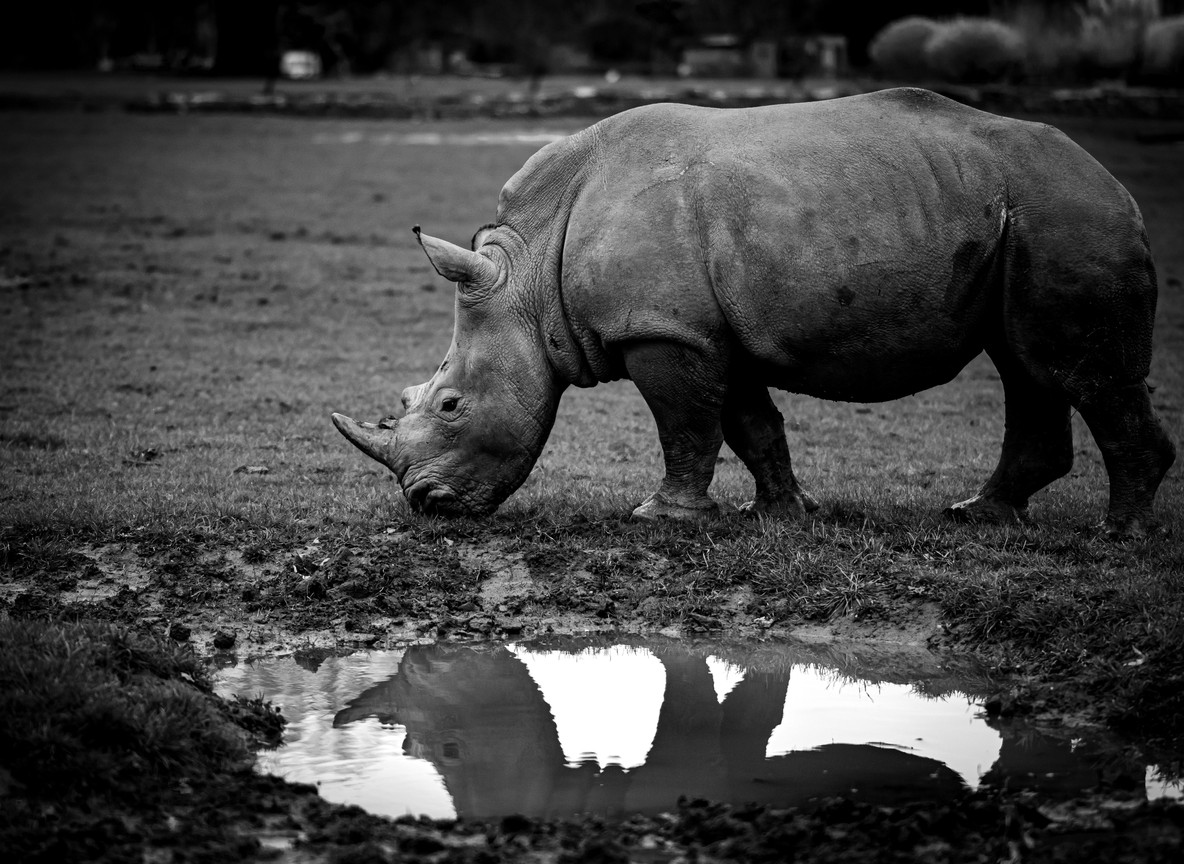
- Conservation briefing plus hands-on task. At conservancies with active rhino or predator monitoring, a ranger talk followed by something concrete, like helping check a camera trap or plant a tree, gives the day a shared purpose beyond entertainment.
- Orienteering-style walking safari. Teams navigate a marked bush route using a map and compass or GPS point, with a guide shadowing for safety. This produces genuine problem-solving under time pressure, which passive drives do not.
- Cook-off using local ingredients. Splitting into teams to prepare a simple meal with a camp chef judging results is low-risk, high-engagement, and translates well across seniority levels.
Avoid stunts that depend on physical ability, since mixed-fitness groups produce visible winners and losers rather than shared achievement. Scripted “trust fall” equivalents fall flat too; most corporate groups find them dated in 2026.
Naivasha: The Close-to-Nairobi Option for Short Retreats
Lake Naivasha sits about 90 km from Nairobi, roughly 1.5 to 2 hours by road on the A104, making it the default choice for one or two-day retreats that cannot justify a flight. Venues here include Great Rift Valley Lodge & Golf Resort, Enashipai Resort & Spa and Sawela Lodges. All three run event lawns and conference space, plus boat rides on the lake and access to Hell’s Gate National Park next door.
Hell’s Gate covers about 68 km2, small enough to run a half-day cycling or walking team challenge without needing a full-day commitment. It is one of the few Kenyan parks where you can walk or cycle among wildlife without a vehicle, since it has no resident predators large enough to require one. That freedom makes it useful for orienteering-style exercises.
Laikipia and Ol Pejeta: Conservation-Based Team Building Further Out
For groups willing to travel further, Ol Pejeta Conservancy in Laikipia offers a different kind of program built around its conservation work rather than golf and lake views. Ol Pejeta covers about 364 km2 and is known for hosting the world’s last two northern white rhinos alongside black rhino, lion and chimpanzee populations at its sanctuary.
Corporate groups here typically combine standard game drives with a ranger or vet-led briefing on rhino monitoring. Many add a small conservation task too, such as camera-trap checks or tree planting in a reforestation zone. The setting gives a shared-purpose narrative that a lakeside resort cannot easily match. It costs more in transfer time, though, and usually needs at least two nights to be worthwhile.
Naivasha vs Laikipia/Ol Pejeta: Which Fits Your Retreat
| Feature | Naivasha (Rift Valley) | Laikipia/Ol Pejeta |
|---|---|---|
| Distance from Nairobi | approx. 90 km by road | approx. 200 km by road or approx. 145 km air route |
| Typical travel time | approx. 1.5-2 hrs by road | approx. 3-3.5 hrs by road or approx. 35-40 min flight |
| Minimum retreat length | 1-2 days | 2-3 nights |
| Best group size | 10-150+ (conference-scale venues) | 10-60 (camp capacity limited) |
| Standout activity | Hell’s Gate cycling/walking challenge | Rhino monitoring briefing, conservation task |
| Setting | Lake, golf course, event lawns | Open savanna, working conservancy |
| Indicative day-rate (pp, activities + meals) | approx. $60-120 | approx. $150-250 |
Getting There: Distances and Transfer Times
| Route | Distance | Typical time |
|---|---|---|
| Nairobi to Lake Naivasha | approx. 90 km | approx. 1.5-2 hrs by road |
| Nairobi (Wilson Airport) to Nanyuki Airstrip | approx. 145 km air route | approx. 35-40 min by scheduled flight |
| Nairobi to Nanyuki by road | approx. 200 km | approx. 3-3.5 hrs by road |
| Nanyuki town to Ol Pejeta main gate | approx. 10-20 km | approx. 20-30 min transfer |
| Naivasha town to Hell’s Gate National Park gate | approx. 5-8 km | approx. 15-20 min transfer |
What a Corporate Safari Retreat Costs
Pricing for group retreats varies widely by group size, camp category and how many activities are bundled in. Treat the figures below as indicative starting points for sanity-checking a quote, not a fixed rate card.
| Package type | Group size | Indicative price (pp) |
|---|---|---|
| Naivasha day retreat (venue hire, meals, one activity) | 20-100 | approx. $60-120 per person |
| Naivasha 2-day/1-night retreat, full board | 20-100 | approx. $180-320 per person |
| Ol Pejeta 3-night bush program, full board, conservation activity | 10-60 | approx. $900-1,500 per person |
| Conservancy day fee, non-resident adult (where applicable) | any | approx. $80-100 per person per day |
Confirm every rate directly with the venue or a partner operator before budgeting, since group rates shift by season, exact camp and how many activities are bundled into the package.
Group Size and Logistics: What Actually Works
Groups under 20 fit comfortably into a single camp or lodge with shared vehicles and one itinerary. Between 20 and 60, most Laikipia and Mara conservancy camps can still host you, but expect to split across two or three properties or vehicle convoys. Above 60, Naivasha’s conference-scale resorts or a dedicated corporate camp buyout become the realistic options, since few bush camps hold that many beds.
Vehicle count matters more than most planners expect. A safari vehicle seats 6-7 comfortably, so a 50-person group needs 7-8 vehicles running in convoy. That changes how activities like tracking exercises get staged, favoring smaller rotating groups over one mass activity.
Explorer Notes
Guides who run these programs regularly flag a few things planners miss. Book conservancy conservation add-ons like camera-trap checks at least six weeks out, since only a limited number of rangers are trained to host groups and their schedules fill around anti-poaching duty first. Keep any physical activity optional and clearly marked as such on the day’s schedule, since mixed-fitness corporate groups react badly to activities that feel mandatory. Build in one genuinely unstructured block, whether a pool afternoon at Naivasha or a lodge veranda session at Ol Pejeta, since back-to-back structured activities tend to produce fatigue rather than bonding by day two. Finally, confirm dietary requirements with the venue at least two weeks ahead; group kitchens at bush camps have far less flexibility to adjust on the day than a hotel banquet team.
FAQ
What is the best team-building activity on a Kenya safari? Ranger-led tracking exercises and timed group tasks like setting up a bush breakfast tend to work best. Both give teams a clear shared goal, unlike a passive standard game drive.
How far is Naivasha from Nairobi for a corporate retreat? Lake Naivasha is about 90 km from Nairobi, roughly 1.5 to 2 hours by road, making it the standard choice for one or two-day retreats that do not need a flight.
Can Ol Pejeta host large corporate groups? Ol Pejeta’s camps generally suit groups of 10 to 60 comfortably. Larger groups usually need to split across multiple properties or vehicle convoys, or choose a conference-scale Naivasha venue instead.
How much does a corporate safari team-building retreat cost per person? Short Naivasha day retreats run roughly $60-120 per person indicatively, while multi-night bush programs at conservancies like Ol Pejeta typically run $900-1,500 per person, depending on camp category and activities included.
How many vehicles does a 50-person corporate safari group need? Since a standard safari vehicle seats 6-7 people, a 50-person group typically needs 7-8 vehicles running in convoy for game drives and transfers.
What to Read Next
- Weighing a shared-vehicle trip against a private one for your group? See Group Safari vs Private Safari in Kenya.
- Considering Ol Pejeta as your retreat base? Read our Ol Pejeta Conservancy safari and rhino sanctuary guide.
- Want more on the Naivasha side trip options? Check Hell’s Gate National Park cycling and hiking guide.
Matching the activity list to your group’s size and travel budget is the real planning work here, not the theme. If you are scoping a corporate retreat around Naivasha or Laikipia, visit our Tour Packages page or ask a partner operator to confirm current group rates and camp availability before you lock a date.