Tarangire Safari Elephant Safety Rules: 7 Musts for Families
Tarangire National Park in Tanzania holds one of East Africa’s largest elephant populations. Most safari vehicles get close to a herd within the first hour of a game drive. That makes tarangire safari elephant safety rules essential reading for any family heading out on a drive. Children especially need clear instructions before the first sighting. This checklist covers where elephants gather, how to read their warning signs, and what changes when kids are along for the ride.
7 Tarangire Safari Elephant Safety Rules Every Family Should Follow
1. Stay Inside the Vehicle and Keep Your Distance
Guides generally hold at least 30 meters, about two bus-lengths, between the vehicle and any elephant. Never ask to step out for a photo, even if the animal looks calm. That distance gives elephants room to feel unthreatened and gives your driver time to reverse if one starts moving toward the vehicle.
2. Learn to Read Ear-Flap and Trunk-Strike Signals
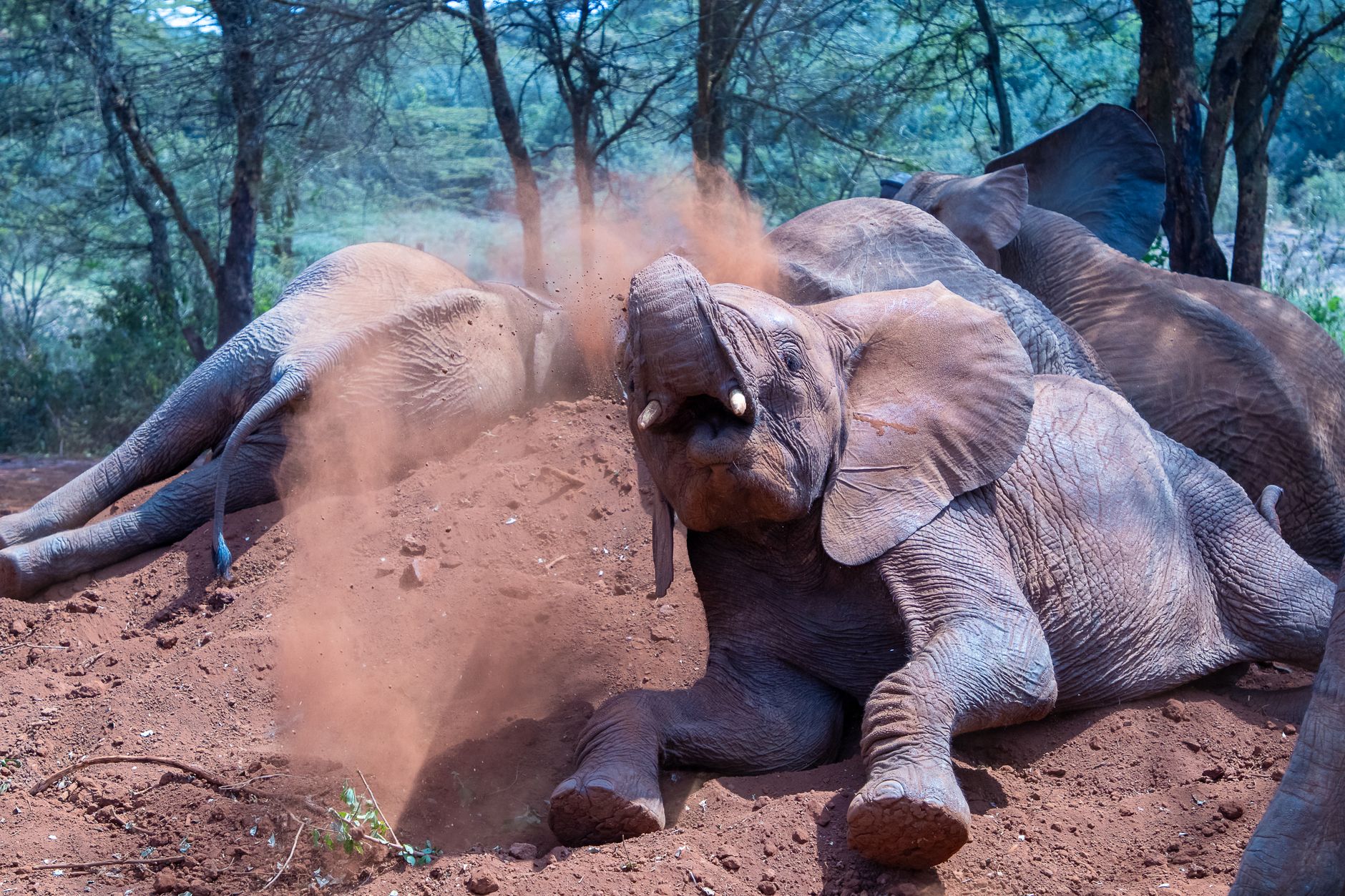
Elephants usually warn before they act. Watch for ears flared wide, a shaking head, trunk strikes against the ground, and loud repeated trumpeting. These signal irritation, not yet an attack. A mock charge follows next: ears out, head high, a short rush that stops well short of the vehicle. A real charge looks different, with ears pinned back, head low, trunk tucked in, and sustained speed. Guides are trained to tell the two apart in seconds.
3. Never Rev the Engine or Sound the Horn
Sudden engine noise reads as a threat and can turn a calm sighting into a defensive one. If an elephant approaches, most guides cut engine noise and reverse slowly rather than accelerate away. Ask your driver beforehand what they plan to do if an elephant gets close, so nobody in the vehicle is caught off guard.
4. Give Mother Herds Extra Room
Family groups with young calves protect their young more aggressively than bulls do, and a protective mother can move with very little warning. If you spot calves in a herd, your guide should hold extra distance without being asked. This is one of the higher-risk encounters in the park, so resist any urge to request a closer look.
5. Watch for Musth Bull Elephants
A musth bull is a solitary male in a hormonal state that raises his testosterone sharply and makes his behavior unpredictable. Look for a wet streak running from the temporal gland near the eye, constant dribbling urine, and a strong musky smell. Guides route around musth bulls whenever they spot one, and families should trust that detour rather than ask for a photo stop.
6. Brief Kids Before Every Game Drive
Set the rules with children before you leave camp, not after the first elephant appears. Agree on quiet voices near wildlife, hands and cameras kept inside the vehicle, and no standing on seats. Also agree on instant silence if the guide asks for it. Seat younger children on the inside seats, away from the open sides closest to passing elephants. Pick morning drives when elephants tend to be calmer and the tracks are quieter. A full kenya safari packing list is worth checking before you go. Layers and sun protection matter more on early drives than most families expect.
7. Trust the Guide if an Elephant Charges
Stay seated, stay quiet, and let the guide handle the vehicle. Most charges in Tarangire are bluffs, mock charges that stop within a few meters, and a calm reverse resolves them. If your guide tells you to duck down, do it right away without stopping to ask why.
Best Time to See Tarangire Elephants Safely
June through October is the long dry season. Large numbers of elephants gather at the Tarangire River and the swamps at Silale, Gurusi, and Larmakau. These are among the few reliable water sources left in the dry landscape. Sightings are close and frequent, though the same water draws more vehicles too. November through May spreads elephants more widely across the park for quieter, more spaced-out encounters, but the climate turns wetter. Pack for rain and check your prophylaxis timing for those months, since malaria risk rises with rainfall. If the wet season means elephant sightings thin out in places, build a couple of flexible days into the trip rather than betting everything on one game drive.
Camp Safety After Dark for Families
Most camps and lodges in and around Tarangire are unfenced, so elephants can and do pass through the grounds at night. Set one rule with kids on the first evening. Nobody leaves the tent or room after dark without a staff escort, no matter how quiet it seems outside. Keep tent zips closed and store snacks away from sleeping areas. Explain to children that even a calm elephant near the tent stays off-limits to approach or photograph.
Your Next Step
Before you book, ask your operator directly how they brief children on elephant safety before each Tarangire game drive, not just adults. Part of what you pay also goes toward conservation fees that help protect elephant habitat across the region’s parks. It is worth asking how those fees get used locally. If Tarangire is one stop on a longer trip, look into planning a multi-park family itinerary across East Africa before you lock in dates. Following these tarangire safari elephant safety rules from the start makes that conversation easier to have.
To compare safari operators running family trips to Tarangire, check current itineraries on FindMySafari, Valley Safaris, or Trunktrails Safaris. Browse packages that spell out their own vehicle and safety briefings before you commit.
More safari planning resources
- Kenya family safari from SafariPure
- Best time to visit Kenya from Trunktrails Safaris
- Nairobi to Maasai Mara route guide from Valley Safaris
- Big Five safari collection on FindMySafari