You price a Kenya safari for two people, then run the same nights as one, and the total barely drops. That gap is the single supplement, and it catches most first-time solo travelers off guard. It is not a hidden fee. It is math that most camps do not explain clearly on their websites.
Touring Insights broke down how the surcharge actually works, which camp types charge the most, and where solo travelers can avoid it entirely. The numbers below are indicative ranges built from how safari camps structure per-person, sharing-basis pricing, not invented figures presented as fixed quotes.
Why Camps Charge a Single Supplement At All
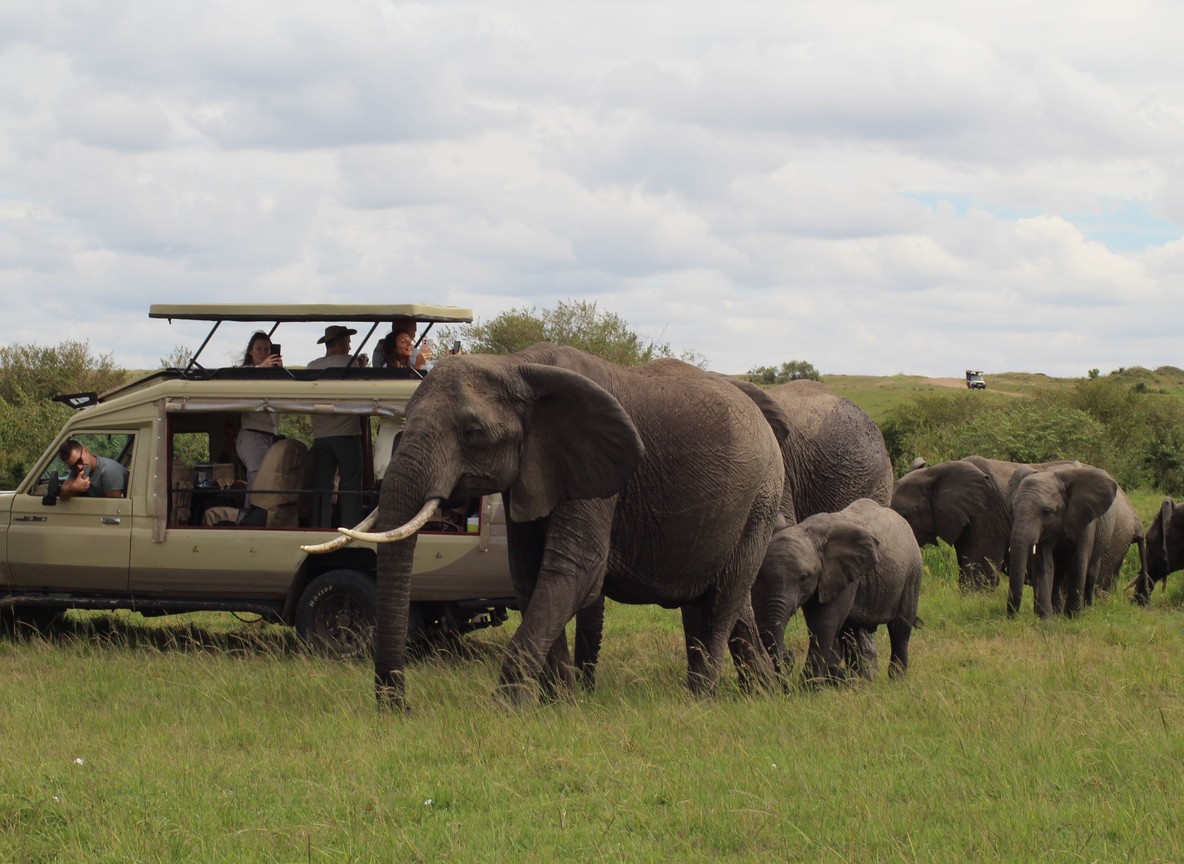
Safari camp rates are quoted per person, based on two people sharing one tent. A camp with 12 tents budgets fixed costs, like staff, vehicles, fuel, and food prep, across roughly 24 guests at full capacity. One solo guest in a tent still needs a made bed, a full housekeeping round, and a seat in a game drive vehicle designed for up to six.
When you book alone, the camp loses the second person’s share of those fixed costs. The single supplement recovers that gap. It usually ranges from 20 percent to 100 percent of the per-person sharing rate, depending on the camp’s size, tent count, and how full that specific week already is.
How Much Solo Travelers Actually Pay Across Camp Tiers
Supplement size tracks camp tier fairly closely. Small, high-end camps with eight to ten tents carry the highest percentage because fixed costs split across fewer beds. Larger lodges with 40-plus rooms spread costs further and often charge a flatter, lower supplement.
| Camp tier | Example property | Typical tent/room count | Indicative single supplement | Solo-friendly policy |
|---|---|---|---|---|
| Owner-run luxury camp | Angama Mara, Oloololo Escarpment | 15-17 tents | 75-100% of per-person sharing rate | Rarely waived; peak-season solo nights sell out fast |
| Classic tented camp | Governors’ Camp, Mara Triangle | 37 tents | 40-60% of per-person sharing rate | Occasional low-season waiver on request |
| Conservancy eco-camp | Porini Lion Camp, Olare Motorogi Conservancy | 10 tents | 30-50% of per-person sharing rate | Sometimes pairs solo guests in shared vehicles to cut game-drive costs |
| Mid-range lodge | Sarova Mara Game Camp, Mara Triangle side | 75 tents | 20-35% of per-person sharing rate | Larger inventory means more frequent solo promotions |
| Budget camp | Basecamp Masai Mara, Talek | 12 tents | 15-25% of per-person sharing rate | Some weeks offer dorm-style shared tents to skip the supplement altogether |
Costs above are indicative ranges built from standard sharing-basis pricing structures. Confirm the exact current rate directly with each camp or your booking operator before you pay a deposit.
The Three Ways Camps Structure the Charge
Not every property calls it a “single supplement” on the quote. Some fold it into a flat solo rate instead, which can hide the real markup if you do not compare it against the sharing rate first.
Percentage supplement. The camp adds a fixed percentage, commonly 50 percent, onto the per-person sharing rate. This is the most transparent structure because you can calculate it yourself from the published rate card.
Flat solo rate. The camp quotes one number for a solo traveler, unlinked to the sharing rate on the page. Always ask what the sharing rate would be for the same dates, then do the math, since flat rates sometimes run higher than a standard supplement would.
Waived supplement. A small number of camps drop the charge entirely during shoulder or low season to fill beds that would otherwise sit empty. This shows up most often in April, May, and November, Kenya’s quieter rainfall months between the main tourist seasons.
Where the Supplement Hurts Least: Fly-In vs Road Safaris
Camp accommodation is not the only place solo travel adds cost. Road safaris with a private vehicle and driver-guide split that daily rate across however many guests are in the car, so a solo traveler covers the full vehicle cost alone. A four-person group might pay $180 to $220 per day for a private 4×4 and guide; a solo traveler pays that same range by themselves.
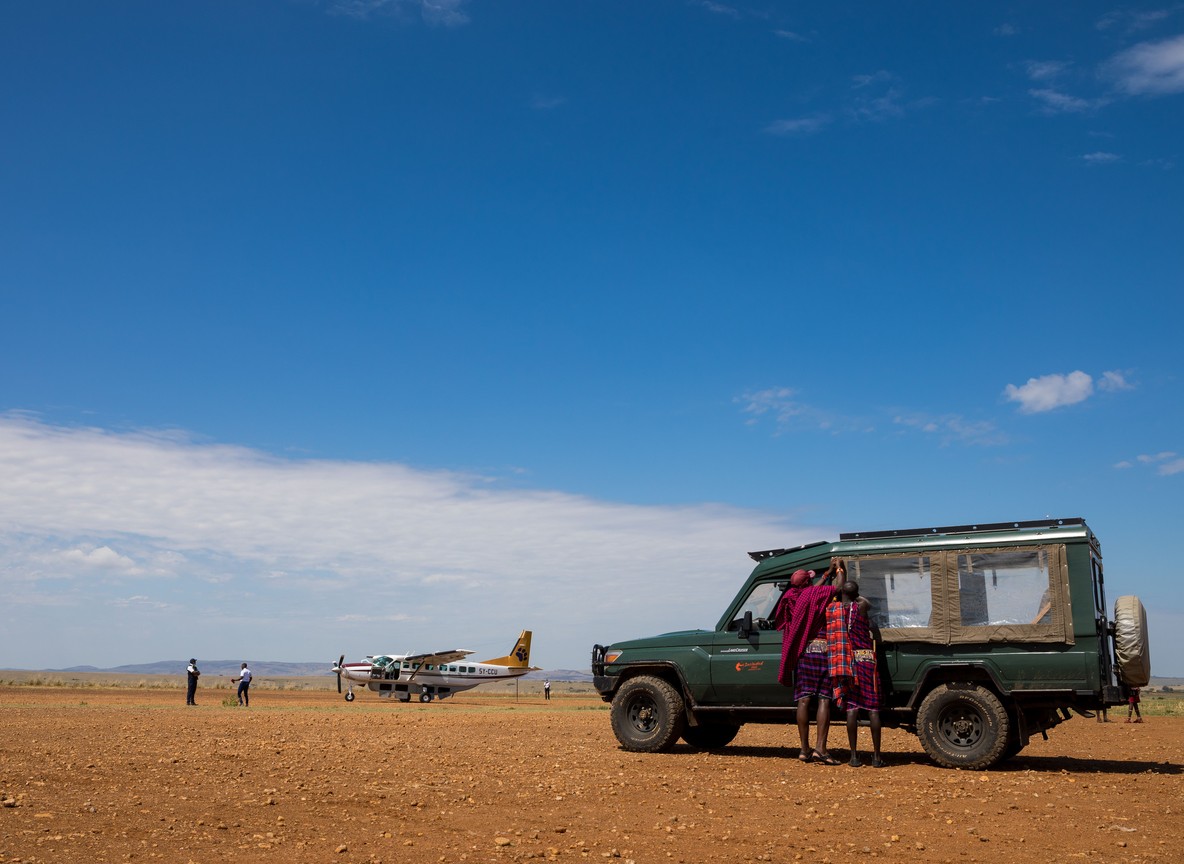
Fly-in safaris sidestep this. Scheduled light-aircraft routes, like the Nairobi Wilson Airport to Mara airstrips (Ol Kiombo, Keekorok, or Musiara), charge a fixed seat price regardless of party size, typically $150 to $220 one way depending on the route and season. Once you land, most camps run shared game drive vehicles seating up to six guests, so a solo traveler splits that cost with whoever else is in camp that day. Choosing fly-in over a private road transfer is often the single biggest lever a solo traveler has to cut the per-day total.
Park and Conservancy Fees Do Not Carry a Supplement
One piece of good news: government park fees and conservancy fees are charged per person, per day, with no solo penalty. The Maasai Mara National Reserve, 1,510 km2, charges a non-resident daily entry fee in the range of $80 during peak season (indicative; confirm current rates with Narok County before travel, since park boards adjust fees periodically). Private conservancies bordering the reserve, like Mara North and Olare Motorogi, add their own nightly conservation fee, typically $80 to $110 per person, per night, again unaffected by group size.
Amboseli National Park, 392 km2, sits at a lower non-resident daily fee, generally $60 to $70 (indicative). These fees apply the same whether you are traveling with five people or alone, so they do not move your solo budget the way accommodation and transport do.
Booking Tactics That Cut the Supplement
A few practical moves lower what you pay without changing the trip itself.
Travel in shoulder season. April to May and November carry the lowest rates across almost every camp tier, and this is when waivers are most common. You trade some rain risk for a meaningfully lower bill.
Ask directly instead of trusting the online rate card. Many camps hold back solo waivers for direct inquiries or specific booking windows and do not advertise them publicly. A short email asking “do you waive or reduce the single supplement for these dates” often gets a better answer than the website price.
Consider a small-group scheduled departure. Several operators run fixed-departure trips that pool solo travelers into one vehicle and split costs across the group, which removes the supplement question entirely since you are not renting a private setup.
Book fewer, longer stays at fewer camps. Every camp change adds a transfer cost, whether by air or road, and those transfer costs do not shrink for solo travelers. Three nights each at two camps costs less in transfers than two nights each at three.
Explorer Notes
Ask camps whether they run a “dine-around” or communal dinner policy before you book solo. Most mid-range and budget camps seat solo guests together at a shared table each evening, which solves the loneliness problem the supplement itself does not touch. Owner-run luxury camps sometimes default to private dining instead, which can feel isolating on a five-night stay.
Check the vehicle-sharing policy separately from the room policy. A camp can waive your single supplement on the tent and still charge you for a private vehicle if no other guests are booked on your dates. Confirm both before you commit, especially in shoulder season when occupancy runs low and vehicle-sharing partners may simply not exist that week.
If a camp’s flat solo rate looks close to the double-sharing per-person rate, it is worth booking as if it were the sharing rate and just paying it. The math rarely favors chasing a technically lower supplement at a worse camp over a fair flat rate at a better one.
Frequently Asked Questions
What exactly is a single supplement on a safari? It is an extra charge added to the per-person rate when one traveler books a tent or room designed for two. It covers the fixed costs, like housekeeping and staff time, that a camp would otherwise split between two guests.
Do all Kenya safari camps charge a single supplement? Most do, but the amount varies widely by tier. A handful of budget and conservancy camps waive it during low-occupancy weeks, especially in the April-May and November shoulder seasons.
Is a fly-in safari cheaper than a road safari for solo travelers? Often yes, once you account for a private vehicle’s full daily cost falling on one person during a road safari. Scheduled flights charge a fixed seat price and shared game drive vehicles split the on-ground cost with other camp guests.
Can I avoid the single supplement by sharing a tent with a stranger? Some operators offer a “guaranteed share” option that pairs solo travelers of the same gender to split the room cost, though this is more common on scheduled group tours than at individual camps.
Do park entry fees cost more for solo travelers? No. Park and conservancy fees are charged per person, per day, regardless of group size, so they stay the same whether you travel solo or with a group.
Once you have a sense of what the supplement actually adds to your trip, our Tour Packages page lists itineraries built around fly-in routing and shared game drives, both of which help keep a solo budget realistic. A partner operator can also flag which camps on your shortlist are currently waiving the charge.
What to Read Next
- Building a full solo trip budget? See our affordable solo safari cost guide.
- Weighing whether Kenya feels safe traveling alone? Read our Kenya travel safety guide.
- Want the bigger picture on what a Kenya safari costs in 2026? Check our Kenya safari cost guide.
Further reading
- Magical Kenya (Kenya Tourism Board)
- Maasai Mara Wildlife Conservancies Association
- African Wildlife Foundation