Every safari plan that includes Tanzania eventually comes to the same choice: south for calving or north for river crossings. The Serengeti wildebeest calving season is the south’s answer. It turns the short grass plains into a nursery for hundreds of thousands of wildebeest. This checklist covers timing, location, viewing expectations, booking and the big comparison with the Mara River crossings.
What Is the Serengeti Wildebeest Calving Season and When Does It Happen?
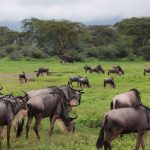
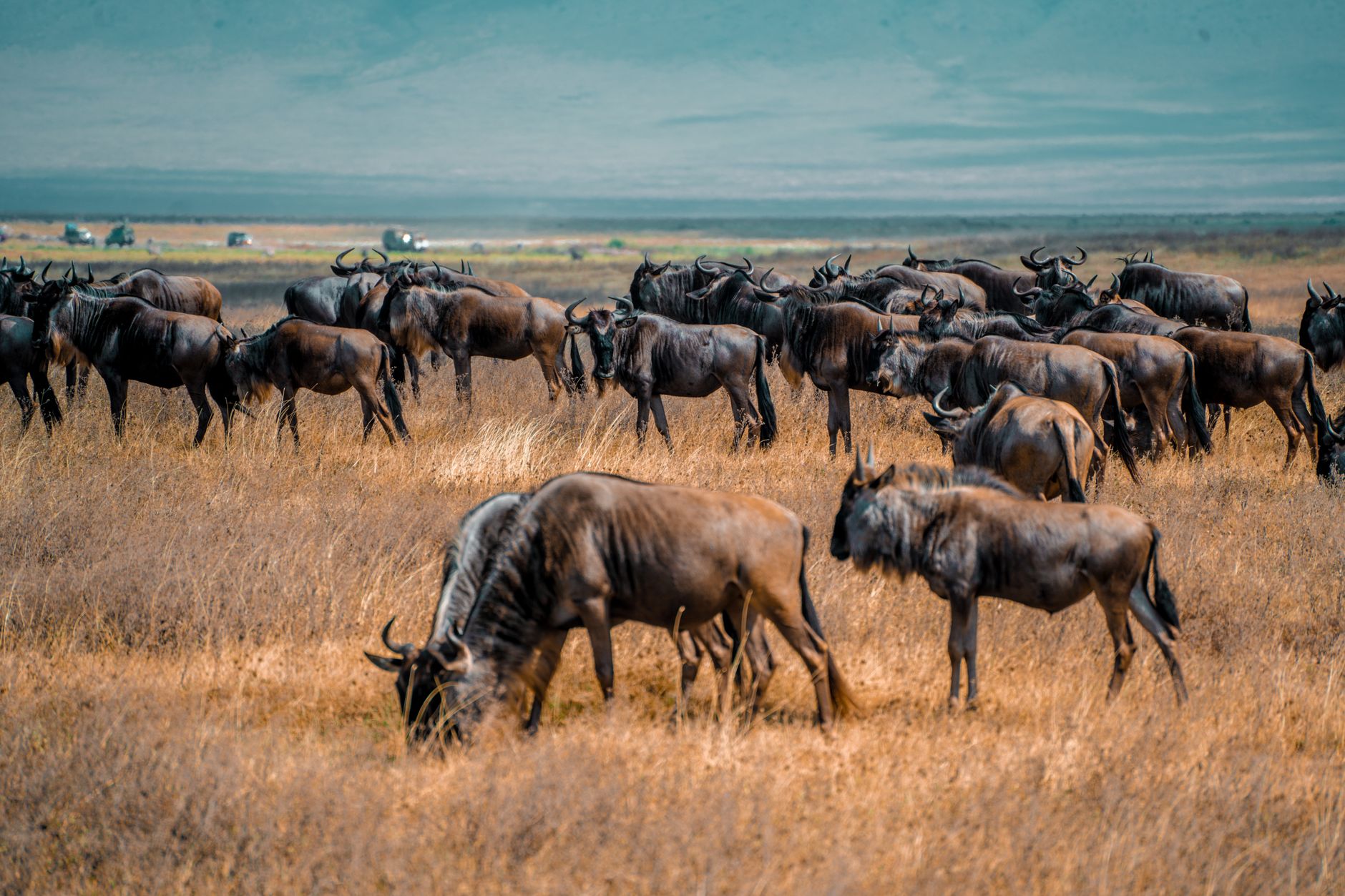
The Serengeti wildebeest calving season usually runs from late January through March, with the highest concentration of births in February. Rainfall can shift timing by weeks. Treat these months as a strong probability window, not a fixed date. January brings gathering herds. February brings peak newborn activity. March is quieter but still productive.
The herds concentrate on the southern short grass plains and around Ndutu. This area crosses two different management zones, so access rules matter. The exact herd position depends on which grass patches received rain. A flexible itinerary matters more than a fixed camp address.
A Practical Checklist for the Calving Season
1. Choose the Month Before You Pick a Camp
February is the default choice for the full calving effect. It offers the highest number of newborn wildebeest calves and the predator activity that follows. Late January works if you want fewer vehicles and do not mind a less predictable start. March often gives greener scenery and easier last minute availability, but rain becomes more likely as the long rains approach. Decide which trade off matters more to you.
2. Base Yourself on the Southern Plains, Not Seronera
Calving activity centers on the short grass plains between Lake Ndutu, Lake Masek, Naabi Hill and the Gol Kopjes. This is where the southern Serengeti meets the Ngorongoro Conservation Area. When operators talk about the Ndutu calving season, this is the region they mean.
Camps in Ndutu can reach the herds with short drives. Staying in central Seronera, by contrast, may mean hours of driving each day when the herds stay far south. Ask any operator whether its camp has permission to operate inside the Ndutu zone. Serengeti and Ngorongoro have different vehicle rules, and the difference affects where your driver can go. See our guide to Ngorongoro Crater versus Serengeti if you are weighing a crater extension.
3. Set a Behavioral Sighting List, Not a Species Checklist
The strongest reason to visit in this season is behavior. Expect newborn wildebeest calves, wobbly first steps, nursing groups and the tension of predators working the edges. Lions, cheetahs, hyenas and jackals are the reliable supporting cast. Serengeti predator sightings are not guaranteed, but the calving months raise your chances.
Estimates often put annual births between 300,000 and 500,000, with many births compressed into a few weeks. Even so, no guide can promise a birth on your game drive. The herds are always moving, and a noisy vehicle can scare off a hunting lion or cause a calf to separate from its mother. Good operators manage that tension with patience and careful positioning.
4. Compare Calving With the Mara River Crossings
Calving and river crossings are different products. Calving season offers newborn animals, predator encounters and open views. The Mara River crossings, which usually peak between July and October, offer high drama but can require waiting for days. February is the stronger choice for intimate behavior. The northern migration season is stronger for large movement at a river edge.
If your itinerary starts in Kenya, understand that the calving grounds are not close to the Masai Mara. A Kenya-based plan usually needs a cross-border transfer or a separate flight into northern Tanzania. Read our Serengeti vs Masai Mara migration comparison before you lock dates.
5. Plan Around Warm Days, Sporadic Rain and Mud
The calving season happens during the green period, which is exactly why the wildebeest are there. Expect warm days and intermittent showers, especially in March. Some tracks turn slippery, and vehicle density near a fresh sighting can be high.
Use a 4×4 vehicle and ask the operator about backup plans for closed roads. If you can stay flexible with start times or lunch stops, you have more options when the herds move. This is also the time to check whether your package includes a professional guide who knows the local road network.
6. Book Early and Ask About Access Before You Pay
February in Ndutu is one of the most competitive periods in East Africa. Prime lodges and mobile tented camps often fill six to twelve months ahead. If you have fixed dates, start with availability, then compare quality. If your dates are flexible, use the calving window as your anchor and plan around it.
Also check whether your quoted price includes the different park and conservation fees. Serengeti safari costs vary by season, gateway and camp style, so use our Serengeti safari cost breakdown to compare like with like.
7. Keep the Plains Safe for the Next Generation
The predator prey dynamic is the reason people visit, but calves are vulnerable to human disturbance as well as predators. Stay inside the vehicle at sightings. Do not push a guide to off-road if the terrain or rules forbid it. The two management zones in the Ndutu area have different access rules, so ask rather than assume.
A calm approach protects the nursery habitat and keeps sightings from breaking up too early. Watch the behavior, let the guide set the position, and the payoff is usually stronger than a rushed approach.
Take the Next Step: Compare Operators for Your Dates
Your single next step is to define a target week inside the calving window. Then compare safari operators who hold access to the Ndutu area and the southern Serengeti. Ask each one about camp location, 4×4 capacity, backup routes and the exact rules that apply to their permits.
Use the cost breakdowns to set a realistic budget, then browse packages through FindMySafari, Valley Safaris, or Trunktrails Safaris to start that comparison. You can also start planning directly with TouringInsights at touringinsights.com.
More safari planning resources
- Best time to visit Kenya map from SafariPure
- Masai Mara Great Migration guide from Trunktrails Safaris
- Best time to visit Kenya month-by-month map from Valley Safaris
- Compare Kenya safari packages on FindMySafari