A Serengeti safari shoulder season can cut costs and thin out the crowds, but not every shoulder month feels the same. This post helps you decide whether November, March, April, May, or early June makes sense for your dates, budget, and wildlife priorities.
When Is the Serengeti Safari Shoulder Season?
The Serengeti safari shoulder season usually falls in November to early December and from March through early June. April and May are the quietest, wettest, and often cheapest period. November brings short rains, while early June offers improving roads and weather before peak-season crowds arrive. Operators define the exact dates differently.
- November to early December. The short rains arrive after the dry months. Grass turns green and resident wildlife spreads out. Christmas peak rates have not started yet.
- March through May. Long rains build through March. April and May mark the deepest green season, when Serengeti safari cost drops to its lowest point.
- Early June. Rain eases, roads begin to dry, and herds start moving north. Prices still sit below the July to October peak in many camps.
To understand the wider choice, read our comparison of a dry season versus green season safari. It explains why green months reward flexible travelers with landscapes that dry months cannot match.
What Are the Shoulder-Season Weather and Road Trade-Offs?
Expect warm days, humid conditions, green landscapes, and a mix of sunshine and rain. November showers are often brief, while April and May can bring heavier rain and muddy or rough roads. Some camps close for maintenance, so confirm operating dates and choose an itinerary with flexible routing and waterproof gear.
Rain is rarely continuous. Showers often pass in the afternoon or evening. But a single storm can turn a Serengeti dirt track into slow going, especially on the black-cotton soil found across parts of the park. The trade-off is visual: this is the Serengeti green season at its most lush, with newborn plains animals and migratory birds adding color and movement.
Camp availability changes too. Some seasonal camps close for part of April and May because airstrips and access roads become harder to use. Permanent lodges usually stay open, but the range of choices narrows. If you travel on a strict schedule, ask whether your chosen camp stays open and whether road transfers can handle wet weather.
Can You See the Great Migration in the Serengeti Shoulder Season?
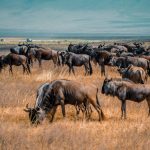
Shoulder season still delivers excellent resident wildlife, predators, birdlife, and migrating herds, but the best sightings depend on location and month. November usually sees wildebeest moving south toward Ndutu, early June can catch herds beginning northward movement, and April and May are less predictable for major migration spectacles. River crossings are not a shoulder-season guarantee.
The Great Migration Serengeti herds rarely disappear. They simply move. If you choose November, focus on the southern plains and the Ndutu area. If you choose early June, stay close to the western or central corridors where herds begin their long push north. The classic river crossings are normally a July to October event, so do not book the shoulder season expecting those scenes.
If you are weighing Tanzania against Kenya, read our Serengeti versus Masai Mara comparison before choosing a route. The two countries see the same herds at different times of year.
How Much Cheaper Is a Shoulder-Season Serengeti Safari?
Shoulder season is best for travelers who value space and lower rates over guaranteed dry weather. April and May can be 30-50% below peak at some camps, November commonly brings meaningful discounts, and early June may offer a short pre-peak window. Savings vary by camp, room type, holidays, and whether seasonal properties remain open.
The headline saving of 40% is realistic for some permanent camps in the lowest months. A camp charging peak rates in July or August might list rates 30-50% lower in April and May. November discounts are usually smaller, and early June falls somewhere between shoulder and peak.
Most of the saving appears in the lodge price, not in park fees. Tanzania park and conservation fees normally stay steady through the year, so your final Serengeti safari cost depends heavily on the camp you pick, the number of nights, and the vehicle arrangement you choose.
Which Serengeti Areas Work Best in the Shoulder Season?
Choose the Serengeti area according to your wildlife objective. Seronera is the most reliable all-year base for resident game. Ndutu suits January to March calving. The Western Corridor is strongest around June to October, and northern Serengeti is the classic July to October river-crossing zone. In shoulder season, spend four to six nights and keep routing flexible.
Use this rough match for a shoulder-season itinerary:
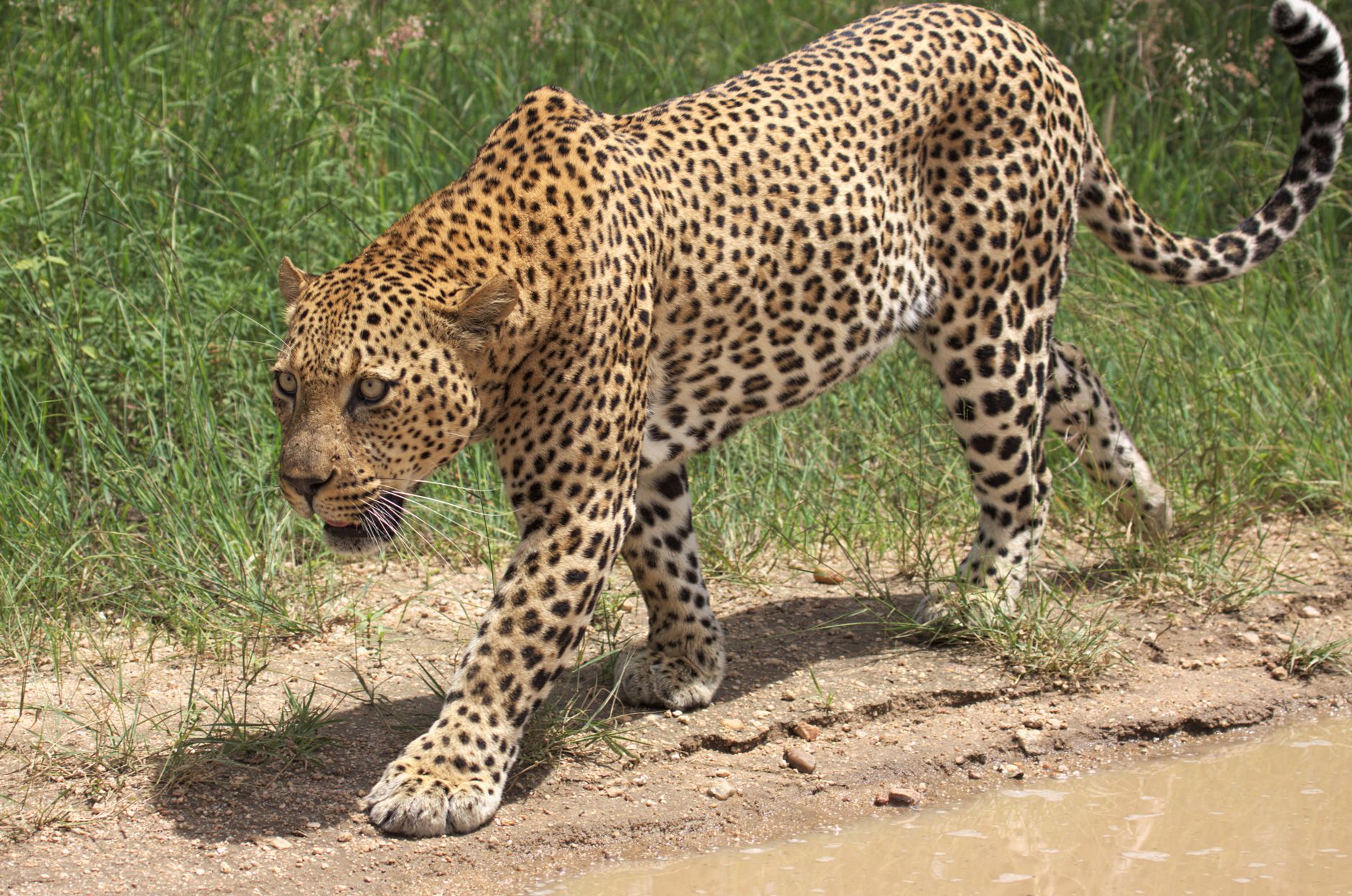
- Seronera, central Serengeti. The safest base when rain is possible. Lions, leopards, and plains game stay resident through most weather.
- Ndutu and the southern plains. The target for November and early December, when herds return from the north and east. Calving season then runs from January to March. If you are also weighing a stop at the crater highlands, see our Ngorongoro Crater versus Serengeti comparison.
- Western Corridor. Best in June, when herds gather near the Grumeti River and start moving toward the northern woodlands.
- Northern Serengeti. More useful in July through October than in the shoulder months. Unless you are chasing late rains, save the north for the dry season.
How Should You Plan a Shoulder-Season Serengeti Safari?
Plan four to six nights, book a camp that stays open through your dates, and keep at least one flexible day. If you are crossing from Kenya into Tanzania, allow extra time at border posts and use an itinerary that can swap game-drive areas when weather shifts.
Before you upgrade your vehicle, consider whether a private safari vehicle is worth it. A private car gives you more control in wet weather, but it adds cost. If your camp provides good shared vehicles with experienced drivers, you can protect your budget and still see the park well.
Ask each operator for specific operating dates. A camp listed as open year-round may still close for a week of maintenance. Ask about road transfers, airstrip availability, and what happens if rain closes a route. The best shoulder-season plans treat the itinerary as a starting point, not a fixed contract.
Compare Safari Operators Before You Choose a Month
Shoulder season sits between two extremes. Some travelers love the space and the green scenery. Others should wait for consistently dry roads.
Browse packages from FindMySafari, Valley Safaris, or Trunktrails Safaris, then compare operators side by side. Asking for shoulder-season dates explicitly is the fastest way to see which camp includes flexible routing and which one closes in April. Comparing price lists will tell you whether your dates deliver the savings you expect.
More safari planning resources
- Best time to visit Kenya map from SafariPure
- Best time to visit Kenya from Trunktrails Safaris
- Best time to visit Kenya month-by-month map from Valley Safaris
- Compare Kenya safari packages on FindMySafari