A short video from Serengeti National Park spread fast in July 2026. It showed a tourist leaning out of a safari vehicle to touch a wild cheetah just meters away. Some viewers loved it. Almost everyone in the industry did not. Within days, the chairman of the Tanzania Tour Guides Association issued a public warning. He said the encounter broke park rules and put both the cheetah and the visitor at risk. Touring Insights breaks down what the rules actually say, why they exist, and how to plan a Serengeti trip that gets you close to wildlife without becoming the next warning video.
What Happened in the Viral Cheetah Video
The footage first appeared via arushanews.co.tz on July 19, 2026. It showed a cheetah approaching a stationary safari vehicle in the central Serengeti. The visitor did not stay inside. She reached out and interacted with the animal at close range while a guide appeared to allow it. Views racked up across social platforms within a day. The Tanzania Tour Guides Association chairman weighed in soon after. He stated the interaction violated Tanzania National Parks (TANAPA) wildlife-viewing regulations and called for stricter enforcement of minimum distance rules. No injury to the visitor or the cheetah was reported. The bigger concern was precedent. A cheetah habituated to human contact from one vehicle tends to repeat the behavior with the next car, and the next, until an interaction ends badly for the animal or a person.
Why Wildlife Viewing Distance Rules Exist
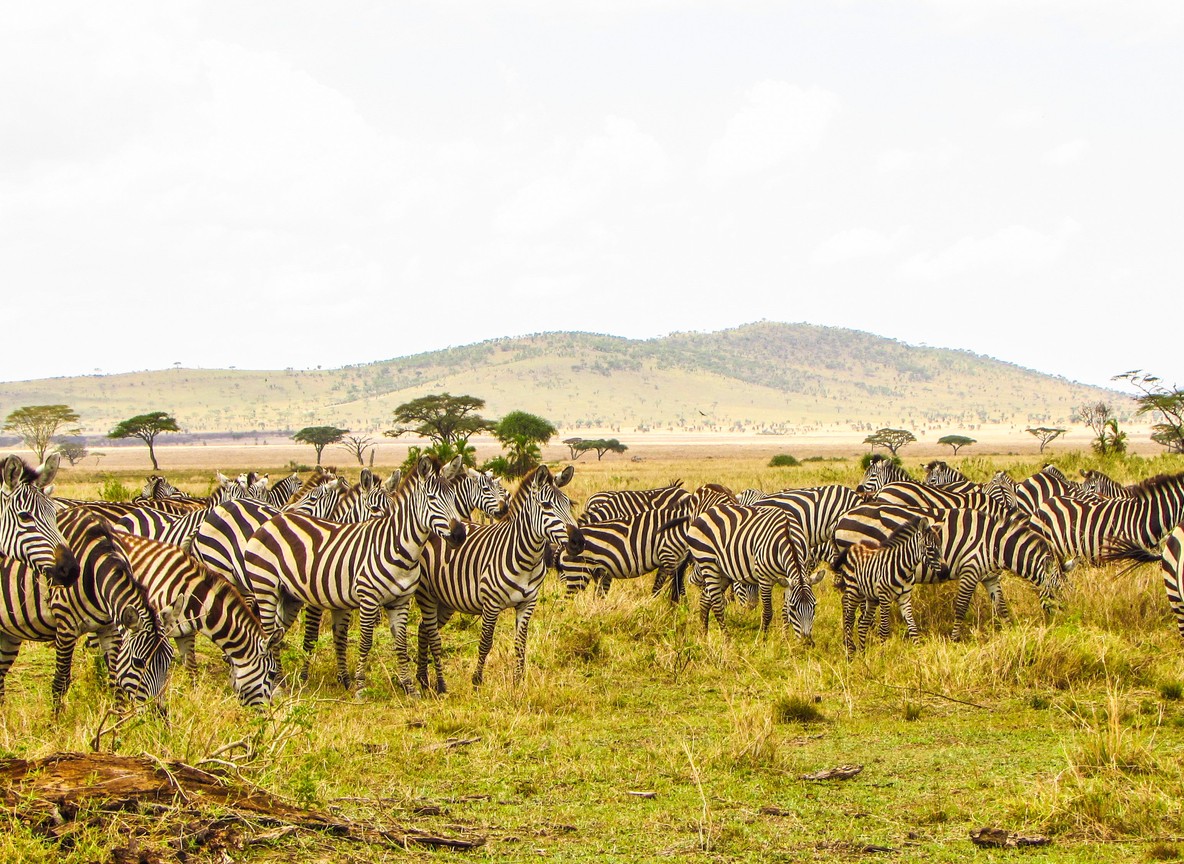
Serengeti National Park covers approximately 14,750 km2 of open grassland, woodland, and riverine habitat. Its lion, cheetah, and leopard populations move freely across that range without fences. TANAPA sets minimum viewing distances for a clear reason. Cheetahs and other predators habituate quickly to vehicles that get too close or allow contact. A cheetah that learns a vehicle means an easy meal, or just an interesting object to climb on, loses its instinctive wariness of people. That habituation does not stay confined to one encounter. Guides across the ecosystem report the same cheetah returning to vehicles days or weeks later, each time raising the odds of an incident. Rules also protect visitors directly. A cheetah looks calm on camera, but it stays a wild predator. Its bite or claws can cause a serious injury within a fraction of a second, no matter how tame the moment appears on screen.
Serengeti vs Ngorongoro: How Viewing Rules Compare
Both parks sit inside the same TANAPA-managed system. Visitors sometimes assume looser Serengeti spacing carries into the crater. It does not. Ngorongoro enforces its rules more tightly, given its smaller, more concentrated space.
| Detail | Serengeti National Park | Ngorongoro Conservation Area |
|---|---|---|
| Park/area size | approx. 14,750 km2 | approx. 8,292 km2 (crater floor approx. 260 km2) |
| Minimum predator viewing distance | approx. 20-25 meters, guide discretion | approx. 25 meters, strictly enforced on crater floor |
| Off-road driving | Permitted in some zones with licensed guide only | Prohibited on crater floor at all times |
| Non-resident entry fee (indicative, 2026) | approx. USD 82 adult per 24 hr | approx. USD 71 adult plus separate crater service fee |
| Main entry gates | Naabi Hill Gate, Klein’s Gate, Ndabaka Gate | Lodoare Gate |
| Vehicles per sighting, peak season | Moderate to high near Seronera | Very high on crater floor, congestion common |
| Nearest hub airstrip | Seronera Airstrip (central), Kogatende (north) | Manyara or Lake Manyara Airport, then road transfer |
The Core Safari Etiquette Rules Every Guest Should Know
TANAPA regulations, and standard East African park protocol, cover more than distance. Stay inside the vehicle at all times outside designated picnic or walking areas. Predators read an open door or a limb outside the window as an opportunity or a threat. Never feed wildlife, including birds and monkeys at rest stops. Feeding teaches animals to approach vehicles for food instead of avoiding them. Keep your voice low near a sighting and avoid sudden movement. Noise and motion are what most often push an animal to flee or react. Guides set vehicle positioning for a reason tied to wind direction, animal behavior, and escape routes. Follow their call instead of asking for a closer angle. Drones need a permit and stay banned in most TANAPA parks without one, including the Serengeti. A guide who allows an interaction like the one in the viral video is not doing guests a favor. That guide trades a short-term photo for the animal’s long-term safety and the operator’s own licensing standing.
What Happens When Guides or Guests Break the Rules
TANAPA can fine or suspend the licenses of guides and operators who violate wildlife-viewing regulations. Repeat offenses can end in a permanent ban from operating inside the park system. Individual visitors typically face a warning or removal from the park on a first violation. Physical contact with a predator can draw a formal citation under Tanzania’s Wildlife Conservation Act. The reputational cost often outweighs the formal penalty. A viral video naming a specific camp or operator can cost that business bookings for months. Safari travelers increasingly research operator conduct before they choose who to book with. The Tanzania Tour Guides Association has pushed for more visible gate signage and stronger pre-drive briefings since the July 2026 incident.
Planning Facts for a Rule-Respecting Serengeti Visit
| Detail | Figure |
|---|---|
| Park size | approx. 14,750 km2 |
| Main gates | Naabi Hill (south/central), Klein’s (north, Kenya border), Ndabaka (west) |
| Distance from Arusha to Naabi Hill Gate | approx. 335 km, 6-7 hr drive |
| Non-resident entry fee (indicative, 2026) | approx. USD 82 adult / USD 23 child per 24 hr |
| Minimum predator viewing distance | approx. 20-25 meters |
| Nearest airstrips | Seronera (central), Kogatende (north), Grumeti/Kirawira (west) |
| Flight time, Arusha to Seronera | approx. 1 hr 15 min |
| Governing body | Tanzania National Parks Authority (TANAPA) |
TANAPA sets fees and distance thresholds, and both can change with each tariff review. Confirm current rules with your operator or at the gate before you travel.
Explorer Notes
Ask your guide directly, before the first game drive, what their vehicle’s minimum distance policy is for predators. A guide who answers with a specific number and a reason has given this briefing before and takes it seriously. If a cheetah or lion approaches your stationary vehicle on its own, stay still and quiet inside. Do not open a window or door for a better shot. Zoom lenses exist for exactly this situation. Pack at least a 200mm lens if wildlife photography matters to you, since it does the work a closer approach should never do. If you see another vehicle break distance rules or allow contact, most camps and TANAPA gates accept reports. A photo with a timestamp helps. Reporting responsible behavior protects the animals you came to see, and the guides who already follow the rules honestly.
What to Read Next
- Serengeti vs Masai Mara: Which Migration Safari Fits Your Trip
- What to Wear on Safari in Kenya and Tanzania: Dress Codes Beyond the Packing List
- Choosing an Ethical Safari Operator: Questions to Ask Before You Book
FAQ
How close can you get to a cheetah on safari in the Serengeti? TANAPA guidance sets a minimum viewing distance of approximately 20-25 meters from predators. Guides apply it at their discretion, based on the animal’s behavior. Never exit the vehicle or reach outside it near a cheetah, lion, or leopard.
Is it illegal to touch wildlife in Serengeti National Park? Yes. Physical contact with wild animals violates TANAPA wildlife-viewing regulations. It can bring fines, park removal, or a citation under Tanzania’s Wildlife Conservation Act for the visitor, and license suspension for the guide involved.
What should I do if my guide breaks safari etiquette rules? Ask them directly to move back to a safe distance. If they refuse, report the incident to your camp management or at the nearest park gate. A timestamped photo or video helps as evidence.
How much does it cost to enter Serengeti National Park? Non-resident entry runs an indicative USD 82 per adult for 24 hours. That figure sits separate from conservation and camping fees charged by individual lodges and mobile camps. Confirm current TANAPA rates through your operator before you travel.
What is the closest airstrip to central Serengeti? Seronera Airstrip serves the central Serengeti, roughly a 1 hr 15 min flight from Arusha. Kogatende covers the northern Mara River region during migration season.
The cheetah in that viral video did not choose to become a cautionary tale. Neither did the guide who lost credibility over one clip. Good etiquette costs nothing beyond patience and a longer lens. Check the Tour Packages page for Serengeti itineraries built around licensed operators, the kind who brief guests on these rules before the first game drive, not after a complaint.