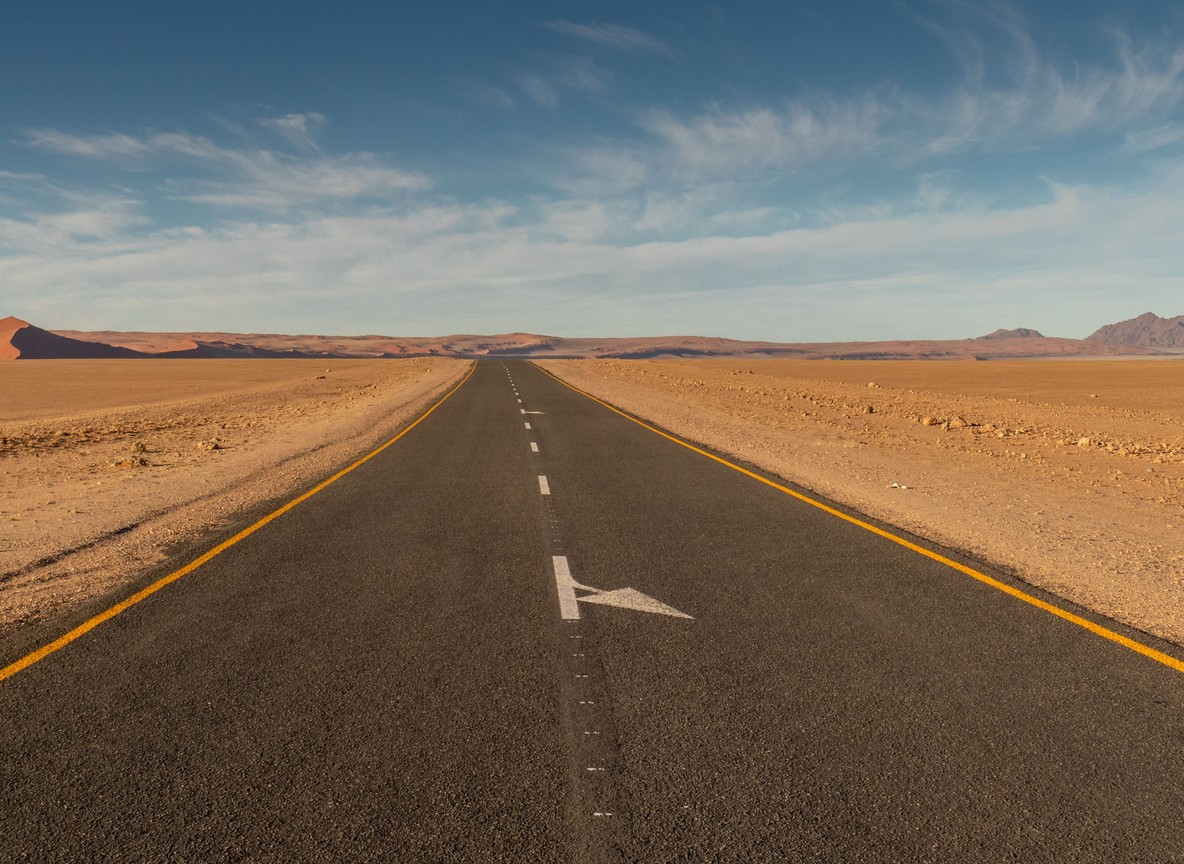
If your Serengeti plan routes through the western side of the park this year, you need to know about the roadwork first. Tanzania National Parks Authority (TANAPA) is midway through a rebuild of the Ndabaka-Seronera road, the main artery linking the park’s western gate to its central hub. The work is good news long-term. In the short term it changes drive times, and in some stretches, comfort. Touring Insights breaks down exactly what is happening, which sections are done, and how to route around the slower parts before you lock in a self-drive or transfer.
What’s Happening on the Ndabaka-Seronera Road in 2026
TANAPA began rehabilitating the 121.5 km Ndabaka-Seronera road in June 2026, funded as part of a broader roughly TSH 12.6 billion Serengeti infrastructure package. The road-specific project carries a budget of about TSH 4.5 billion. Work includes resurfacing the full route, installing seven box culverts at drainage points, and raising embankments by roughly 50 cm through areas that used to flood and close entirely in the rains. The project is scheduled to finish by December 2026, running in phases rather than closing the whole corridor at once.
The first completed phase covers the 41.4 km stretch from Ndabaka Gate to Kirawira B, a landmark used by contractors and lodges alike to mark distance along the western corridor. That section is now in noticeably better shape than the stretch further east toward Seronera, where work is still underway. Expect graded, dust-heavy sections mixed with active construction zones through most of 2026.
The Ndabaka Gate Route: Distances and Current Drive Times
Ndabaka Gate sits on the park’s western boundary, the entry point most travelers use when approaching from Mwanza and Lake Victoria. From the gate, it is roughly 121 to 145 km to Seronera depending on which route markers you count, a drive that normally takes about 2 to 2.5 hours on a fully repaired road. During active construction, budget closer to 3 to 3.5 hours, since graders and culvert crews force single-lane sections and speed limits drop near work sites.
| Route detail | Figure |
|---|---|
| Ndabaka Gate to Seronera distance | approx. 121.5-145 km |
| Normal drive time (repaired road) | approx. 2-2.5 hours |
| Drive time during active construction | approx. 3-3.5 hours |
| Ndabaka Gate to Kirawira B (Phase 1, complete) | 41.4 km |
| Project start | June 2026 |
| Scheduled completion | December 2026 |
| Total infrastructure package | approx. TSH 12.6 billion |
| Road-specific budget | approx. TSH 4.5 billion |
| Serengeti National Park size | approx. 14,750 km2 |
Confirm current road status with your operator or lodge the week of travel. Construction phasing shifts month to month and TANAPA does not always post updates publicly in real time.
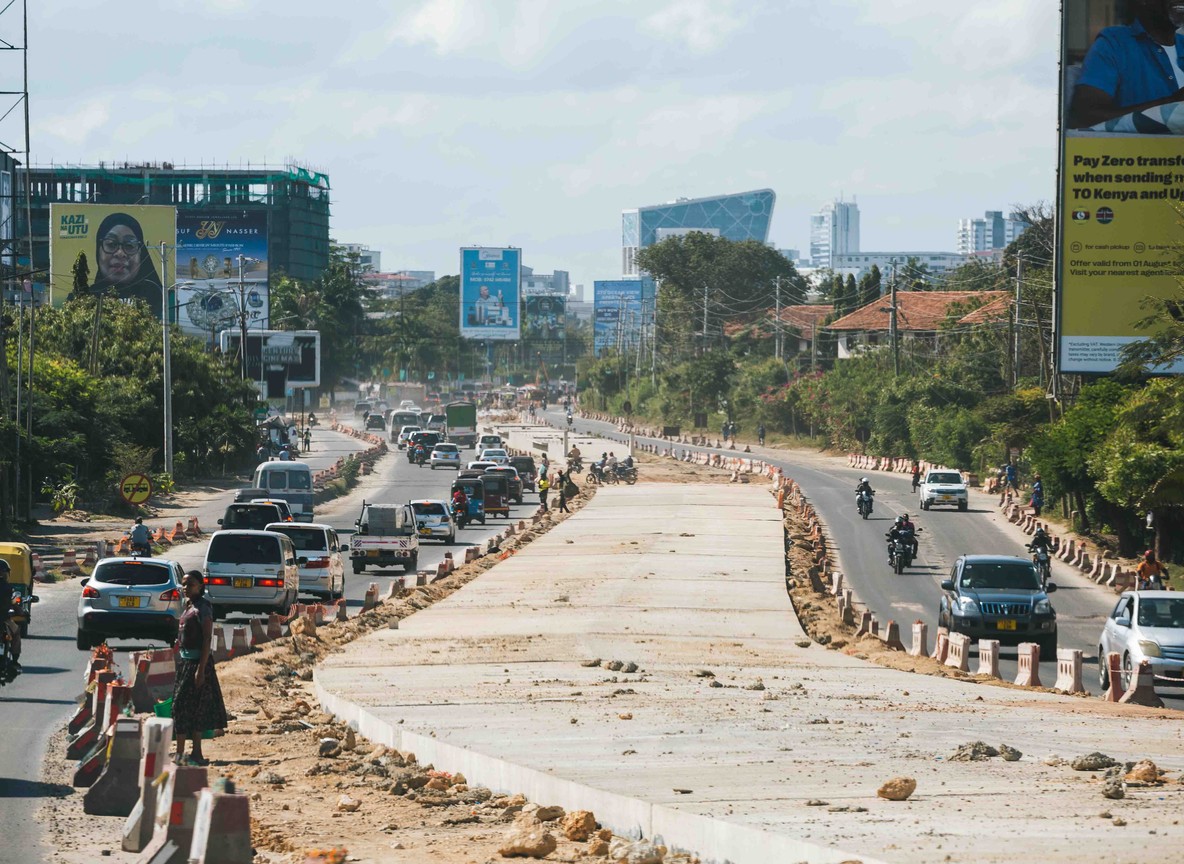
Western Corridor vs Eastern Route: Ndabaka Gate vs Naabi Hill Gate
Drivers coming from Arusha or Ngorongoro Crater have an alternative that avoids the western repair zone entirely: entering through Naabi Hill Gate on the park’s eastern side. It costs more driving time from Arusha but currently offers a smoother run into Seronera.
| Factor | Ndabaka Gate (West) | Naabi Hill Gate (East) |
|---|---|---|
| Typical starting point | Mwanza / Lake Victoria | Arusha via Ngorongoro Crater |
| Distance to Seronera | approx. 121.5-145 km | approx. 45 km |
| Drive time to Seronera | approx. 2-3.5 hours (construction-dependent) | approx. 1 hour |
| Current road condition | Mixed, active repairs through 2026 | Established, no major works reported |
| Best for | Mwanza flight-in travelers, western circuit itineraries | Northern circuit travelers, Ngorongoro-Serengeti combos |
| Gate hours | 06h00-18h00 | 06h00-18h00 |
Naabi Hill is already the busier of the two gates, since most northern-circuit itineraries funnel through it. Ndabaka still makes sense for anyone building a Mwanza-based or western-corridor safari. Just pad the itinerary with extra drive time until the road work clears.
Getting to Ndabaka Gate from Mwanza
Most travelers reach Ndabaka Gate from Mwanza, Tanzania’s Lake Victoria hub with direct flights from Dar es Salaam and regional connections. The drive from Mwanza to Ndabaka Gate covers approximately 136-145 km, typically 2 to 3 hours depending on the vehicle and the state of the connecting road, which mixes tarmac and gravel sections. Add the drive time from the gate to Seronera on top, and a Mwanza-to-Seronera transfer currently runs 4.5 to 6.5 hours total during the repair window. Travelers with tighter schedules should treat that range as a planning floor, not a ceiling, since culvert work can add unplanned stops.
Kirawira and the Western Corridor: What the First Repair Phase Means
The completed Ndabaka-to-Kirawira B section matters beyond just smoother driving. Kirawira sits in the heart of the western corridor, the stretch of the park that hugs the Grumeti River and hosts the Great Migration‘s river-crossing season roughly from May through July most years. Lodges here, including Kirawira Serena Camp and Mbalageti Serengeti, depend on reliable access during that peak window. A finished, flood-resistant road segment through this zone reduces the risk of the washed-out closures that have disrupted western corridor trips in past rainy seasons. The remaining stretch toward Seronera is where drivers should still expect delays through late 2026.
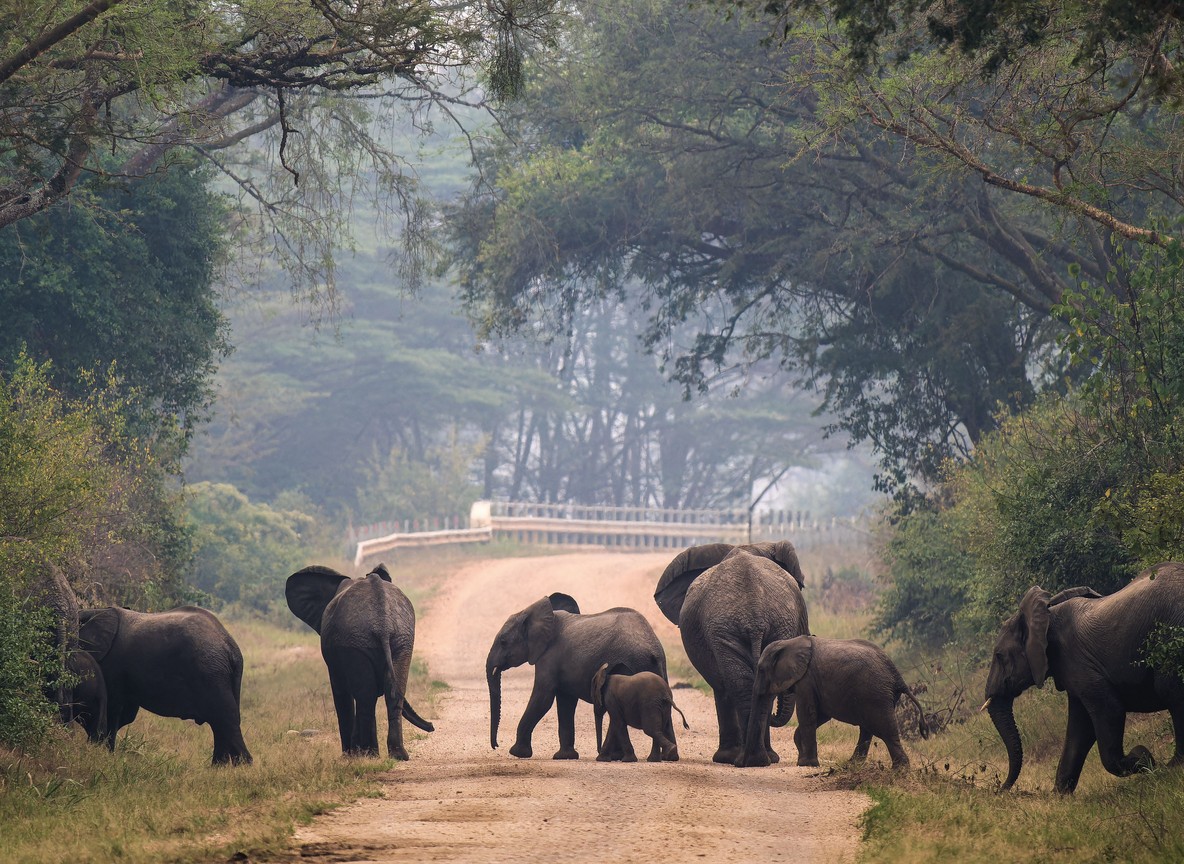
Flying In Instead: Seronera Airstrip as an Alternative
Travelers who want to skip the road entirely, repaired or not, can fly directly into Seronera Airstrip, the park’s central hub airstrip serving scheduled flights from Arusha’s Kilimanjaro-area airstrips via Coastal Aviation and Auric Air. A scheduled flight from Arusha to Seronera takes approximately 1.5 hours, against a 6 to 7 hour road transfer via Naabi Hill or a longer, construction-affected route via Ndabaka. Flying costs more per seat but removes road-condition risk entirely, which matters for travelers on a tight multi-park itinerary or anyone visiting during the heaviest phase of construction.
Where to Stay Near the Repair Zone
Camps along the western corridor and at Seronera itself remain fully operational through the road works; the construction affects transit time, not park access. Seronera Wildlife Lodge and Serengeti Serena Safari Lodge sit inside the central Seronera area, both walkable in vehicle terms to the visitor center and airstrip. Four Seasons Safari Lodge Serengeti also bases near Seronera with year-round game viewing. Further west, Kirawira Serena Camp and Mbalageti Serengeti put guests closer to the Grumeti River crossings, at the cost of a longer transfer from either gate right now.
Planning Facts for the Ndabaka-Seronera Route
| Detail | Figure |
|---|---|
| Park entrance fee (non-resident, indicative) | approx. USD 70-83 per person per 24 hrs |
| Ndabaka Gate to Seronera | approx. 121.5-145 km |
| Naabi Hill Gate to Seronera | approx. 45 km |
| Mwanza to Ndabaka Gate | approx. 136-145 km |
| Arusha to Seronera by air | approx. 1.5 hours |
| Arusha to Seronera by road (via Naabi Hill) | approx. 6-7 hours |
| Road project completion target | December 2026 |
Entrance fees and VAT rates change with TANAPA policy. Confirm current rates directly with TANAPA or a registered operator before booking.
Explorer Notes
Ask your operator which vehicle they are running before you commit to a western-corridor itinerary this year. A high-clearance 4×4 handles the graded, culvert-heavy sections far better than a standard minivan, and most reputable Serengeti operators already know which stretches to avoid at which hour. Morning departures beat afternoon ones on the Ndabaka route right now, since construction crews tend to pause work as the light fades and traffic backs up less. If your dates fall inside the May-to-July migration season, build in an extra half-day buffer on either end of the Ndabaka transfer. A washed-out culvert crossing or a stalled grader can turn a 3-hour drive into a 5-hour one with no warning. Travelers with flexible dates might also consider shifting a western-corridor visit to August or later, once more of the road work is behind schedule crews rather than ahead of them.
What to Read Next
- Weighing the western corridor against the northern Serengeti? Compare Ndabaka Gate and Naabi Hill Gate access above before you pick a route.
- Planning around the Grumeti River crossings? Read how the Kirawira road repairs affect western corridor timing this season.
- Building a wider northern Tanzania loop? Ask a partner operator how a Ngorongoro-to-Seronera routing via Naabi Hill fits your dates.
FAQ
Is the Ndabaka-Seronera road currently passable? Yes. The road stays open throughout construction, with graded sections and active work zones causing slower, not blocked, travel. The 41.4 km Ndabaka-to-Kirawira B section is already complete.
When will the Ndabaka-Seronera road repairs finish? TANAPA has scheduled completion for December 2026. The project began in June 2026 and is running in phases, so different sections finish at different times through the year.
Should I use Ndabaka Gate or Naabi Hill Gate right now? If you are coming from Arusha or Ngorongoro, Naabi Hill Gate offers a shorter, currently unaffected route into Seronera at approximately 45 km. Ndabaka Gate still makes sense for Mwanza-based or western-corridor itineraries, just with extra drive time built in.
How long does it take to get from Mwanza to Seronera during the road works? Budget 4.5 to 6.5 hours total for the Mwanza-to-Ndabaka Gate leg plus the Ndabaka-to-Seronera leg combined, depending on which sections are under active repair when you travel.
Can I fly instead of driving the Ndabaka-Seronera road? Yes. Scheduled flights connect Arusha to Seronera Airstrip in approximately 1.5 hours, avoiding the road entirely. This costs more per seat but removes construction-related delays.
Road works like this one are exactly why route planning matters as much as park choice on a Tanzania safari. Check the Tour Packages page for western corridor and Seronera itineraries, or ask a partner operator to confirm current road status for your travel dates before booking.