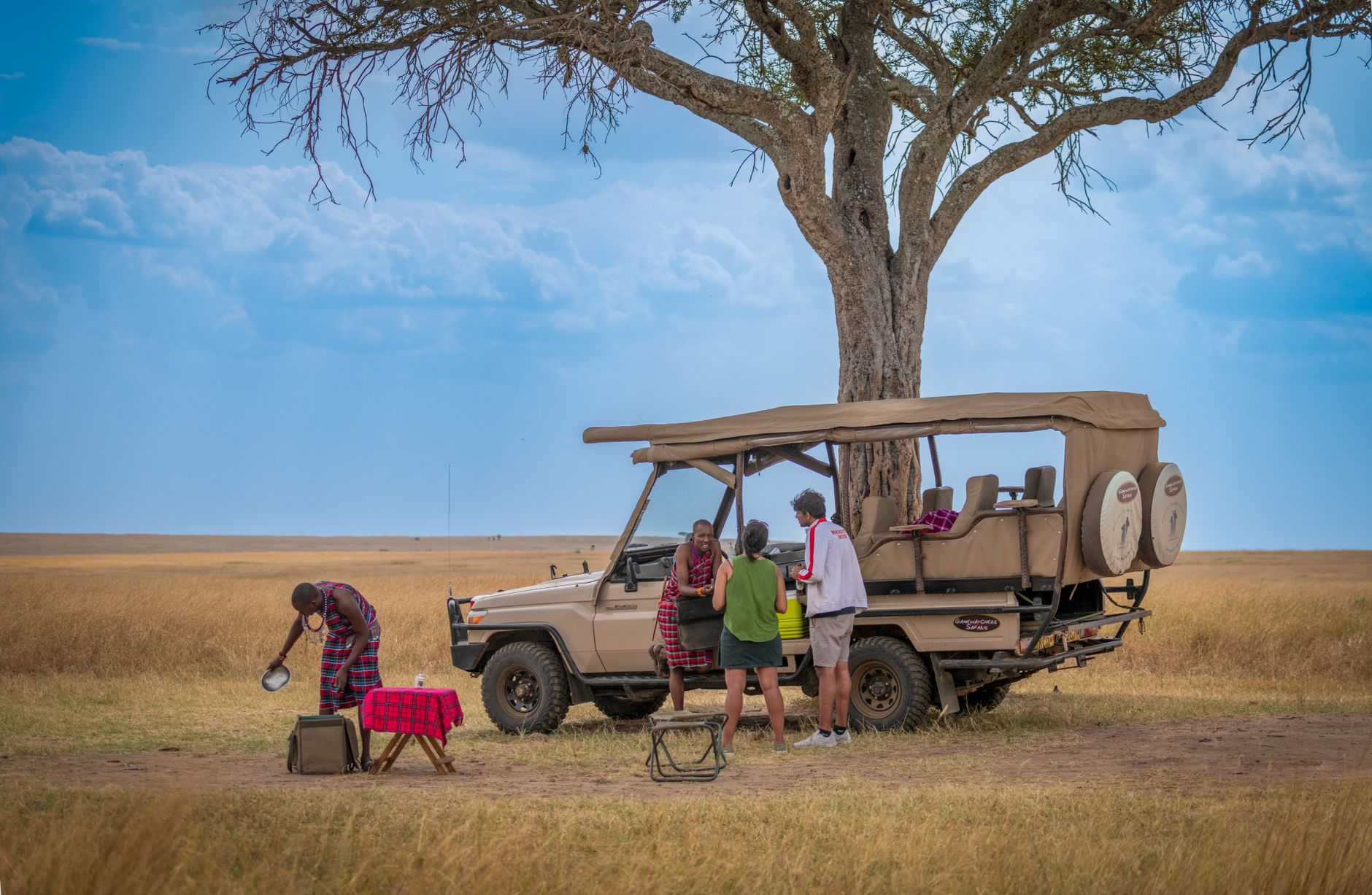
Safari camps in Kenya plan menus with care, but kitchens are human. A wrong plate can still arrive. In that moment, how do safari camps handle dietary mistakes often decides whether the fix is a fresh meal or an emergency. This guide covers the sequence after an error, the difference between permanent lodges and remote camps, and the practical steps you can take before and during a safari.
What Happens When a Safari Camp Serves the Wrong Meal?
Stop eating and tell the waiter, guide, camp manager, and chef immediately. The kitchen should remove the dish, confirm the suspected ingredient, prepare a replacement using clean equipment, and record the error for every remaining meal. A serious allergic reaction requires urgent medical escalation, not simply a substitute plate.
The most common scenarios are a vegetarian receiving meat, a dish with a hidden nut or dairy, or a gluten-free order arriving with regular bread. In a permanent lodge, the same chef may be a few steps from the dining room, so a replacement is quicker. In a remote Kenya camp, the meal may have come from a mobile kitchen or been packed for a picnic. Do not wait to see if the dish is safe. Treat every mistake as a signal to stop and verify.
How Do Safari Camps Handle Dietary Mistakes?
Safari camps handle dietary mistakes with a repeated process: confirm the error, remove the unsafe food, notify the kitchen and manager, and escalate if symptoms appear. Permanent lodges have stable kitchens. Remote camps depend more on the guide and manager. The guest should always carry emergency medication and say whether any allergy is life threatening.
The response should follow a pattern. The seven fixes below reduce risk for both the guest and the camp staff.
- Stop eating at once. A second bite only increases exposure.
- Identify the dish and the suspected ingredient from its sauce, garnish, or wrapper.
- Tell the server, the chef, the camp manager, and your guide. One message may not reach all of them.
- Keep the plate or packaging if you can. It helps the chef name the exact problem.
- Write down what was served, who you told, and any symptoms that appear.
- Use your prescribed emergency medication if your medical plan says to. Do not wait for visible symptoms in a severe allergy.
- Reconfirm every later meal, including packed lunches and bush breakfasts. The note may not carry over automatically.
Well-run camps treat this as a process, not a one-time fix. They record the error, tell the next shift, and adjust the next meal. Some keep an allergy log. You should still ask direct questions.
How Do Camps Prevent Food Allergies and Cross-Contamination?
Camps reduce risk by recording dietary requirements before arrival, briefing kitchen and service teams, checking ingredients, and preparing the guest’s meal separately when necessary. Stronger operations use dedicated prep areas, utensils, containers, or an allergy log, but travelers should still ask about shared grills, chopping boards, buffets, and packed lunches.
For food allergies on safari, the two routines that matter are written notice and kitchen control. If the kitchen does not know the restriction, it cannot plan for it.
| Request type | Indicative notice before travel | Why it matters |
|---|---|---|
| Vegetarian or mild food preference | 1 to 2 weeks | The kitchen can add dishes without special supplies |
| One known food allergen, no anaphylaxis | 2 to 3 weeks | The chef can order alternatives and brief the team |
| Severe allergy, multiple exclusions, or special diet | 4 to 6 weeks | Remote camps may need a Nairobi supply run or menu redesign |
Cross-contamination is the bigger risk for allergy guests. Shared grills, chopping boards, buffet spoons, and picnic boxes can all bring the allergen back. Ask if your meal can be plated from the kitchen rather than a buffet. At a packed lunch, ask the chef to pack your portion separately and show you the label at pickup. If a camp in the Masai Mara or Samburu depends on infrequent Nairobi deliveries, an ingredient may run out and be replaced with something unfamiliar. Ask about substitutes before you leave the dining table.
Who Should Guests Tell About a Dietary Mistake?
Tell the person serving the meal and repeat the issue directly to the chef or camp manager. Also inform the safari guide, who can help communicate during game drives and coordinate transport or medical support. Reconfirm the restriction at every camp because a booking note may not reach each kitchen or temporary meal station.
That means more than a polite remark to the waiter. If the chef is in the kitchen, ask for them by name. If a manager is on duty, include them. Your guide is valuable because they are the one constant person across activities and lodges. This is one reason travelers like choosing a private guide for closer communication. A guide can explain exactly why the dish is unsafe and coordinate with the kitchen on your behalf. At a buffet, point to the dish that caused the problem. Staff may not remember every face.
What Should Guests Do After Eating an Unsafe Meal?
Stop eating, keep the dish or packaging if possible, and report exactly what was served and how much was eaten. Monitor symptoms and use prescribed emergency medication. Anyone with a severe allergy should carry an auto-injector on their person, including during game drives. Ask for medical advice or evacuation when symptoms are serious.
Symptoms may appear quickly or after a few hours. Keep track of what you ate and when. Camps can only respond if they know, so do not wait for a severe reaction before telling someone. If you are traveling with children, use the same calm tone you would at home. It helps to review what to do if a child becomes unwell on safari before the trip. Anaphylaxis on safari is rare, but the response must be instant. A camp can call for help, but it cannot replace a medication you left in the tent.
How Do Remote Kenya Camps Manage Dietary Emergencies?
Remote camps normally begin with the guide or manager, who contacts the nearest clinical provider and organizes transport or evacuation if required. Response times can be longer than at home, so guests should carry medication and disclose the reaction’s severity. Permanent lodges may have more stable kitchen routines, while fly camps and bush meals require extra confirmation.
Distance changes the timeline. A lodge in Amboseli or on the edge of the Masai Mara may be close to a road or airstrip. A fly camp in Samburu or a bush site in Tsavo might need a longer game drive to reach help. That is why local knowledge matters more than the chef’s skill. Do not assume a camp has a doctor on site. Ask at check-in where the nearest clinic is, how staff contact it, and what the evacuation plan looks like.
| Emergency step | Permanent lodge | Remote tented camp |
|---|---|---|
| Who coordinates help | Manager and front desk | Guide and manager by radio or phone |
| Medical route | Clinic or airstrip often closer | Longer road transfer or evacuation may be needed |
| Food risk after mistake | Stable kitchen, same chef | Shared cooking spaces, packed meals, temporary staff |
How Can Travelers Prevent Dietary Mistakes Before Arrival?
Send a written restriction during booking, name every allergen, state whether it is a preference or anaphylaxis risk, and request confirmation from every property. Reconfirm on arrival with the chef and manager, then check packed lunches before departure. Severe restrictions may need several weeks because remote camps source ingredients through Nairobi supply chains.
Dietary restrictions on safari work best when they are written, named, and confirmed. Use the same message for every property: your name, travel dates, the exact restriction, and whether it is a preference or a severe risk. Ask the operator to confirm each property in writing. Vegetarian meals on safari are usually simple to arrange, but severe allergies are different. This matters even more when planning a Kenya family safari, because a hungry child with an allergy is not a normal mealtime challenge.
Before each outing, check the packed lunch. Look at the wrapper, ask how it was packed, and swap any item that looks wrong. Packed lunches on safari are a common point of failure because they are prepared early and away from the main kitchen. During busy seasons, temporary staff may not have seen your file. Reconfirming at the start of every meal is not rude. It is the cheapest insurance on a safari.
What Do Travelers Often Ask About Safari Dietary Mistakes?
Can safari camps accommodate food allergies?
Yes, many safari camps can accommodate food allergies when guests provide clear written notice before arrival. The safest approach is to explain the specific allergen and reaction severity, then reconfirm with the chef and manager at every camp. Practices vary, so ask how the kitchen handles shared equipment and cross-contamination.
What happens if a safari camp serves food I cannot eat?
Stop eating and notify the server, chef, manager, and guide immediately. The camp should identify the ingredient, remove the unsafe dish, prepare a replacement safely, and record the problem for future meals. If symptoms develop, follow the traveler’s medical plan and request medical assistance rather than relying on a replacement meal.
How do safari camps prevent cross-contamination?
Camps may use advance kitchen briefings, separate preparation areas, dedicated utensils, ingredient checks, and written allergy records. These controls are more reliable when the restriction is disclosed early, but shared grills, chopping boards, buffets, and picnic-box preparation still need direct questions from the guest.
Can safari camps handle anaphylaxis-level allergies?
Many camps can reduce the risk for guests with severe allergies if they receive detailed written notice and have time to prepare. No remote camp can guarantee zero exposure or rapid hospital access, so travelers should carry their own prescribed auto-injector at all times, including on game drives, and tell the guide what to do in an emergency.
How much notice should I give a safari camp about dietary restrictions?
Give notice when booking and reconfirm several weeks before travel. Common vegetarian or gluten-free requests are usually easier to arrange, while severe allergies, multiple exclusions, kosher meals, or imported specialty products may require four to six weeks because remote camps may source supplies through infrequent Nairobi deliveries.
Where Should I Compare Safari Operators Before Booking?
Your safari is only as safe as the information that reaches the kitchen. Once you have a clear dietary plan, take the same questions to every safari company. Compare safari operators and browse packages through FindMySafari, Valley Safaris, or Trunktrails Safaris before you commit. Ask each one how its camps verify allergies, what happens after a mistake, and who coordinates medical help.
Where Can I Find More Safari Planning Resources?
These trusted partner sites offer more planning guides, maps, and family safari collections for Kenya trips.
- Kenya family safari from SafariPure
- Masai Mara Great Migration guide from Trunktrails Safaris
- Interactive Maasai Mara map from Valley Safaris
- Family safari collection on FindMySafari