Thirty or forty years of work earns more than a farewell card and a cake in the break room. A growing number of retirees are marking the milestone with a Kenya safari instead, and for good reason. It is the trip most people put off for “someday” while they were still building a career. Retirement is the moment someday arrives. Touring Insights put together a planning guide built around real distances, named camps, and indicative costs. It is meant to help the trip match the milestone instead of just filling a calendar gap.
Why Retirement Is the Right Moment for a Kenya Safari
A safari rewards patience more than youth. You need steady attention, not speed, to spot a leopard draped over a sausage tree branch. Retirees also travel with an advantage most working professionals do not have: open time. A two-week trip does not compete with a return-to-office deadline. Camps in Kenya are used to hosting guests who want to sit still at a waterhole for an hour rather than race through a checklist. That pace suits a retirement trip better than almost any other kind of travel.
There is also a budget argument. Many retirees have spent years deferring the bigger trips in favor of shorter breaks that fit around a work calendar. Retirement removes that constraint at the same time it often frees up funds set aside for exactly this kind of milestone travel. The result is a traveler who can book the higher-end conservancy camp or extend a stay by two nights. There is no return flight to the office on Monday to weigh it against.
When to Go: Matching Your Retirement Date to Kenya’s Safari Seasons
Kenya has two dry seasons that work well for game viewing: late June through October, and January through February. The July to October window overlaps with the Great Migration river crossings in the Masai Mara. Wildebeest and zebra cross the Mara River between the reserve and Mara North Conservancy during those months. If your retirement date lands outside that window, the November to May “green season” still delivers strong wildlife viewing. Vehicle numbers drop, camp rates fall, and bird life and skies improve for photos. A retirement date in April or May, often considered the low season, can actually work in your favor on cost.
Classic Circuit or Private Conservancy: Picking Your Pace
Kenya’s safari areas split into two management models, and the choice changes the whole feel of your trip.
| Feature | National Reserve (e.g. Masai Mara National Reserve) | Private Conservancy (e.g. Mara North, Naboisho) |
|---|---|---|
| Typical size | 1,510 km2 (Masai Mara National Reserve) | 200-320 km2 per conservancy |
| Vehicles per sighting | Often 6-10+ during peak migration | Usually capped at 5 or fewer by rule |
| Night drives and walking safaris | Not permitted | Often permitted |
| Entry fee (non-resident, indicative) | ~$100/day, verify current rate | ~$80-100/day, often bundled into camp rate |
| Best fit for a retirement trip | Big-name migration moments, first safari | Quiet pace, private time, easier conversation with guides |
Neither option is wrong. Many retirement itineraries use both: a reserve stay for the marquee migration or Big Five sightings, followed by a conservancy stay for the slower, more personal days.
What a Retirement Safari Actually Costs
Numbers help more than adjectives when you are deciding how to spend a milestone budget. Here is what the pieces typically run, labeled as indicative ranges since rates change by season and camp.
| Item | Indicative range | Notes |
|---|---|---|
| Luxury conservancy camp, full board, per person/night | $600-1,000 | E.g. Angama Mara, Mara Triangle; Kicheche Valley Camp, Mara North Conservancy |
| Mid-range lodge, full board, per person/night | $250-450 | E.g. Ol Tukai Lodge, Amboseli, with Kilimanjaro views |
| Beach resort add-on, per person/night | $150-300 | E.g. Sarova Whitesands Beach Resort, Diani Beach |
| Domestic flight leg (Nairobi-Mara or Nairobi-Amboseli) | $150-300 | Wilson Airport to bush airstrips, roughly 40-50 min per leg |
| Park/conservancy fee, per person/day | $60-100 | Varies by park; Amboseli National Park runs lower than the Mara |
Nairobi’s Jomo Kenyatta International Airport (JKIA) is the main gateway for international arrivals. Wilson Airport, about 20 minutes from JKIA, handles the small-plane flights into the bush. That includes Masai Mara airstrips like Ol Kiombo and Keekorok, plus Amboseli Airport near the park’s Kilimanjaro gate.
Turning a Retirement Gift or Send-Off Collection Into Safari Days
Colleagues often pool money for a retirement gift, and a safari is easy to price into that collection. A single night at a mid-range Amboseli lodge, priced with the range above, gives coworkers a concrete target instead of a vague “trip fund.” Some camps will apply a group gift card or voucher directly to a booking if you contact the reservations team ahead of arrival. If children or grandchildren want to contribute toward one leg of the trip, the beach add-on at the end is often the easiest single piece to gift, since it is priced and booked separately from the main safari.
A workplace collection also works well split into named line items rather than one lump sum. One department might cover a night at the conservancy camp, another the domestic flight leg, and a smaller team the park fees for a single day. Breaking the gift into pieces this way gives contributors a clear sense of what their money bought, and it gives you a tidy list to hand to the booking operator once the trip is confirmed.
A Sample 8-Day Retirement Safari Itinerary
This itinerary balances marquee wildlife time with the slower pace a milestone trip deserves.
- Day 1: Arrive Nairobi (JKIA). Overnight near the airport or in the city; a half-day visit to the Giraffe Centre or Nairobi National Park (117 km2, about 7 km from the city center) works well if your flight lands early.
- Days 2-4: Fly Wilson Airport to a Mara North Conservancy or Mara Triangle airstrip (about 45 minutes). Three nights at a conservancy camp for game drives, a bush breakfast, and one night drive if permitted.
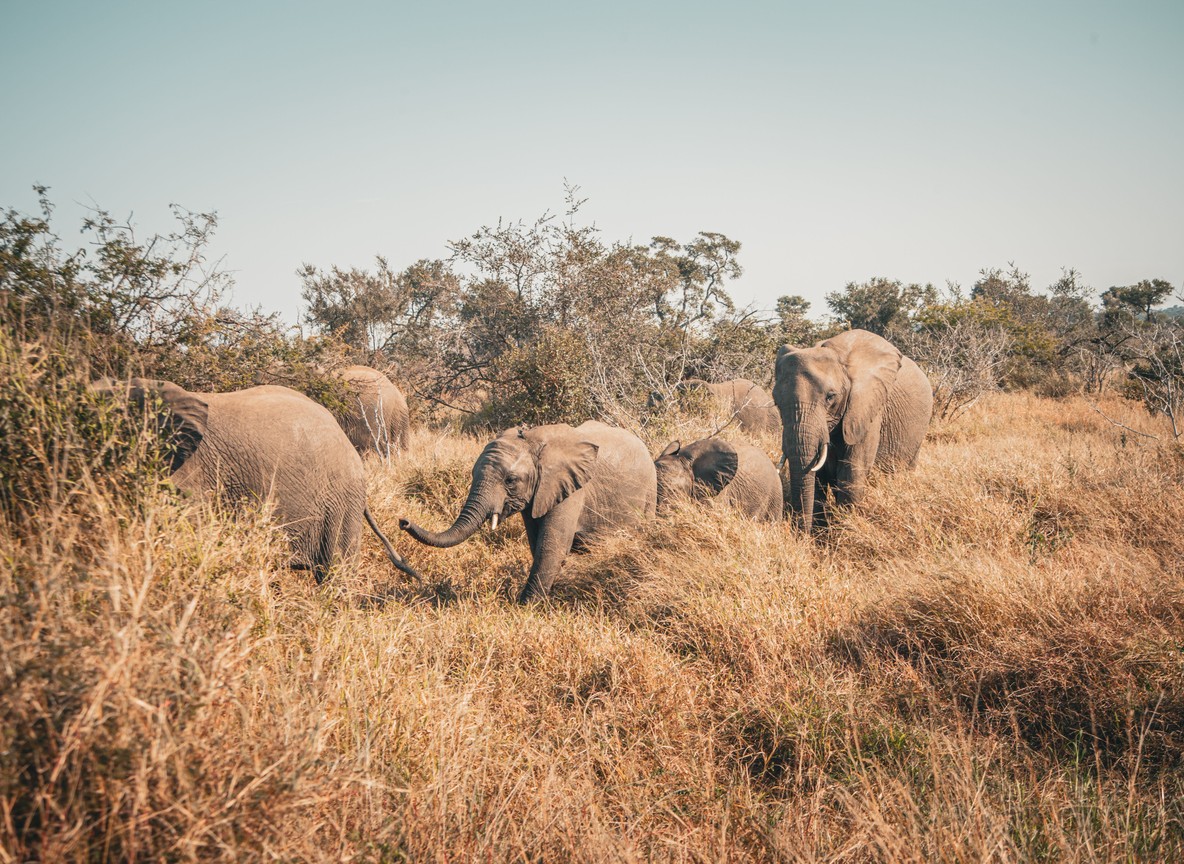
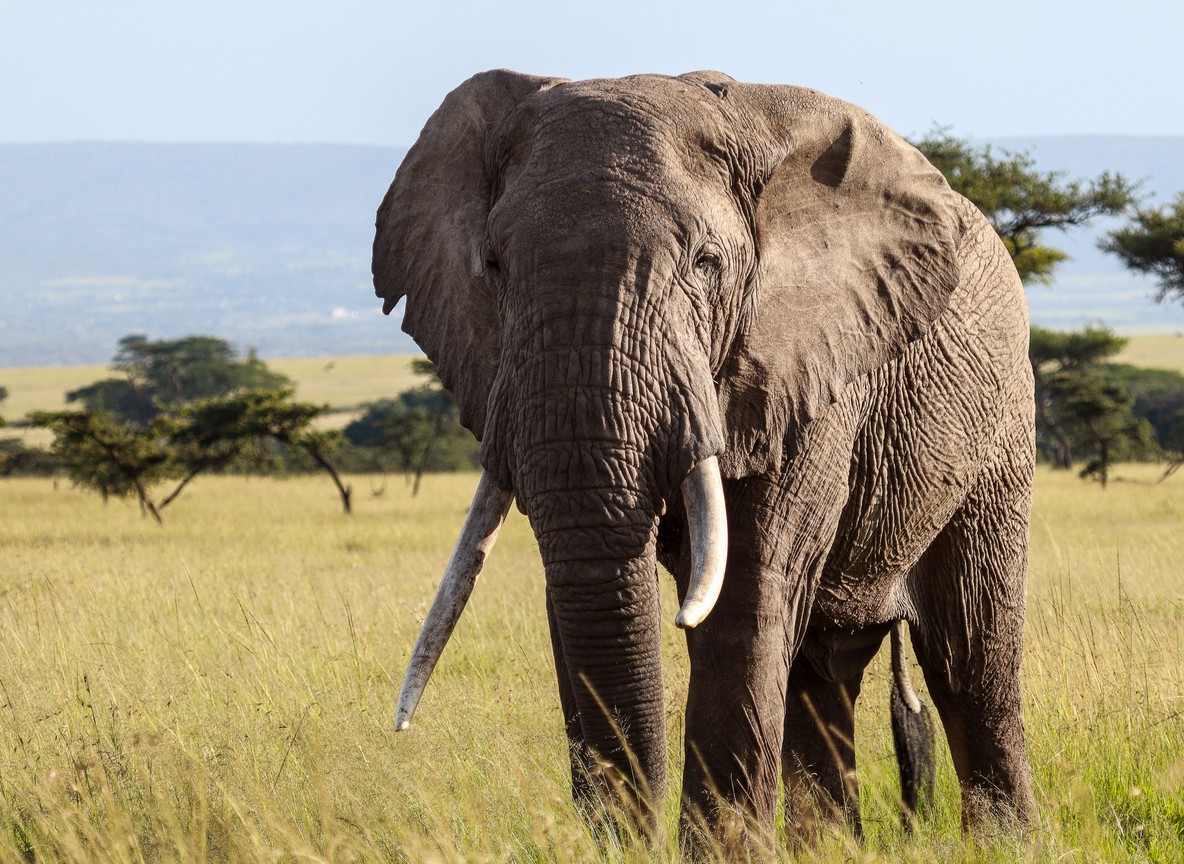
- Days 5-6: Fly to Amboseli Airport (routed via Wilson, roughly 1.5 hours total). Two nights at an Amboseli lodge for elephant herds against Kilimanjaro.
- Days 7-8: Fly to Diani Beach via Wilson (around 2 hours total with the connection). One or two nights to unwind before flying home from Ukunda Airstrip or connecting back through Nairobi.
Camps can rearrange this order around flight schedules, so confirm routing with your operator before booking.
Packing and Health Prep for a First Big Trip in Years
If it has been a while since your last major international trip, give yourself more lead time than you think you need. Book a travel health consultation 4-6 weeks out to check on yellow fever certificate requirements (needed if you are arriving from certain countries) and malaria prevention options. Pack layered clothing since mornings in the Mara can drop into the low teens Celsius before warming past 25C by midday. Soft-sided duffel bags, not hard suitcases, are required for small-plane flights between camps because of luggage hold space. Bring a printed copy of any prescriptions, since airstrip clinics are limited and the nearest full hospital may be a flight away.
Explorer Notes
Ask your camp manager to flag your retirement trip when you book. Many camps will arrange a small touch, a bush dinner setup or a cake at the last dinner, at no extra charge if they know ahead of time. Guides also tend to slow the pace and explain more detail once they know the trip marks a milestone rather than a quick checklist visit. If mobility is a consideration for anyone in your group, ask specifically about vehicle step height and whether a camp uses raised or ground-level tents, since this varies more between camps than most websites mention. Pack a soft, wide-brimmed hat rather than a cap. Full sun exposure during a three-hour morning drive is longer than most people expect on a first outing.
FAQ
Is a retirement safari physically demanding? Game drives are seated and vehicle-based, with breaks built in. Walking safaris are optional add-ons, not standard, so a retirement trip can stay as active or as restful as you choose.
What is the best length for a first retirement safari? Eight to ten days covers two ecosystems plus a beach or city buffer day without feeling rushed. Shorter trips of four to five days work if you are combining safari with another destination.
Should we book through a specialist operator or plan it ourselves? A specialist operator handles flight routing between camps and park logistics, which get complicated once you add three or more locations. Most retirees find the coordination worth the booking fee.
Can grandchildren or adult children join a retirement safari? Yes. Many conservancy camps welcome mixed-generation groups and can adjust game drive timing around younger travelers without changing the overall pace for the rest of the group.
How far in advance should we book? Six to nine months ahead secures the better camps during the July-October migration window. The green season (November-May) usually has more availability on shorter notice.
What to Read Next
- Marking a different kind of milestone? See our Kenya Safari Anniversary Trip Ideas for private conservancy and fly-camping options.
- Building your own multi-stop route? Check our 10-Day Kenya Safari Itinerary for a longer version of this plan.
- Packing for the first time in a while? Our Amboseli Safari Packing List covers the details this guide only touches on.
A retirement safari works best when someone else handles the routing between camps and airstrips while you focus on the milestone itself. Check the Tour Packages page for conservancy-and-Amboseli combinations, or ask a partner operator to price the 8-day route above around your actual retirement date.
Further reading
- Maasai Mara Wildlife Conservancies Association
- African Wildlife Foundation
- Magical Kenya (Kenya Tourism Board)