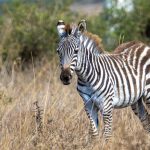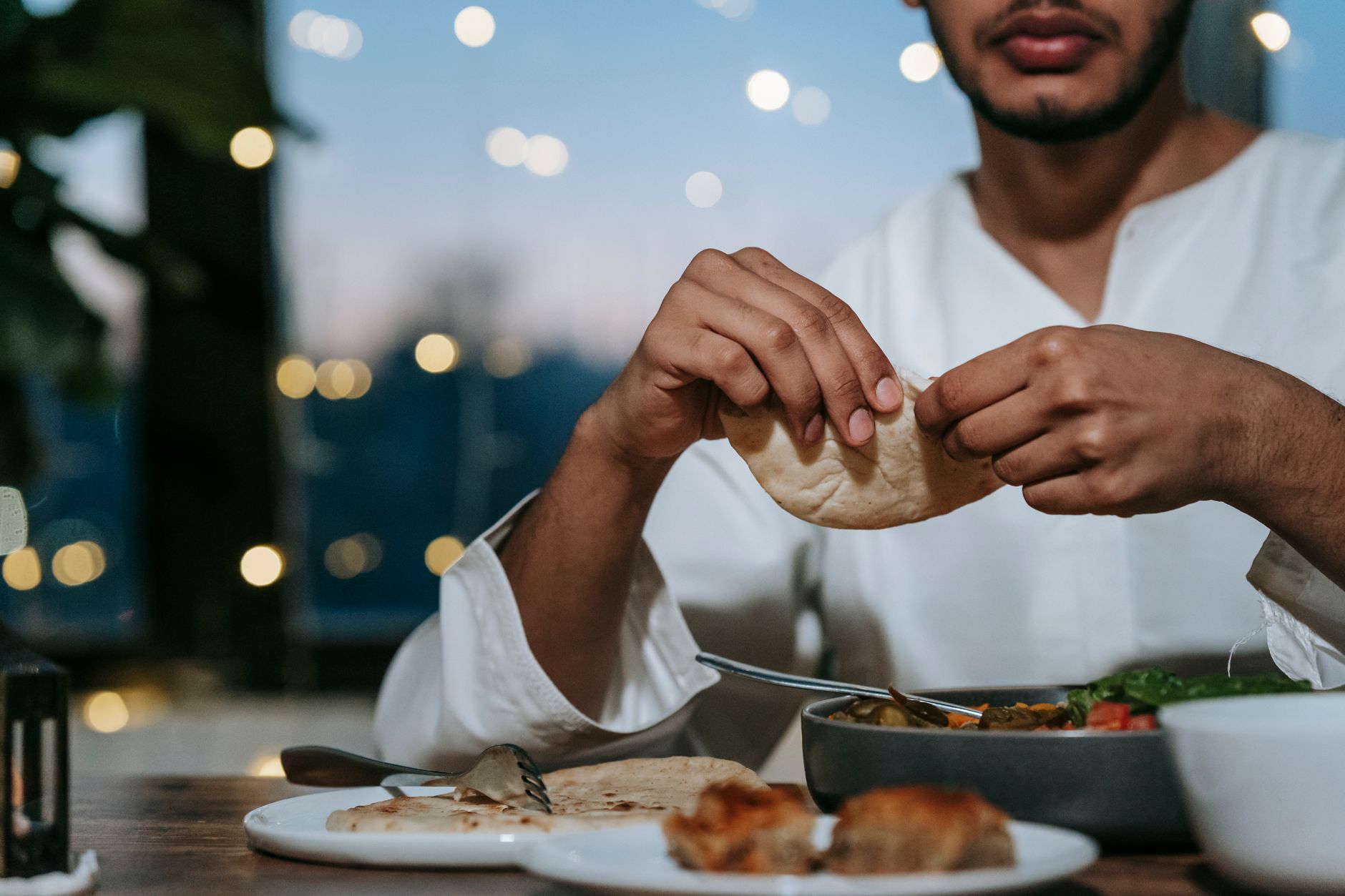
Planning a Kenya safari during Ramadan is possible, and for many Arabic speakers it is a meaningful way to experience wildlife while honoring their faith. The key is preparation. This ramadan safari planning guide for arabic speakers covers fasting rules, prayer logistics, halal meals, and the best destinations for fasting travelers.
Kenya has a significant Muslim population, especially along the Swahili coast. You will find mosques, halal restaurants, and cultural familiarity in Mombasa and Lamu. Inland parks are more remote, but many camps now offer halal menus and Qibla direction guidance.
Is Fasting Required While Traveling on Safari?
Islam exempts travelers from fasting. The Quran states that whoever is ill or on a journey may break the fast and make up the days later. Scholars generally agree that traveling over 80 kilometers qualifies.
A safari in Kenya qualifies easily, with long distances on rough roads and game drives that are physically demanding in the heat.
You have three realistic choices:
- Fast fully and plan around suhoor and iftar.
- Skip fasting on travel days and make up the days after Eid.
- Follow scholars who allow breaking the fast for genuine travel difficulty.
Many travelers mix these, fasting on rest days and skipping long transfer days. Talk to your local imam before you travel. None of this makes a safari impossible.
Which Kenya Parks Are Best for Fasting Travelers?
Heat is your biggest enemy when fasting. Dehydration causes headaches and fatigue, and it can ruin a safari. Higher altitude parks are cooler, which makes fasting easier.
Laikipia Plateau, including Ol Pejeta Conservancy, sits at about 1,800 meters, with cool mornings and evenings. The region has black rhino, elephants, and wild dogs. The Ol Pejeta Conservancy guide explains what to expect there.
Aberdare foothills sit higher still, around 2,100 meters, with misty mornings and forested slopes, plus the rare bongo antelope. Nanyuki and Naro Moru, towns around Mount Kenya, offer cooler base options too.
By contrast, Tsavo East and West sit lower, often above 30 degrees Celsius by midday. The Tsavo safari guide covers the landscape, but fasting there is demanding. Amboseli is also hot, despite its views of Kilimanjaro. The Amboseli safari guide has more details.
Here is a quick comparison:
| Park or region | Approximate elevation | Typical midday heat | How fasting-friendly |
|---|---|---|---|
| Aberdare foothills | 2,100 m | Cool, often misty | Best for fasting |
| Laikipia Plateau | 1,800 m | Mild, cool mornings | Very good |
| Nanyuki / Naro Moru | 1,700 to 1,900 m | Mild | Very good |
| Masai Mara | 1,500 to 1,800 m | Warm | Moderate |
| Samburu | 800 to 1,000 m | Hot, some river shade | Challenging |
| Amboseli | 1,100 m | Hot, often above 30C | Challenging |
| Tsavo East and West | 200 to 600 m | Hot, often above 30C | Most challenging |
If you choose Amboseli or Tsavo, schedule drives for first light and late afternoon. Stay in the shade between 11 AM and 4 PM, and drink water during non-fasting hours.
What Wildlife Can You See During Ramadan?
Ramadan shifts about 10 to 11 days earlier each year. In 2026 it starts around February 18, in 2027 near February 7, and in 2028 around January 28.
Kenya’s dry season runs late June to October, with wet seasons in March to May and November to December. Ramadan rarely falls entirely inside the dry season in coming years.
For the Great Migration in the Masai Mara, the best months are July through October. The Masai Mara guide explains the timing. In 2028, Ramadan ends before the migration peak. In 2026 and 2027, it ends in March, near the end of the short dry spell, with greener landscapes.
If flexible, aim for parks where viewing depends less on season. Samburu has year-round river life with elephants and the grevy’s zebra. Lake Nakuru offers flamingos and rhinos year round. For the best time to visit Kenya, balance fasting needs against the wildlife you most want to see.
How Do Suhoor and Iftar Work on a Game Drive Schedule?
A safari actually helps here. Game drives happen at dawn and dusk, exactly when suhoor and iftar occur.
Suhoor happens before dawn, right when your morning drive begins. Most camps pack a suhoor box the night before, typically dates, yogurt, bread, cheese, and water.
Iftar falls at sunset, as your afternoon drive returns to camp. Camps in conservancies such as Il Ngwesi, Naboisho, and Mara North have started offering private iftar dining, with dates, soup, and a full meal.
Tell your camp in advance so they can adjust meal times.
A practical schedule:
- 4:30 AM: Suhoor, then Fajr prayer.
- 5:30 AM: Morning game drive.
- 11:00 AM: Return to camp, rest, Dhuhr and Asr.
- 4:00 PM: Afternoon tea or nap.
- 5:30 PM: Evening game drive.
- 6:30 PM: Iftar and Maghrib prayer.
- 8:00 PM: Dinner, then Isha and Taraweeh.
This rhythm fits a safari day naturally, and you miss very little.
How Do You Pray in Remote Safari Areas?
Remote conservancies have no mosque, so you pray wherever you are. Bring a travel prayer mat and a Qibla app, and download prayer times and direction before leaving camp, since signal is patchy in the Mara, Laikipia, and Samburu.
Many lodges now provide prayer mats and a printed Qibla direction in each room. Ask when you book, and bring your own if they do not.
For Friday prayers, larger towns have mosques. Nanyuki, Narok, and Isiolo each have one, near Laikipia, the Masai Mara, and Samburu respectively.
Which Kenya Camps and Lodges Offer Halal Food?
Serious camps across Kenya’s conservancies now cater to halal diets.
Il Ngwesi Lodge in Laikipia serves halal meat and prepares suhoor boxes on request. Camps in the Naboisho and Mara North conservancies increasingly offer halal menus and private iftar too, though offerings vary by property, so confirm with your operator first.
On the coast, Mombasa and Lamu have fully halal local food, with Swahili cuisine built on coconut, cardamom, and fresh seafood.
Tell your operator about your halal requirement at booking. Some camps source meat locally without formal halal certification. Ask if it is halal-slaughtered, since many travelers accept this once confirmed.
Can You Combine a Coastal Ramadan Experience with an Inland Safari?
Yes. The Swahili coast has Muslim heritage going back over a thousand years. Lamu Island, a UNESCO World Heritage site, has narrow streets, ancient mosques, and a strong dhow culture. Mombasa’s Old Town has the Mandhry Mosque, one of the oldest in East Africa.
A combined itinerary might look like this:
- Days 1-3: Lamu old town, exploring Islamic architecture and Swahili food.
- Days 4-6: Mombasa Old Town and Diani Beach. The Diani beach guide covers this stretch.
- Days 7-10: Fly to the Masai Mara or Laikipia for the safari leg.
This eases you into the trip, then transitions to the wilderness. Eid al-Fitr is often best spent on the coast, where the community gathers for prayers and festivities.
What Should Arabic Speakers Tell Their Tour Operator Before Booking?
A generic request for “Muslim-friendly” is not enough. Give your operator a checklist:
- Halal meat at every meal, no pork in any dish.
- Suhoor box before dawn game drives.
- Iftar timing and a private space to break fast.
- Qibla direction and prayer mats in the room.
- Ramadan calendar dates for the specific year.
- Preference for higher altitude, cooler parks.
- Eid al-Fitr prayer location, if applicable.
Write this in an email rather than relying on verbal agreement. Arabic-speaking drivers are available on request on the coast, though inland drivers more often speak English.
For safari packing and health tips, adapt them to your fasting needs.
How Do You Handle Heat and Hydration While Fasting?
Drink water steadily through the night, aiming for two to three liters between iftar and suhoor, with electrolyte powder added at iftar.
Wear light, breathable clothing. Vehicle roofs are open but shade is limited, so a wide-brimmed hat, sunglasses, and high SPF sunscreen matter.
Plan around the heat: game drive early, rest through the hottest hours, and a late afternoon drive only on days you are not fasting.
If you feel dizzy, weak, or get a headache that will not go away, break your fast and rest. The exemption exists for exactly this reason.
Is Kenya a Muslim-Friendly Safari Destination Overall?
Kenya is genuinely Muslim-friendly in a way that surprises many visitors. The Swahili coast has been Muslim for centuries, and Nairobi has mosques in most neighborhoods and halal restaurants throughout the city.
Inland safari areas are more isolated, but camps have adapted. Growing numbers of Muslim travelers have pushed lodges to offer halal menus, prayer facilities, and Ramadan-specific services.
For a complete Kenya safari planning guide, the same advice applies to all travelers: book early, choose a reputable operator, and confirm everything in writing.
The main challenge is logistics, not faith. The fasting rhythm of dawn and dusk aligns with the best wildlife viewing hours, with predators often active right at iftar time. For the big five Kenya experience, a fasting-friendly schedule gets you to sightings before the crowds arrive.
How Does Eid al-Fitr Fit Into a Kenya Safari?
Eid al-Fitr marks the end of Ramadan, falling on the first day of Shawwal. If your safari ends around Eid, you have two good options.
On the coast, Lamu and Mombasa hold large Eid prayers, and families open their homes with festive meals afterward. Accept graciously if invited.
Inland, some camps now arrange an Eid celebration for Muslim guests. If Eid falls after you return home, many travelers find make-up fasts easier in the cooler Kenyan highlands than at home in summer heat.
What About Prayer Times on Your Itinerary?
Prayer times vary by latitude and longitude, so Nairobi, Mombasa, and the Masai Mara each differ slightly. Download a prayer app with offline functionality and print a paper backup.
Let your camp manager know your prayer times. Many will adjust meal service or offer a quiet corner for prayer. For Qibla, most of Kenya lies south of the Kaaba, so you face roughly north to northeast.
What Should You Pack Specifically for Ramadan?
Beyond the standard Kenya safari packing list, add these items:
- Electrolyte powder packets
- Travel prayer mat
- Qibla compass or offline app
- Modest, loose clothing that covers arms and legs
- A light shawl or scarf for mosque visits
- Dates or dried fruit for quick energy at suhoor
- Refillable water bottle with a wide mouth
Good shoes matter more than most people think, since you will walk short distances at camps.
How Does a Ramadan Safari Planning Guide for Arabic Speakers Handle Timing?
Ramadan dates shift each year, so check the exact calendar for your travel year, then cross-reference it with Kenya’s wildlife seasons.
If your Ramadan falls in February or March, consider Laikipia or Samburu for better viewing in green conditions. If it falls in January, the Masai Mara has good resident wildlife, and the Masai Mara versus Amboseli comparison will help you choose. If it falls in the northern summer, the Mara migration is at its peak, and the best time to visit the Masai Mara guide lays out the options.
A Ramadan safari is not a compromise. It is a different rhythm, one that matches the safari day. Plan well, confirm your needs with your operator, and you will have a trip that honors both your faith and your sense of adventure.
How Do You Book a Ramadan Kenya Safari?
When you are ready to plan, you can compare safari operators to find one that understands Ramadan needs. Visit FindMySafari, Valley Safaris, or Trunktrails Safaris to browse packages that can be customized for halal dining, prayer facilities, and your chosen parks. Compare operators to find the best fit for your fasting schedule and wildlife goals.
Where Can You Find More Safari Planning Resources?
- Kenya wildlife tours from Trunktrails Safaris
- Interactive Maasai Mara map from Valley Safaris
- Diani Beach guide on FindMySafari
More safari planning resources
- Bush and beach safari from SafariPure
- Diani Beach guide from Trunktrails Safaris
- Interactive Maasai Mara map from Valley Safaris
- Diani Beach guide on FindMySafari
Related guides: Amboseli Budget Safari Planning Guide: How to Do It Right at Lower Cost, Amboseli in August: What to Expect in the Heart of Dry Season, Amboseli Safari Vehicles Guide: Which Setup Works Best and Why.