Queen Elizabeth vs Serengeti: 6 Key Differences
Queen Elizabeth National Park in Uganda and the Serengeti in Tanzania both pull travelers in for lions, elephants and open horizons. But a queen elizabeth vs serengeti safari comparison shows two very different trips once you look past the marketing. One park compresses wetlands, crater lakes and forest edge into a single day’s drive. The other spreads mega-herds across grassland that runs past the horizon. Below is how the wildlife, timing, cost and logistics actually stack up, so you can decide which one fits your safari.
Queen Elizabeth vs Serengeti at a Glance
| Feature | Queen Elizabeth National Park | Serengeti National Park |
|---|---|---|
| Country | Uganda | Tanzania |
| Approximate size | under 2,000 sq km | roughly 5,700 sq mi |
| Big Five status | Big Four (no rhino, rare cheetah) | Full Big Five |
| Signature experience | Tree-climbing lions, chimp tracking, boat safari | Great Migration river crossings |
| Best months | June-September and December-February (dry) | Varies by month, migration follows the herds |
| Indicative cost per person per day | $350-$700 (mid-range) | $600-$1,200+ (peak season) |
| Access from major hub | 5-6 hours by road from Entebbe, or short flight | Fly into Kilimanjaro or Arusha, then connect further |
How Do Wildlife Numbers Compare Between Queen Elizabeth and Serengeti?
Serengeti holds far greater wildlife density, with mega-herds and predators moving across roughly 5,700 square miles during the Great Migration. Queen Elizabeth covers under 2,000 square kilometers with about 95 mammal species. Its animals are dispersed across wetlands, crater lakes and forest, so game drives need more patience for comparable sightings.
That patience pays off differently in each park. In Serengeti, a single morning drive on the open plains can put you among thousands of wildebeest and zebra at once. In Queen Elizabeth, the reward comes from variety within a smaller footprint: elephants along the Kazinga Channel, buffalo in the crater area, and primates at the forest edge, all within a short drive of each other.
Does Queen Elizabeth National Park Have the Big Five?
No. Queen Elizabeth has lion, leopard, buffalo and elephant but lacks rhino and has very limited cheetah presence, making it a Big Four park. The Serengeti covers all five reliably, particularly during dry season game drives, and pairs well with a look at how Serengeti compares to Tanzania’s other parks if the Big Five checklist matters to your trip.
Queen Elizabeth compensates with experiences the Serengeti’s single ecosystem doesn’t offer. The tree-climbing lions of Ishasha rest in fig trees during the heat of the day, a behavior rarely seen elsewhere in East Africa. Kyambura Gorge offers chimpanzee tracking through a river-carved forest, and the Kazinga Channel boat safari brings you close to hippos, buffalo and waterbirds without a single game drive. For travelers set on completing the Big Five, it’s worth reading about Queen Elizabeth’s Big Five gaps compared to Akagera or planning around Kenya’s parks in our Big Five in Kenya overview instead.
How Do the Landscapes and Terrain Differ?
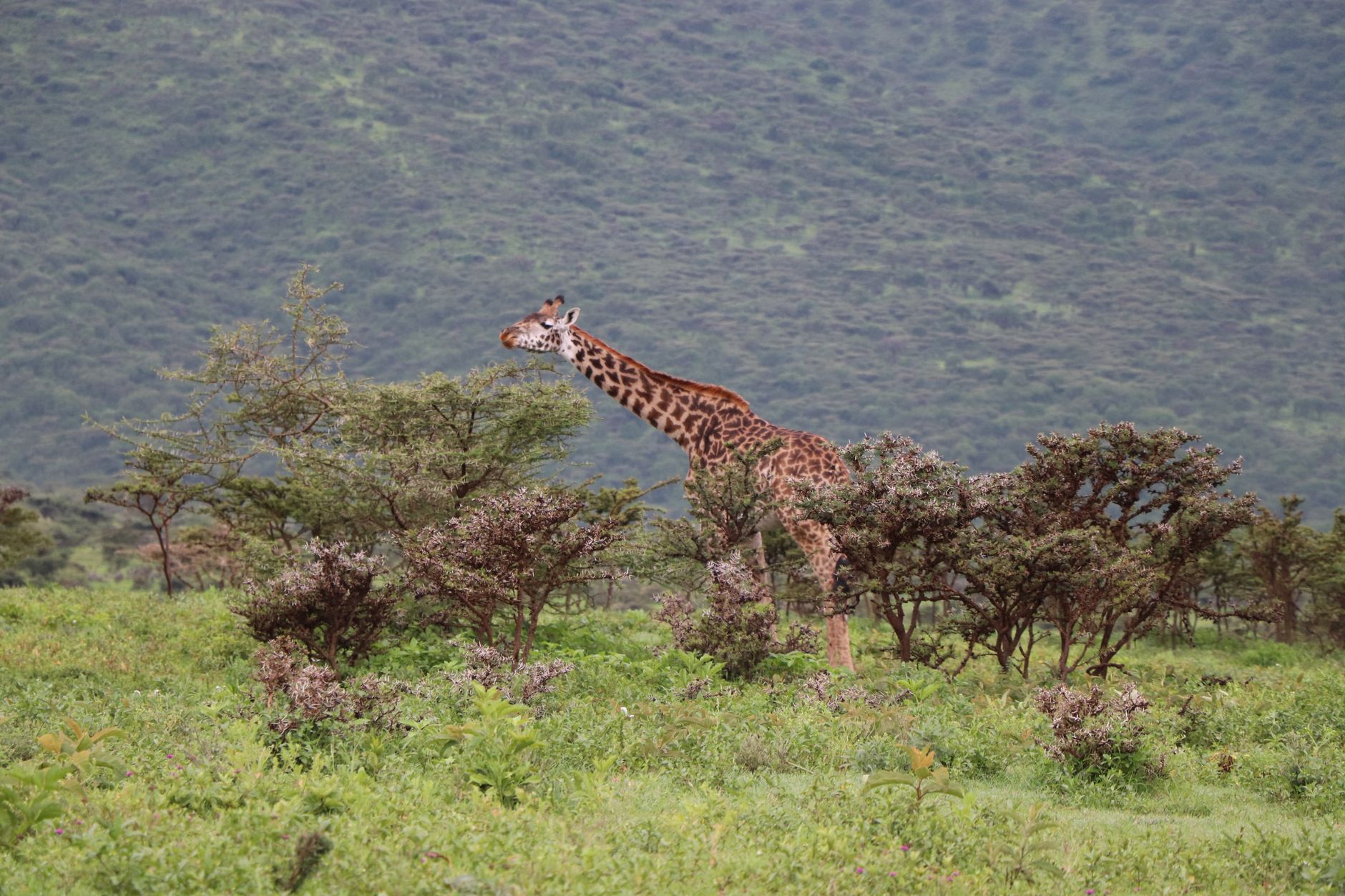
Serengeti is defined by open savannah built for long-range game viewing and migration drama. Queen Elizabeth mixes savannah with Kazinga Channel wetlands, crater lakes, and the Maramagambo forest edge, packing four habitat types into one park and trading scenic uniformity for terrain variety within a single day’s drive.
That terrain shift matters for photography. Serengeti rewards wide shots and long lenses across flat grassland with little cover. Queen Elizabeth rewards shorter lenses and patience, since you’re often shooting through papyrus reeds or tree canopy rather than open plains.
When Is the Best Time to Visit Each Park?
Serengeti’s migration peaks shift by month. Calving happens on the southern plains from January to March, Grumeti crossings come around May and June, and Mara River crossings run from July to September. Queen Elizabeth has no migration to chase; its dry seasons, June to September and December to February, simply sharpen game visibility, and Kazinga Channel sightings hold up year round.
This is where timing decisions get personal. If your trip dates are fixed and you want the Great Migration specifically, you have to build the whole itinerary around the corridor the herds are in that month. If your dates are flexible, Queen Elizabeth is more forgiving, since the dry season windows are wide and the wildlife doesn’t move nearly as far.
How Does a Queen Elizabeth vs Serengeti Safari Compare on Cost?
Queen Elizabeth safaris typically run $350 to $700 per person per day at mid-range lodges. That is well below Serengeti’s $600 to $1,200 or more during peak migration season for similar comfort. Uganda’s lower park fees, shorter flight connections and fewer luxury-only camps keep Queen Elizabeth the more affordable option for budget-conscious wildlife travelers.
For a line-by-line look at where that Queen Elizabeth budget goes, see our full Queen Elizabeth safari cost breakdown. If you’re weighing East Africa options more broadly, our Kenya safari cost guide is a useful reference point for how Kenya’s parks price against both of these.
What Are the Logistics of Getting to Each Park?
Queen Elizabeth is a 5 to 6 hour drive or short flight from Entebbe, often paired with Bwindi gorilla trekking on the same trip. Serengeti requires flying into Kilimanjaro or Arusha, then a further flight or multi-hour drive to the park gate, adding a day of logistics that Queen Elizabeth’s more central Uganda location avoids.
That extra travel day isn’t a dealbreaker for most safari-goers, but it matters if your trip is short. A five-day window leaves little room for a full Serengeti circuit once transit is factored in, while the same five days go further in Queen Elizabeth.
Can You Combine Queen Elizabeth and Serengeti in One Safari?
Yes, though it requires a flight connection through Entebbe and Kilimanjaro or Arusha, typically adding two to three travel days to the itinerary. A combined trip covering both parks plus Bwindi gorillas or the Ngorongoro Crater usually runs 15 to 17 days and $8,000 to $12,000 per person.
Because that itinerary asks for both time and budget, many travelers pair Queen Elizabeth with Kenya’s Masai Mara instead of the Serengeti. Both sit on faster, cheaper East African connections, and the Mara offers its own migration season without the added Uganda-to-Tanzania flight leg.
So Which Should You Choose, Queen Elizabeth or Serengeti?
Choose Serengeti for the Great Migration, reliable Big Five sightings and denser predator action, and be ready to pay for it. Choose Queen Elizabeth for tree-climbing lions, chimp tracking, boat safaris and a lower daily budget. Wildlife-density seekers should prioritize Serengeti, while travelers who want varied habitats in less time and at a lower cost will get more out of Queen Elizabeth.
Where Can You Find More Safari Planning Resources?
- Wildebeest migration map from SafariPure
- Masai Mara Great Migration guide from Trunktrails Safaris
- Wildebeest migration route map from Valley Safaris
- Compare Kenya safari packages on FindMySafari
A queen elizabeth vs serengeti safari decision often comes down to how much time and budget you actually have, not which park is “better.” If Kenya’s Masai Mara fits your dates and budget better than either, it’s worth comparing all three side by side before booking. To browse packages and compare safari operators covering Uganda, Tanzania and Kenya, check FindMySafari, Valley Safaris, or Trunktrails Safaris.