Queen Elizabeth Safari Tree-Climbing Lions: Uganda Not Kenya
If you searched for queen elizabeth safari tree climbing lions expecting a Kenya itinerary, here is the correction worth making first. Queen Elizabeth National Park sits entirely inside Uganda. It is not a Kenyan park, and there is no way to visit it as part of a straightforward Kenya safari. What most searchers actually want is to see lions resting in trees. That behavior does exist in Kenya too, just in a smaller and less predictable population. This post lays out both options honestly. You can decide whether the trip to Uganda is worth it, or whether Kenya’s own answer fits your plans better.
Is Queen Elizabeth National Park in Kenya or Uganda?
Queen Elizabeth National Park is in Uganda, not Kenya, in the country’s southwest near the Democratic Republic of Congo border. The tree-climbing lions live in its Ishasha sector, roughly six to seven hours by road from Kampala. For a Kenya-based traveler, seeing them means a cross-border trip, not a domestic Kenya park visit.
The confusion is common because both countries share borders, wildlife, and a similar safari vocabulary. But Uganda and Kenya run separate park systems, separate entry fees, and separate visa requirements. If your trip is built around Kenya’s parks, whether Masai Mara, Amboseli, or Samburu, Queen Elizabeth National Park sits outside that itinerary entirely.
Where Can You Find Tree-Climbing Lions in the Ishasha Sector?
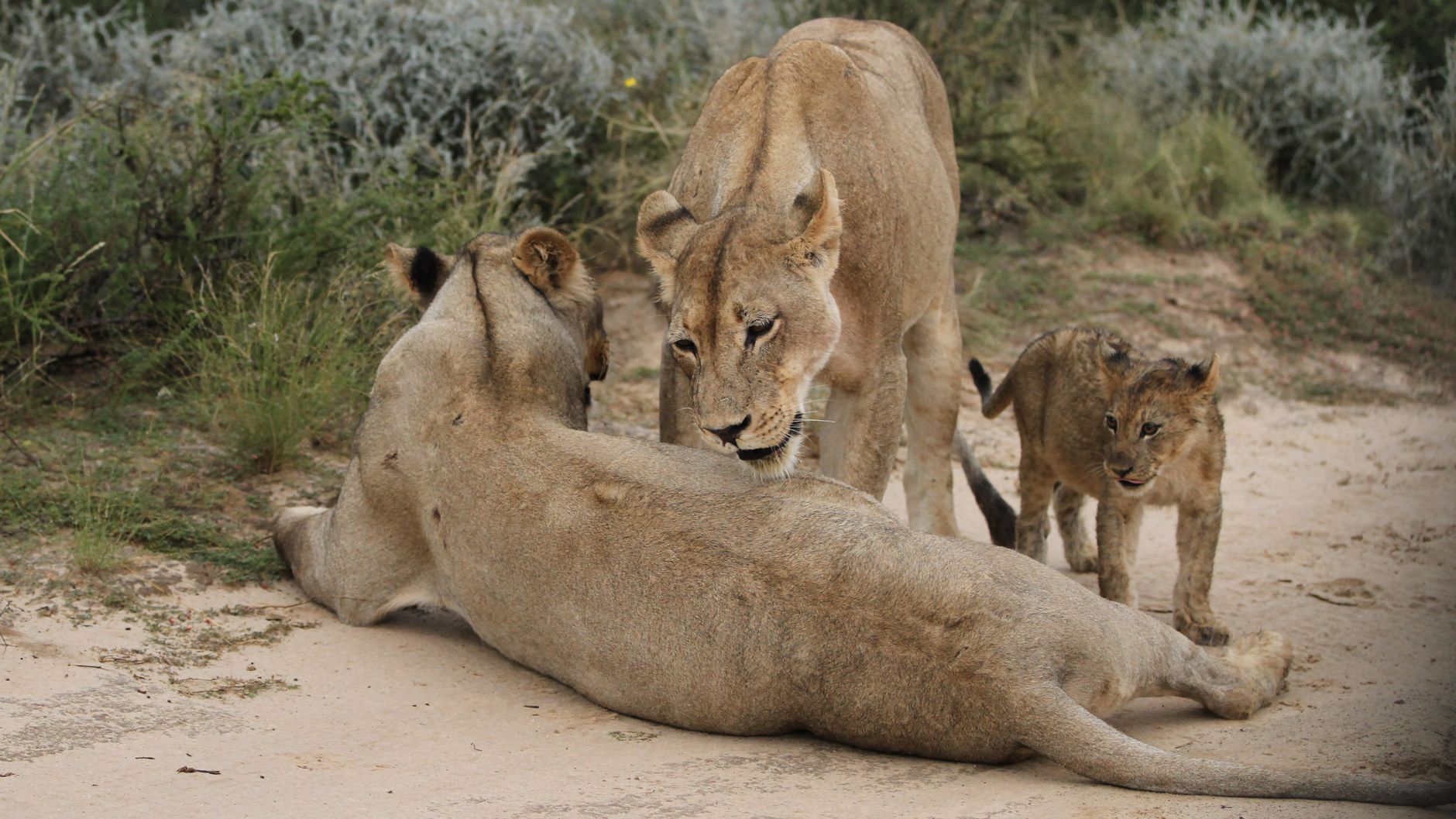
The Ishasha sector, the southern section of Queen Elizabeth National Park, is the reliable spot. Four lion prides, roughly 50 individuals in total, regularly rest in sycamore fig and candelabra trees along the Ishasha River plains. Elsewhere, comparable behavior shows up only in Tanzania’s Lake Manyara and Tarangire, and in Kenya’s smaller Lake Nakuru pride.
Ishasha sector tree climbing lions sightings tend to happen along the same stretch of riverine woodland, year after year. That pattern is part of why guides can find them with some consistency. It is also the main reason Ishasha, not Kenya, dominates the search results for tree climbing lions Uganda.
Why Do Lions Climb Trees in Queen Elizabeth National Park?
Researchers believe Ishasha’s lions climb fig and candelabra trees for three reasons. Climbing helps them escape tsetse flies and other biting insects. It also lets them cool off above the hot grassland and get a better vantage point to spot prey and rival predators. It is a learned behavior specific to these prides, not a typical lion habit.
Lions elsewhere in Africa rarely climb, which is what makes Ishasha and a handful of other pockets notable. The behavior appears to pass down within a pride, rather than occurring everywhere lions and fig trees coexist. That is why Queen Elizabeth National Park lions get singled out in wildlife literature more than most.
What Is the Best Time to See Tree-Climbing Lions in Ishasha?
Dry months, June to September and December to February, give the best odds. Access roads stay passable then, and lions climb more often to escape heat and insects. Within any day, 10am to 3pm is prime viewing. Wet-season visits, March to May and October to November, risk impassable tracks and fewer sightings.
Guides looking for the best time to see tree climbing lions usually plan drives around the heat of midday. That is when the ground is least comfortable for a resting lion, and a shaded branch is most appealing. Early morning and late afternoon game drives, by contrast, are more likely to find the same prides on the ground.
Is a Queen Elizabeth Safari Tree-Climbing Lions Trip Worth the Cross-Border Trip From Kenya?
A trip to Ishasha is worth the extra travel if gorilla trekking or a wider Uganda-Rwanda loop is already part of your plans. On its own, reaching Ishasha from Kenya takes real effort. It means flying into Entebbe or Kigali, then a long road transfer or a domestic charter toward Kihihi airstrip.
There is no direct Kenya-to-Ishasha route. That is why most itineraries pair it with Bwindi gorilla trekking or a wider Uganda-Rwanda loop.
That extra travel is the honest cost of a Uganda tree-climbing lion sighting. It usually means separate visas, a different currency, and time built in for the road or charter leg. If gorilla trekking or a broader regional trip is already on your list, adding Ishasha makes sense as part of a cross-border Uganda-Rwanda-Kenya itinerary. If you also plan to trek in Bwindi, check Bwindi’s health requirements ahead of time. Confirm your policy covers travel across three countries too, with East Africa safari insurance comparison, before you book flights.
Can You See Tree-Climbing Lions in Kenya at Lake Nakuru?
Yes, Kenya has its own smaller population of tree-climbing lions in Lake Nakuru National Park, about two and a half to three hours from Nairobi. Sightings are less reliable than in Uganda’s Ishasha sector, but it is the only place to see the behavior without leaving Kenya.
Lake Nakuru tree climbing lions favor the park’s acacia and fever-tree groves, rather than the fig trees of Ishasha. The population there is smaller, and it is less consistently documented. If your schedule or budget cannot stretch to Uganda, a Nakuru game drive is worth building into a Kenya circuit. Our Lake Nakuru guide covers what else the park offers beyond the lions, including its rhino sanctuary and flamingo-lined shoreline.
Here is how the two compare on the points that matter most for planning:
| Factor | Ishasha, Uganda | Lake Nakuru, Kenya |
|---|---|---|
| Country | Uganda | Kenya |
| Distance | Roughly 6-7 hours by road from Kampala | Roughly 2.5-3 hours from Nairobi |
| Estimated lion population | Around 50, across four prides (indicative) | Small, unconfirmed pride size |
| Sighting reliability | Consistent in dry season | Occasional, less predictable |
| Cross-border travel needed | Yes, from Kenya | No |
| Typical pairing | Bwindi gorilla trekking, Uganda-Rwanda loop | Masai Mara or Amboseli circuit |
| Visa/logistics complexity | Higher, separate country entry | Lower, domestic Kenya travel |
What Is the Conservation Status of Ishasha’s Lion Prides?
Ishasha’s roughly 50 lions across four prides face pressure from human-wildlife conflict, snaring, and habitat loss outside park boundaries. These threats echo what Kenya’s own lion populations face. Travelers should ask operators whether they support pride monitoring or anti-snaring programs, rather than just marketing the sighting.
The same scrutiny applies on either side of the border. Before booking with any operator that promises guaranteed sightings or claims to fund conservation work, check a Kenya operator’s conservation claims first. The same questions apply just as well to a Uganda-based outfit. Lion numbers in both countries are small enough that responsible tourism choices genuinely affect outcomes.
Ishasha or Lake Nakuru: Which Tree-Climbing Lion Trip Fits You?
Choose Ishasha if reliable sightings matter more than convenience, and if gorilla trekking or a Uganda-Rwanda loop is already part of your plans. The prides there climb often enough, and guides know the ground well enough, that a dedicated tree-climbing lion drive is worth the extra travel. A queen elizabeth safari tree climbing lions trip built around Ishasha rewards travelers willing to add a border crossing to their itinerary.
Choose Lake Nakuru if you want to stay inside Kenya and keep logistics simple. Treat the tree-climbing behavior as a bonus, rather than the reason for the trip. Sightings are not guaranteed, but the park delivers plenty else, including rhinos and birdlife, even on a day the lions stay on the ground. For a wider view of this kind of tradeoff across East Africa’s parks, see our piece comparing East Africa park destinations.
Either way, browse packages and compare safari operators on FindMySafari, Valley Safaris, or Trunktrails Safaris before committing. Pricing, group sizes, and conservation involvement vary more between operators than between the two parks themselves.
Where Can You Find More Safari Planning Resources?
- Masai Mara Big Five safari from SafariPure
- Lake Nakuru safari guide from Trunktrails Safaris
- Rift Valley lakes map from Valley Safaris
- Big Five safari collection on FindMySafari