Is Ol Pejeta worth visiting on a Kenya safari? For travelers who want more than a checklist of animals, the answer leans firmly toward yes. Ol Pejeta Conservancy sits in Laikipia, north of the Aberdares, and pairs comfortable game drives with some of the most meaningful conservation work in East Africa. For retirees planning a first or second Kenya trip, it also offers something worth knowing up front. Wildlife viewing here does not demand long walks, rough camping, or a punishing pace.
This guide is an honest look at what Ol Pejeta does well and where it falls short of a classic Big Five safari. It also covers how to plan a visit that suits a comfort-conscious traveler rather than a backpacker on a budget.
Is Ol Pejeta Worth Visiting?
Ol Pejeta is worth visiting because it combines reliable safari wildlife with conservation experiences that few other Kenyan parks offer. Visitors can look for the Big Five, see black and white rhinos, visit Kenya’s only chimpanzee sanctuary, and learn about active wildlife protection work. It rewards travelers who want more than standard game drives.
What sets Ol Pejeta apart is not raw animal density. The Masai Mara, covered in our Masai Mara guide, still wins on sheer volume of plains game and predator sightings, especially during the wildebeest migration. Ol Pejeta wins on access and purpose. Roads within the conservancy are generally well maintained, and distances between sightings are manageable in a single game drive. Guides tend to frame every stop around conservation, not just a sighting count. For a full breakdown of the conservancy layout and activities, the Ol Pejeta Conservancy guide is worth a look before you go.
Where Ol Pejeta is less compelling is as a rushed add-on. If your itinerary already includes the Mara or Amboseli and time is tight, a quick stop here may not be worth it. It can feel like less than the sum of its parts. It rewards visitors who give it real time. Lean into the rhino and chimpanzee experiences rather than treating this as another box to tick on a Big Five list.
What Animals Can You See at Ol Pejeta?
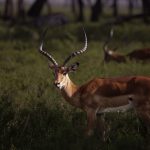
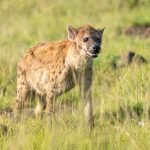
Ol Pejeta supports lions, elephants, buffalo, leopards, cheetahs, black and white rhinos, Rothschild’s giraffes, zebras, hippos, hyenas, gazelles, elands, jackals, baboons, and abundant birdlife. Sightings remain wild and are never guaranteed, but the conservancy’s mix of grassland, woodland, and riverine habitat creates strong viewing opportunities through most of the year.
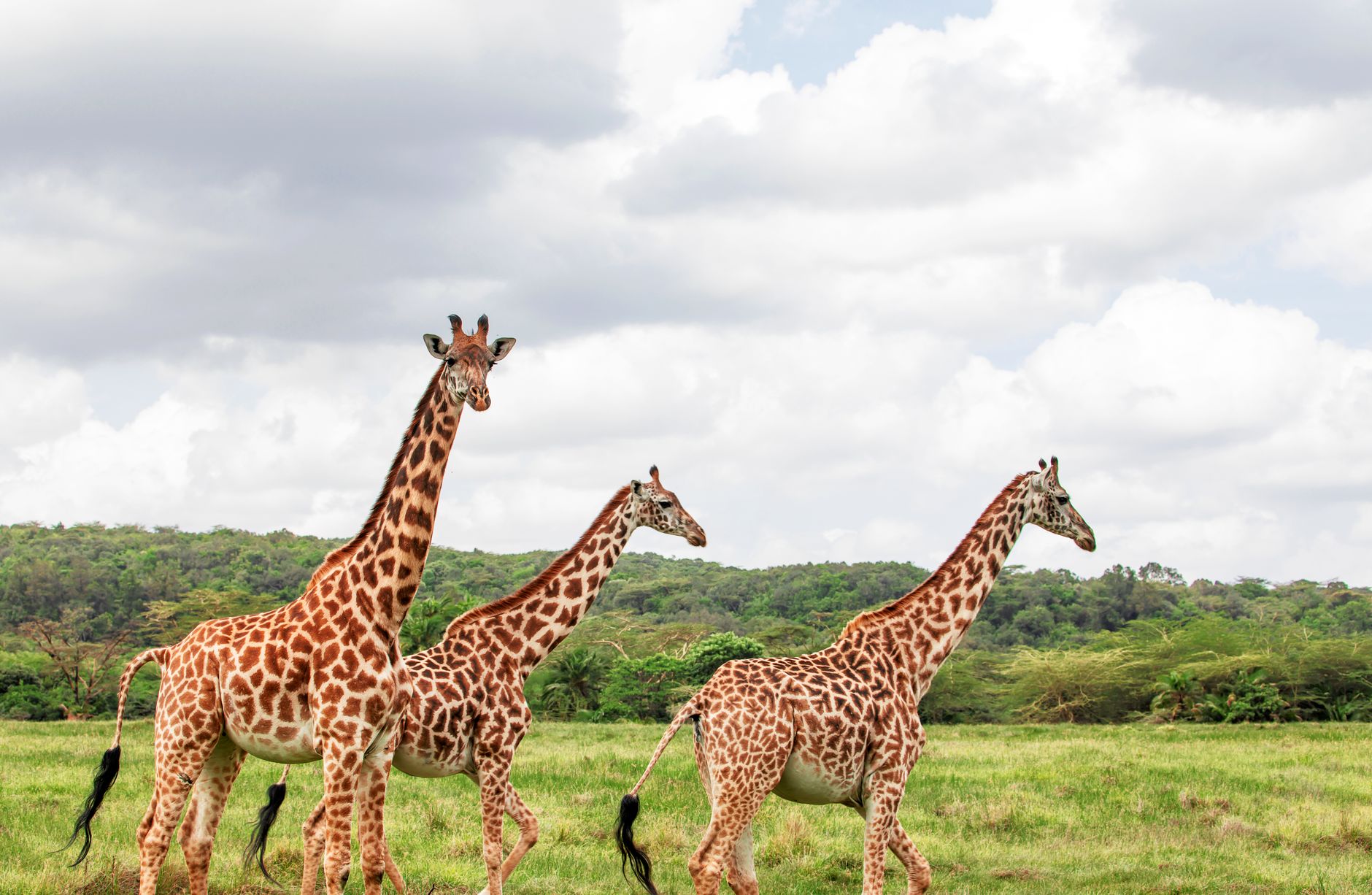
Two species stand out for reasons beyond the usual Big Five checklist. Rothschild’s giraffes, with their pale, patchy coat pattern, are part of a long-running conservation effort here that few southern Kenya parks can match. Ol Pejeta also protects a substantial population of both black and white rhinos, which means sightings are genuinely likely rather than a matter of luck.
For a retiree used to slower travel, the game drives themselves are comfortable. Most viewing happens from the vehicle, seats are reachable without climbing, and drivers tend to pace stops around passenger comfort rather than rushing between sightings.
Can You See the Last Northern White Rhinos at Ol Pejeta?
Yes. Ol Pejeta is home to Najin and Fatu, the last two northern white rhinos left on earth, and visitors can book a guided encounter to learn about them and the conservation work protecting the subspecies. The experience is separate from ordinary game viewing and is best reserved in advance.
This is arguably the single strongest reason to choose Ol Pejeta over another park. Meeting Najin and Fatu happens under close supervision from their dedicated caretakers. It is a quiet, moving experience rather than an active safari activity, which suits travelers who prefer a calmer pace. The visit involves a short walk on level ground to the viewing area, not a hike.
General park entry also includes the Sweetwaters Chimpanzee Sanctuary, home to chimps rescued from unsuitable conditions elsewhere. It also includes Baraka, a blind black rhino that visitors can approach closely under guide supervision. The Morani Information Centre explains the conservancy’s broader anti-poaching and community work. Lion tracking and night game drives are offered as separate paid activities and are worth booking ahead if they interest you.
How Many Days Do You Need in Ol Pejeta?
Two full days is the most comfortable plan, because it allows several game drives plus at least one conservation activity without rushing. A day trip is possible, but it can feel rushed if you also want to visit the northern white rhinos or the chimpanzee sanctuary.
Is Ol Pejeta good for a day trip? It can work, particularly from a lodge in or near Nanyuki, but the conservancy’s single-entry rule for day visitors is worth knowing. Once you leave, you generally cannot re-enter on the same ticket. A day trip means picking one or two priorities and accepting that you will miss others. Overnight guests staying inside the conservancy typically get a full day and evening of access without that constraint, which makes for a more relaxed visit.
If Ol Pejeta is a stop within a longer trip, it slots naturally into a 7-10 day Kenya safari itinerary alongside the Mara or Samburu. That pairing gives you contrast between Laikipia’s open, rolling landscape and the drama of the southern plains. Building in that kind of pacing, rather than cramming parks back to back, matters more for retirees than for younger travelers chasing a long checklist.
What Is the Best Time to Visit Ol Pejeta?
The best wildlife-viewing conditions usually come during the dry periods from June to October and January to February, when animals are easier to spot and roads are generally in better condition. March to May and November can bring greener scenery and strong birding, though rain may slow some tracks and spread wildlife more thinly across the conservancy.
| Season | Approximate months | Wildlife viewing | Road and comfort notes |
|---|---|---|---|
| Long dry season | June to October | Strong, animals concentrate near water | Firm roads, some dust |
| Short dry season | January to February | Strong, good visibility | Warm, generally dry underfoot |
| Long rains | March to May | Mixed, lush and birdy | Some tracks slower, fewer crowds |
| Short rains | November | Mixed, quieter season | Occasional showers, green scenery |
For travelers concerned about ride comfort, the dry season windows are the safer bet. Firmer roads mean a smoother game drive, which matters if long stretches on uneven ground are uncomfortable for you.
How Much Does It Cost to Visit Ol Pejeta?
Ol Pejeta charges non-resident adults an entry fee per person, per day, with vehicle and selected activities charged separately. As a private conservancy rather than a government-run park, its rates are set independently and can change from year to year, so confirm the current tariff with Ol Pejeta or your safari operator before you travel. Day visitors typically receive single entry, while overnight guests generally get around-the-clock access for their stay.
| Item | Cost | Notes |
|---|---|---|
| General park entry, adult | Charged per person per day, confirm current rate | Single entry for day visitors |
| Sweetwaters Chimpanzee Sanctuary, Baraka, Morani Centre | Included in general entry | No extra booking needed |
| Northern white rhino visit | Separate fee, book ahead | Limited slots, guided only |
| Lion tracking | Separate fee | Book ahead through your camp or operator |
| Night game drive | Separate fee | Availability depends on camp and season |
Ol Pejeta is largely cashless, so expect to pay by card, M-Pesa, or eCitizen rather than with cash on arrival. For a broader sense of what a full itinerary costs, typical Kenya safari costs are a useful reference point. Practical Kenya safari planning tips cover booking logistics in more depth. It is also worth checking a packing list built for safari conditions, since sun exposure and dust are more relevant here than cold weather gear.
On the medical side, Nanyuki, the nearest town, has hospitals and pharmacies. That offers some reassurance for travelers who want reasonably easy access to care during their stay. That said, always confirm your camp’s evacuation and insurance arrangements before you travel, regardless of which park you choose.
Frequently Asked Questions
Is Ol Pejeta Worth Visiting?
Yes, especially for travelers interested in rhinos, conservation, and varied wildlife alongside conventional game drives. It is less compelling for visitors seeking only a brief Big Five stop when another park already fits their route better.
How Many Days Do You Need in Ol Pejeta?
Two full days is the most comfortable plan, allowing several game drives and at least one conservation activity. A day trip is possible, but it can feel rushed if you also want to visit the northern white rhinos or the chimpanzee sanctuary.
What Animals Can You See at Ol Pejeta?
Possible sightings include lions, elephants, buffalo, leopards, cheetahs, black and white rhinos, Rothschild’s giraffes, zebras, hippos, hyenas, gazelles, elands, and many birds. Wildlife is free-ranging, so no specific sighting is guaranteed.
Can You See the Last Northern White Rhinos at Ol Pejeta?
Yes. Ol Pejeta is home to Najin and Fatu, the last two northern white rhinos, and visitors can book a guided encounter to learn about them and the conservation work protecting the subspecies. Reserve this separately from general game viewing.
What Is the Best Time to Visit Ol Pejeta?
June to October and January to February generally offer the easiest wildlife viewing, since conditions are drier. The wetter months can still be worthwhile for green landscapes, birdlife, and fewer visitors, but rain may affect road conditions and visibility.
Where Can You Compare Safari Operators for Ol Pejeta?
Ol Pejeta works well as a standalone stop or as part of a longer Kenya itinerary. The right choice depends on your pace, budget, and how much conservation-focused time you want built in. TouringInsights does not sell tours directly. Once you have a shape for your trip in mind, compare safari operators such as FindMySafari, Valley Safaris, and Trunktrails Safaris to browse packages that include Ol Pejeta alongside the Mara, Samburu, or Amboseli.
Where Can You Find More Safari Planning Resources?
- Kenya national parks map from SafariPure
- Ol Pejeta Conservancy guide from Trunktrails Safaris
- Ol Pejeta and Sweetwaters safari package from Valley Safaris
- Big Five safari collection on FindMySafari