What Is an Ol Pejeta Safari Conservation Tour Comparison?
A solo traveler weighing an ol pejeta safari conservation tour comparison usually finds three options. There’s a rushed day trip from Nairobi. There’s a proper multi-night stay on the conservancy. Or there’s a fly-in package that skips the road entirely. Each format changes your cost, your time with wildlife, and whether you share a vehicle with strangers. This piece lines up all three against each other. Then it sets Ol Pejeta beside its two closest Laikipia rivals, Lewa and Solio. That comparison helps you pick the format that suits solo, low-density travel instead of a group brochure.
What Does an Ol Pejeta Safari Conservation Tour Comparison Look Like?
A one-day trip from Nairobi costs roughly $180 to $550 and takes about 15 hours round-trip, covering the chimpanzee sanctuary and one game drive. A 2-3 night road safari runs $225 to $2,200 and adds night drives and rhino tracking. A fly-in package, 45 minutes from Wilson Airport, suits travelers who want more time on the ground and less driving fatigue.
| Format | Typical Duration | Approx. Cost (USD) | Best For |
|---|---|---|---|
| Nairobi day trip | 1 day, ~15 hrs round-trip | $180-$550 | Tight budgets, layover travelers |
| 2-3 night road safari | 2-3 nights | $225-$2,200 | Travelers wanting rhino tracking and night drives |
| Fly-in package | 2-4 nights | Varies by lodge, generally higher than road stays | Solo travelers avoiding shared minibuses and long transfers |
The day trip is the cheapest way to see Ol Pejeta. But it almost always runs as a shared minibus tour. That is the opposite of what a solo traveler chasing low vehicle density wants. The multi-night and fly-in formats put you in a private vehicle more often. Confirm this before booking, since some mid-range packages still pool guests.
How Much Are Ol Pejeta Conservation Fees and Add-Ons?
International visitors pay a conservation fee per person per day, with children aged 3 to 11 charged half price. Exact current rates change over time, so confirm the latest figure directly with Ol Pejeta or your safari operator before you travel.
Add-on activities cost extra, and prices differ activity by activity rather than sharing one flat rate. A short conservation talk is typically the cheapest option. Rhino tracking and a night game drive cost more, since both run for several hours with a dedicated guide. The behind-the-scenes chimpanzee tour is a specialized, staff-led experience and tends to sit at the higher end of the add-on range. Treat any figure you see quoted online as indicative until you confirm it with the conservancy, since these prices are reviewed periodically. All add-ons are paid online in advance under the conservancy’s cashless system.
That cashless requirement catches first-time visitors off guard. You cannot pay at the gate with cash or card, so any add-on you want has to be arranged before you arrive.
Wondering whether a conservancy’s fees genuinely fund conservation work? Read our guide on verifying a conservancy’s conservation claims before you book premium activities.
What Is the Best Time to Visit Ol Pejeta Conservancy?
June through October and December through February make up the dry season. This brings the densest wildlife around waterholes, but also the most vehicles on shared day-tour routes. March through May and November are quieter and greener, better for solo photographers wanting uncrowded light, at the cost of some muddy roads.
For a luxury solo traveler, the shoulder season trade-off often works in your favor. Fewer vehicles means fewer minibuses crowding a rhino sighting, and lodges are more likely to negotiate on single-supplement rates when occupancy is lower.
Where Should Solo Travelers Stay at Ol Pejeta?
Options span budget campsites, mid-range Sweetwaters Serena, and high-end options like Ol Pejeta Bush Camp or Kifaru House. Solo travelers should check single-supplement policies before booking. Some tented camps waive the supplement in low season, while fly-in luxury lodges typically add 50 to 90 percent to the per-person rate.
This is where an Ol Pejeta safari conservation tour comparison earns its keep for a solo traveler. The headline nightly rate rarely tells the whole story. A camp advertised as mid-range can become expensive fast once the single supplement lands. Ask directly, rather than assuming the quoted price is per person sharing.
How Do You Get to Ol Pejeta: Road or Fly-In?
By road it’s a 3.5 to 4.5 hour drive, about 210km, from Nairobi via the A2 highway. By air it’s a 45-minute flight from Wilson Airport to Nanyuki. Solo travelers on tight timelines, or wanting to avoid a full day in transit, generally find the flight worth the added cost.
The road route is also the one used by most shared day-tour vehicles. If avoiding a minibus matters to you, that alone can tip the decision. You might choose flying instead, or book a private road transfer rather than a pooled one.
Is Ol Pejeta Better Than Lewa or Solio?
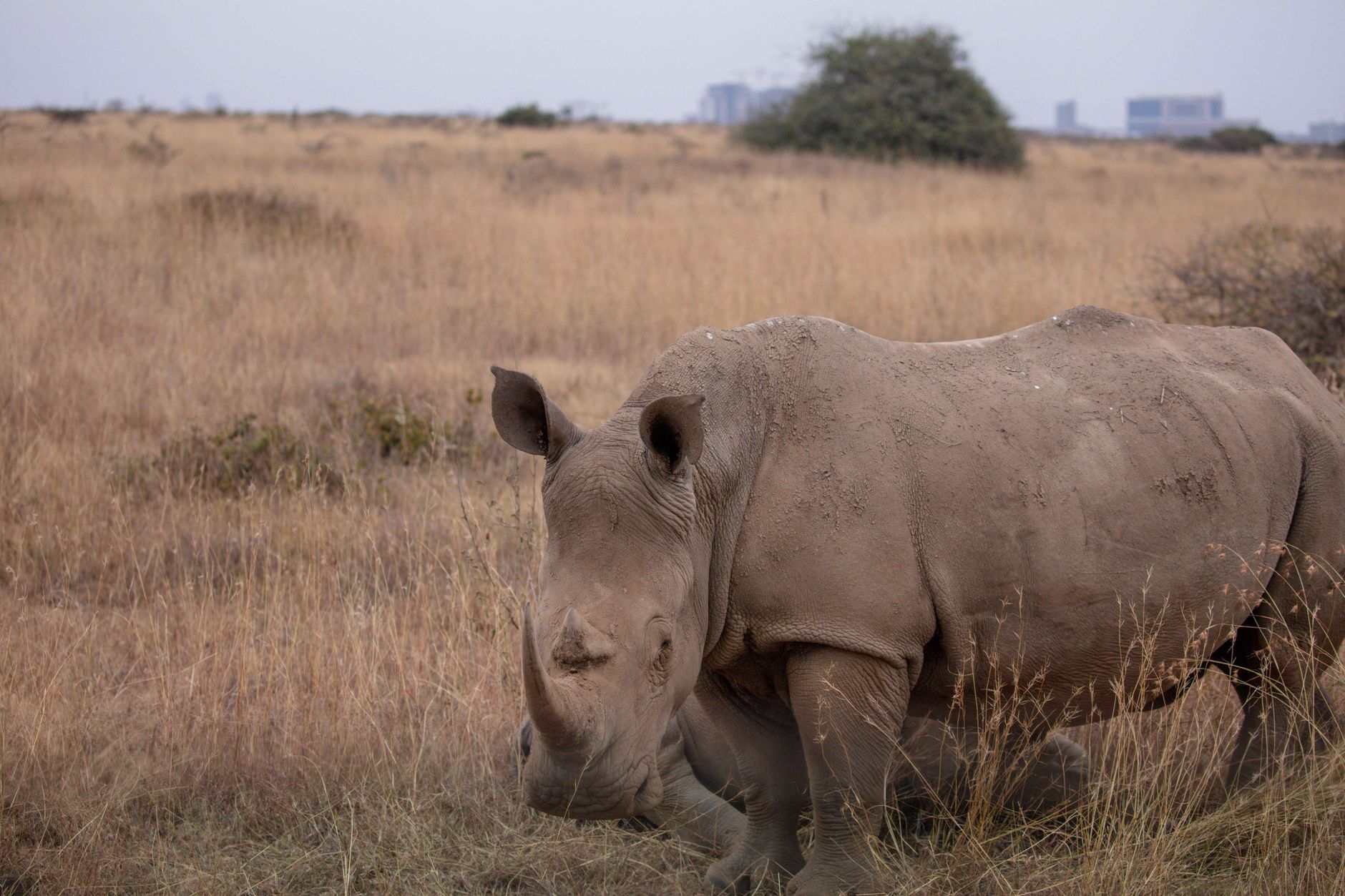
Ol Pejeta is the largest and most flexible of the three. It permits self-drive, night drives, and access to the chimpanzee sanctuary. It’s also home to the last two northern white rhinos on Earth. Lewa is smaller, exclusively guided, and more scenic. Solio is the most exclusive, with a single small lodge and the highest rhino density per acre of the three.
| Conservancy | Self-Drive Allowed | Guiding Style | Standout Feature |
|---|---|---|---|
| Ol Pejeta | Yes | Self-drive or guided | Chimpanzee sanctuary, northern white rhino |
| Lewa | No | Guided only | Scenic terrain, lower density |
| Solio | No | Guided only, single lodge | Highest rhino density of the three |
Solio’s appeal for a solo, privacy-focused traveler is straightforward: one lodge means you’re not competing with other camps’ vehicles for the same sighting. Lewa splits the difference, smaller than Ol Pejeta but with a handful of camps rather than just one. If you’re still deciding between destinations, our piece on comparing Kenya safari destinations covers how Laikipia stacks up against the classic southern circuits.
Whichever conservancy you choose, packing the right lens for wildlife photography matters here more than in open savanna parks. See our guide on choosing a wildlife photography lens. Ol Pejeta’s bush cover means closer, more obstructed sightings.
Which Tour Format Suits a Luxury Solo Traveler?
A 3-4 day fly-in package to a small, owner-run camp, such as Kifaru House or a Laikipia tented camp, works well for solo travelers. It offers private guiding and flexible game-drive timing. You also avoid the single-supplement penalty that large lodges often charge. That combination beats both the shared day-tour minibus and a big multi-park circuit built for couples and families.
If exclusivity and low vehicle density matter more to you than ticking off every activity, Solio and Lewa are worth serious consideration alongside Ol Pejeta. Ol Pejeta still has an edge for travelers who want variety in one place, thanks to its self-drive flexibility and chimpanzee sanctuary. Read our full Ol Pejeta Conservancy guide for planning details, and check what a Kenya safari really costs before you set a budget across formats.
From here, the practical next step is to browse packages and compare safari operators directly. FindMySafari, Valley Safaris, and Trunktrails Safaris all list Laikipia itineraries you can filter by group size and lodge tier. That makes it easier to spot which operators actually offer private vehicles for solo travelers, rather than defaulting you into a shared one. You can also book directly with us at touringinsights.com.
Where Can You Find More Safari Planning Resources?
A few outside resources add useful detail on maps, itineraries, and pricing once you have picked a format.
- Kenya national parks map from SafariPure
- Ol Pejeta Conservancy guide from Trunktrails Safaris
- Ol Pejeta and Sweetwaters safari package from Valley Safaris
- Compare Kenya safari packages on FindMySafari