An Ol Pejeta Safari Chimpanzee Visit is one of the few wildlife activities in Kenya with a fixed timetable. You know the sanctuary opens in set windows, the chimpanzees are close to the viewing area, and a keeper usually explains what you are seeing. That makes it easier to plan with children than a classic game drive, where animals may appear far away or hide completely.
The main questions from parents are practical. Where exactly is the sanctuary? How much time do you need? Can children behave well enough to enjoy it? The eight planning steps below point a family in the right direction.
1. Approach the Ol Pejeta Safari Chimpanzee Visit as Rescue Viewing
Yes, you can see chimpanzees at Ol Pejeta. Sweetwaters Chimpanzee Sanctuary is the designated place for that experience. The difference is that these chimpanzees are rescued animals receiving lifelong care, not a wild population native to the area.
Visitors watch from secure viewing points. No one touches, feeds, or calls to the animals. The rules are strict because keeping distance protects both the apes and the people who travel to see them. Explain that to children before you arrive so they do not expect a petting interaction.
2. Map the Drive to Sweetwaters Chimpanzee Sanctuary
Sweetwaters sits beside the Ewaso Nyiro River inside Ol Pejeta Conservancy in Laikipia County. The sanctuary is close to Nanyuki and roughly four hours from Nairobi by road. For a day trip, the math is tight. Most families prefer to arrive the day before and enter the conservancy rested.
You also need time inside Ol Pejeta after passing the gate. The conservancy is large, and the journey from an entry point to the sanctuary takes a while. If your children do not cope well with long transfers, discuss that with your operator before booking.
If you are considering a trip mainly to see the chimpanzees, read our guide on how to visit Ol Pejeta without a game drive. It helps families compare a relaxed sanctuary stop with a full-day itinerary.
3. Time Your Day Around a Midday Closure
The sanctuary does not stay open all day. Many published schedules describe a morning viewing session and a separate afternoon session, with a midday break of roughly two hours in between. That break gives the chimpanzees rest time and gives visitors a clear block for lunch, a game drive, or a nap.
For families with early risers, the first session often works well, since children are awake and the morning is usually cooler. If you are staying far from the sanctuary or driving from Nairobi the same day, the afternoon session can be less stressful. You are not racing against an early start. Treat these session windows as indicative only, and confirm the current times with your operator or the conservancy before your visit, since schedules can change.
4. Budget for Ol Pejeta Entry Fees and Vehicle Charges
A chimps-only visit can look confusing on a price list because there are two separate charges. Standard access to Sweetwaters is included after you pay the applicable Ol Pejeta Conservancy entry fee. The vehicle that carries you also has its own entry fee, usually paid alongside the people tickets.
As an indicative range for 2026, non-resident adult entry tends to fall somewhere in the low hundreds of US dollars per person. Children aged three to eleven have a lower indicative rate. Residents and Kenyan citizens have a different published rate. These figures can change, so ask a tour operator for a written quote that shows exactly how the people fees and vehicle fee are combined. Our Kenya safari cost guide covers similar cost planning for the rest of your trip.
5. Decide If the Behind-the-Scenes Chimpanzee Experience Is Worth It
The standard visit already puts you close to the rescued animals. You can often watch feeding, moving, resting, and climbing from the protected viewing area. That may be enough for a family with younger children.
The behind-the-scenes chimpanzee experience is a separate paid activity. It gives visitors more keeper-led time to hear about health checks, food preparation, enrichment, and individual rescue histories. It requires advance booking, costs more than standard entry, and may be cancelled because of weather or chimpanzee behavior. Reserve it only if your children are old enough to listen through a longer, more technical session. For many families, standard viewing is the better choice.
6. Set Age-Appropriate Expectations for Children
Yes, Sweetwaters is suitable for families. It is educational, it is predictable, and it does not depend on luck. But children need clear rules. They must stay with an adult, keep their voice low, and avoid reaching toward the fencing or barriers.
If a chimpanzee is tired and resting, the keepers will not force it to move. That is normal sanctuary behavior. A child who understands rescue stories will stay interested. A child who expects a performance may be disappointed. Talk through the rescue background in the car, then let the visit unfold naturally.
7. Combine the Chimpanzee Stop with an Ol Pejeta Safari
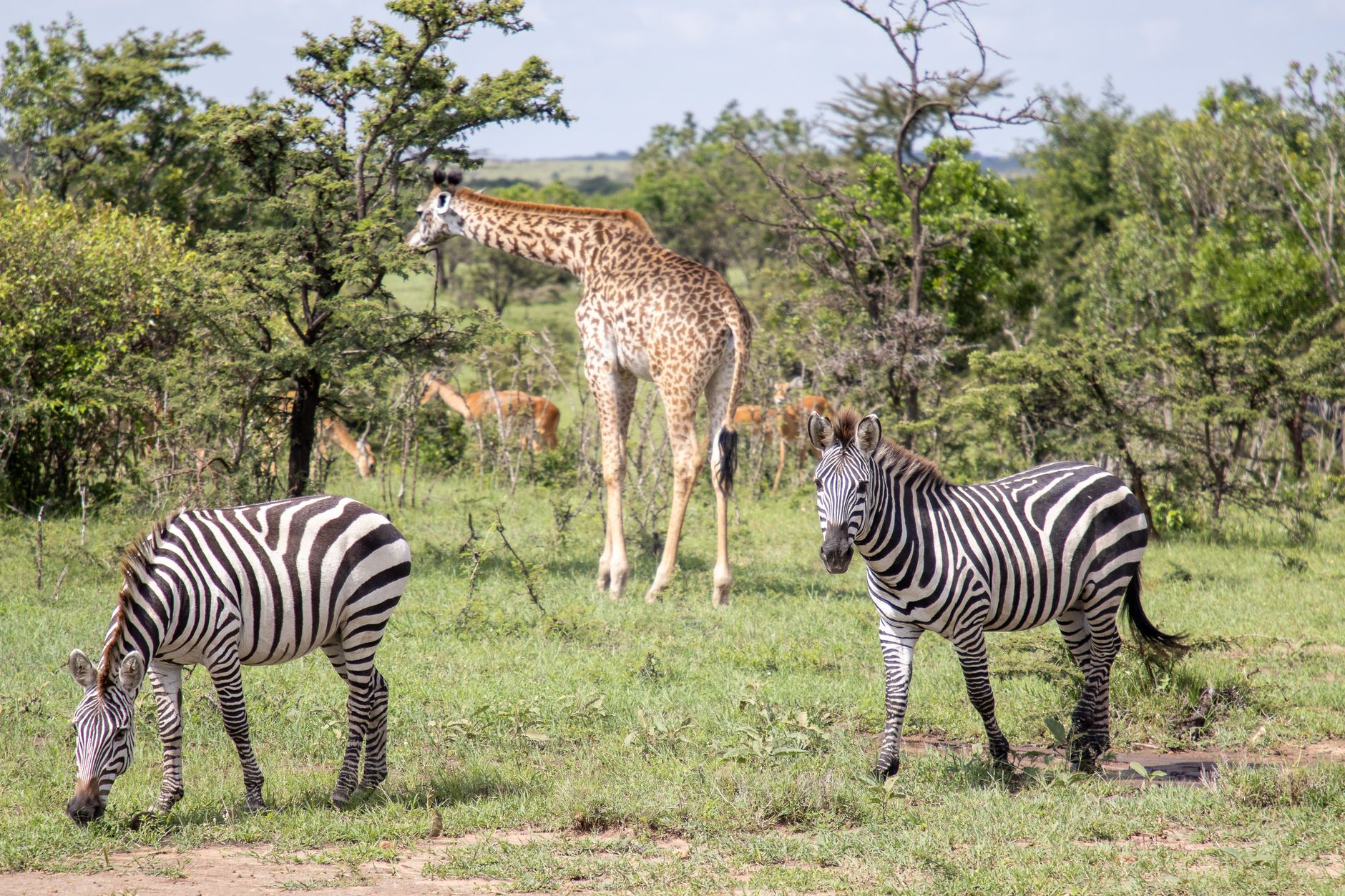
Ol Pejeta is not a one-species park. Visitors also look for rhino, elephant, lion, and Grevy’s zebra, among other wildlife. The sanctuary sessions fit well around those game-drive hours. A practical family day can start with early rhino viewing, move to chimpanzees midmorning, rest during the closure, then take a late-afternoon drive.
Avoid leaving the conservancy between sessions. Day visitors who exit and re-enter may have to pay conservancy entry again. If you want more detail on the wider park, our Ol Pejeta Conservancy guide is a useful companion. Older children who become interested in conservation work can also look at rhino conservation options in Kenya as a separate trip idea.
8. Pack for Slow Wildlife Viewing and Camera Rules
Comfort comes first. Water, sun protection, neutral clothing, and sturdy shoes make a longer session easier. Bring binoculars if you have them, since a family group is often spread across a viewing area.
Photography needs patience. Turn off your flash and keep your phone on silent. National park photo rules and conservancy rules are not always identical, so follow the instructions from sanctuary staff. For broader parks, check our guide to Kenya safari photography permit rules. A full list of family gear lives in our Kenya safari packing list.
Compare Family Safari Packages That Include Ol Pejeta
A smooth day depends less on what you read and more on how an operator builds the timing. Ask for a written plan that covers the sanctuary sessions, the midday break, and the full fee structure. Then browse packages on FindMySafari to compare how different companies handle the transport and entry steps for families.
More safari planning resources
- Kenya family safari from SafariPure
- Ol Pejeta Conservancy guide from Trunktrails Safaris
- Ol Pejeta and Sweetwaters safari package from Valley Safaris
- Family safari collection on FindMySafari