Ol Kinyei Conservancy covers a modest 75 km2 on the eastern edge of the Masai Mara ecosystem. Even so, it consistently posts some of the highest lion density figures anywhere in East Africa. That is not an accident of geography. It is the result of a land-use model built to let prey and predators recover.
A 2016 study by researchers Nic Elliot and Arjun Gopalaswamy measured lion density across the Masai Mara National Reserve and six adjoining conservancies. The study, published in the journal Conservation Biology, included Ol Kinyei. It put density across that combined area at roughly 16.85 lions per 100 km2, close to 420 lions in total. Within that dataset, Ol Kinyei and neighboring Olare Motorogi Conservancy stood out with the highest counts.
This guide breaks down what drives that number. It covers how Ol Kinyei compares to nearby conservancies, plus the real distances, camps, and fees you need to plan a visit. Touring Insights pulled these figures from published research and current camp and conservancy rate sheets. Treat every price as an indicative range, since conservancies revise rates during the year.
What Makes Ol Kinyei Different
Ol Kinyei was established in 2005 through a lease agreement. Roughly 177 Maasai landowners partnered with Gamewatchers Safaris, the company behind the Porini camps. It was one of the first conservancies formed in the greater Mara ecosystem, years before the wider conservancy movement took hold around the reserve.
The core deal was simple. Landowners agreed to stop grazing livestock inside the boundary and set the land aside for wildlife only. In exchange, they received steady lease income from tourism. Removing cattle let grass recover. Prey species, especially impala, topi, and zebra, rebuilt their numbers. More prey supports more lions, and that chain reaction is the real story behind Ol Kinyei’s density figures.
Why Lion Numbers Run So High Here
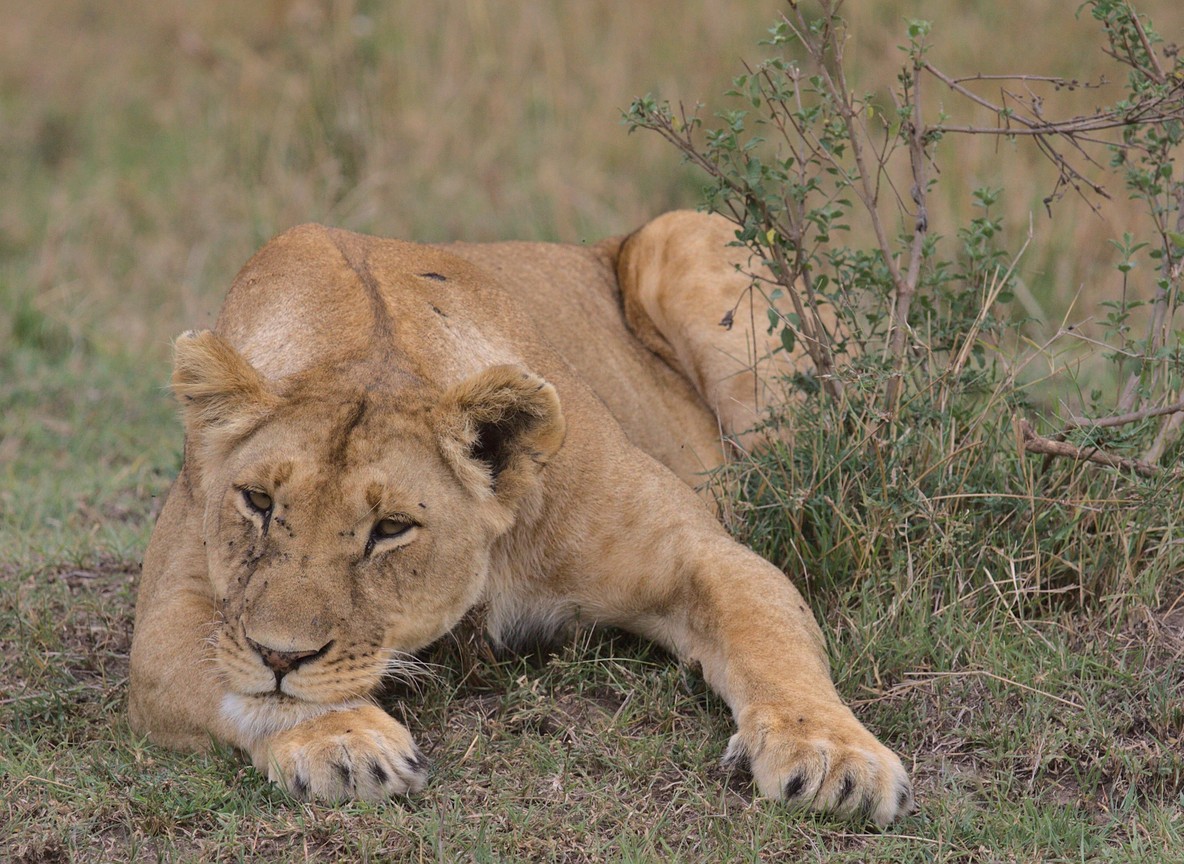
Researchers monitoring the conservancy have recorded a resident pride of more than 30 lions inside Ol Kinyei. That is an unusually large group for a conservancy this size. The Elliot and Gopalaswamy study found something else striking too: lion density across the Mara conservancies, Ol Kinyei included, actually exceeded density inside the national reserve itself. Given how recently these conservancies were formed, the lead researcher called that result remarkable.
Two factors explain it. First, prey recovery from removing livestock gave lions a stronger food base per square kilometer than the more heavily grazed land outside conservancy boundaries. Second, low vehicle traffic means less disturbance during hunts and at kills. Lions spend more energy feeding cubs and less energy avoiding vehicles.
The Low-Density Tourism Model Behind the Numbers
Ol Kinyei enforces one of the strictest bed-density ratios in the Mara conservancy system. Camps are limited to roughly one guest per 350 acres of wilderness. That works out to about one two-person tent per 700 acres. Across the conservancy’s full 18,500 acres, that ceiling keeps total capacity at only around a dozen permanent tents.
Fewer beds means fewer vehicles on game drives at any one time. Guides also follow strict off-road rules that limit how many vehicles can gather at a single sighting, typically capped at two or three cars per pride. That restraint is unusual in the Mara ecosystem. It is a large part of why wildlife here behaves more naturally than in busier corners of the reserve.
Where Ol Kinyei Sits in the Mara Ecosystem
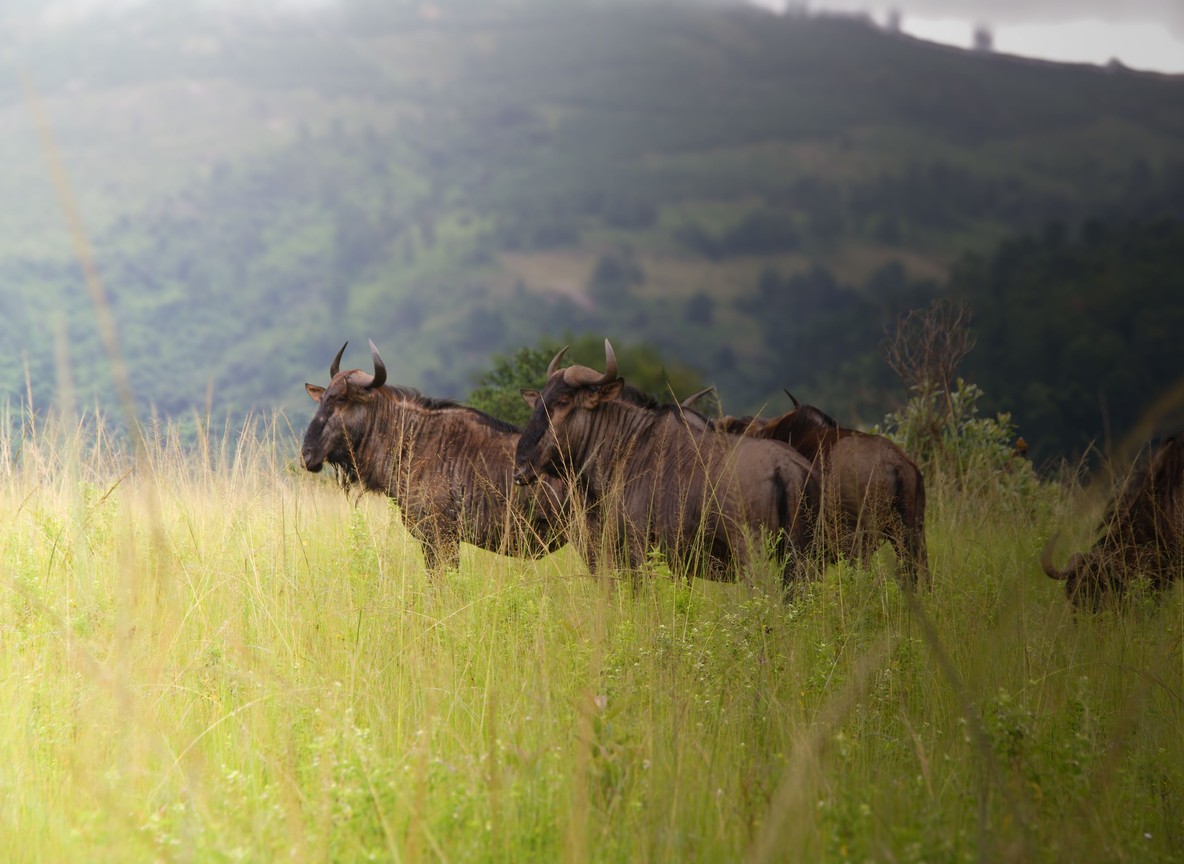
Ol Kinyei lies between the Masai Mara National Reserve and the Loita Plains. It forms part of the wildlife dispersal zone and a migration corridor for wildebeest that move seasonally out of the Loita Hills. The conservancy borders Naboisho Conservancy to the north and sits within game-drive range of the reserve’s eastern gates, including Talek Gate.
Ol Kinyei connects reserve, conservancy, and open dispersal land. It functions as a corridor as much as a destination. Predators move freely between it and Naboisho, which is one reason both conservancies show up together in density surveys rather than as isolated pockets.
Getting There: Distances, Flights, and Fees
Most visitors reach Ol Kinyei by scheduled flight from Nairobi’s Wilson Airport into Ol Kiombo or Ol Seki airstrip. Both flights take roughly 45 minutes, followed by a road transfer into the conservancy. Self-driving is possible but demanding. The road route runs via Narok and the Sekenani or Talek approach, roughly 240 to 250 km and 4.5 to 6 hours depending on road conditions.
| Detail | Figure |
|---|---|
| Conservancy size | ~75 km2 (about 18,500 acres) |
| Established | 2005 |
| Landowner partners | ~177 Maasai families |
| Distance from Nairobi (road) | 240-250 km, 4.5-6 hr drive |
| Flight time from Wilson Airport | ~45 minutes to Ol Kiombo or Ol Seki airstrip |
| Total tented capacity | ~12 permanent tents |
| Conservancy fee (indicative, non-resident) | $100-130 per person per night, usually bundled into camp rate |
Camps Inside Ol Kinyei
Only a handful of camps operate inside the conservancy, which is exactly the point. Porini Mara Camp sits along the Laetoli riverbank under yellow-barked acacia trees. It holds just five guest tents plus one family unit. Porini Cheetah Camp, also run by Gamewatchers Safaris, adds six more tents nearby. A smaller cottage-style option, Porini Ol Kinyei Safari Cottages, suits travelers who want the same low-density setting.
All three properties run on the same low-impact model. There are no permanent structures beyond the camps themselves, strict waste management, and guiding rules that limit sightings congestion. Guests can also game drive into the neighboring Naboisho Conservancy and the national reserve itself. That widens the wildlife circuit without adding beds inside Ol Kinyei.
Ol Kinyei Compared to Other High-Density Conservancies
Ol Kinyei is not the only conservancy built around this model. It remains one of the smallest and most tightly managed. The table below lines it up against three neighboring conservancies that show up in the same density research.
| Conservancy | Size | Established | Lion density status |
|---|---|---|---|
| Ol Kinyei Conservancy | ~75 km2 (18,500 acres) | 2005 | Highest recorded density in the ecosystem study |
| Olare Motorogi Conservancy | ~140 km2 (35,000 acres) | 2006 | Highest recorded density in the ecosystem study |
| Naboisho Conservancy | ~145 km2 (50,000 acres) | 2010 | Above-reserve density, large resident prides |
| Mara North Conservancy | ~290 km2 (72,000 acres) | 2009 | Above-reserve density, wide-ranging territories |
Explorer Notes: What Guides on the Ground Know
Guides based in Ol Kinyei track the resident pride’s movements daily. The territory is compact, so the same lions turn up in predictable areas along the Laetoli riverbank and the conservancy’s central grassland. Ask your guide at check-in which sub-group of the pride was seen most recently. That question usually narrows the search on your first drive.
Night game drives are permitted inside the conservancy but not in the national reserve. That is one of the best reasons to base yourself here rather than just visiting on a day trip. Lions hunt more actively after dark, and the low vehicle count means a night drive rarely runs into another car.
The dry season, from late June through October, concentrates prey animals around remaining green patches. Tracking gets easier during these months. If you visit during the short rains in November, pack for cooler, muddier mornings, since some camp access roads become difficult after heavy rain.
Frequently Asked Questions
Why does Ol Kinyei Conservancy have such high lion density? Removing livestock grazing let prey species recover, giving resident lions a stronger food base. Strict limits on tents and vehicles then reduced disturbance at kills and denning sites, letting prides grow undisturbed.
How many lions live in Ol Kinyei Conservancy? Researchers have recorded a resident pride of more than 30 lions inside the conservancy, plus lions that range between Ol Kinyei and neighboring Naboisho Conservancy.
Is Ol Kinyei Conservancy open to day visitors? Access is generally limited to guests staying at one of the conservancy’s camps. The low-bed-density model depends on controlling total visitor numbers rather than selling day passes.
How does Ol Kinyei compare to the Masai Mara National Reserve for lion sightings? The 2016 Elliot and Gopalaswamy study found lion density inside Ol Kinyei and several other conservancies exceeded density inside the reserve itself. Lower vehicle pressure and stronger prey recovery drove that gap.
What is the best time to visit Ol Kinyei for lion sightings? The dry season from late June through October offers the most reliable tracking. Prey concentrates around remaining grazing areas, and lions follow.
What to Read Next
- Want the fuller picture of the conservancy before you book? Read our Ol Kinyei Conservancy guide.
- Deciding between camps inside the conservancy? See our review of Porini Mara Camp.
- Weighing a conservancy stay against a national reserve camp? Our conservancy camp versus national reserve camp guide breaks down the tradeoffs.
Ol Kinyei’s lion numbers are the payoff of a twenty-year land deal between Maasai landowners and a tourism operator willing to keep bed counts low. That tradeoff is worth understanding before you book, since it shapes your game drive experience and your nightly rate. If you want help lining up a conservancy stay alongside the wider Mara circuit, visit our Tour Packages page. It is a good place to compare itinerary options and see what a partner operator can put together for your dates.