Most Maasai-owned camps in Kenya trace back to a male elder, a chief, or a group ranch board run mostly by men. Ol Gaboli breaks that pattern completely. Every decision, every shift, and every shilling of camp revenue runs through the Ilmotiok Women’s Group, making it Kenya’s only lodge that is both fully Maasai-owned and fully run by women.
The lodge sits inside Naibunga Conservancy in Laikipia, on the banks of the Ewaso Nyiro River. It is small by design: five solar-powered bandas, a modest footprint, and a business model built to put tourism income directly into women’s hands rather than routing it through a male-led committee first. Here is what that actually looks like on the ground, and how it compares to other community-owned camps in Kenya.
Who Runs Ol Gaboli: The Ilmotiok Women’s Group
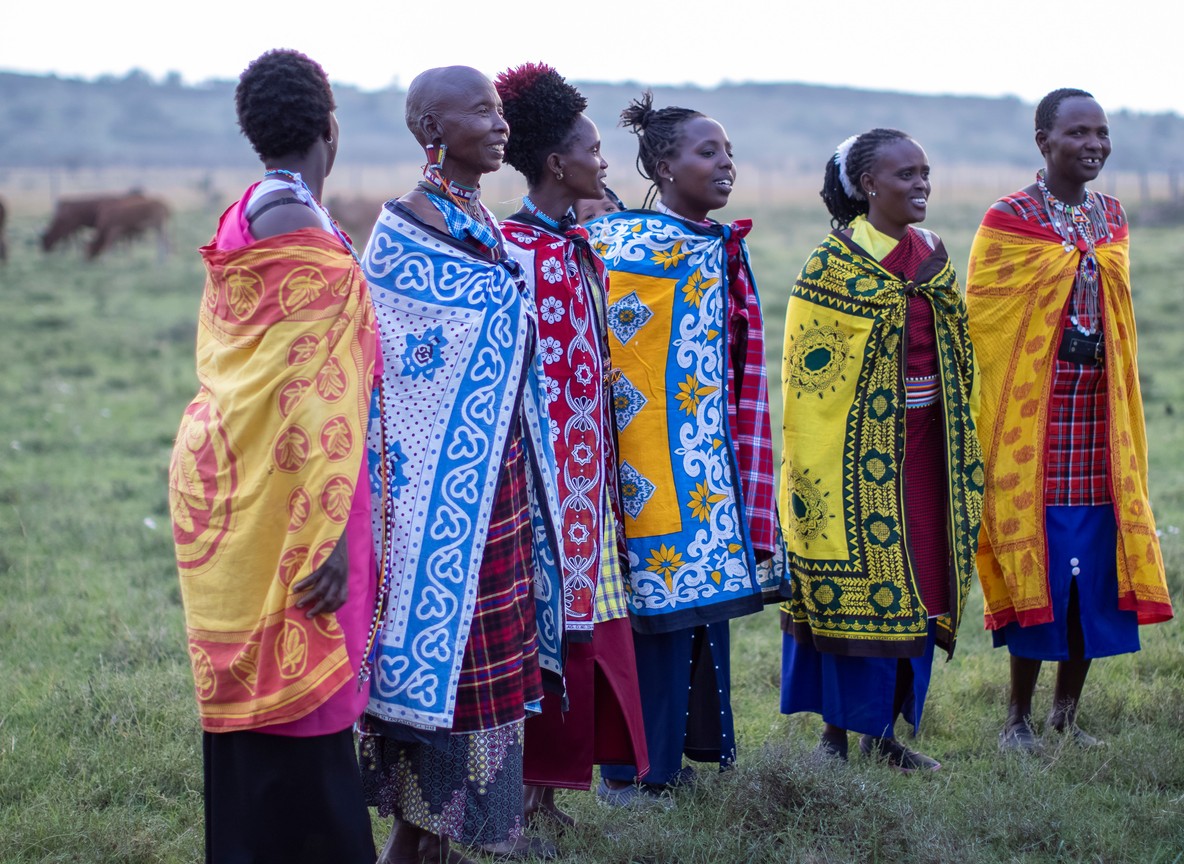
The Ilmotiok Women’s Group formed among Maasai women in the Naibunga area to build an income source that did not depend on livestock sales or a husband’s earnings. Ol Gaboli grew out of that effort. The women hold the ownership stake, staff the camp, guide the cultural walks, and sit on the committee that decides how profits get spent.
This matters because most “community-owned” safari camps in Kenya are owned by a group ranch, and group ranch leadership in Maasai communities is still overwhelmingly male. Ol Gaboli sidesteps that structure entirely. Guests are not just staying somewhere scenic. They are putting money straight into a women-led enterprise in a region where land and livestock have traditionally passed through men.
Where Ol Gaboli Sits: Naibunga Conservancy and the Ewaso Nyiro River
Naibunga Conservancy covers roughly 15,000 acres of Laikipia rangeland, bordered by the Ewaso Nyiro River, the same waterway that feeds Samburu National Reserve further north. The conservancy sits in the drier, less-visited stretch of Laikipia, away from the busier Ol Pejeta and Lewa circuits.
| Detail | Figure |
|---|---|
| Conservancy size | approx. 15,000 acres |
| Number of bandas at Ol Gaboli | 5, solar-powered |
| River frontage | Ewaso Nyiro River |
| Drive time from Nanyuki | approx. 75 km, 1.5-2 hours |
| Drive time from Nairobi | approx. 4.5 hours |
| Nearest airstrip | Nanyuki Airstrip (transfer required to conservancy) |
| Conservancy fee | indicative range, USD 20-40 per person per night |
Figures on conservancy fees are indicative only. Confirm the current rate directly with the camp or your operator before booking, since community conservancy fees change with the season and camp occupancy.
Five Bandas, Solar Power: What a Stay Actually Looks Like
Ol Gaboli is not a luxury camp and does not try to be. The five bandas run on solar power, which keeps the camp off the diesel-generator model still common in smaller Kenyan lodges. Guests should expect simple, comfortable rooms rather than plunge pools or turndown service.
What the camp does offer is direct access to the women who run it. Cultural walks, beadwork demonstrations, and homestead visits are led by the same women who own the business, not by outside guides hired for the season. That distinction changes the texture of a visit. Questions about Maasai women’s daily life get answered by people living it, not by a script.
How Your Money Reaches the Women’s Group
Revenue at most community conservancy camps splits several ways: a lease payment to the group ranch, a conservation fee to the conservancy trust, and a smaller operating margin to whoever runs the lodge. At Ol Gaboli, the operating margin and much of the direct camp income flow to the Ilmotiok Women’s Group itself, rather than to a mixed-gender or male-led group ranch board.
That income reportedly supports school fees, small business loans among members, and household expenses that Maasai women in the area have historically had less direct control over. Ask the camp manager during your stay how the current profit split works. Community lodges that are proud of their model will walk you through it without hesitation.
Ol Gaboli vs Other Maasai-Owned Camps in Kenya
Ol Gaboli is unusual, but it is not the only Maasai-owned camp with a strong community story. Here is how it compares to two other well-known names.
| Camp | Ownership model | Location | Signature difference |
|---|---|---|---|
| Ol Gaboli | 100% owned and run by the Ilmotiok Women’s Group | Naibunga Conservancy, Laikipia | Only all-female, all-Maasai-owned lodge in Kenya |
| Il Ngwesi Lodge | Community-owned by the Il Ngwesi Group Ranch (mixed leadership) | Lekurruki, Laikipia | Long-running Equator Prize-winning conservancy lodge, elected mixed-gender committee |
| Maji Moto Cultural Camp | Founded and led by a male Maasai chief | Near the Maasai Mara, Narok County | Deep cultural immersion program, also runs a girls’ rescue initiative on site |
The comparison shows why Ol Gaboli stands out. Il Ngwesi is community-run but not female-led. Maji Moto centers cultural education but was founded and is still led by a man. Ol Gaboli is the only one of the three where women hold both ownership and day-to-day control.
Best Time to Visit and How to Get There
Laikipia’s dry seasons, from June to October and again from January to February, give the easiest road access to Naibunga Conservancy. Rains between March and May can turn the murram roads into the conservancy soft, so a 4×4 transfer becomes necessary rather than optional.
Most visitors fly into Nanyuki Airstrip from Nairobi’s Wilson Airport, a flight of roughly 35-40 minutes, then transfer by road into the conservancy. Driving the full route from Nairobi takes about 4.5 hours, most of it on tarmac until the final conservancy stretch.
What to Pack and Expect Culturally
Naibunga sits at a lower, warmer elevation than the Mt Kenya side of Laikipia, so pack lighter layers than you would for Nanyuki town itself. Neutral colors work best for game viewing, and a headlamp helps since the camp runs on solar power with limited evening lighting.
Cultural visits here are led by camp owners, not outside performers, so treat homestead visits as a conversation rather than a photo opportunity. Ask before photographing individuals, and expect the women leading your visit to ask questions back. Many are genuinely curious about visitors’ lives too.
Explorer Notes
Ask directly what percentage of your nightly rate goes to the Ilmotiok Women’s Group versus conservancy overhead. Camps proud of a transparent model answer this without deflecting, and Ol Gaboli’s staff generally will.
Bring small denominations of Kenyan shillings for beadwork purchases made directly from the women who make it. Buying on-site, rather than through a curio shop later, sends income straight to the maker.
The Ewaso Nyiro River draws elephants and other wildlife to drink at dawn and dusk. Ask your host to time a short walk near the riverbank for one of those windows rather than midday, when animal activity along the water drops off.
Frequently Asked Questions
What makes Ol Gaboli different from other Maasai-owned camps? It is owned and run entirely by the Ilmotiok Women’s Group, making it Kenya’s only all-female, all-Maasai-owned lodge. Most other community camps are owned by mixed-gender or male-led group ranch boards.
Where exactly is Ol Gaboli located? It sits inside the roughly 15,000-acre Naibunga Conservancy in Laikipia, on the banks of the Ewaso Nyiro River, about 75 km (1.5-2 hours) from Nanyuki.
How do I get to Ol Gaboli from Nairobi? Most travelers fly to Nanyuki Airstrip, then transfer by road into the conservancy. Driving the whole route from Nairobi takes roughly 4.5 hours.
Is Ol Gaboli a luxury camp? No. It is a small, five-banda solar-powered camp built around community ownership rather than high-end amenities. Expect simple comfort, not resort-level service.
Does staying at Ol Gaboli directly support Maasai women? Yes. Camp revenue and operating profit flow to the Ilmotiok Women’s Group, which reportedly supports members’ school fees and household income, rather than to an outside operator or a male-led committee.
If a women-led community stay like Ol Gaboli fits the kind of trip you are planning, our Tour Packages page lists partner-run itineraries that can build a Laikipia stop like this into a wider Kenya route. A partner operator can confirm current availability and rates directly with the camp.
What to Read Next
- Curious how Naibunga compares to Laikipia’s bigger names? See our Ol Pejeta vs Lewa conservancy guide.
- Planning a trip built around women-led travel? Read our women-only group safaris in Kenya guide.
- Want the full picture on Kenya’s conservancy movement? Check our 230 conservancies safari guide.
Further reading
- African Wildlife Foundation
- Maasai Mara Wildlife Conservancies Association
- Magical Kenya (Kenya Tourism Board)