Nyungwe Canopy Walk Cost: $60 to $180 Per Person
If you’re mapping out a Uganda Rwanda Kenya safari itinerary, you’re probably trying to budget for Rwanda’s famous bridge in the treetops. The nyungwe canopy walk cost is where a lot of trip budgets go wrong. Search results quote $40, $60, $80, and even $180 for the same walkway, and the numbers don’t agree with each other. Some of that gap comes from outdated or misquoted figures. Some comes from resident and citizen discounts that don’t apply to foreign visitors. And some comes from tour packages that bundle several costs into one number. Here’s how those figures actually break down, and what a traveler coming from a Kenya safari or a Uganda gorilla trek should really expect to pay.
How Much Does the Nyungwe Canopy Walk Cost?
The Rwanda Development Board’s published non-resident rate for the canopy walk permit is $60 per person. East African residents and Rwandan citizens pay considerably less, under separate discounted categories. It’s worth confirming the exact current figure with RDB before you travel. These tiers get updated from time to time. Rwanda’s park permits, including this one, appear to bundle park entry into the activity cost. There’s no separate daily entrance fee on top. This matches how gorilla and chimp trekking permits work elsewhere in the country. Confirm this directly with RDB or your operator when you book, since fee structures do get revised.
Here’s the breakdown in one place, since no ranking page isolates it clearly:
| Fee | Who pays it | Rate |
|---|---|---|
| Canopy walk permit | Foreign non-resident | $60 per person |
| Canopy walk permit | East African resident | Lower resident rate, confirm with RDB |
| Canopy walk permit | Rwandan citizen | Lower citizen rate, confirm with RDB |
| Tour operator package | Foreign visitor | Up to about $180 per person, may include guide and transport |
Why Do Prices Online Range From $60 to $180?
The $40 and $80 figures floating around are likely outdated or misquoted versions of the permit fee. Sometimes they’re mixed up with older pricing or a different currency conversion. The $180 figures are tour operator package prices that bundle the permit with a guide and sometimes transport. There’s no evidence of a separate government entrance fee stacked on top of the permit. Budget the $60 permit as your floor, and treat anything up to $180 as within normal range for a fully guided package quote.
This is also where resident and citizen discounts muddy the water. A blog post written for a Rwandan audience might quote a resident or citizen rate as though it’s universal. If you’re arriving on a foreign passport, neither applies to you, and the canopy walk Rwanda price you’ll actually pay starts at $60 for the permit.
Is the Nyungwe Park Entrance Fee Included in the Canopy Walk Price?
Most likely, yes. Nyungwe’s canopy walk permit appears to include park entry rather than charging it as a separate daily fee. This matches how Rwanda structures its gorilla and chimp trekking permits elsewhere. Some older pages describe a separate entrance charge stacked on top of the permit, but that structure isn’t consistently documented and may reflect an outdated or misreported fee schedule.
Competing pages tend to either skip this question or state a separate fee with total confidence. The safer approach is to confirm the current permit rate, and whether it includes park entry, directly with the Rwanda Development Board or your booking operator before you travel. A genuinely separate add-on fee would change your day’s budget, so it’s worth the one email or phone call to check.
What Does the Canopy Walk Actually Involve?
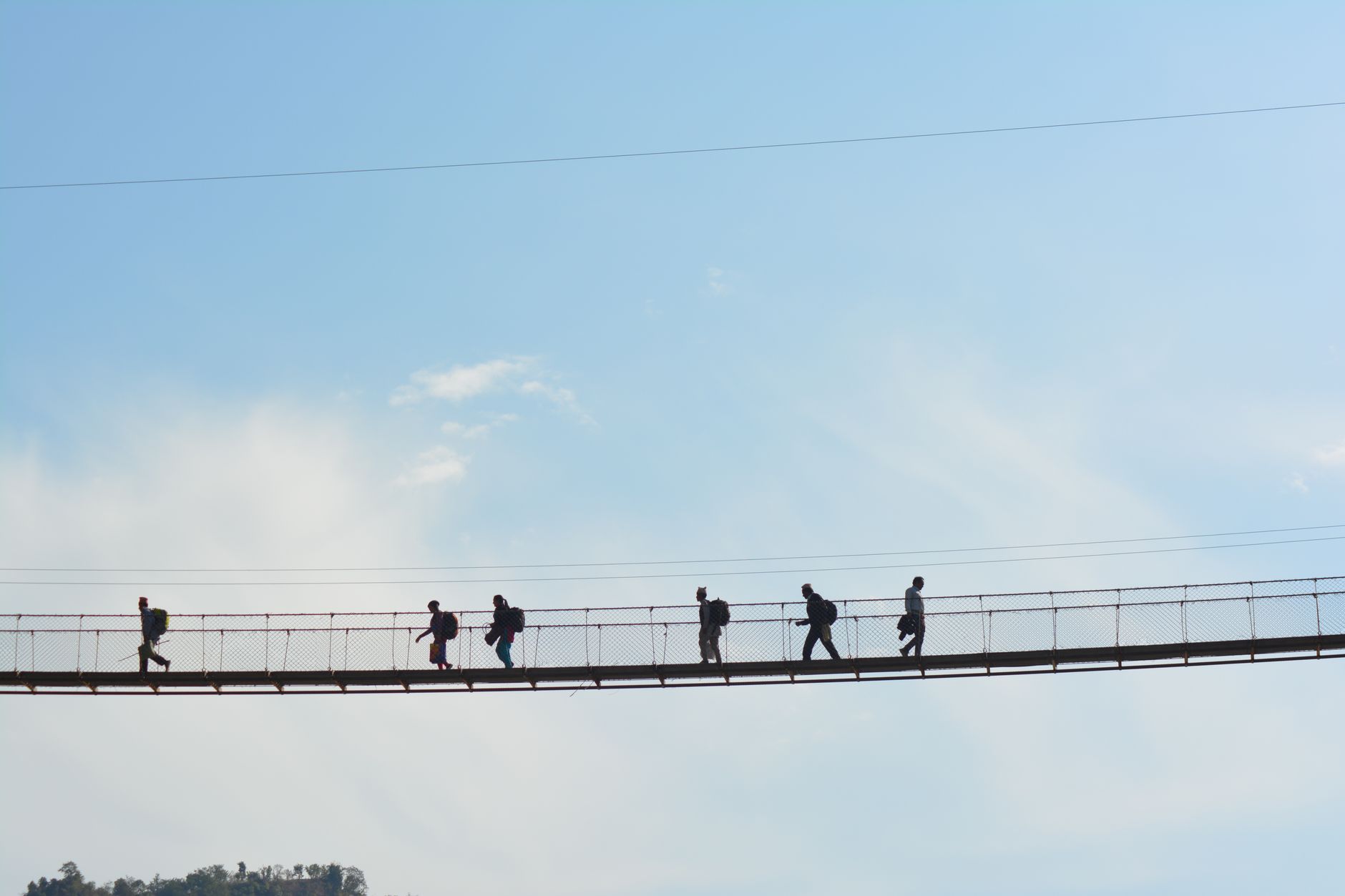
A roughly 45-minute hike from the Uwinka Visitor Centre leads to a suspension bridge hung above the forest floor. It’s built in three linked sections with mesh flooring that lets you see the canopy below as you cross. Allow about 1 to 2 hours total for the hike and the crossing, with departures typically scheduled around 8am, 10am, and 3pm.
It’s a walk, not a climb. No ropes, no harness, no technical skill required. The experience is entirely about the view and the sensation of the bridge moving slightly underfoot as groups cross.
When Is the Best Time to Do the Canopy Walk in Nyungwe?
June through September and December through February are Nyungwe’s dry seasons. They give the clearest forest views and the safest footing on the approach hike. The wetter months bring fewer crowds and stronger birding, but also slippery trail sections and a higher chance of a delayed or rescheduled departure slot.
If you’re pairing this stop with a Kenya safari built around the dry-season wildlife calendar, the timing often lines up naturally. If your trip runs January through May, expect a quieter walkway and better birdlife, but pack for mud and build a little flexibility into your schedule in case a slot shifts.
How Fit Do You Need to Be for the Canopy Walk?
No technical climbing skill is needed, but the approach hike crosses uneven forest terrain, and the walkway itself sways and flexes underfoot. Park guidance advises against the walk for visitors with heart or lung conditions, a fear of heights, or significant mobility limitations. Some sources list a minimum age around 6, with anyone under 15 needing an adult on the bridge. Treat that as unconfirmed, and check the current age policy with RDB or your operator before you book.
If heights genuinely unsettle you, this isn’t the activity to push through on willpower. The bridge’s mesh flooring means you can see straight down as you walk, and there’s no way to avoid that view once you’re on it.
How Do You Book the Nyungwe Canopy Walk?
Book directly through the Rwanda Development Board, at the Uwinka Visitor Centre reception, or through a licensed tour operator who bundles the permit with a guide and transport. Same-day slots sometimes exist, but they depend on availability, and booking a few days ahead secures a preferred 8am, 10am, or 3pm departure.
For anyone combining this with gorilla trekking permits or a broader circuit, it’s worth sorting the canopy walk booking at the same time you lock in those other permits, since both can sell out around peak dry-season weeks.
How Do You Get to Nyungwe From Kigali, or From a Kenya or Uganda Safari?
Nyungwe is roughly 225 km and about 6 hours’ drive southwest of Kigali. Travelers combining it with a Kenya safari or a Uganda gorilla trek typically fly into Kigali, then connect overland to Nyungwe, adding a full transfer day each way to the overall itinerary.
That transfer day matters for budgeting. If you’re already weighing Rwanda’s Akagera against Murchison Falls for the Uganda leg of a circuit, factor Nyungwe’s drive time into whichever route you choose, since it changes how many park days you can realistically fit in. It’s also worth budgeting insurance across an East Africa safari that spans three countries, since policies and coverage gaps vary more than travelers expect once you cross borders.
Is the Nyungwe Canopy Walk Worth Adding to a Kenya or Uganda Safari?
For travelers staying only in Rwanda, a permit cost around $60 is a small, clear line item against a gorilla trekking permit that runs far higher, and it’s an easy half-day add-on to a Nyungwe birding stop. For travelers running a multi-country circuit out of a Kenya safari, the math is less obvious. You’re paying the permit fee plus a transfer day each way, against whatever that same day would otherwise buy you back in the Mara or Samburu.
If your trip already budgets time for Rwanda gorilla permits, add the canopy walk. The marginal cost is modest next to what you’ve already committed. If Nyungwe would be a detour on an otherwise Kenya-focused trip, weigh it against your overall Kenya safari cost baseline before committing the extra travel day. Either way, browse packages and compare safari operators through FindMySafari, Valley Safaris, or Trunktrails Safaris to see how different itineraries price the Nyungwe stop against the rest of your route.
Where Can You Find More Safari Planning Resources?
These partner sites cover the Kenya side of a combined itinerary, from full tour packages to side-by-side comparisons, so you can line up the rest of your route alongside your Nyungwe stop.
- Kenya safari packages from SafariPure
- Kenya wildlife tours from Trunktrails Safaris
- Kenya tour packages from Valley Safaris
- Compare Kenya safari packages on FindMySafari