Ngorongoro safari wheelchair access is possible, but it comes with one serious limitation that most accessible-safari roundups skip over. The crater rim is genuinely accessible. The crater floor is nearly flat and viewed entirely from a vehicle. The real obstacle sits between the two: a single, steep, unpaved descent road that a wheelchair cannot travel on its own. Here is what actually works, what doesn’t, and how to plan around it before you book.
1. Is Ngorongoro Crater Wheelchair Accessible?
Yes, with limits. The crater rim and its lodges are wheelchair accessible, and the flat crater floor suits vehicle based game drives. The catch is getting down there: the only two access roads, Seneto and Lemala, are steep, narrow, and unpaved. Wheelchair users need an adapted 4×4 and advance coordination with both lodge and operator to make the descent work.
Most sites that write about accessible safari Tanzania trips describe the crater floor as flat and stop there. That’s true, but it skips the detail that actually decides whether a Ngorongoro safari wheelchair access plan works: the road down.
2. The Crater Floor: Flat Terrain, Vehicle-Only Game Drives
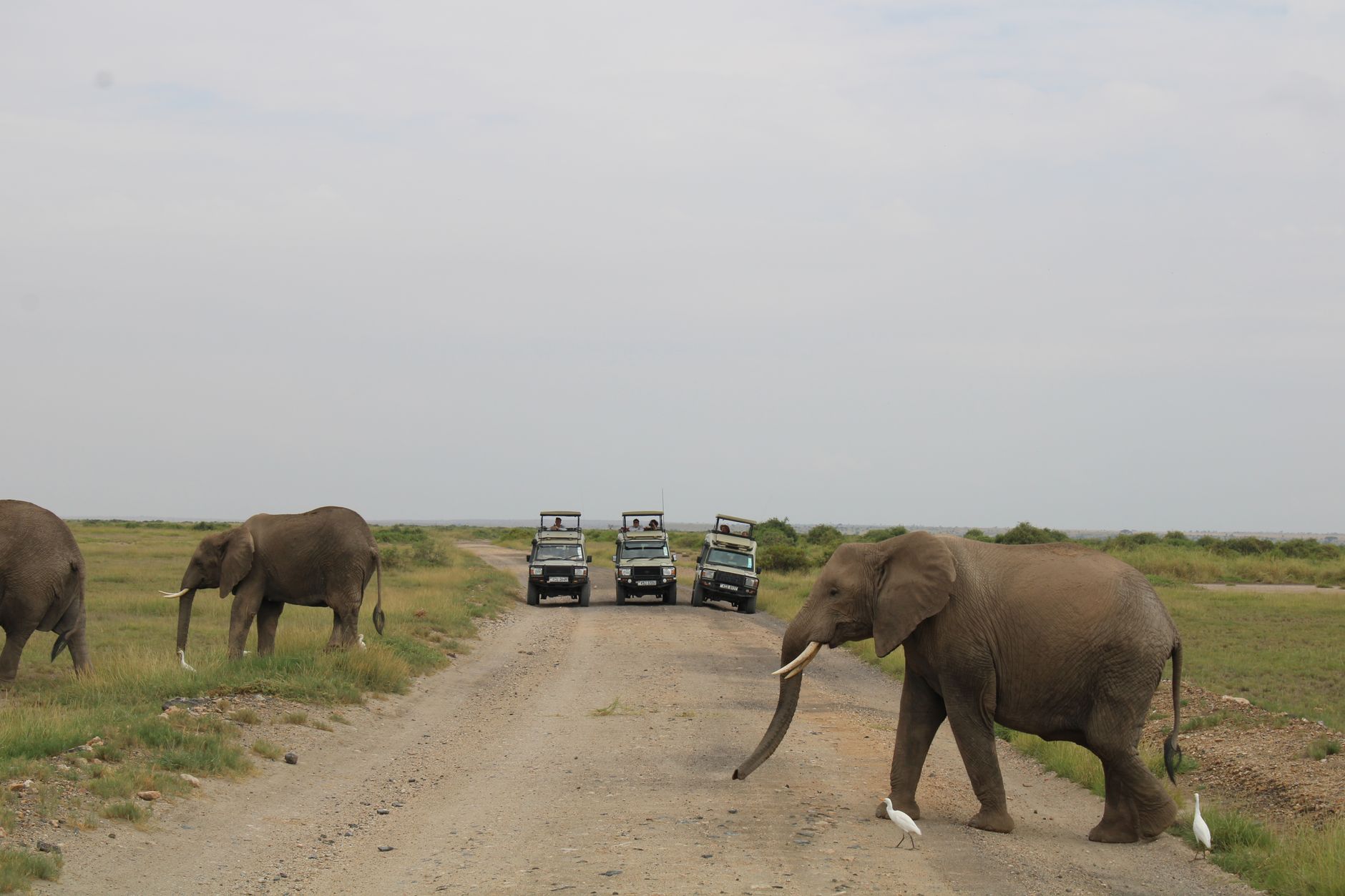
The Ngorongoro Crater floor is close to flat, and walking safaris are not allowed inside it. Every visitor, wheelchair user or not, watches wildlife from inside a 4×4. That removes uneven ground as a problem completely. Once you’re on the floor, there’s no walking between viewing points, no stepping over rocks, and no need to leave the vehicle except at designated rest areas.
So the crater floor itself is rarely the sticking point. The road that gets you there is.
3. The Descent Road Problem: Seneto and Lemala Routes
The crater has exactly two roads in regular use. Seneto handles the descent, Lemala handles the climb back out. Both are steep, narrow, unpaved tracks, with sections reported at gradients as steep as roughly 1 in 4, and both turn slippery during the rains. Only registered 4×4 safari vehicles are permitted on them. A manual wheelchair cannot be pushed or wheeled along either road, so every wheelchair user makes this stretch of the trip seated inside the vehicle, not beside it.
This ngorongoro descent road problem is the single detail most accessibility guides never name directly, and it’s the one that should shape your planning most.
4. Wheelchair-Accessible Safari Vehicles
A wheelchair accessible safari vehicle for Ngorongoro is usually a Land Cruiser fitted with a side ramp, a wider door opening, and secure tie-down points so the chair locks in place for the drive. Where the vehicle can’t be boarded directly from the chair, rangers and guides handle the transfer, which is standard practice on safari regardless of ability. Ask your operator to confirm the exact vehicle and ramp setup before you travel, in writing, not just a verbal assurance that it will be “wheelchair friendly.”
5. Accessible Lodges on the Crater Rim
Ngorongoro Serena Safari Lodge is the rim property most consistently named as wheelchair accessible, with ground-floor rooms and ramped walkways between the main areas. Accessibility at other ngorongoro crater rim lodges varies a lot. Many use stepped stone paths or raised walkways connecting rooms to the dining area, which can be difficult or impossible for a chair. Confirm room layout, bathroom fittings, and path surfaces directly with the specific property before booking, rather than assuming from its general reputation. If you want to weigh several rim properties side by side, compare accessibility across Ngorongoro rim camps before deciding.
6. Best Season for Wheelchair Users: Dry vs Rainy
The dry season, roughly June through October, is the safer window. The Seneto and Lemala roads stay firm and dusty rather than muddy, which lowers the risk of a vehicle sliding or getting stuck mid-transfer. The long rains, March through May, turn both descent roads slick and rutted, and that’s when wheelchair travelers should think twice about the crater. Conditions on the rim itself also shift through the day, so it helps to understand how rim weather changes through the day before you plan drive times or pack layers.
7. Booking Ngorongoro Safari Wheelchair Access in Advance
Book through an operator willing to name the exact vehicle, ramp type, and lodge room in writing, not one that simply confirms “wheelchair friendly” over the phone. Ask for photos of both the room and the vehicle. Give at least two to three months notice so the rim lodge and the 4×4 can be reserved and, if needed, modified ahead of your arrival. It also helps to check what a private crater vehicle and stay cost per night and to review travel clinic and vaccination timing for East Africa well before departure.
8. Conservancy and Park Alternatives If the Crater Is Too Difficult
If the descent road feels too risky, Ndutu and the southern Serengeti plains are worth a look. The terrain is flat and open, the access roads are gentler, and wildlife density during peak seasons can rival what you’d see in the crater, without a single-lane descent standing between you and the animals. For a season by season breakdown of when sightings peak there, see the best months for Serengeti predator sightings.
Compare Safari Operators Before You Book
Accessibility needs vary from one traveler to the next, and no single lodge or vehicle setup works for everyone. Once you know what your trip requires, from ramp width to room layout to season, it’s worth comparing quotes and logistics across a few operators rather than committing to the first one that says yes. FindMySafari, Valley Safaris, and Trunktrails Safaris let you browse packages and compare how different operators handle accessible Ngorongoro trips.
More safari planning resources
- Best time to visit Kenya map from SafariPure
- Best time to visit Kenya from Trunktrails Safaris
- Best time to visit Kenya month-by-month map from Valley Safaris
- Compare Kenya safari packages on FindMySafari