For photographers weighing the ngorongoro safari best time for photographers question, the short answer is the dry season, June through October. Short grass and clear morning air put wildlife within easy reach of the long lens during these months. But the crater floor works differently from the open plains of the Masai Mara or the Serengeti. Its strict access rules matter as much as the calendar. Below are the six months worth planning around, plus the light, gear and permit details that decide whether your shoot actually works.
The Ngorongoro Safari Best Time for Photographers, Ranked
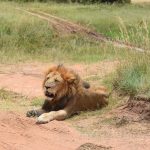
1. August. This is peak dry season on the crater floor. Grass wears down to ankle height, dust hangs in clean morning light, and wildebeest, zebra, lion and hyena crowd around Lake Magadi and Munge Stream for water. Positions are predictable and the air is dust dry rather than hazy, which keeps telephoto shots sharp.
2. July. Conditions closely match August, with slightly greener cover still lingering from the long rains. Vehicle numbers build through the month but stay a notch below the August peak, so early mornings near Ngoitokitok Springs still feel workable.
3. September. Wildlife stays concentrated and light stays clean, though heat haze builds faster by midday as the dry season stretches on. Mornings remain the strongest window, and elephants moving through Lerai Forest add a reliable habitat shot to the wildlife roster.
4. June. The crater floor holds onto some moisture from the long rains, giving a greener backdrop than later dry months. Crowds are noticeably lighter than July and August, which makes it a good compromise for photographers who prioritize space over maximum wildlife density.
5. October. The last full dry month before the short rains, with light quality close to earlier months but occasional early storm clouds building on the crater rim by afternoon. Those clouds can make for dramatic backdrops if you are shooting landscapes alongside wildlife.
6. February. Not a crater-floor peak month, but the strongest alternative for photographers chasing calving action. The real draw is the Ndutu plains, inside the wider Ngorongoro Conservation Area but well outside the crater bowl. More on that distinction below.
| Rank | Month | Crater floor conditions | Crowd level |
|---|---|---|---|
| 1 | August | Short grass, driest light, peak concentration | High |
| 2 | July | Similar to August, slightly greener | Moderate to high |
| 3 | September | Strong wildlife, more midday haze | High |
| 4 | June | Greener, better space | Moderate |
| 5 | October | Dry with early storm buildup | Moderate |
| 6 | February | Crater quieter, Ndutu plains active | Low to moderate on crater floor |
Crowd levels are indicative, based on typical descent patterns rather than published visitor counts.
Calving Season and the Ndutu Distinction
Ngorongoro Crater holds resident wildlife all year, but it does not host a major calving concentration. The newborn wildebeest and the predator activity that follows them happen on the Ndutu plains, roughly January through March and peaking in February, inside the greater Ngorongoro Conservation Area rather than on the crater floor itself. Photographers who want calving-season action should base themselves near Ndutu, not at a crater-rim lodge, and should not expect the crater descent to deliver it. If you are also researching how conservancy fees and habitat claims hold up, it is worth learning how to verify a conservancy’s conservation claims before booking a Ndutu-specific stay.
Why Consider the Green Season Instead (November to May)?
The green season (November through May) trades peak dry-season wildlife density for empty crater floors and skies dry-season visitors rarely see. Expect fewer usable shooting days because of rain and cloud, but near-empty viewing areas, dramatic storm light, and strong birdlife as migrants pass through.
November brings short rains that green the crater floor and fill Lake Magadi, often stacking storm clouds behind grazing herds. April and May bring the long rains, thicker cloud cover, and slicker roads, with some crater-floor tracks closing temporarily. The trade-off is real, but it rewards photographers willing to accept fewer clear mornings.
What Time of Day Gives the Best Light in the Crater?
The first descent slot, roughly 6 to 7:30 am, gives low-angle golden light, crater-floor mist, and the fewest vehicles before day trippers from Karatu and Arusha arrive by mid-morning. Late afternoon, from about 4:30 to 6 pm, offers a second warm-light window with long shadows, though the crater gate closes at 6 pm, which forces an earlier ascent than a true sunset shot would need.
How Do NCA Access Rules Shape Your Shooting Window?
Ngorongoro Conservation Area rules cap crater-floor time at six hours per vehicle, permit only one descent per day, and restrict access to the 6 am to 6 pm gate hours. You cannot wait out harsh midday light and simply return later. Plan your descent around whichever window matters most, dawn or late afternoon, since you only get one shot at each. This is a sharper constraint than most East African parks and worth confirming with your operator before the trip, alongside general wildlife sighting etiquette photographers should follow once you’re on the floor.
What Gear and Crowding Should You Plan For?
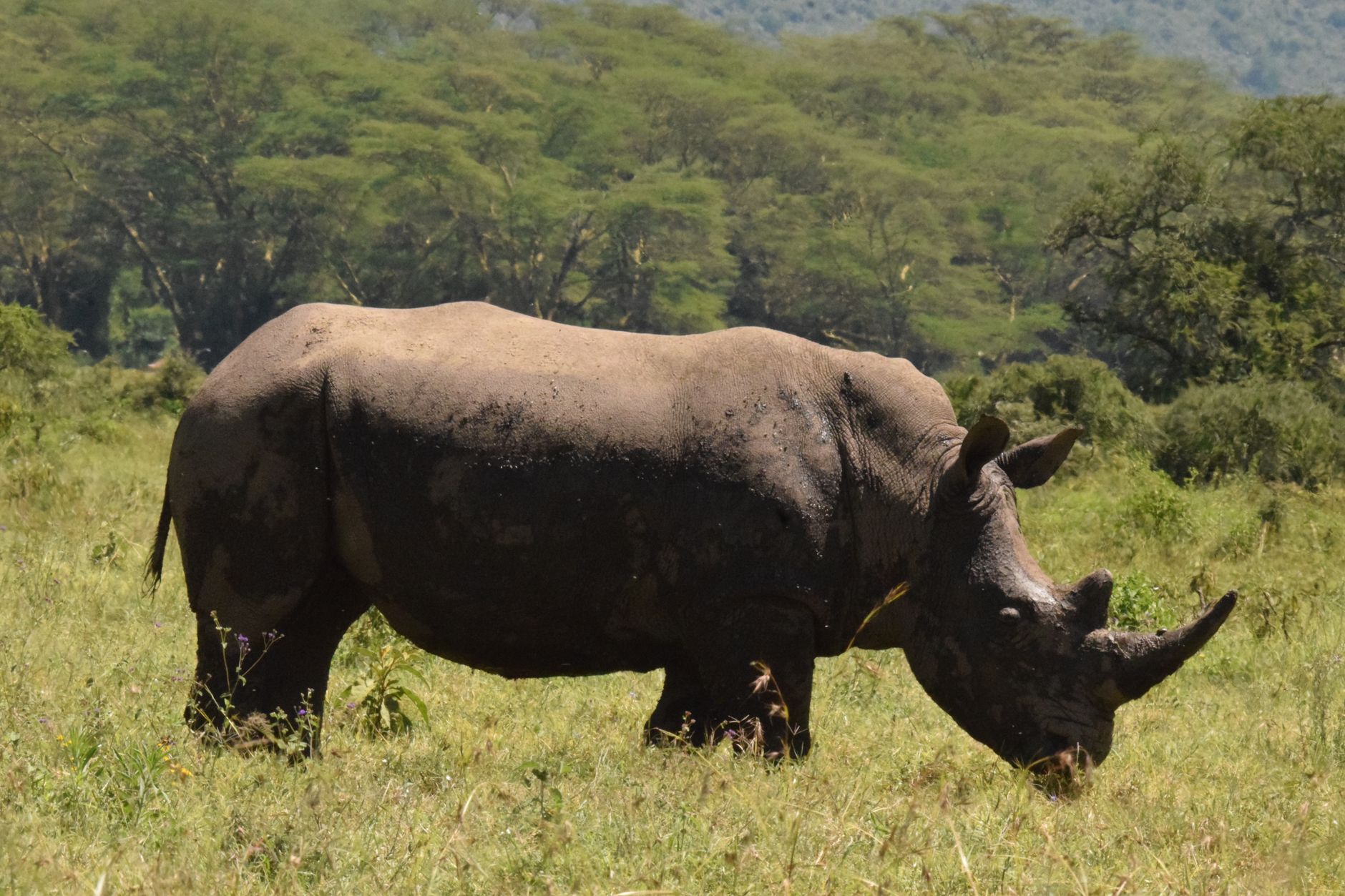
A 100-400mm or 150-600mm zoom covers most crater subjects, since vehicles cannot leave the marked tracks and cannot always close the distance you’d like. Pair it with a 24-70mm for landscape and habitat frames, especially around Lerai Forest and the crater rim. For a fuller breakdown of which focal lengths to pack for East Africa wildlife shots, it’s worth reading before you pack. Expect over a hundred vehicles on the crater floor by mid-morning during July through September and around the Christmas and New Year period, so an early descent buys you space here more than it does on most other safari circuits.
Ngorongoro is usually paired with a wider Tanzania or northern circuit itinerary, and travelers comparing it against Kenya options often check the best time to visit Masai Mara or weigh a Masai Mara versus Amboseli trip alongside it. Whichever combination you’re weighing, the crater’s access rules mean this leg of the trip needs its own planning, not just a slot in a wider itinerary.
Ready to Plan Your Shoot?
Once you know your target month and light window, the next step is comparing itineraries that actually build in an early crater descent rather than a mid-morning one. You can compare safari operators and browse packages through FindMySafari, Valley Safaris, or Trunktrails Safaris to find one that matches the timing this guide lays out.
More safari planning resources
- Best time to visit Kenya map from SafariPure
- Best time to visit Kenya from Trunktrails Safaris
- Best time to visit Kenya month-by-month map from Valley Safaris
- Masai Mara destination guide on FindMySafari