You do not need M-Pesa to survive a Kenya safari. Most camps, gates, and tour operators still take cash or card without issue. But skip it and you will hit small friction points every day: a matatu fare, a curio stall, a tip a guide would rather receive by phone than in crumpled notes. This guide walks through what M-Pesa actually is, whether a short-trip visitor should bother setting it up, and the real steps and costs if you decide to.
Touring Insights is an independent planning resource, not a tour operator, so nothing here pushes a specific SIM vendor or wallet product. It is a plain look at what mobile money changes for a visitor spending one to three weeks in Kenya.
What M-Pesa Actually Is
M-Pesa is Safaricom’s mobile money platform, launched in Kenya in 2007. It lets a phone number hold cash value and send it to any other registered number, pay a till number at a shop, or pay a paybill number for a business or utility. There is no bank account behind it. The SIM card and a PIN are the entire login. Over 30 million Kenyans use it monthly, according to Safaricom’s own reporting, which is why it works at places a foreign card never will: a roadside fruit stand, a boda-boda rider, a small campsite outside Wi-Fi range.
Airtel Money is the second network, run by Airtel Kenya, and works the same way on a different SIM. Safaricom has far wider rural coverage, which matters more on safari routes than in Nairobi itself.
Do Tourists Actually Need It
Short answer: not for the big-ticket items. Camps, lodges, and registered tour operators invoice in USD or KES and take bank transfer, card, or cash at check-in and checkout. Park and conservancy gate fees increasingly go through cashless systems tied to Kenya Wildlife Service accounts or conservancy office prepayment, not a tourist’s personal M-Pesa line.
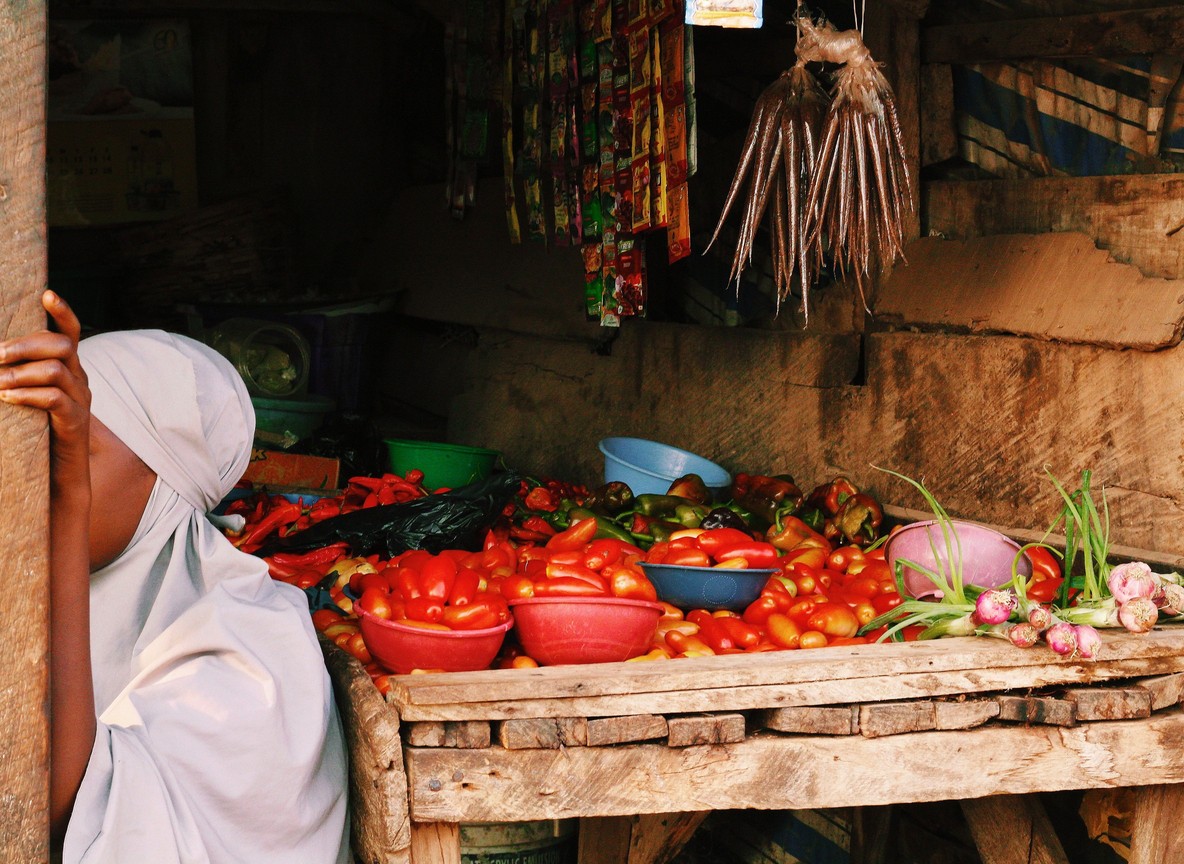
Where M-Pesa earns its keep is the small, frequent spend a fixed daily budget does not cover well: bottled water at a fuel stop, a craft market purchase in Nairobi or Nakuru, a tip to a driver-guide who would rather bank it directly than carry cash across a border crossing. A single lodge-to-lodge safari with a private vehicle and driver lets you skip it entirely. Moving independently through towns, markets, or public transport between safari legs is where it saves real time and hassle.
Setting Up M-Pesa: The Actual Steps
A visitor cannot dial into M-Pesa on a foreign SIM roaming in Kenya. It requires a local, registered Safaricom line.
- Buy a Safaricom SIM. Available at Jomo Kenyatta International Airport (JKIA) arrivals hall, at Safaricom shops in Nairobi, or from authorized agents in most towns. Bring your passport; SIM registration is mandatory under Kenyan law.
- Register for M-Pesa at the same counter. Most airport and shop agents activate the SIM and register the M-Pesa line together, usually within 10-15 minutes.
- Load cash onto the line. Hand cash to a registered M-Pesa agent (recognizable by the green signage) and they credit your phone balance. This step, called “deposit,” has no fee.
- Set your PIN and confirm with a test transaction, such as buying airtime for yourself, before relying on it for a real payment.
Bring a physical passport copy or the passport itself; agents will not register a line without ID.
Kenya Mobile Money Setup: Real Numbers
| Item | Typical Cost / Time (2026, indicative) | Where |
|---|---|---|
| Safaricom tourist SIM | KES 100-500 (about $0.75-$3.80) | JKIA arrivals, Safaricom shops |
| M-Pesa registration | Free with SIM purchase | Same counter |
| SIM + M-Pesa activation time | 10-20 minutes | Airport or shop |
| M-Pesa deposit (cash to wallet) | Free | Any green M-Pesa agent kiosk |
| Sending money to another M-Pesa number | KES 11-105 depending on amount (about $0.08-$0.80) | Any registered line |
| Data bundle, 1GB, 7-day | KES 100-300 (about $0.75-$2.30) | Safaricom app or USSD |
| Withdrawing cash from M-Pesa agent | KES 11-300 depending on amount withdrawn | Any green M-Pesa agent kiosk |
Prices above are indicative ranges only. Safaricom periodically revises tariffs, so confirm current rates at the point of sale.
Cash, Card, or M-Pesa: What Actually Works Where
| Payment Method | Lodges & Camps | Park/Conservancy Gates | Markets & Small Vendors | Tipping Guides |
|---|---|---|---|---|
| USD cash | Widely accepted, often preferred for bills | Rare now (most moved to cashless/KWS account systems) | Sometimes, poor exchange rate | Common, but bulky for multi-week trips |
| KES cash | Accepted everywhere | Rare direct cash | Standard | Standard |
| Card (Visa/Mastercard) | Accepted at most mid-range and up | Not applicable, prepaid via operator | Rare outside curio shops in Nairobi/Mombasa | Not practical |
| M-Pesa | Accepted at some independent camps and city hotels | Not applicable | Very common, fastest option | Increasingly common, ask your guide first |
Kenya Wildlife Service now processes most park entry fees through prepaid Safari Card or direct operator payment to KWS accounts, not walk-up cash at the gate. Confirm with your operator whether park fees are already included in your package price; on a guided safari, they almost always are.
ATMs and Foreign Cards: The Backup Plan
M-Pesa works best alongside a foreign card, not instead of one. Most Nairobi and Mombasa banks, including KCB, Equity, and Standard Chartered, run ATMs that accept Visa and Mastercard, with a typical foreign-card withdrawal fee of $5-8 per transaction plus your home bank’s own charge. That fee structure makes fewer, larger withdrawals cheaper than several small ones.
Forex bureaus in Nairobi’s CBD and at JKIA arrivals exchange USD, GBP, and EUR cash for Kenyan shillings, usually at a better rate than hotel front desks. A simple three-layer setup works well for most trips: a foreign card for lodge bills and ATM withdrawals, KES cash from an ATM or forex bureau for daily spending, and M-Pesa loaded with a small balance for markets, tips, and rural stops where cards do not work. None of the three replaces the others.
Explorer Notes
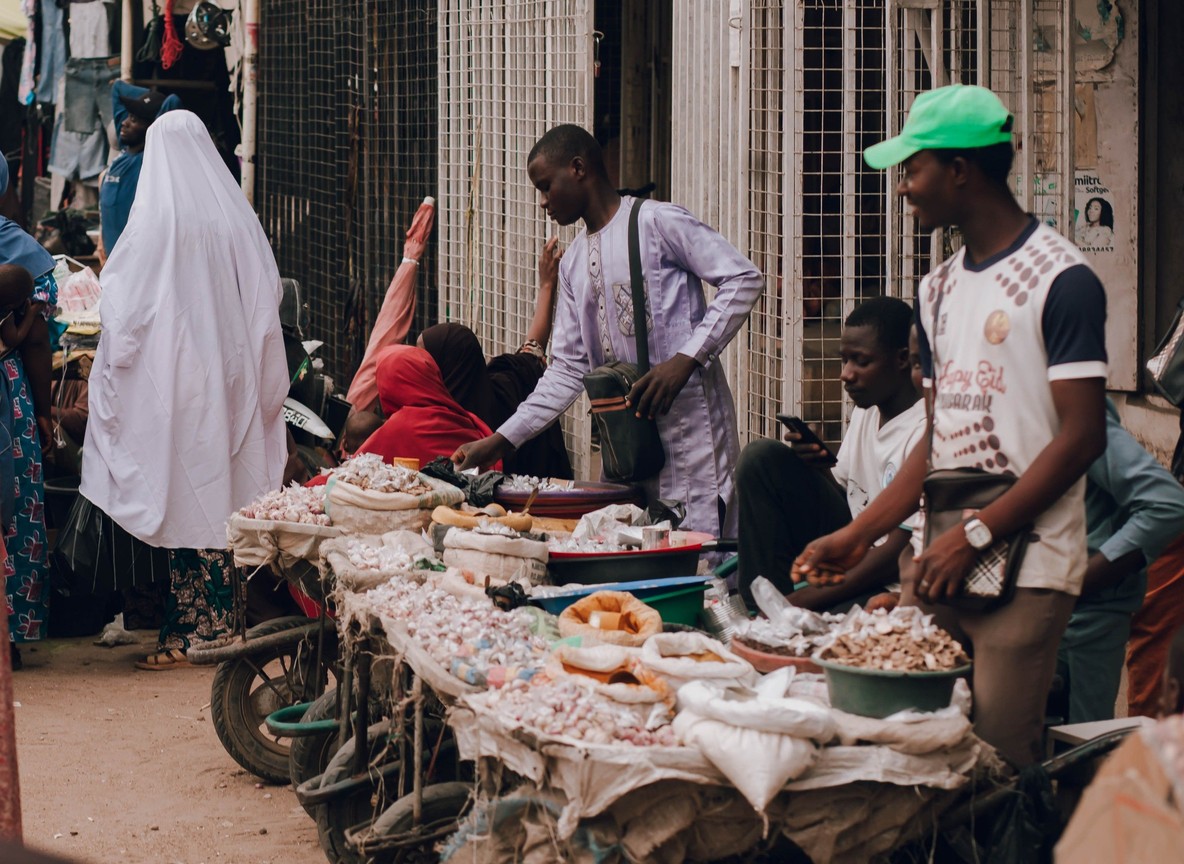
A few things travelers learn the hard way. First, M-Pesa agent kiosks thin out fast once you leave main towns like Narok, Nanyuki, or Voi, so top up your balance before heading into a conservancy or park area, not after. Second, tipping guides and camp staff by M-Pesa is now common enough that many camps post a till number at reception, but always ask first since some camps still pool and distribute tips internally. Third, keep a small stash of KES cash regardless of your M-Pesa setup. Fuel stops, roadside curio stalls, and rural toll points do not always have working network coverage for a mobile transaction. Fourth, USD cash for tipping is still widely appreciated and simpler if your trip is under a week, since setting up M-Pesa for three or four days rarely pays back the setup time.
Frequently Asked Questions
Can a tourist use M-Pesa without a Kenyan SIM card? No. M-Pesa is tied to a registered Safaricom or Airtel line, so you need a local SIM, registered with your passport, before you can use the service.
Is it safe to load a lot of cash onto M-Pesa as a visitor? Load only what you plan to spend over the coming days. Balances are protected by your PIN, but treat it like a prepaid wallet, not a savings account, and keep some backup cash for areas without signal.
Do safari lodges and camps accept M-Pesa directly? Some independent and mid-range camps do, especially for small extras like laundry or drinks, but most large lodge bills still run through card, bank transfer, or the tour operator’s invoice.
Do national parks charge entry fees through M-Pesa? No. Kenya Wildlife Service processes gate fees mainly through prepaid Safari Cards or direct operator payment, which is normally bundled into your safari package price already.
What is the difference between M-Pesa and Airtel Money for a tourist? Both work the same way on different networks. Safaricom, which runs M-Pesa, has wider coverage in rural and safari-route areas, which is why most visitors choose it over Airtel Money.
Working out your Kenya trip budget before you land makes these small decisions easier. Visit our Tour Packages page to compare what is already included in a safari price, or check with your operator directly on how park fees and tipping are typically handled on your specific route.
What to Read Next
- Planning your full trip budget? See our Kenya safari money guide covering cash, cards, and costs.
- Landing at JKIA first? Read our Wilson Airport vs JKIA guide for Kenya safaris.
- Wondering what else to pack before you fly? Check our Kenya safari packing guide.